

Traditional Coat Rack
These traditional coat rack options provide practical storage in wood and metal, combining period craftsmanship with everyday utility.
Traditional Coat Rack
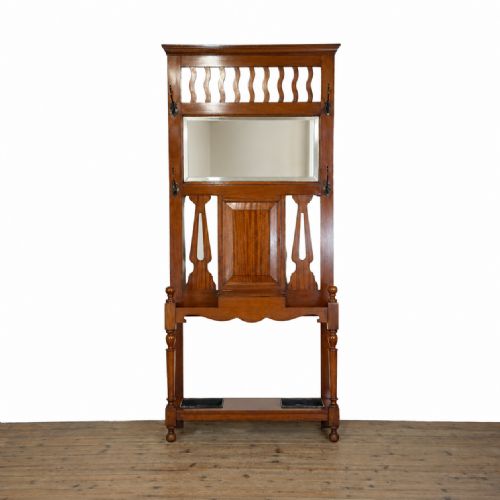
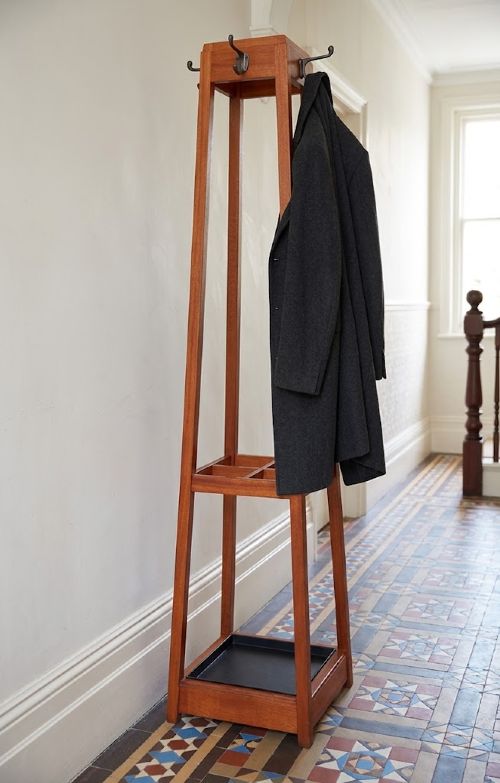
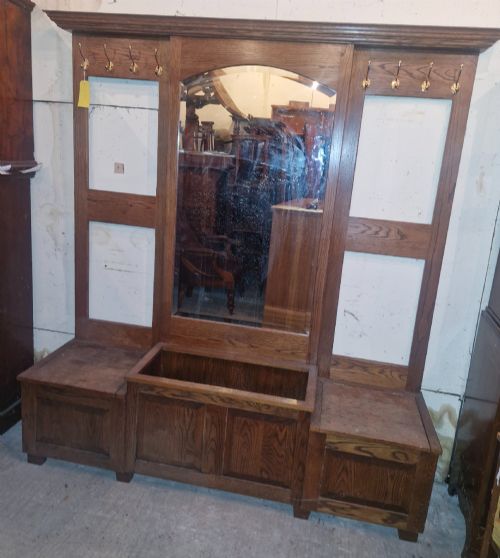
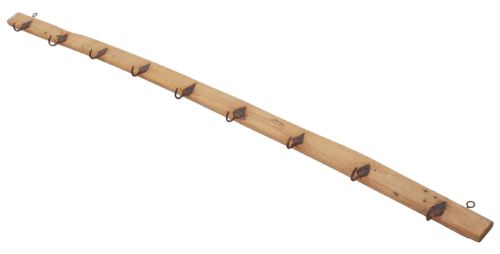
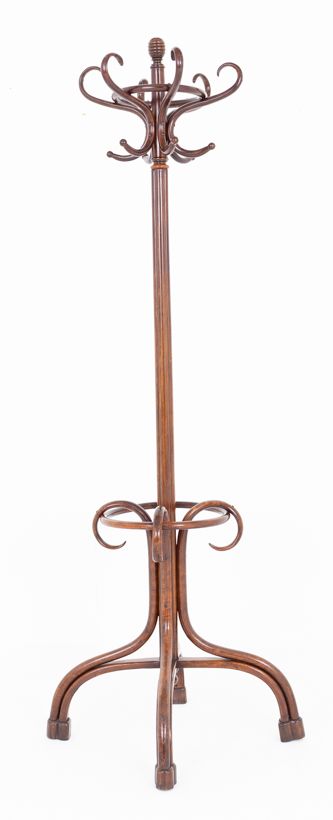
A traditional coat rack serves as a functional piece for halls and entryways, appearing in formats ranging from simple wall-mounted backboards to large floor-standing hall stands. The selection includes wall hooks and racks alongside substantial coat stands and hat trees.
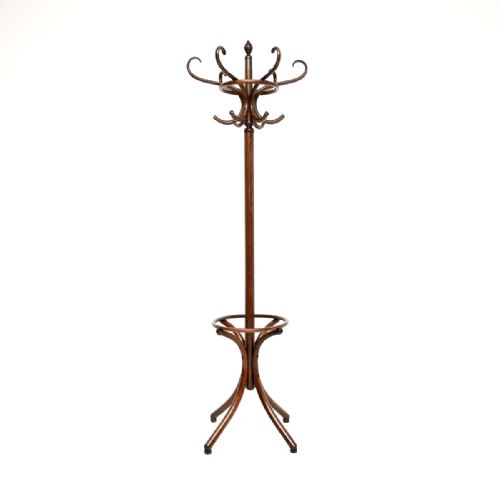
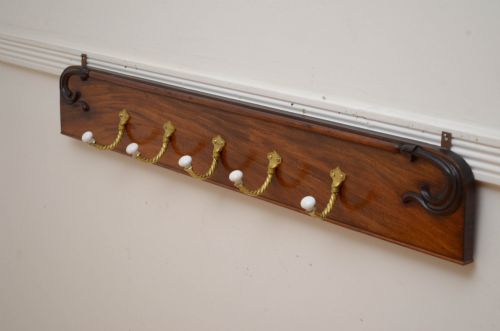
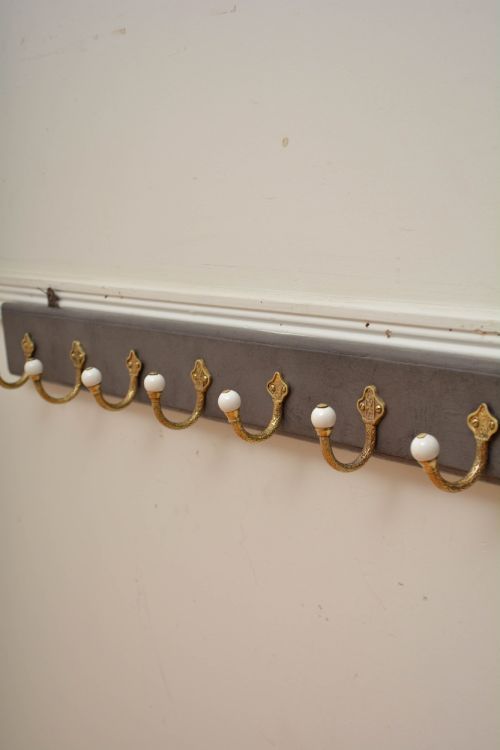
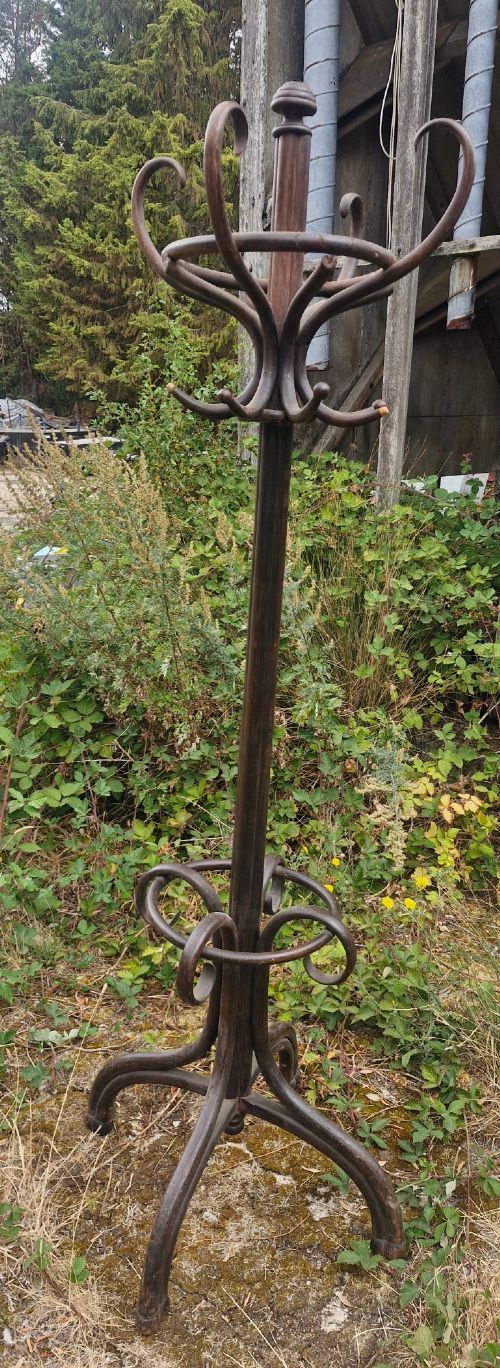
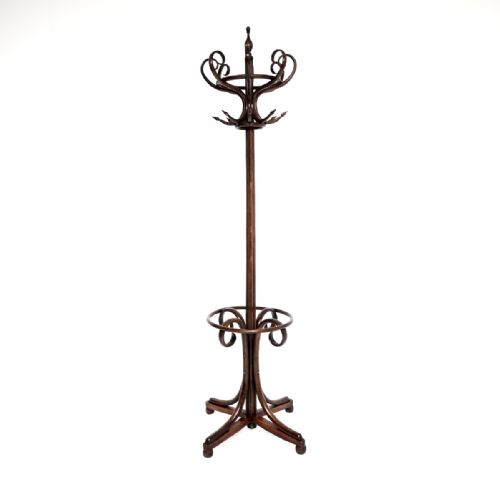
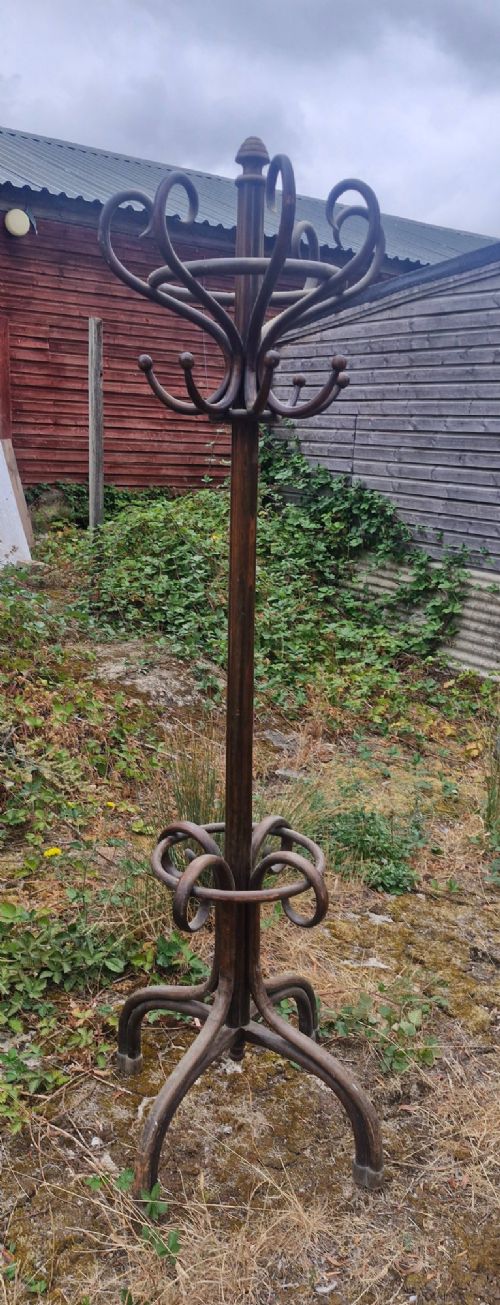
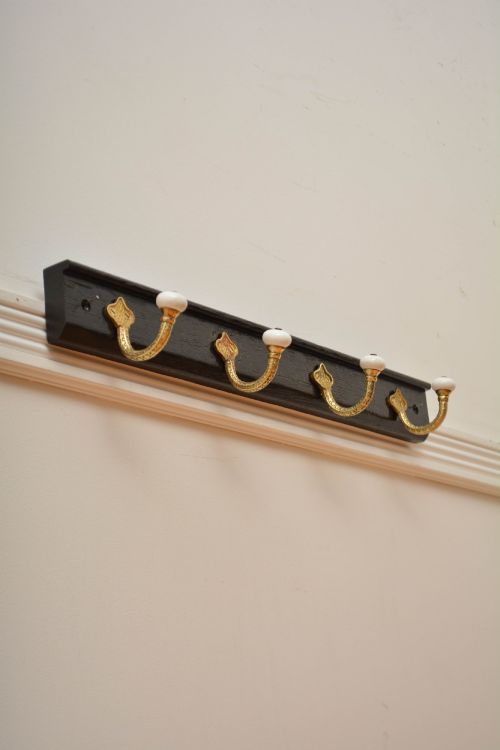
Victorian and Edwardian examples sit alongside pieces from the 19th century and early 20th century. Wall-mounted variants often feature wooden backboards fitted with brass and ceramic hooks, while freestanding versions utilise bentwood or solid timber construction.
Materials and construction methods
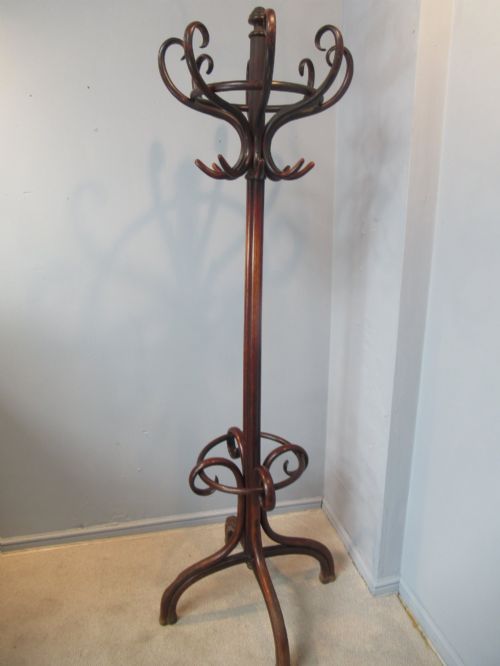
Timbers such as oak, mahogany, beech, walnut, and pine form the structural backbone of these items, shaped using traditional joinery and steam-bending techniques. Bentwood examples rely on heated beech to create curved frames and loops.
Metal and ceramic elements provide the functional hardware. Cast brass hooks, sometimes paired with ceramic inserts, attach to wooden backboards or freestanding columns to hold garments securely.
Traditional Coat Rack Retail Price Guide 2026
Typical asking prices for traditional coat rack among the pieces listed under this phrase on Sellingantiques today, from the lower quarter to the upper quarter. They describe what is for sale here now, not the wider market.
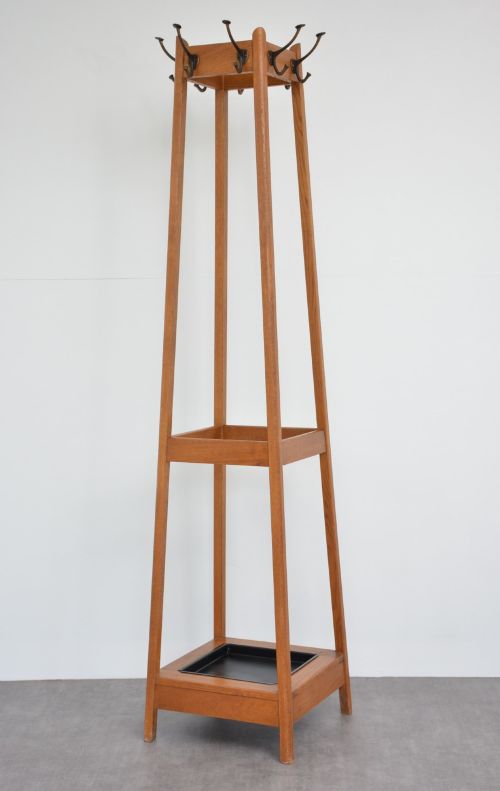
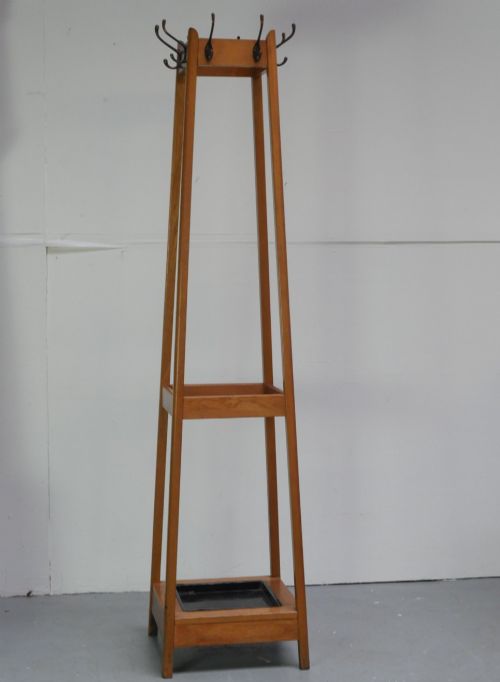
Several items include built-in umbrella holders and drip trays, ready for rainy days in the Victorian hallway.
What separates standard pieces from the finest examples
The quality of a traditional coat rack rests upon the selection of timber and the integrity of its construction, such as solid oak or mahogany frames versus simpler pine boards. Heavier gauges of bentwood and robust joinery indicate superior workshop production.
Hardware contributes significantly to overall merit. Original cast brass hooks, ceramic details intact without damage, and integrated components like drip trays or umbrella holders distinguish more elaborate halls stands from basic utility hooks.
Jas. Shoolbred
The Traditional Coat Rack Glossary
- Bentwood
- Wood softened by steam and bent into curved structural forms. This technique created lightweight yet durable hat and coat stands during the Victorian and Edwardian periods.
- Hall Stand
- A large freestanding furniture piece for entryways combining coat hooks, a mirror, umbrella storage, and often a seat or glove box. They appear in oak, mahogany, and walnut.
- Hat Tree
- A vertical floor-standing rack featuring multiple arms at different heights for hanging hats and coats. Many examples utilise revolving mechanisms or bentwood framing.
- Backboard
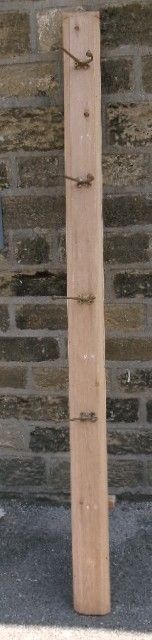
- A flat wooden plank, frequently made of pine or oak, mounted horizontally to a wall to support a series of metal garment hooks.
Traditional Coat Rack: Frequently Asked Questions
How do I mount a wall rack safely?
Wall-mounted coat racks require secure fixing into wall studs or solid masonry using appropriate screws to support the weight of heavy winter garments.
Check the spacing of the pre-drilled holes or mounting points on the backboard to ensure a stable installation at the correct height in your hallway.
What is the difference between a hall stand and a coat rack?
A coat rack is typically a wall-mounted board with hooks or a simple freestanding pole, designed exclusively for hanging garments.
A hall stand is a larger, multi-functional piece of furniture that often includes umbrella holders, a drip tray, a mirror, and sometimes a seat.
How do I care for antique bentwood furniture?
Bentwood stands thrive in stable indoor environments away from excessive moisture and direct heat sources, which can dry out the steam-bent beech.
Dust the surface regularly with a dry cloth and occasionally apply a suitable wax polish to maintain the finish on the timber.
Are the hooks on these racks original?
Many pieces retain their original cast brass and ceramic hooks, showing appropriate signs of age and wear consistent with the period of the piece.
Examining the fixings and the patina on the metal helps determine whether the hardware matches the age of the wooden backboard or stand.