

Traditional Club
Traditional club pieces encompass deep-seated armchairs, leather chesterfields, and sturdy brass fenders that bring grounded comfort and period character to a room.
Traditional Club
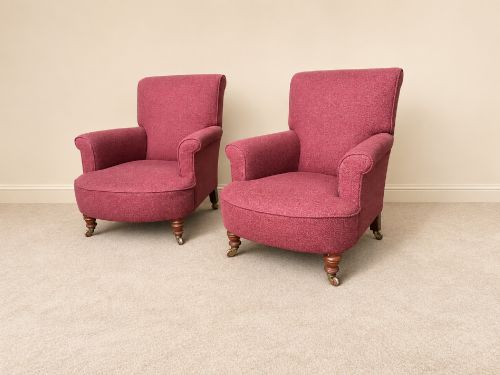
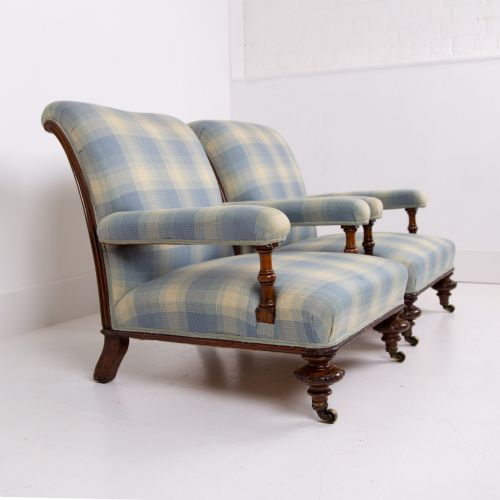
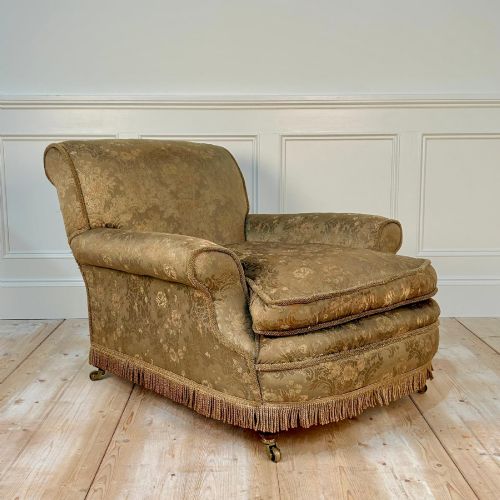
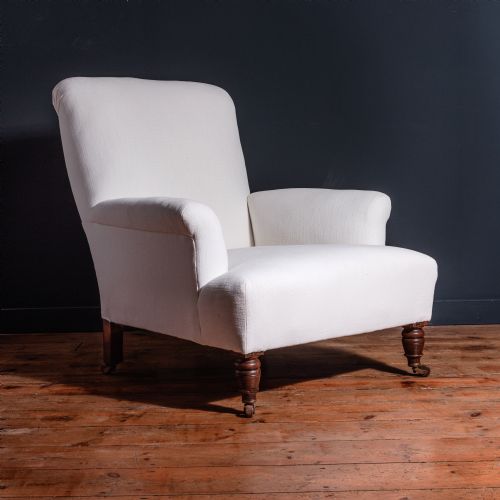
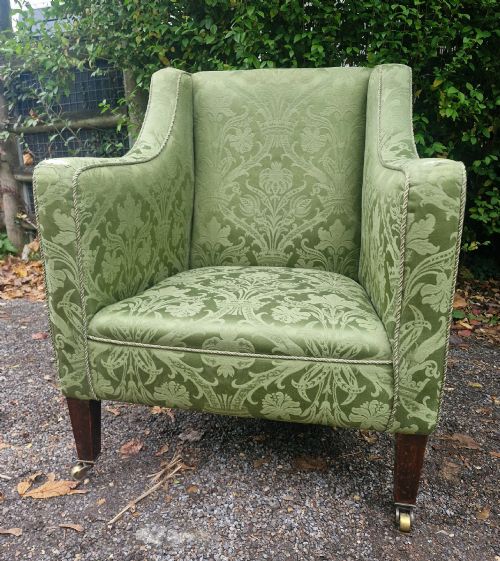
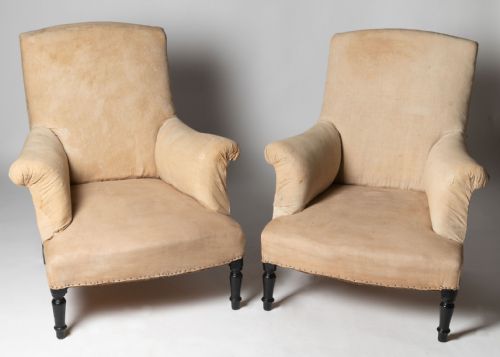
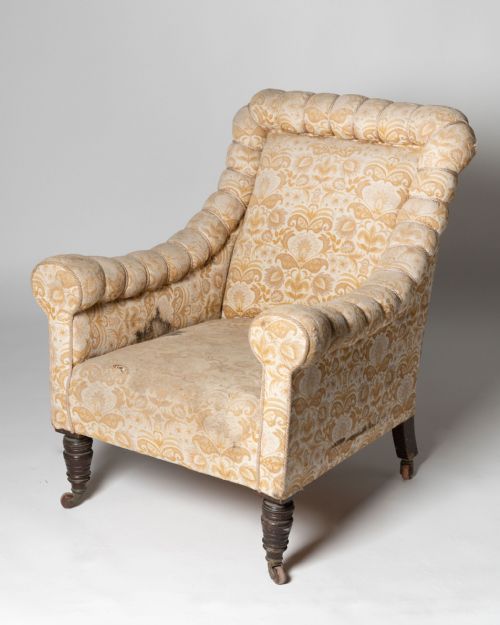
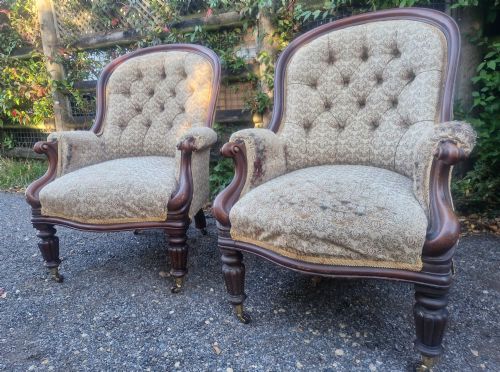
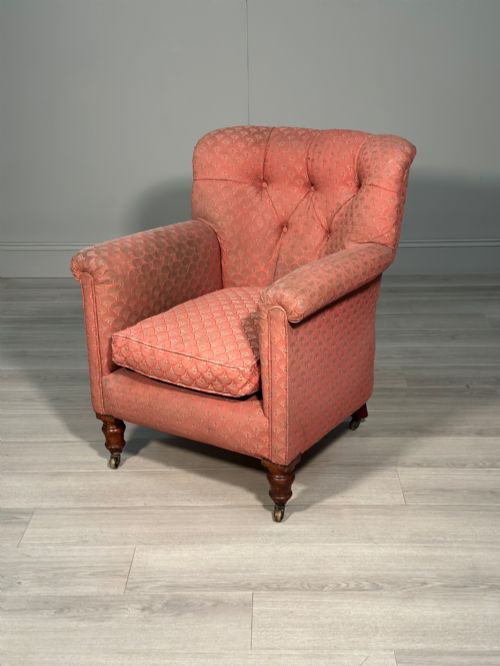
Traditional club items centre heavily on substantial seating designed for comfort, principally armchairs, library chairs, and sofas. These pieces draw from nineteenth-century forms through to the early decades of the twentieth century, reflecting English country house and Victorian aesthetics.
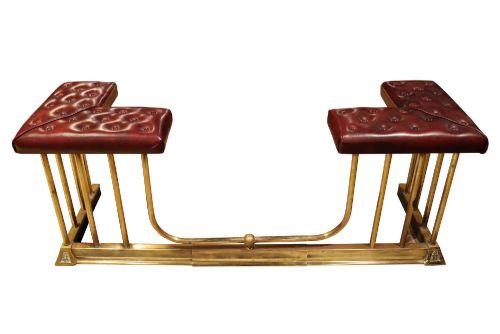
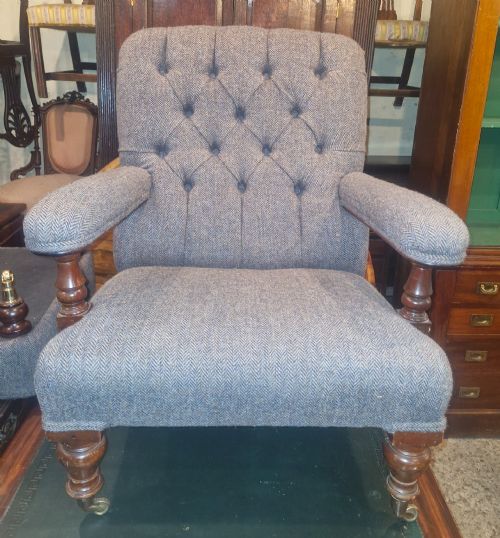
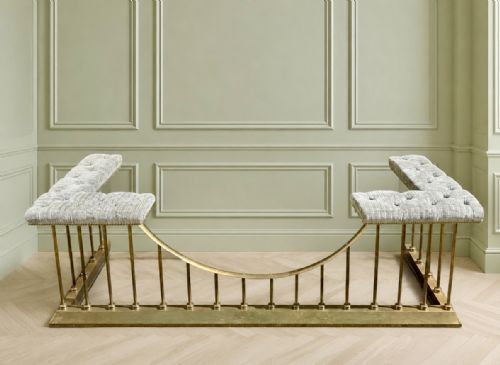
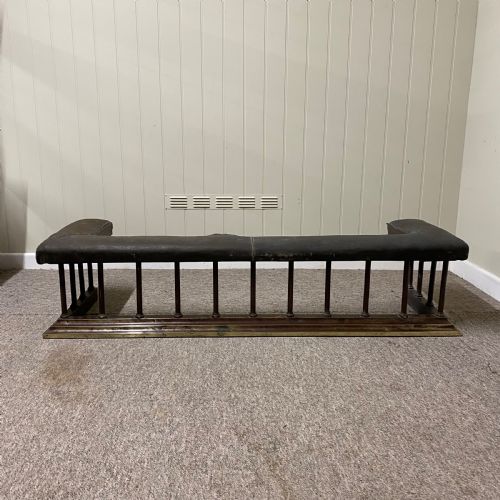
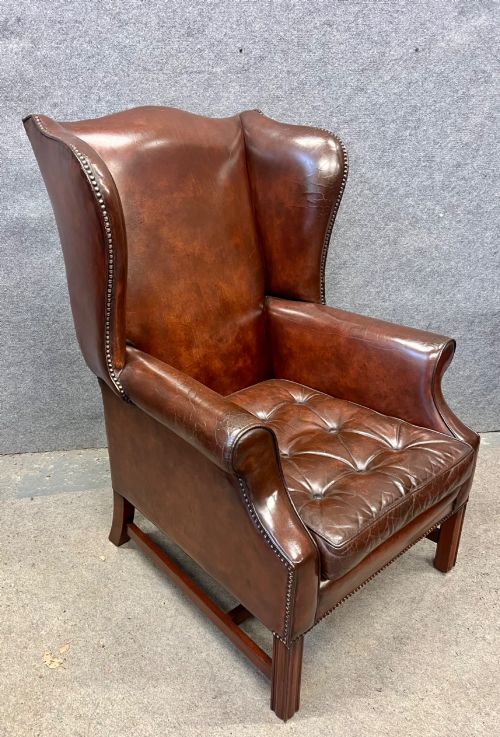
The selections span leather wing armchairs, button-back library seats, and low-slung club fenders upholstered in mature leather or fabric. Buyers frequently encounter nineteenth-century brown leather armchairs alongside Edwardian and Art Deco iterations.
Beyond seating, the category extends to related furnishings like wooden benches, captain's chairs, and brass club fenders designed for hearths. Each piece retains a solid, utilitarian heritage rooted in domestic comfort and library or club room use.
How traditional club pieces were made
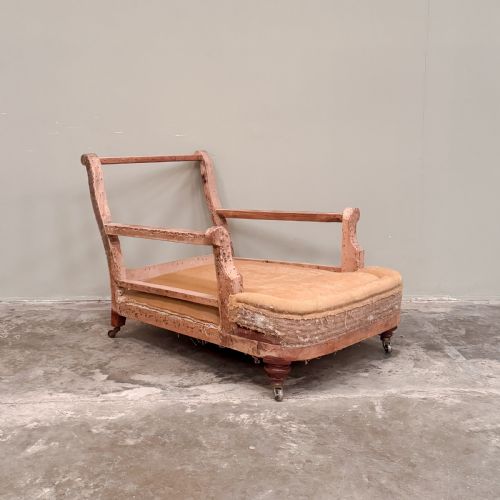
Frameworks rely on robust timbers such as mahogany, walnut, beech, elm, and satin birch, often paired with exposed legs or concealed structural webbing. Joinery is substantial, built to support heavy use over generations in libraries, country houses, and clubs.
Upholstery incorporates traditional stuffing materials layered beneath outer coverings of leather, calico, hessian, or fabric. Deep buttoning and careful tacking secure the hides and textiles to the frames with enduring durability.
Traditional Club Retail Price Guide 2026
Typical asking prices for traditional club among the pieces listed under this phrase on Sellingantiques today, from the lower quarter to the upper quarter. They describe what is for sale here now, not the wider market.
What varies in quality
The distinction between standard output and finer examples rests upon the integrity of the timber frame and the depth of the upholstery work. Superior pieces exhibit well-proportioned woodwork, such as tapered mahogany legs or carved walnut details, matched with resilient internal webbing.
The grade of the leather and textile coverings dictates much of the lasting appeal, with mature patinated hides showing character rather than structural degradation. Maker attribution and restrained stylistic touches further elevate certain armchairs and fenders above ordinary workshop production.
Whytock and Reid·Howard and Sons·Morris and Co
The Traditional Club Glossary
- Chesterfield
- A large upholstered sofa traditionally featuring deep buttoning and rolled arms of equal height. This form dates back to the nineteenth century in leather or fabric.
- Bergère
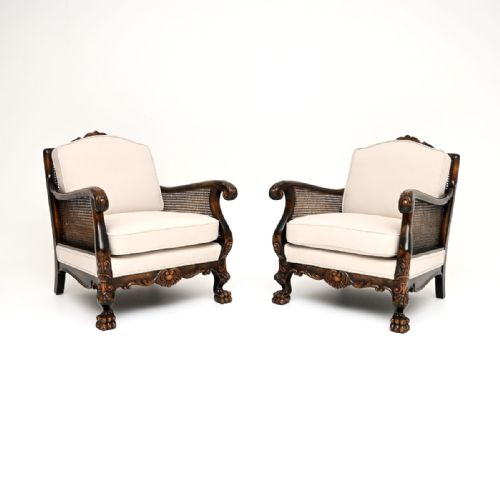
- An enclosed armchair with stuffed upholstery and wooden or cane panels set into the frame. These originate from French and Swedish design traditions.
- Club Fender
- A low metal frame with upholstered seats placed around a fireplace hearth. They often combine brass construction with leather top rails.
- Wing Armchair
- A fireside seat featuring protective side panels attached to the back to deflect drafts. They appear frequently in leather upholstery across the Victorian and Edwardian eras.
- Library Chair
- A sturdy armchair designed for prolonged reading, frequently rendered in mahogany with upholstered back and seat. Examples often date from the Georgian and Victorian periods.
Traditional Club: Frequently Asked Questions
What defines a traditional club armchair?
These armchairs are characterised by deep, accommodating seats and robust frames built for sustained comfort. They typically utilise heavy leather or durable fabric upholstery over solid timber foundations.
Origins trace back through Victorian and Edwardian domestic and club interiors, prioritising solid utility and ergonomic support over delicate ornamentation.
How do you use a club fender?
Club fenders are designed to fit around the hearth of an open fireplace, providing a structural guard alongside built-in padded seating. They allow individuals to sit close to the fire safely.
In modern rooms, they also serve as freestanding fender seats or architectural dividers within larger living spaces.
What materials are common in these pieces?
Construction relies heavily on durable hardwoods like mahogany, walnut, beech, and elm for the visible frames and internal structures. Upholstery utilises natural materials including mature leather, calico, hessian, and various heavy fabrics.
Metal components appear primarily as brass in club fenders, sports memorabilia, and decorative hardware.
How are Victorian and Edwardian chairs told apart?
Victorian pieces tend to feature heavier proportions, darker woods, and elaborate button-backed leather upholstery. They often lean towards stout frames and formal country house styling.
Edwardian examples generally display lighter forms, tapered legs, and slightly more restrained silhouettes while retaining traditional comfort.