


Traditional Clothes Storage
Traditional clothes storage comprises centuries of solid timber furniture built to house garments before fitted closets existed.
Traditional Clothes Storage
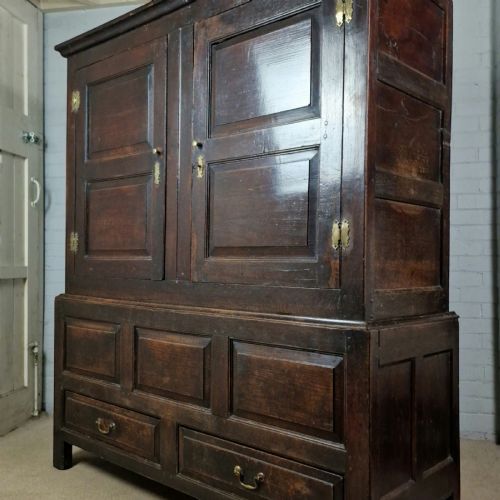
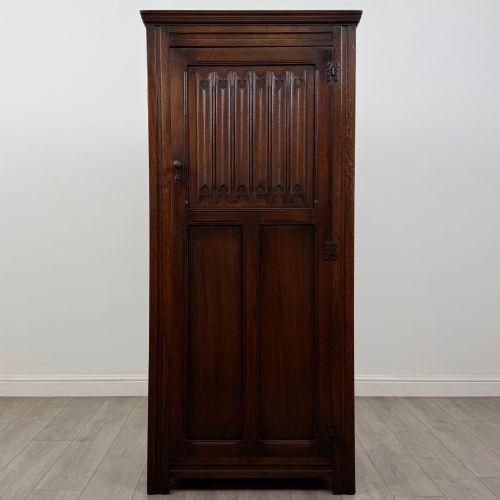
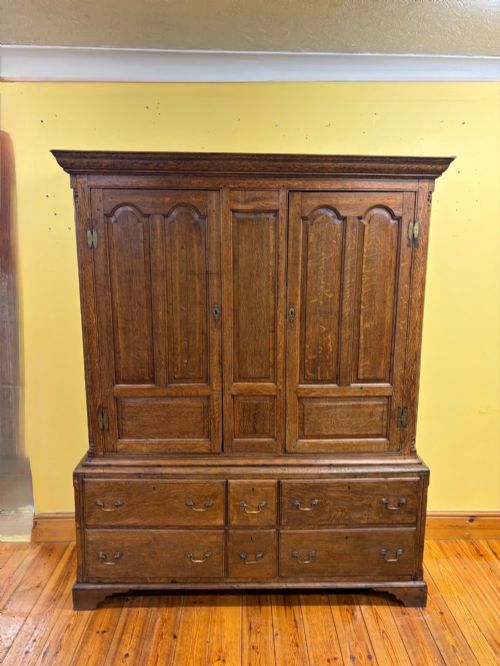
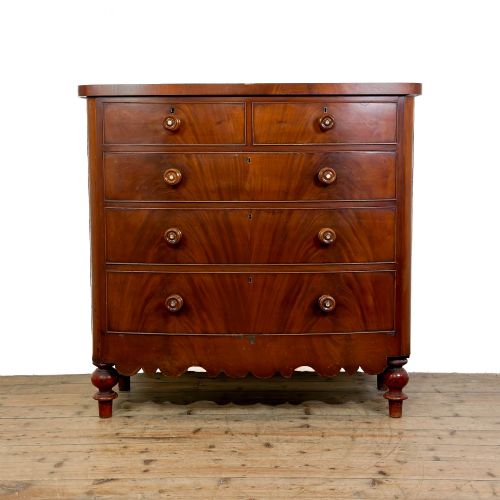
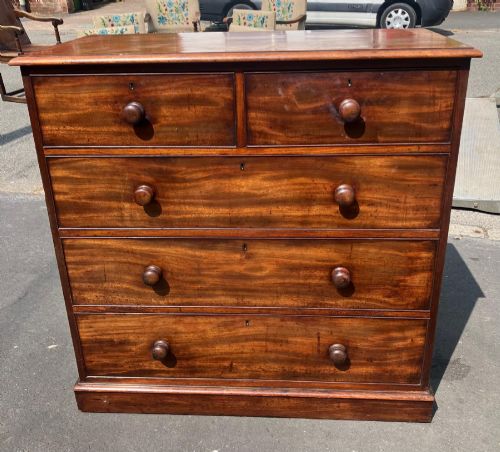
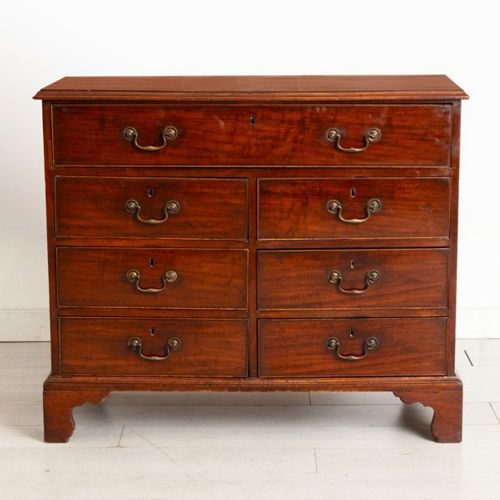
Traditional clothes storage encompasses substantial pieces designed to keep garments and linens orderly, with chests of drawers, wardrobes, and linen presses dominating the selection. Buyers looking at this page encounter heavy timber carcases built to stand against bedroom and hallway walls for generations.
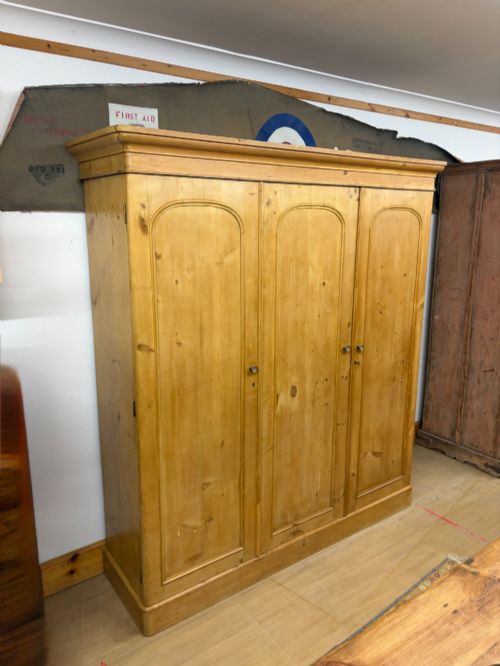
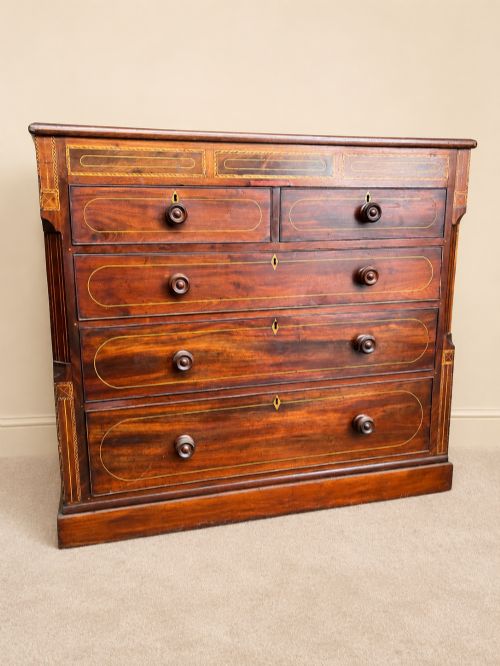
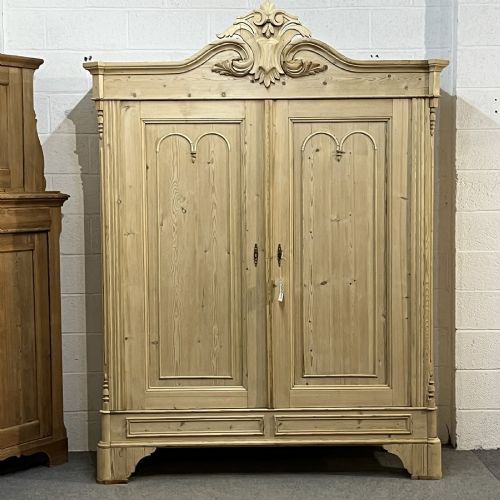
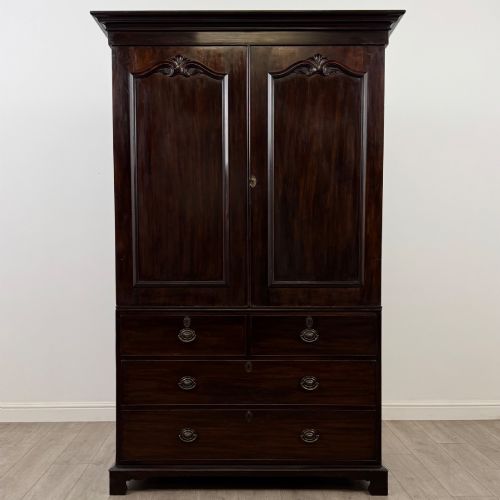
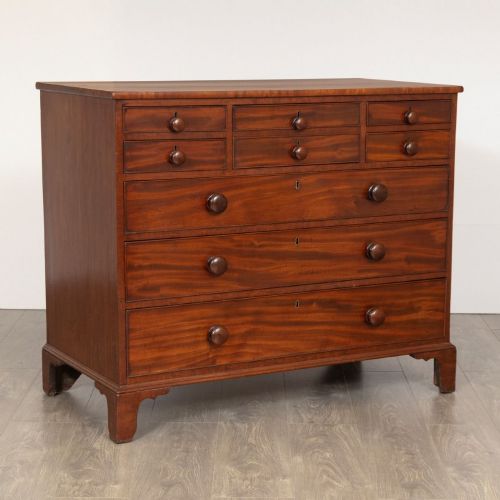
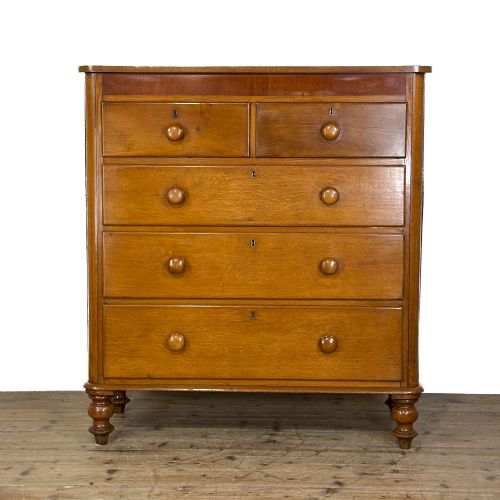
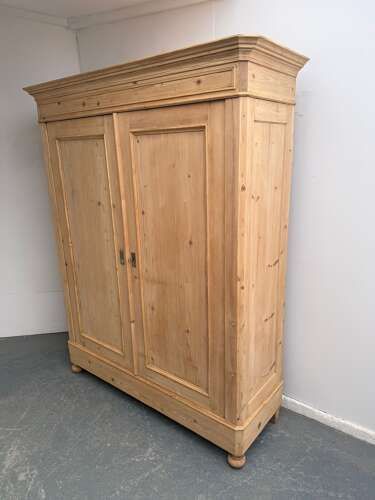
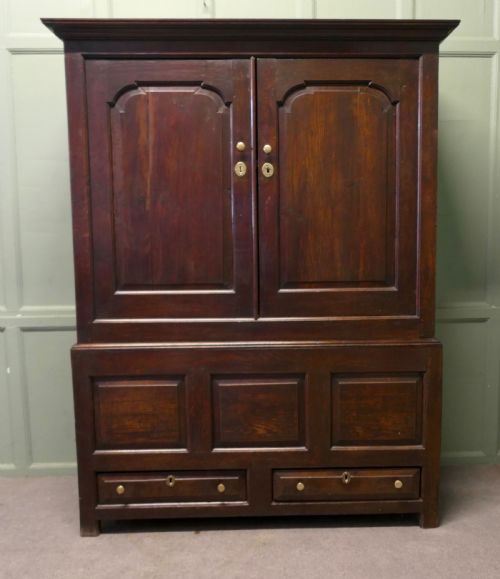
The most common iterations on this page are Georgian and Victorian chests of drawers alongside oak and mahogany linen presses. These examples range from compact cottage pine wardrobes to tall oak housekeeper cupboards intended for domestic organisation.
Originating across British, French, Hungarian, and Asian workshops, these pieces reflect the specific storage needs of past eras. From Japanese tansu cabinets to English country oak cupboards, each form serves a distinct domestic function.
Materials and construction methods
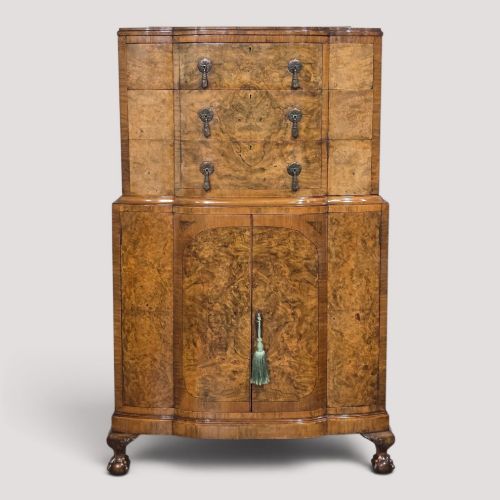
Cabinetmakers relied on durable timbers such as oak, mahogany, walnut, and pine, frequently enhanced with flame mahogany veneer or burr elm panels. These hardwoods and softwoods were chosen for their structural strength and capacity to take a polished or waxed finish.
Construction relied on traditional joinery techniques, visible in dovetailed drawer boxes, panelled doors, and bracket feet. Iron and brass hardware, including drop handles and hinges, fastened the operational elements together securely.
Traditional Clothes Storage Retail Price Guide 2026
Typical asking prices for traditional clothes storage among the pieces listed under this phrase on Sellingantiques today, from the lower quarter to the upper quarter. They describe what is for sale here now, not the wider market.
Some antique pine wardrobes arrive ready to paint or wax, letting you choose the exact finish for your bedroom.
Judging the quality of storage pieces
Quality rests upon the selection of timber and the precision of the cabinetmaker's joinery. Superior examples display carefully matched veneers, tight dovetails, and substantial secondary woods that maintain structural integrity over centuries.
Proportion and surface finish distinguish finer pieces from utilitarian ones. Rich patination developed through age, combined with subtle decorative details like linenfold carving or brass hardware, elevates a functional box into an accomplished work of cabinetmaking.
The Traditional Clothes Storage Glossary
- Linen Press
- A tall piece of furniture featuring upper sliding trays or shelves enclosed by doors, positioned above a base of lower drawers. It was originally designed to keep folded household linens flat and clean.
- Livery Cupboard
- An early form of freestanding storage cupboard used for provisions or clothing, traditionally ventilated through pierced splats or turned spindles.
- Flame Mahogany Veneer
- A decorative wood slicing applied to a carcase, exhibiting a fiery, undulating grain pattern prized by cabinetmakers for its visual movement.
- Tansu
- A traditional Japanese mobile storage cabinet constructed from timber with prominent metal hardware, built in modular sections for domestic utility.
Traditional Clothes Storage: Frequently Asked Questions
What is a linen press?
A linen press is a tall cabinet designed with internal sliding trays or shelves behind doors, sitting above a chest of drawers. They were built to keep household textiles flat and organised.
Over time, many of these pieces had their internal trays removed to accommodate modern clothes hangers, converting them into standard wardrobes.
How do I date an old wardrobe?
Dating relies on examining the timber species, construction joints, and overall style of the piece. Georgian and Victorian examples display different moulding profiles and hardware fixings.
Hand-cut dovetails and solid timber carcases generally indicate older construction methods compared to later mass-produced items.
Are these cabinets difficult to move?
Many traditional pieces are heavy, solid timber items that require careful handling and often two people to transport safely. Some regional variants, such as knockdown wardrobes, were specifically constructed to dismantle into manageable panels.
Checking if the carcase separates into sections helps determine how easily a large cupboard or press navigates tight stairwells.
How should I maintain the wood?
Maintenance involves applying appropriate wax finishes periodically to nourish the timber and preserve the natural patination. Avoid placing antique furniture near direct heat sources or in damp environments.
Regular dusting with a dry, soft cloth prevents surface accumulation without harming historic polishes.