



Traditional Clothes Cabinet
A traditional clothes cabinet solves daily storage with substantial timber construction and fitted internal shelving or hanging space.
Traditional Clothes Cabinet
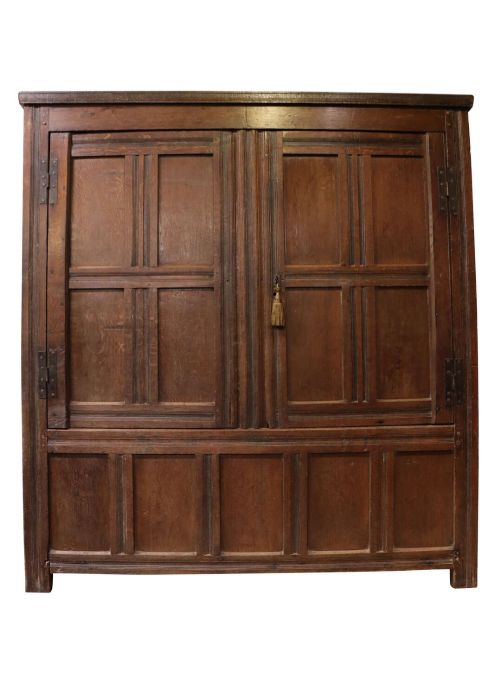
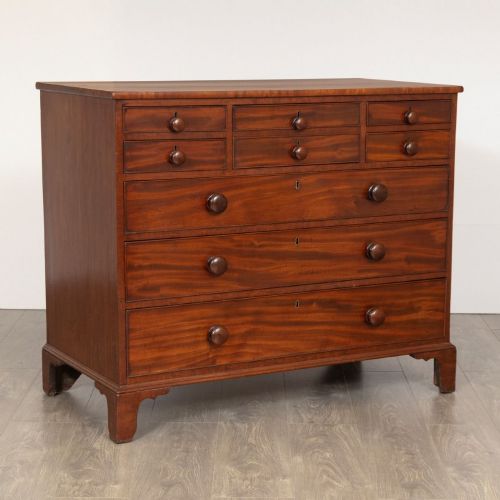
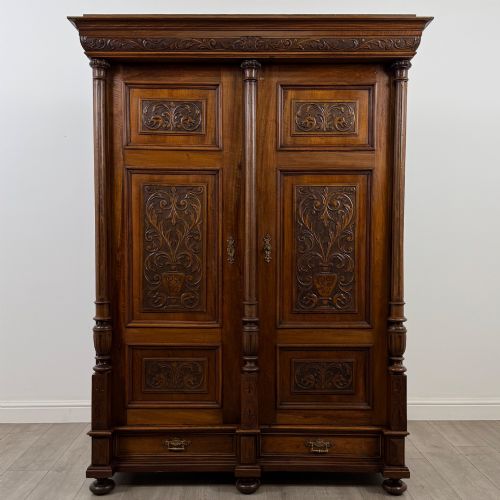
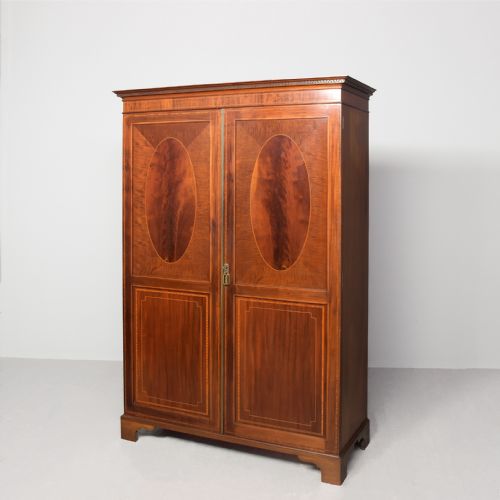
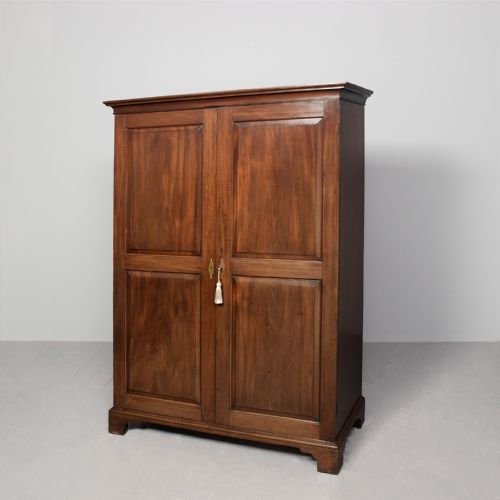
A traditional clothes cabinet encompasses robust storage forms including linen presses, armoires, wardrobes, and tall cupboards designed for domestic organisation. These pieces frequently appear in timber structures spanning the eighteenth, nineteenth, and early twentieth centuries, reflecting diverse regional cabinetmaking traditions.
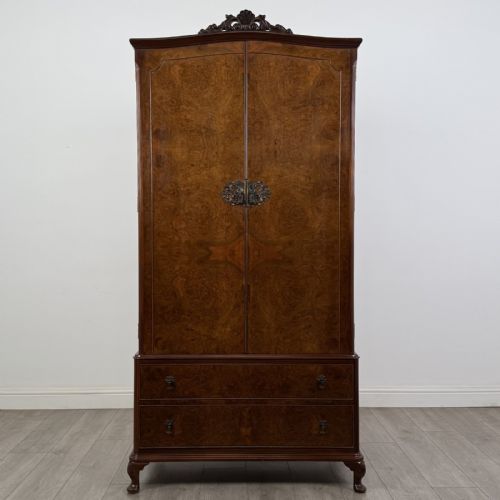
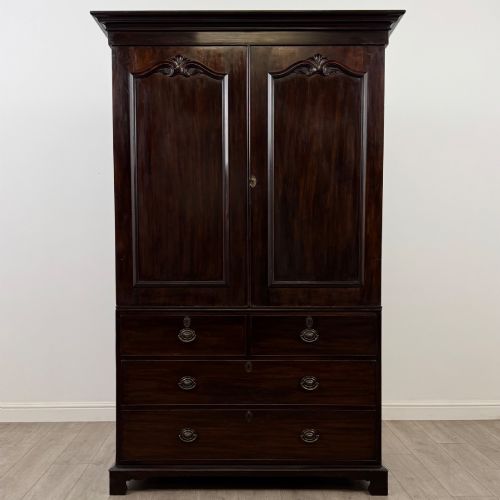
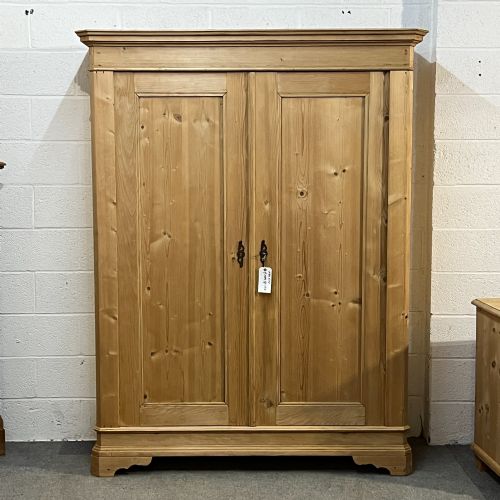
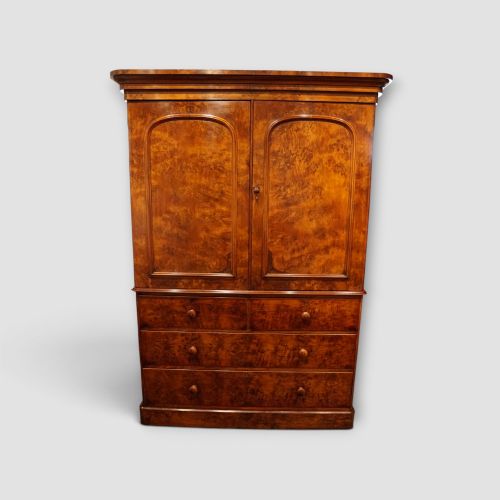
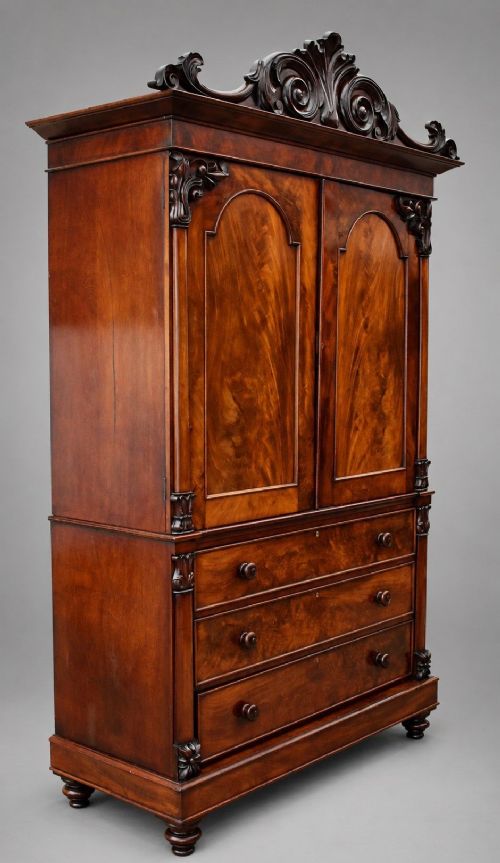
The version most commonly met on this page is the mahogany or oak linen press, typically featuring upper cupboard doors above a chest of lower drawers. Alongside these British pieces, buyers encounter pine wardrobes from France, cedar and elm tansu chests from Japan, and walnut storage cabinets.
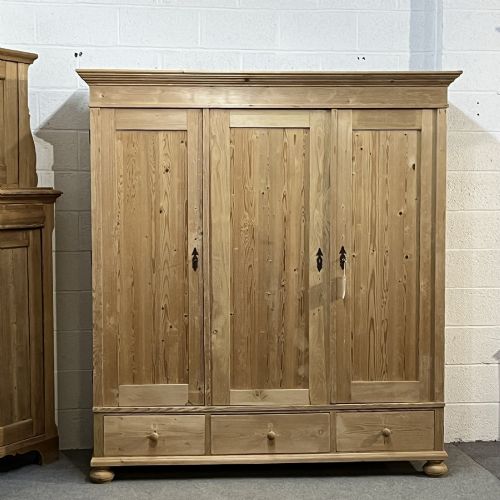
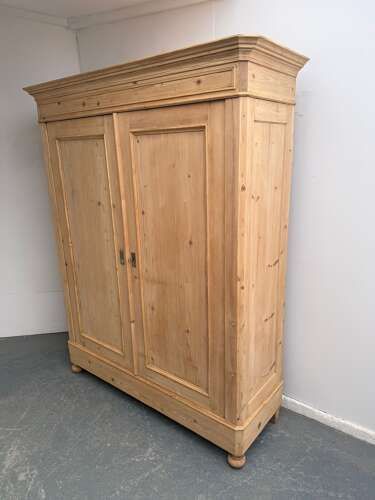
Makers utilised native and imported hardwoods to build furniture meant to last generations, adapting internal compartments for linen storage, folded garments, and hanging attire. The variety includes Georgian, Regency, and Victorian iterations, alongside vernacular pine and country styles.
What varies in quality
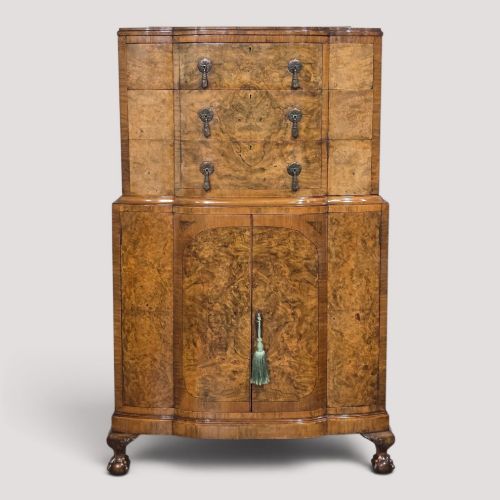
Quality in a traditional clothes cabinet rests upon timber selection and the integrity of the cabinetmaker's joinery. Superior examples display carefully matched wood grains, such as figured walnut or flame mahogany veneers, combined with robust internal framing and thick panel construction.
Proportion and execution define the upper tier of these pieces, where carved details, brass hardware, and secondary woods like oak or pine remain consistent throughout the structure. Lesser examples show simpler construction methods or heavy restoration that alters the original proportions of the press or wardrobe.
Traditional Clothes Cabinet Retail Price Guide 2026
Typical asking prices for traditional clothes cabinet among the pieces listed under this phrase on Sellingantiques today, from the lower quarter to the upper quarter. They describe what is for sale here now, not the wider market.
Listings feature eighteenth-century oak pieces alongside nineteenth-century mahogany linen presses, French pine armoires, and Japanese cedar tansu chests.
The Traditional Clothes Cabinet Glossary
- Linen press
- A tall storage cabinet featuring upper cupboard doors that enclose sliding trays or shelves, positioned above a chest of drawers. This form originated for storing household textiles flat before hanging wardrobes became standard.
- Armoire
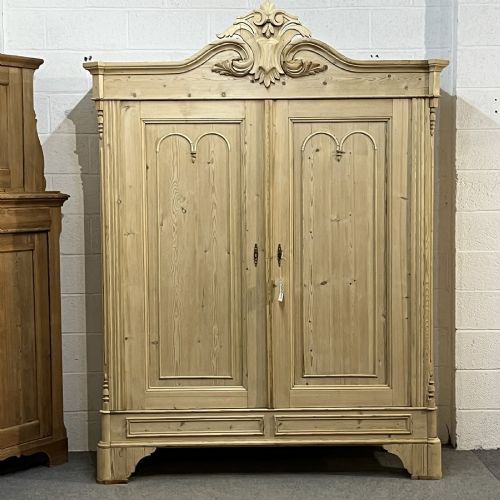
- A large freestanding wardrobe or cupboard of continental European origin, usually fitted with doors enclosing hanging space or shelves. These pieces frequently exhibit regional carved details and substantial proportions.
- Tansu
- A traditional Japanese mobile storage chest constructed from woods such as cedar or elm, incorporating iron or brass hardware. These cabinets served diverse domestic functions including clothing and document storage.
- Veneer
- A thin slice of figured wood applied over a secondary timber base to create decorative exterior surfaces. Cabinetmakers utilised burr walnut and flame mahogany veneers on prominent doors and drawer fronts.
- Panelling
- Timber construction method utilising framed vertical stiles and horizontal rails enclosing flat or raised panels. This technique accommodates wood shrinkage and prevents warping in large cabinet doors.
Traditional Clothes Cabinet: Frequently Asked Questions
What is a linen press?
A linen press is a traditional storage cabinet that combines upper doors enclosing sliding shelves with a base of lower drawers.
Originally designed for keeping household linens flat, many examples are adapted for modern hanging storage.
Where were these cabinets made?
These storage pieces originate from British workshops, French provincial centres, Dutch makers, and Japanese regional craft traditions.
Each region employed distinct native timbers and construction characteristics.
Are shelves adjustable?
Most traditional presses and wardrobes feature fixed internal shelving or sliding linen trays rather than modern adjustable tracks.
Some period pieces have undergone conversion by past owners to incorporate hanging rails.