




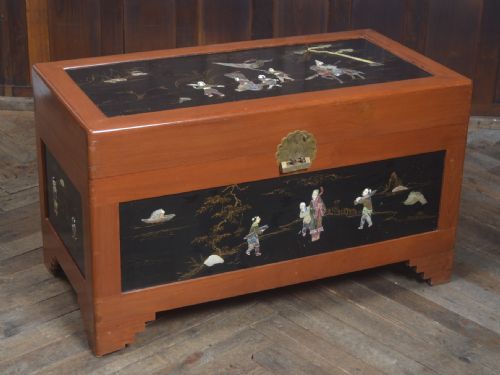
Traditional Chinese Trunk
These traditional Chinese trunks are sturdy storage boxes spanning centuries of craftsmanship, prized by collectors for their aromatic woods and striking surface decoration.
Traditional Chinese Trunk
When you search for a traditional Chinese trunk, you encounter robust storage pieces created for domestic use, travel, and export across multiple eras. These items function primarily as blanket boxes, storage chests, and travelling cases.
The pieces on this page represent a diverse chronological span, ranging from eighteenth-century items through Victorian and nineteenth-century examples into the early twentieth century. You will frequently find camphor wood and lacquered surfaces among the current selection.
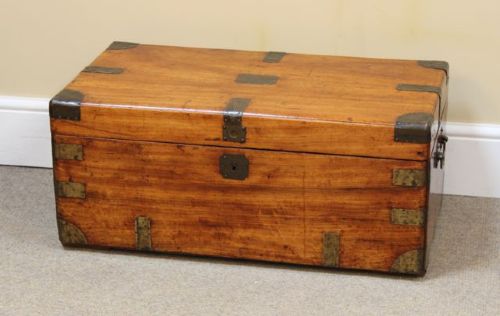
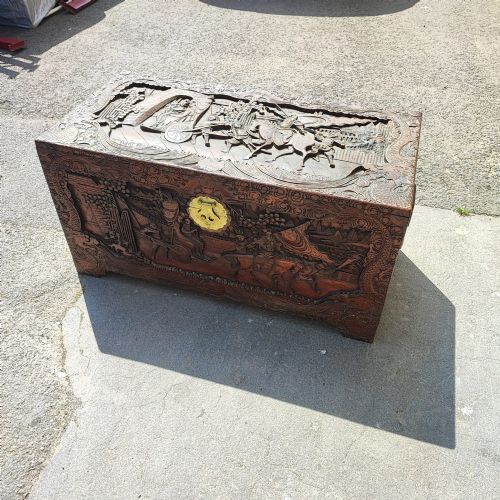
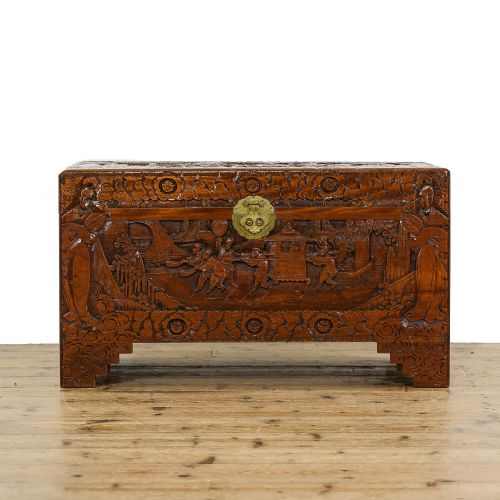
Forms vary from large storage chests and coffers to smaller travelling boxes and jewellery cases. Many pieces incorporate brass mounts and detailed carvings that reflect traditional Chinese and export aesthetics.
How they were made
Carpenters utilised native timbers such as camphor wood, elm, and dense hongmu to construct these sturdy storage vessels. Camphor wood was particularly favoured for blanket boxes due to its natural aromatic qualities which deter insects.
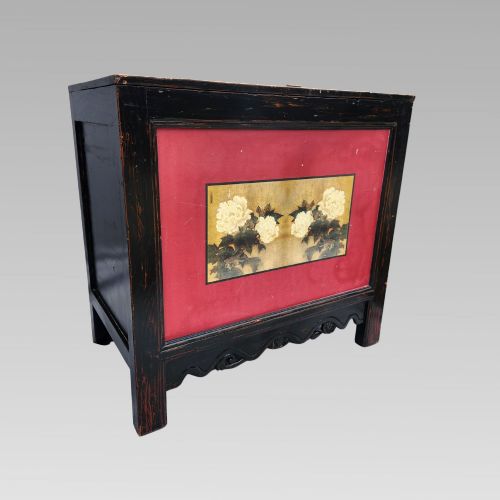
Surface decoration involved intricate carving into the timber, alongside the application of black lacquer, pigment, and Chinoiserie floral motifs. Metalwork components, specifically brass and iron hinges, corners, and locks, provided structural reinforcement and secure closure for travelling cases.
Traditional Chinese Trunk Retail Price Guide 2026
Typical asking prices for traditional chinese trunk among the pieces listed under this phrase on Sellingantiques today, from the lower quarter to the upper quarter. They describe what is for sale here now, not the wider market.
The listings here span three centuries of production, with nineteenth-century examples forming the majority of the available camphor wood storage chests.
What varies in quality
The depth and crispness of the wood carving distinguish superior examples from plain utility boxes. Richly carved surfaces demonstrate a higher degree of artisan skill than sparse or mechanical incisions.
Materials and hardware also define the tier of a piece, with dense hardwoods like hongmu and substantial brass campaign mounts indicating superior original status compared to simpler pine or secondary woods.
The Traditional Chinese Trunk Glossary
- Camphor wood
- An aromatic timber native to Asia, traditionally utilised for storage chests because its natural scent protects textiles from moths. It remains stable and seasons well over centuries.
- Lacquer
- A durable resin finish applied in multiple layers to wood surfaces, often forming a smooth black ground for painted Chinoiserie decoration.
- Campaign case
- Portable furniture fitted with brass carrying handles and reinforced corners, designed for easy transport by travellers and military officers during the Victorian era and earlier.
- Hongmu
- A dense, heavy Chinese hardwood prized for fine furniture and travelling boxes, known for its deep colour and durability.
- Chinoiserie
- European interpretation and imitation of Chinese artistic traditions, frequently seen on lacquered storage chests and decorative panels.
Traditional Chinese Trunk: Frequently Asked Questions
What were traditional Chinese trunks used for?
These pieces served multiple domestic and transport purposes, primarily holding garments, blankets, and precious textiles. Smaller variants functioned as travelling boxes and jewellery cases for personal possessions.
The aromatic properties of camphor wood made these chests ideal for keeping woollens and linens safe from pests during long storage periods or journeys.
How do I date a traditional Chinese trunk?
Dating relies on examining the timber species, construction joints, metal mounts, and surface finishes present on the piece. Eighteenth and nineteenth-century examples often display hand-forged hardware and deeply carved motifs.
Later pieces from the early twentieth century frequently feature machine-sawn elements and distinct lacquer formulations that reflect the manufacturing standards of their specific decade.
How do I care for a camphor wood chest?
Keep the wood away from direct heat sources and sudden temperature fluctuations to prevent the timber from splitting. Dust the carved surfaces gently with a dry, soft cloth.
Avoid applying modern furniture polishes to antique lacquer or dry camphor wood, as these can damage the original finish or seal the natural pores of the timber.
What is a campaign style trunk?
Campaign style trunks feature recessed brass handles, reinforced corners, and robust construction designed to withstand frequent travel. These elements allowed the boxes to be stacked and moved easily.
Originating from the need for portable military and merchant furniture, they combine practical durability with refined decorative hardware.