






Traditional Chinese Table Lamp
These traditional chinese table lamp examples bring centuries of ceramic and metal craftsmanship into domestic spaces as functional lighting.
Traditional Chinese Table Lamp
A traditional chinese table lamp typically begins life as a vessel before later conversion into lighting. Buyers encounter ceramic bodies drawn from nineteenth-century production alongside Edwardian adaptations.
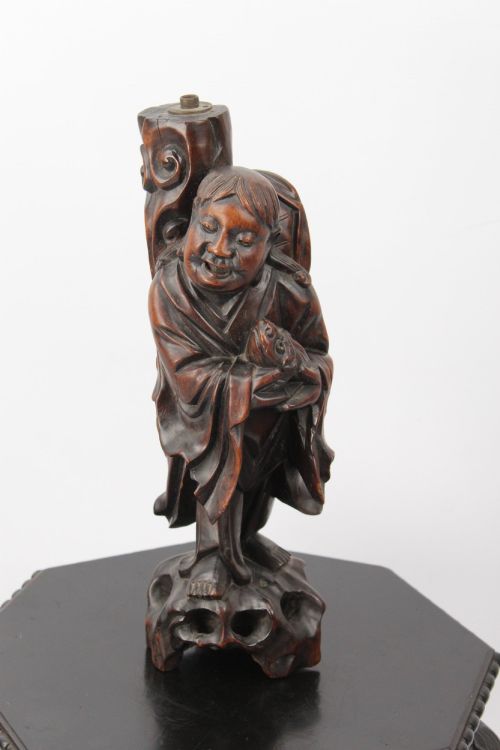
The material vocabulary centres on blue and white porcelain, cloisonné enamel, and carved hardwoods. Many pieces combine structural elm or mahogany bases with imported ceramic containers.
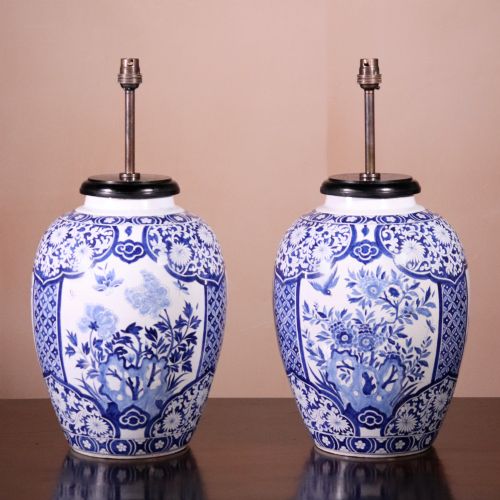
Forms span baluster vases, ginger jars, and twin-handled vessel bases. These items reflect export trades and domestic provincial work from the nineteenth and early twentieth centuries.
Materials and construction methods
Ceramic bodies utilise traditional throwing and moulding techniques before hand-painting in cobalt underglazes or enamel palettes such as Famille Rose and Famille Verte. Crackleware finishes result from intentional cooling variations in the kiln.
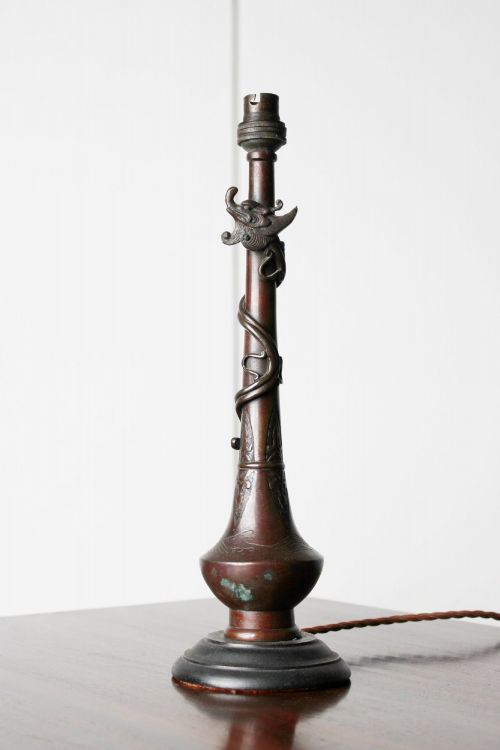
Metal components involve bronze casting and detailed cloisonné wirework filled with vibrant enamels. Hardwood elements rely on traditional joinery using dense timbers like elm and mahogany.
Lighting conversions integrate contemporary wiring into historic vessels. Fabric and silk shades often complement the antique bases.
Listings feature ceramics spanning the nineteenth century alongside Edwardian brass and cloisonne examples.
Distinguishing quality across examples
The refinement of the hand-painted decoration determines the visual success of the ceramic body. Crisp cobalt lines and balanced enamel compositions separate superior vessels from simpler provincial output.
The integrity of the structural base and metal fittings governs overall durability. Finely carved hardwood stands and secure bronze mounts show greater longevity than makeshift conversions.
The harmony between the original vase and the chosen shade shapes the finished appearance. Proportional balance remains essential for successful integration into a room.
The Traditional Chinese Table Lamp Glossary
- Cloisonné
- Enamelwork created by soldering metal wires to a metal base to form compartments filled with paste and fired. This technique produces intricate patterns with distinct metallic outlines.
- Famille Rose
- A palette of opaque enamels dominated by pink or rose colours introduced during the Qing dynasty. Artisans used these tones for detailed floral and figural scenes.
- Famille Verte
- A translucent green-dominant enamel palette utilised on Qing dynasty porcelain. This style often incorporates vibrant reds, blues, and yellows.
- Celadon
- A pale green glaze resembling jade applied to high-fired porcelain. The subtle coloration derives from iron oxide in the glaze reacting during reduction firing.
- Ginger jar
- A broad-shouldered storage jar originating in China, frequently adapted into a lamp base. These vessels often feature blue and white decoration.
Traditional Chinese Table Lamp: Frequently Asked Questions
Are these lamps converted from old vases?
Many examples began as nineteenth-century porcelain vases, ginger jars, or bronze vessels before receiving electrical wiring. The conversion process preserves the historic ceramic or metal body while updating utility for modern rooms.
Buyers should examine how the wiring enters the vessel and whether the original form sustains any alterations.
How do I identify Qing dynasty styles?
Stylistic markers include traditional motifs, characteristic enamel palettes like Famille Rose, and cobalt blue underglazes. These visual elements follow historic decorative traditions developed across various imperial and provincial kilns.
Examining the glaze texture and crackleware patterns also helps distinguish specific periods.
What woods appear in these stands?
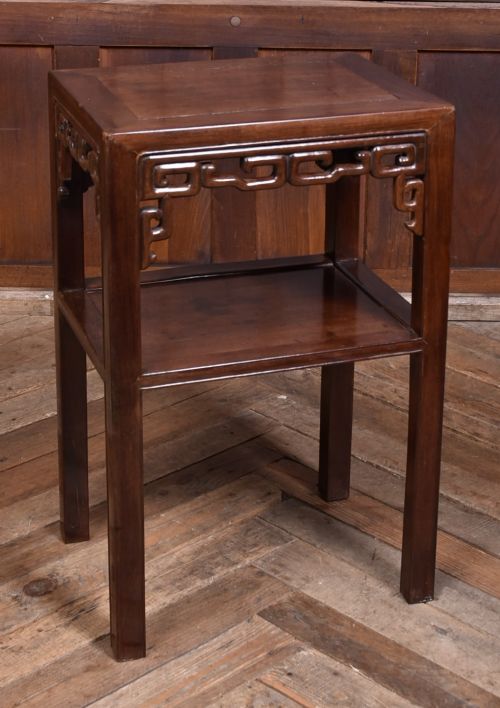
Makers utilised dense regional timbers such as elm, mahogany, and various Oriental hardwoods for lamp stands and associated tables. These woods provided the structural stability required to support heavy ceramic bases.
Surface patination develops naturally over decades through handling and exposure.
How should I style these lamps?
These lamps function effectively on side tables, occasional tables, or writing desks within diverse interior schemes. Their scale and colour add focal points to dark wood furniture or neutral walls.
Pairing them with appropriate silk or fabric shades ensures the illumination flatters the historic body.