

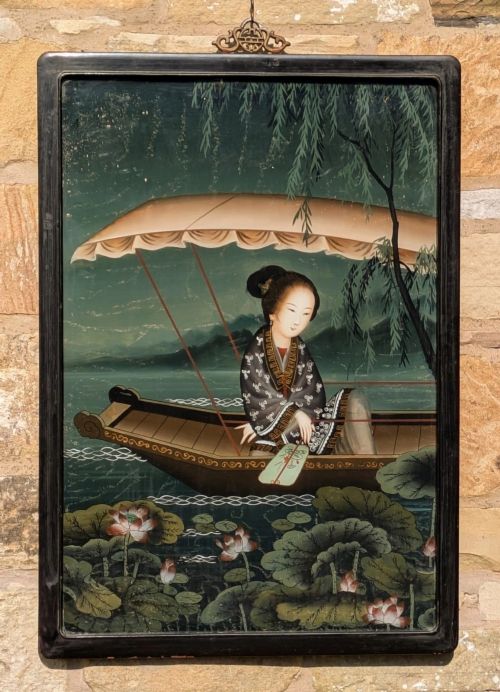


Traditional Chinese Painting Framed
Traditional chinese painting framed pieces combine delicate brushwork and rich pigments, offering a window into centuries of eastern artistry.
Traditional Chinese Painting Framed
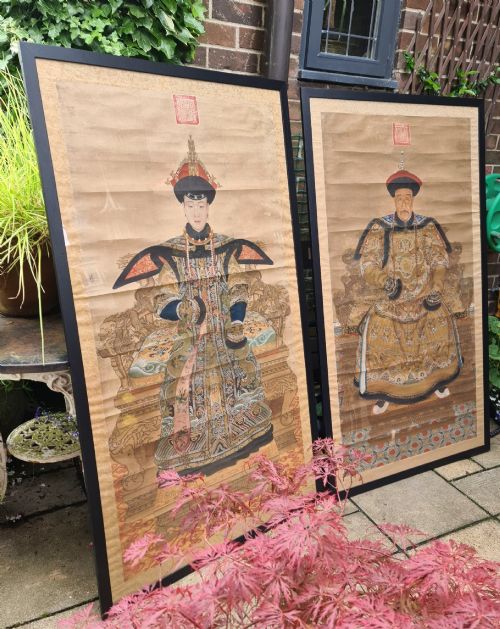
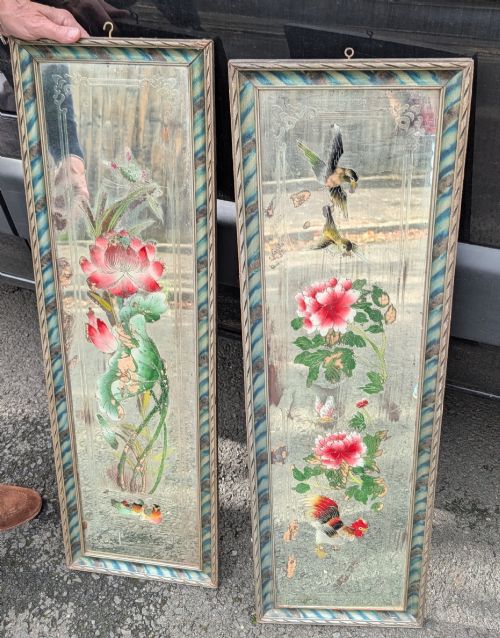
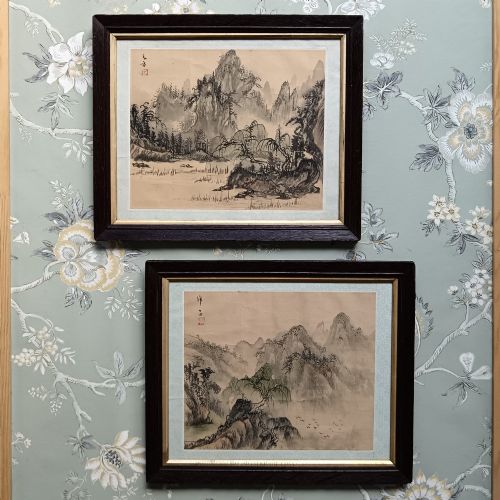
Traditional chinese painting framed works span from the nineteenth century through the mid twentieth century, encompassing ancestor portraits, landscape scrolls, and reverse glass paintings.
Buyers encountering this selection will discover wall art and framed artwork created using ink and pigment upon silk or paper.
The objects originate from various periods including the nineteenth century, nineteen hundred, and nineteen sixty, featuring styles such as qing dynasty and traditional chinese.
Methods and materials
Artisans applied ink and pigment directly onto surfaces of silk, paper, or glass, often incorporating hand-brushed details and artist stamps.
Framing frequently utilised timber wood, accompanied by protective glass and occasionally brass hanging fixtures.
Traditional Chinese Painting Framed Retail Price Guide 2026
Typical asking prices for traditional chinese painting framed among the pieces listed under this phrase on Sellingantiques today, from the lower quarter to the upper quarter. They describe what is for sale here now, not the wider market.
Materials across these listings include silk, paper, ink, pigment, glass, and wood.
Judging the work
Quality rests upon the precision of the brushwork and the vibrancy of the pigments utilised across silk or paper.
Condition of the original frames and the preservation of delicate painted surfaces distinguish finer examples.
The Traditional Chinese Painting Framed Glossary
- Silk
- A natural protein fibre used as a fine canvas for traditional painting. It provides a smooth, lustrous ground that absorbs ink delicately.
- Reverse glass painting
- An artistic technique where the image is painted directly onto the back of a glass panel. When viewed from the front, the colours appear with great clarity.
- Ancestor portrait
- A formal painting depicting family forebears, traditionally created for veneration. These works display meticulous detail in costume and expression.
- Scroll
- A length of silk or paper mounted for hanging or rolling. Traditional formats often feature landscapes or narrative scenes.
- Pigment
- Natural colouring matter finely ground and mixed with a binder for painting. These substances create the enduring hues found on antique works.
Traditional Chinese Painting Framed: Frequently Asked Questions
How are these paintings framed?
Many pieces retain their original wooden frames, sometimes paired with protective glass layers.
These housings range from simple moulded timber to ornate structures designed to complement the artwork within.
What subjects do they show?
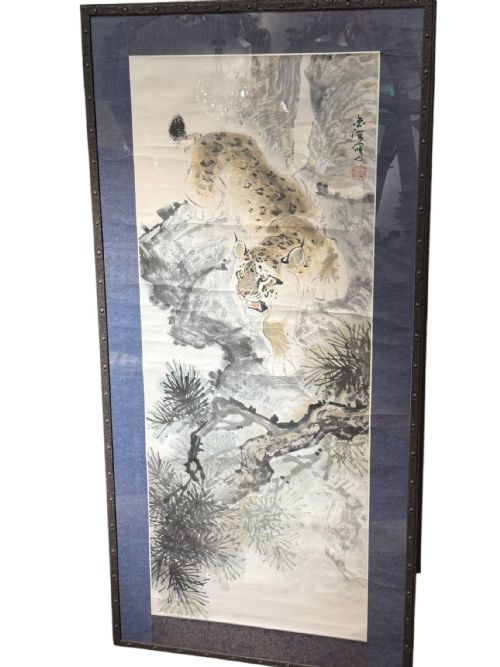
The subjects include formal ancestor portraits, landscape scenes, and detailed studies of wildlife such as birds and snow leopards.
Floral motifs like plum blossoms also appear frequently across silk and paper surfaces.
How do I date these works?
Dating relies upon stylistic markers, material degradation, and framing techniques characteristic of nineteenth and early twentieth century production.
Signatures and collector stamps can also offer chronological clues.
Are glass paintings fragile?
Reverse glass paintings require careful handling because the pigment rests directly upon a fragile transparent pane.
Stable indoor environments help protect both the glass and the underlying colour layers from humidity.
Where should I hang them?
These framed works suit spaces away from direct sunlight to prevent the fading of delicate pigments on silk and paper.
Secure wall fixings are essential given the weight of larger timber frames and glass panels.