


Traditional Chinese Art
Traditional chinese art spans centuries of intricate woodwork, delicate silk paintings and substantial carpets that bring historic craftsmanship into modern spaces.
Traditional Chinese Art
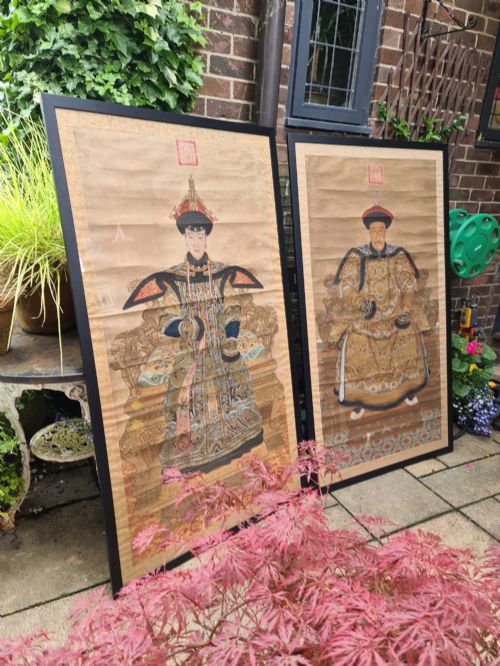
Traditional chinese art encompasses a diverse range of historic pieces, from framed ancestral scrolls and silk paintings to carved wooden panels and jade sculptures. Buyers searching this phrase encounter numerous 19th century works alongside early 20th century carpets and decorative objects.
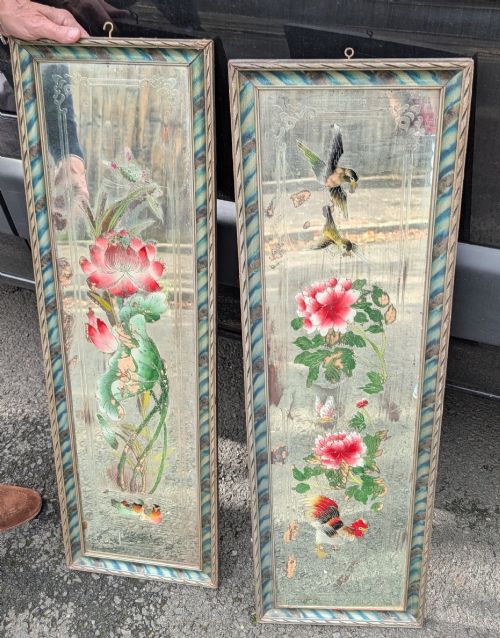
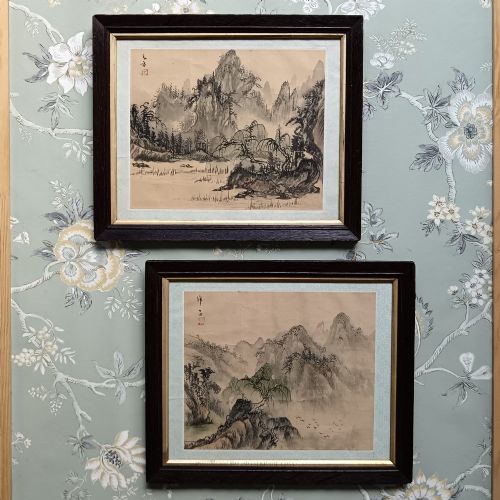
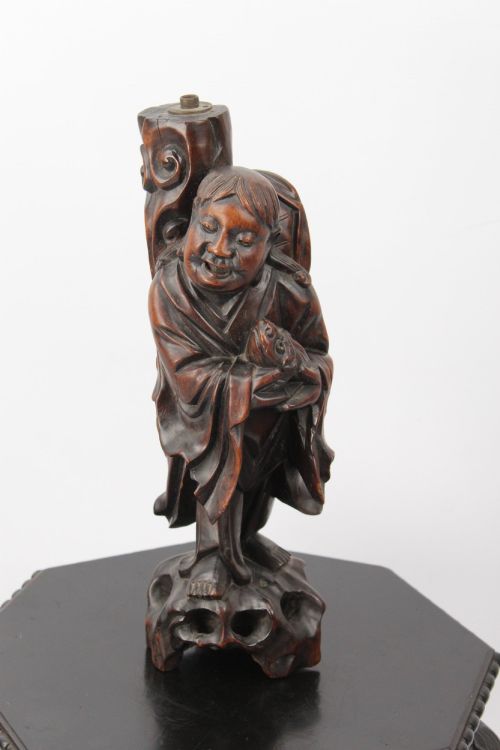
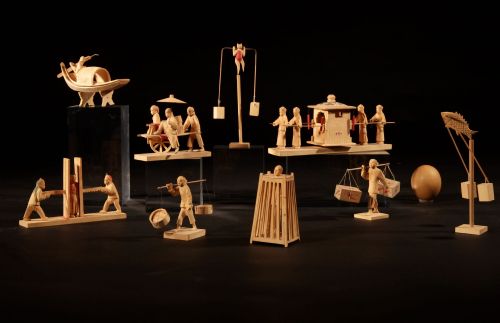
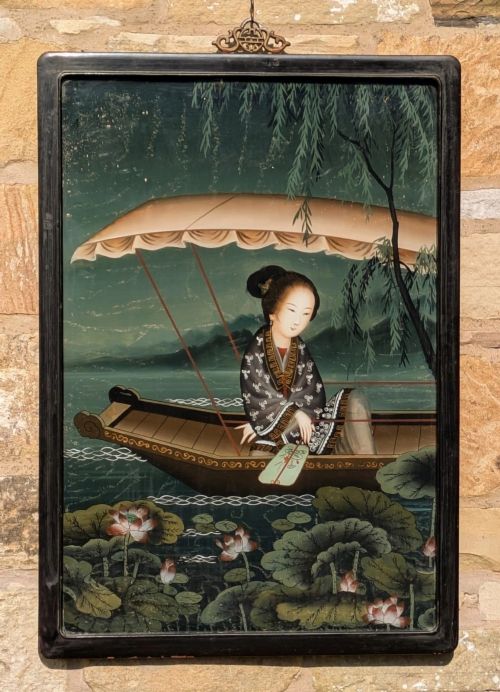
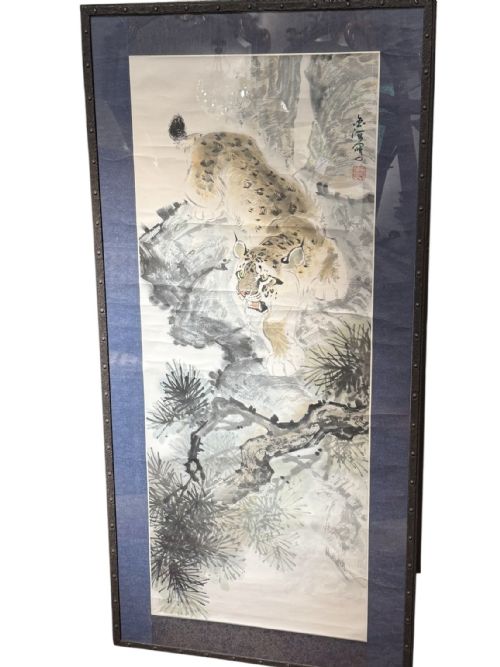
The selection frequently highlights detailed figurative carvings in wood and stone, depicting figures such as Daoist immortals, fishermen and ancestral groups. Wall art, particularly reverse paintings on glass and ink watercolours, forms another prominent category available to collectors.
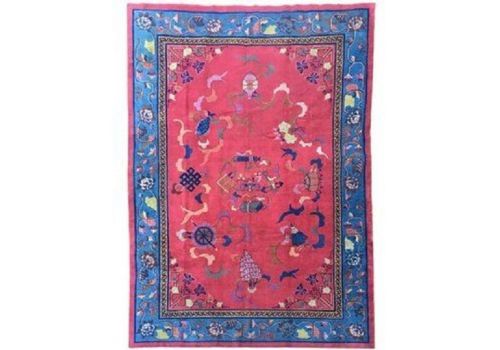
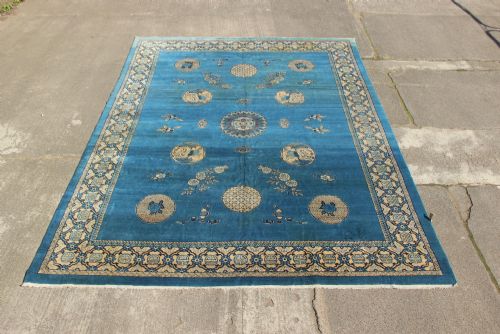
Textiles also feature strongly within traditional chinese art, represented by embroidered robes, wool carpets and silk panels. These pieces reflect the varied aesthetic traditions of the Qing dynasty and subsequent early republican periods.
Materials and construction methods
Makers utilised organic and mineral substances, applying ink, pigment and watercolour onto delicate surfaces of silk, paper and glass. Wood and stone served as the primary media for sculptural works, often shaped into intricate relief panels or freestanding figures.
Weaving techniques employed wool, cotton and silk to produce heavy floor coverings and fine garments. Carvers worked with hardwood, bone and jade, employing hand tools to achieve detailed textures and expressions on figures and architectural models.
A bird cage constructed as a four-storey pagoda proves that exotic housing was once reserved exclusively for fine feathered residents.
Distinctions in quality and execution
The choice of raw material dictates overall caliber, with dense hardwoods, fine-grained jade and unblemished silk elevating the standing of an object. Original frames, signed artist seals and well-maintained textile piles further distinguish higher-tier pieces from standard decorative items.
YA MING
The Traditional Chinese Art Glossary
- Shan Shui
- A style of traditional Chinese painting that depicts natural scenery using brush and ink. These works focus on mountains, rivers and waterfalls rather than realistic topography.
- Guanyin
- A revered Buddhist figure associated with compassion, frequently depicted in carved bone, wood or porcelain sculptures. The iconography often includes lotus flowers and auspicious animals.
- Pao Tao
- A classification of antique Chinese carpets known for dense wool construction and traditional motifs. They originate from the Baotou region and typically display geometric or floral designs.
- Reverse painting on glass
- A technique where artists apply pigment directly to the rear side of a glass panel to be viewed from the front. This method requires painting details in reverse order, starting with foreground elements.
- Ancestral scroll
- A hanging portrait commissioned to honour family forebears, often displayed during rituals. These paintings record official dress, rank badges and formal ancestral poses.
Traditional Chinese Art: Frequently Asked Questions
How do I care for silk paintings?
Keep silk paintings away from direct sunlight to prevent the pigments and fabric from fading. Display them in rooms with stable humidity levels to protect the organic fibres.
Mount them behind conservation-grade glass if framing is necessary, ensuring the textile does not touch the glass surface directly.
What is a reverse glass painting?
A reverse glass painting is an artwork created by applying pigment directly onto the back of a glass sheet. The finished image is then viewed through the smooth front side.
This technique produces a glossy finish and requires the artist to paint fine details and foregrounds before background layers.
How should I display antique wood carvings?
Place wood carvings on stable surfaces away from direct heat sources such as radiators and fireplaces. Excessive temperature shifts can cause the wood to dry out and split.
Dust the carvings gently with a soft, dry brush and avoid applying liquid polishes that might alter the historic surface patina.
Are antique carpets durable enough for daily use?
Antique wool carpets can handle moderate foot traffic when placed over a quality underlay to cushion the fibres. Regular gentle vacuuming without a rotating brush roll helps remove embedded dirt.
Rotate the carpet periodically to ensure even wear across the woven pile and to balance exposure to light.