


Traditional Child Seat
A traditional child seat connects domestic history with miniature scale, offering diminutive forms from the Georgian, Victorian, and later periods designed for young members of the household.
Traditional Child Seat
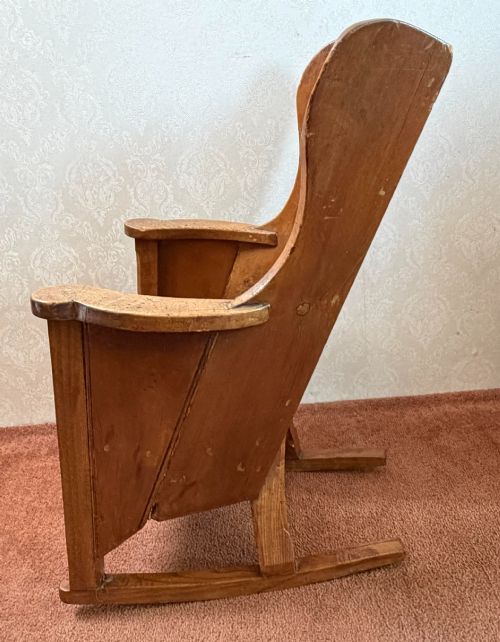
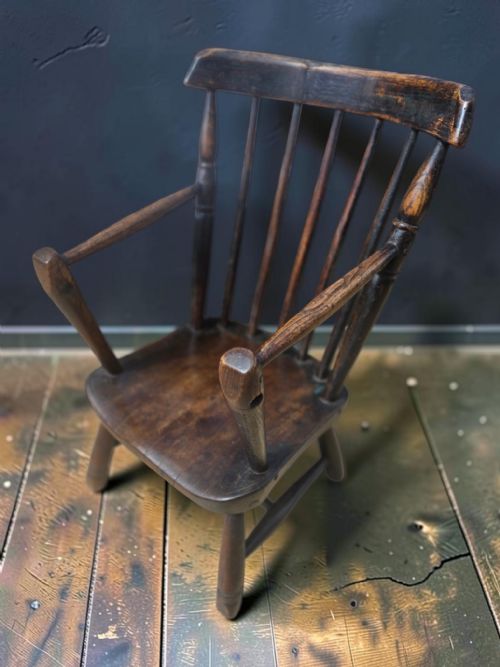
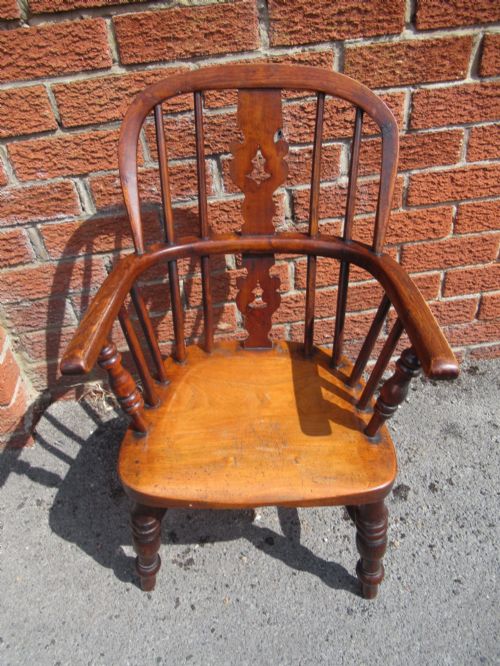
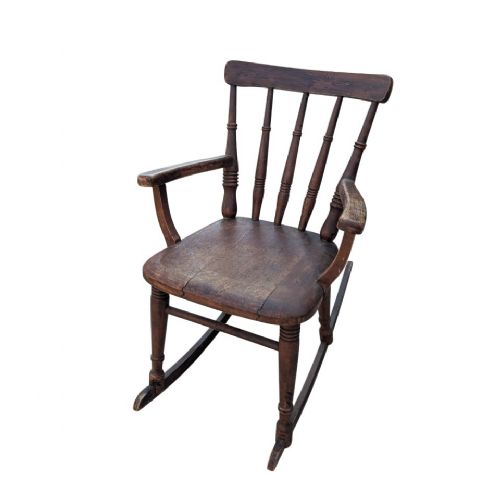
A traditional child seat comprises miniature domestic furniture tailored for children, spanning armchairs, rocking chairs, high chairs, commode chairs, and settles found across the eighteenth and nineteenth centuries.
The versions most frequently met on this page include Windsor armchairs, ladderback high chairs, and rocking chairs originating from English country workshops or regional vernacular traditions.
These pieces replicate adult forms of their respective eras, utilising sturdy construction to accommodate everyday domestic use by children in domestic interiors.
How they were made
Craftsmen utilised native timbers such as elm, ash, yew, oak, and mahogany, often combining woods within a single piece for structural strength and contrasting grain.
Joinery methods varied from traditional stickback and Windsor construction with turned spindles to ladderbacks fitted with rush or caned seats.
Specialised examples incorporated folding mechanisms, bobbin turning, or bergere panels, reflecting the technical repertoire of regional vernacular cabinet makers.
Listings feature periods spanning from Georgian and Regency eras through the Victorian age into the 1930s, constructed in elm, ash, yew, oak, and mahogany.
What varies in quality
Quality rests upon the choice of timber and the fidelity of the miniature scale, where superior examples display carefully selected yew or elm with balanced proportions rather than crude adaptation.
The integrity of the original construction, including the tightness of spindle joints and the preservation of woven rush or cane, distinguishes high-grade vernacular pieces from heavily restored specimens.
The Traditional Child Seat Glossary
- Windsor chair
- A chair built with a solid wooden seat into which the legs and back spindles are separately inserted. This style appears frequently in regional timber forms.
- High chair
- An elevated seat raised on long legs or a frame to allow a child to reach table height. These often feature footrests and protective front barriers.
- Vernacular
- Furniture made by local craftsmen using regional traditions and native materials rather than adhering to high court or metropolitan style guides.
- Commode chair
- A seat enclosing a chamber pot or potty beneath a pierced wooden board or liftable lid. These served practical nursery functions in Georgian and Victorian households.
- Stickback
- A chair back formed of simple turned or cleft rods tenoned directly into the seat. This method provided lightweight strength for country seating.
Traditional Child Seat: Frequently Asked Questions
How were traditional child seats used?
These seats served everyday domestic purposes in nurseries and parlours, ranging from feeding infants in high chairs to keeping toddlers safe in rocking or potty chairs.
Many pieces adapted adult seating types to miniature proportions so children could sit securely alongside family members during meals and daily routines.
What woods are most common?
Elm, ash, and yew appear frequently in country vernacular pieces, chosen for their toughness and flexible working properties.
Mahogany and oak emerge more often in formal Victorian and Georgian town pieces, reflecting the prevailing tastes of urban cabinet makers.
How do I date a child seat?
Dating relies on examining the turning style of the legs, construction methods, and timber patination against known periods like the Georgian era or the nineteenth century.
Tool marks and assembly techniques often reveal whether a piece belongs to an early country tradition or later industrial revival periods.
Are these chairs safe for children?
While historic child seats retain their structural integrity, they are primarily collected as antiques and display objects rather than for modern nursery use.
Their historical joinery and antique finishes require careful handling and preservation rather than robust contemporary deployment.