

Traditional Ceiling Pendant
A traditional ceiling pendant illuminates a room from above, bringing period character and warm illumination through brass, bronze, and glass fittings.
Traditional Ceiling Pendant
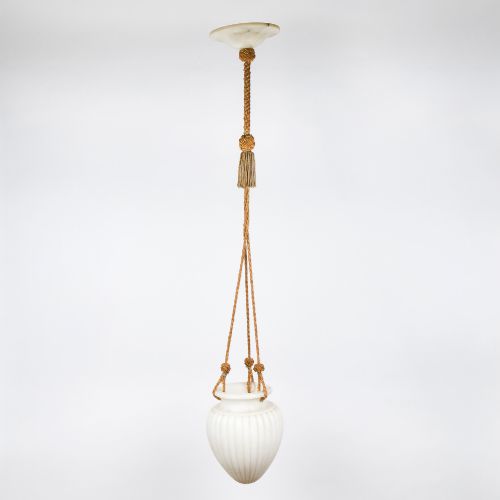
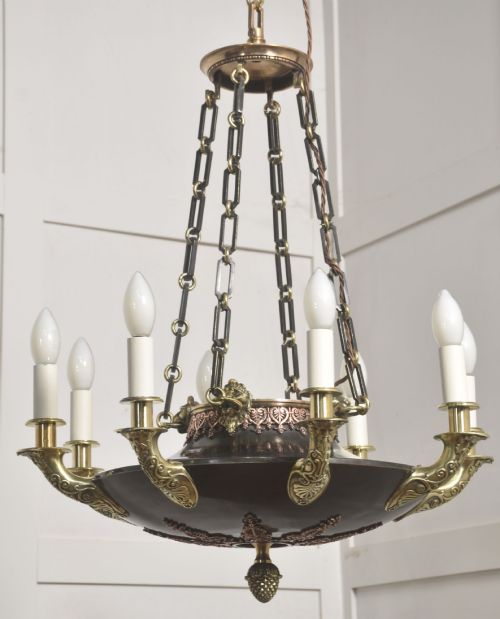
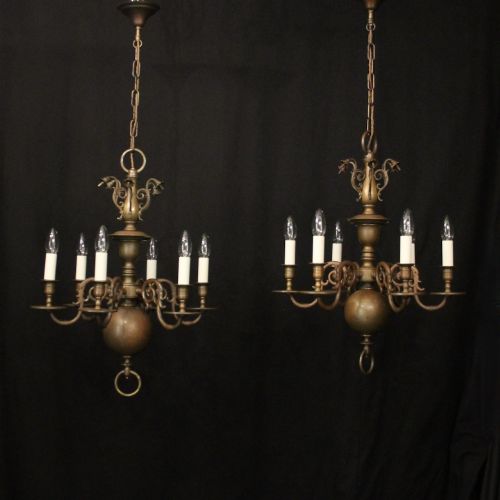
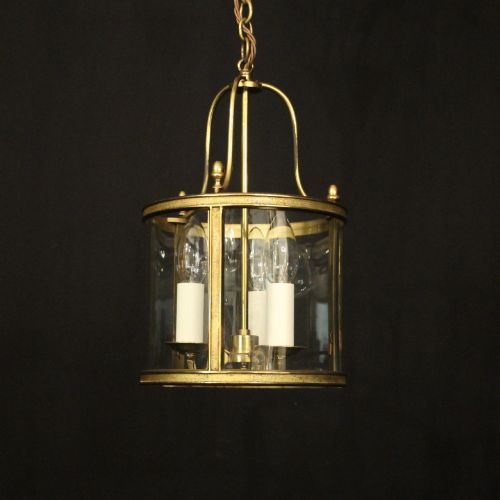
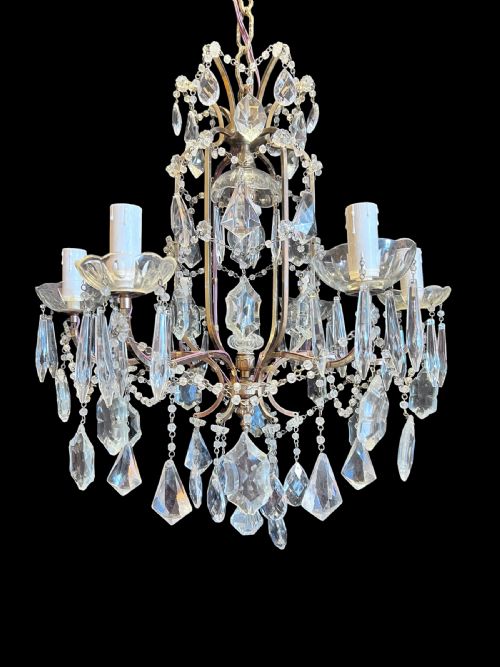
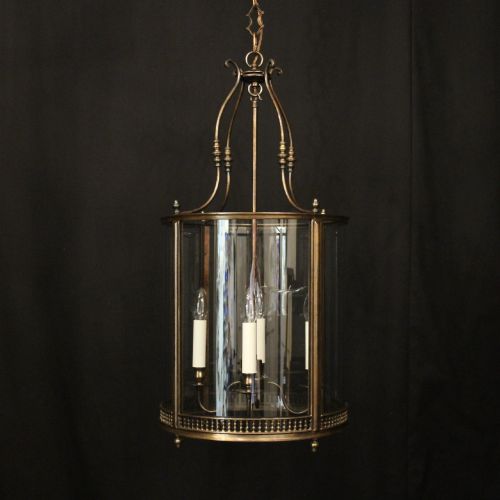
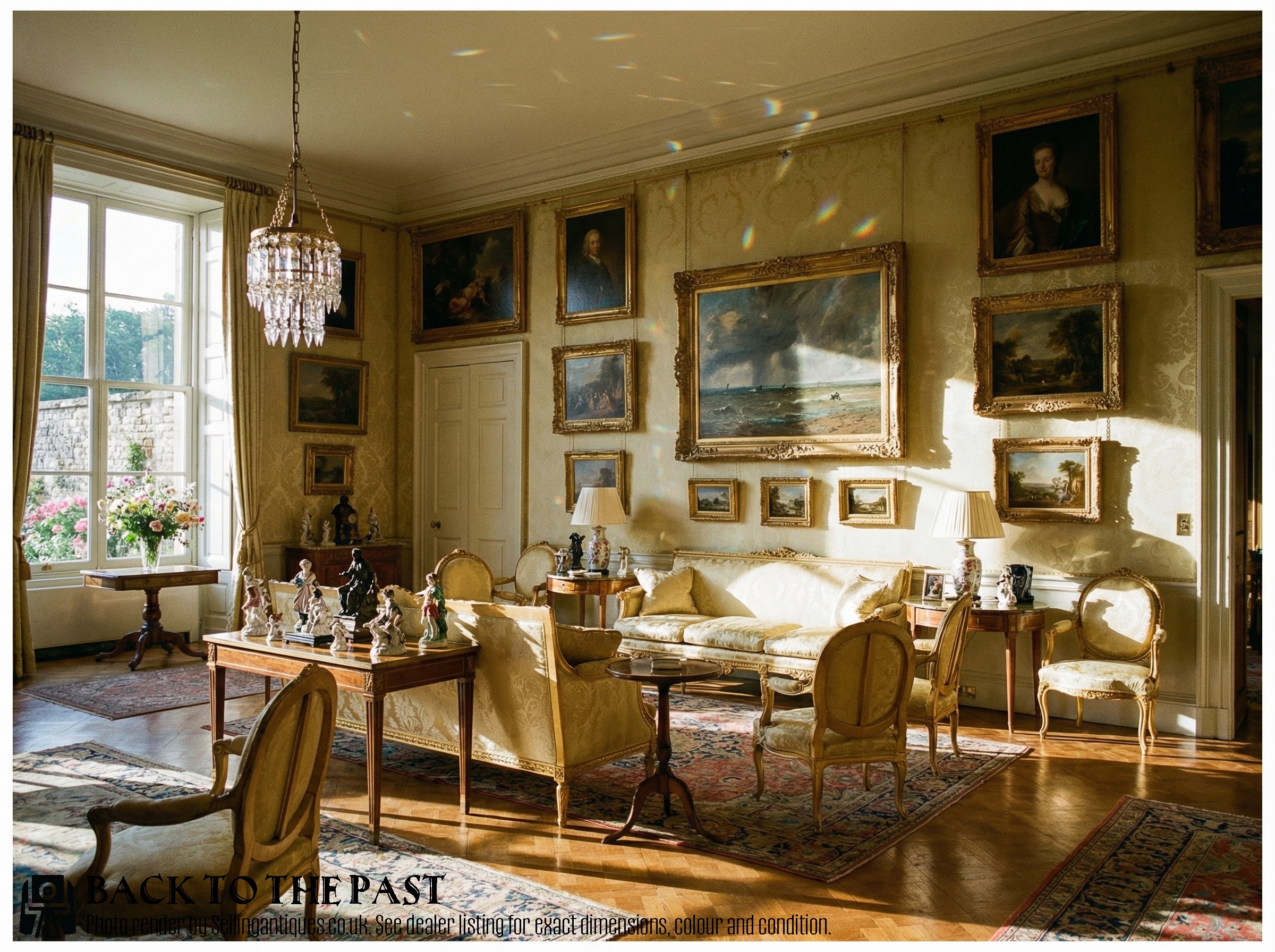
A traditional ceiling pendant encompasses multi-light chandeliers, hall lanterns, and hanging plafonniers designed to suspend centrally from a room's ceiling. These fixtures trace their lineage across the nineteenth and early twentieth centuries, drawing on Edwardian, Victorian, and various revivalist design languages.
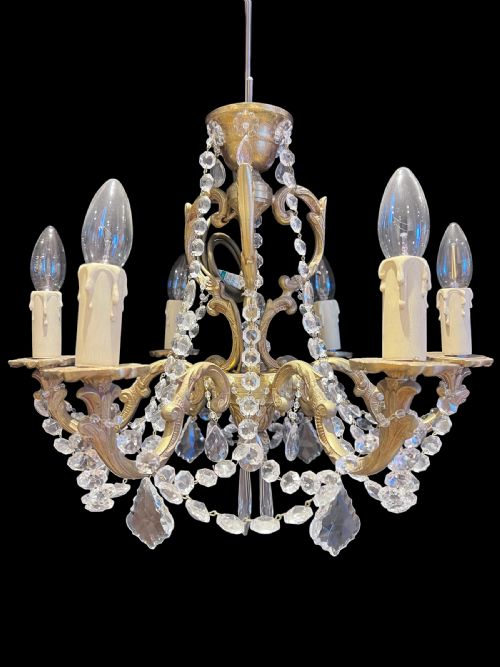
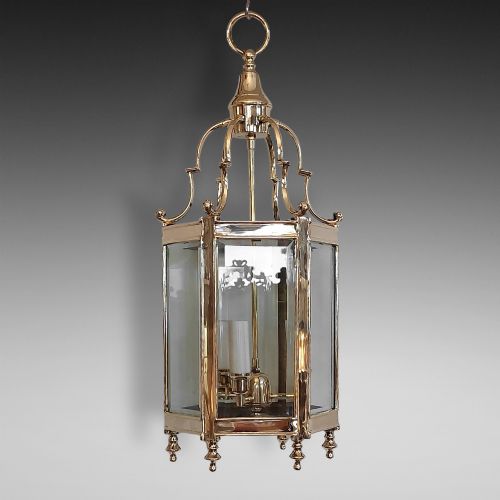
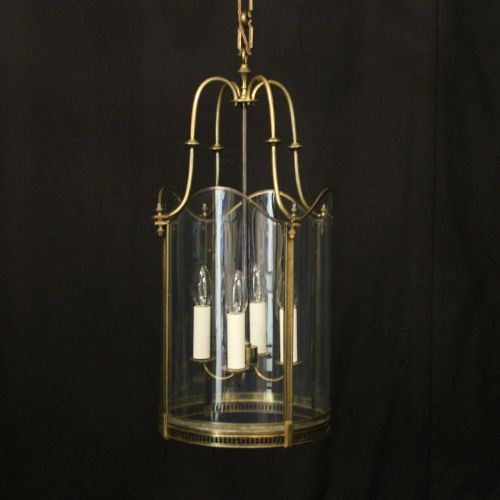
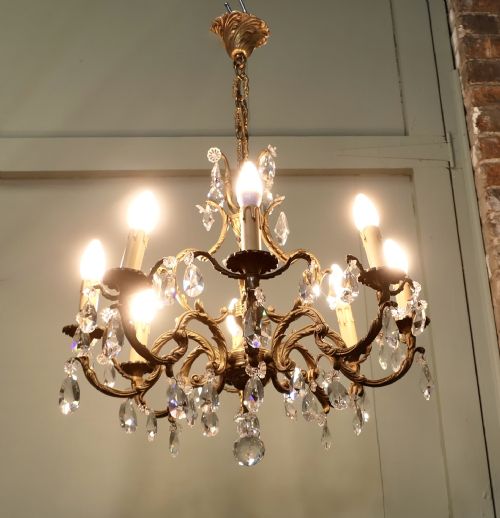
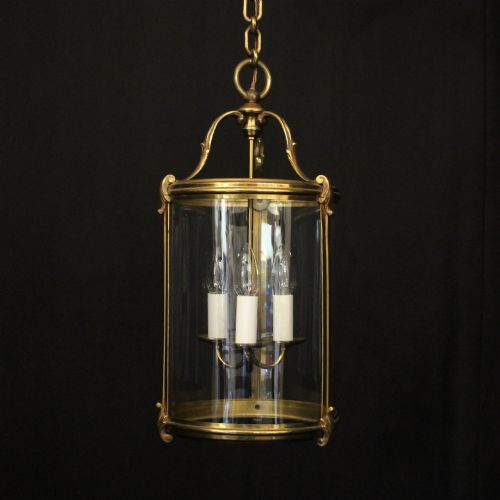
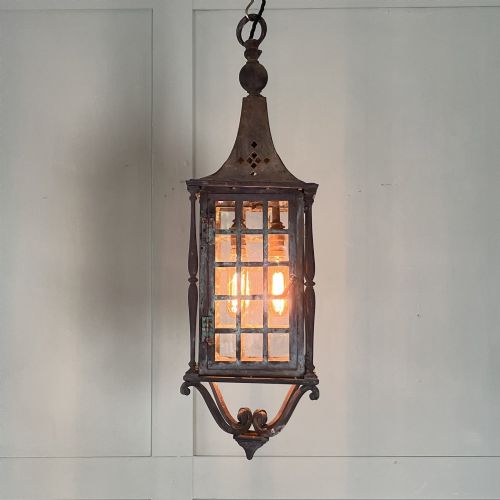
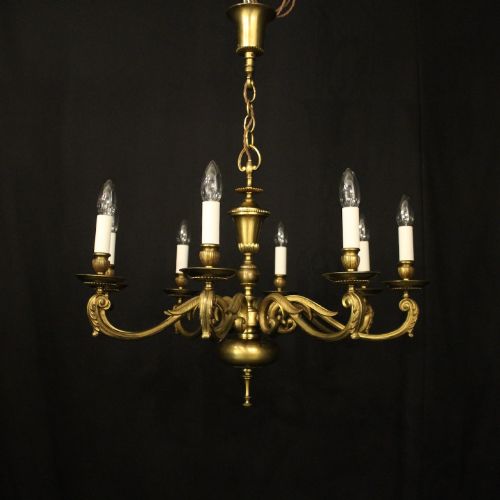
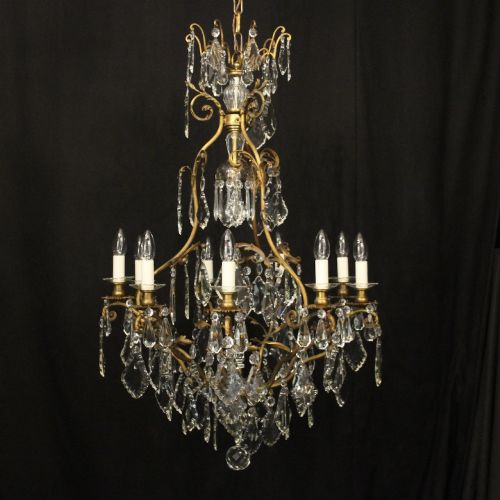
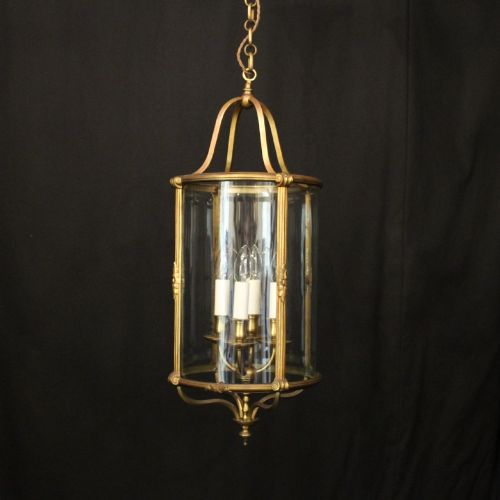
The selections appearing most frequently take the form of French and English brass or gilt bronze chandeliers hung with crystal lustres, alongside hexagonal or convex hall lanterns. Buyers encounter these pieces distributed across distinct periods including Edwardian, 19th Century, and the early decades of the twentieth century up to 1930.
Materials and Construction
Metalwork forms the structural core of these fittings, utilising cast brass, gilt bronze, copper, and silver gilded brass. Metal frames are cast, chased, and joined to support multiple light branches or enclose glazed lantern chambers.
Glass and crystal components complete the assembly through cut crystal lustres, hand-blown bulls eye glass, moonstone shades, and curved convex panels. These translucent elements disperse illumination and catch the light from internal candle arms or electric bulbs.
Materials recorded across these listings include brass, bronze, copper, crystal, glass, and gilt surfaces.
Quality Variations
The standard of a traditional ceiling pendant rests in the crispness of its metal casting and the depth of its chasing. Finer examples display sharp detail in bronze and brass mounts, whereas lesser pieces show softer definition.
Crystal and glass elements introduce another tier of distinction, where hand-cut lustres and blown glass panes possess greater clarity and weight. The harmony between the metal armature and its suspended glass components dictates the overall presence of the fixture.
The Traditional Ceiling Pendant Glossary
- Chandelier
- A branched hanging light fixture designed to hold multiple lamps or candles. These fixtures suspend from ceilings by a chain or rod.
- Lustre
- A cut crystal pendant drop hung from chandeliers to refract light. They add sparkle and movement to the fixture.
- Hall Lantern
- An enclosed hanging light designed specifically for entryways and corridors. These fixtures typically feature glazed panels set within a metal frame.
- Convex
- Curved outward in the manner of the exterior of a sphere. This lens shape directs and diffuses the light outward.
Traditional Ceiling Pendant: Frequently Asked Questions
How do I hang a heavy chandelier safely?
Suspension requires fixing directly into the ceiling joists or installing a dedicated weight-bearing metal brace above the plaster. The hanging chain connects securely to this structural support rather than relying on the ceiling rose.
Professional electrical installation ensures the wiring matches the weight and electrical draw of the fixture. Adjusting the chain links allows the pendant to hang at the correct height for the room.
Where should a hall lantern be placed?
Hall lanterns suit entrance hallways, vestibules, and stairwells where their enclosed design protects the light source from drafts. Positioning them centrally allows the fixture to distribute light evenly across the circulation space.
Hanging height remains important in corridors to ensure clearance beneath the lowest point of the metal frame. Scale the diameter of the lantern to the proportions of the hallway so the piece commands the space without obstructing passage.
How do I clean crystal lustres properly?
Cleaning crystal requires removing the individual drops from the chandelier frame and washing them in lukewarm water with mild soap. Rinsing them thoroughly prevents residue buildup on the cut facets.
Dry each lustre with a lint-free cloth before reattaching them to the metal pins. Leaving the fixture hung while wiping accessible glass parts maintains the overall sparkle between deeper cleans.
What is the difference between Empire and Edwardian styles?
Empire style fixtures draw on neoclassical military motifs, featuring gilt bronze frames, tent and waterfall crystal configurations, and classical proportions. These designs project formal symmetry and ornate presence.
Edwardian pieces tend toward lighter brass frames, hexagonal lantern shapes, and simpler lines reflecting domestic comfort of the early twentieth century. This later aesthetic prioritizes refined practicality alongside decorative appeal.