

Traditional Ceiling Fitting
A traditional ceiling fitting provides overhead illumination through brass, bronze, crystal, and glass fixtures spanning the nineteenth and twentieth centuries.
Traditional Ceiling Fitting
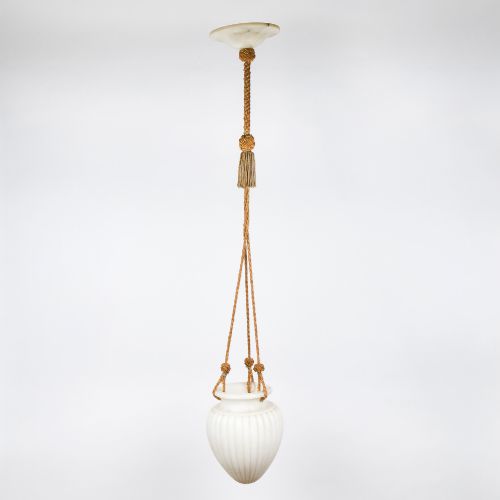
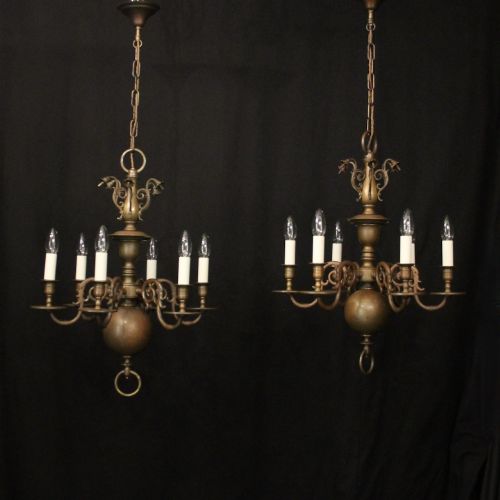
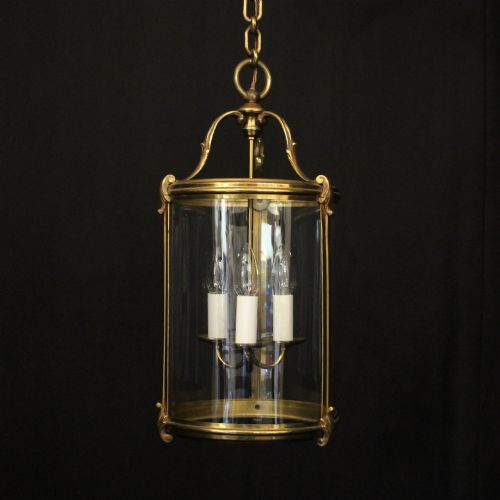
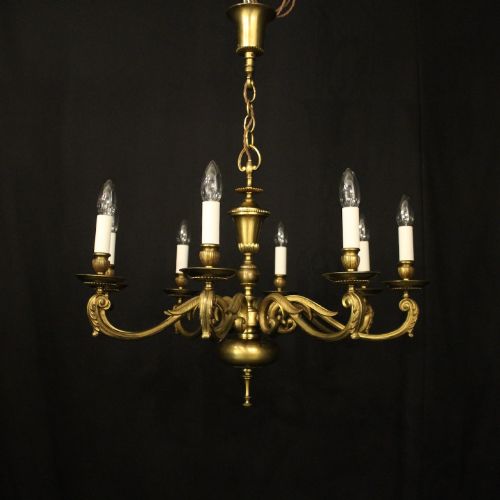
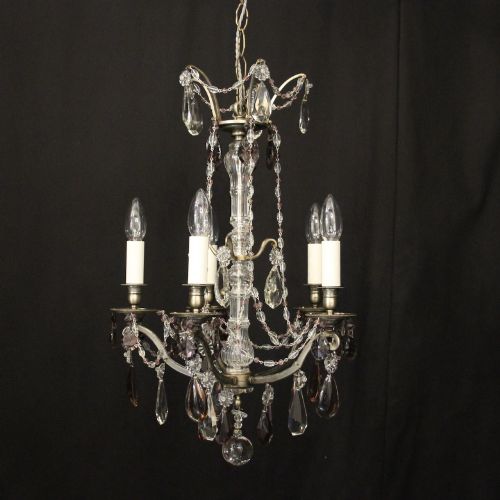
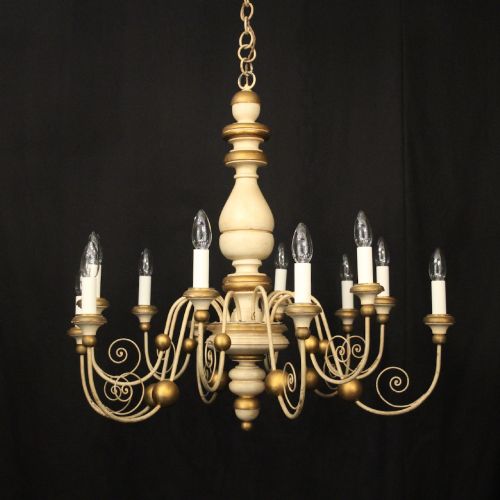
A traditional ceiling fitting encompasses multi-light chandeliers, hall lanterns, pendant lights, and hanging lights designed to illuminate interior spaces from above. These fixtures originate from various periods including the nineteenth century, the Edwardian era, and the early twentieth century up to nineteen thirty.
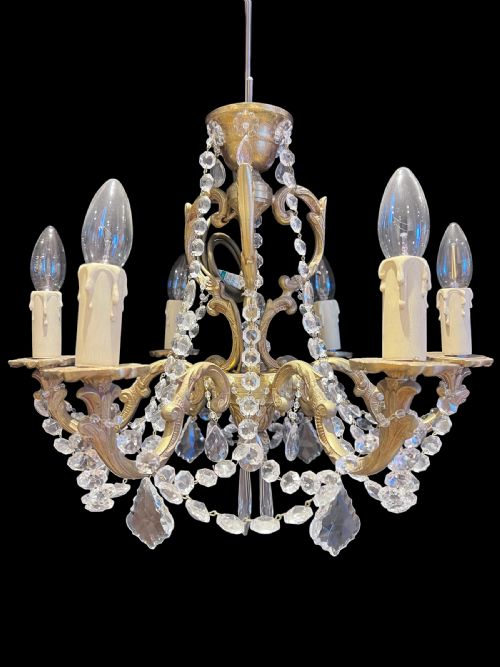
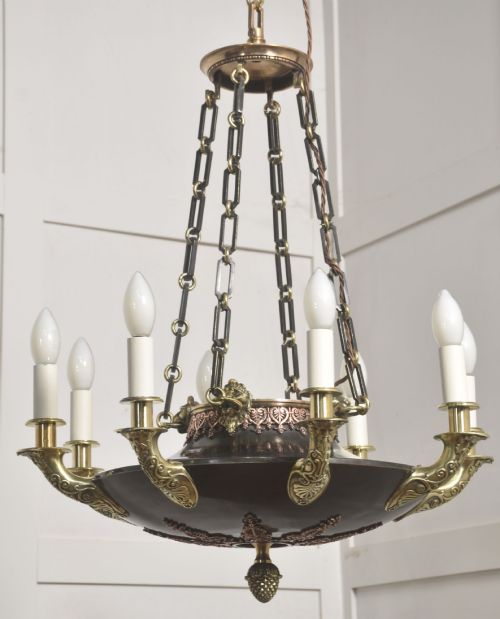
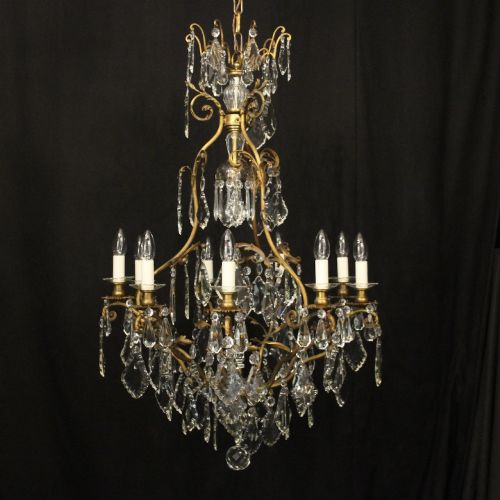
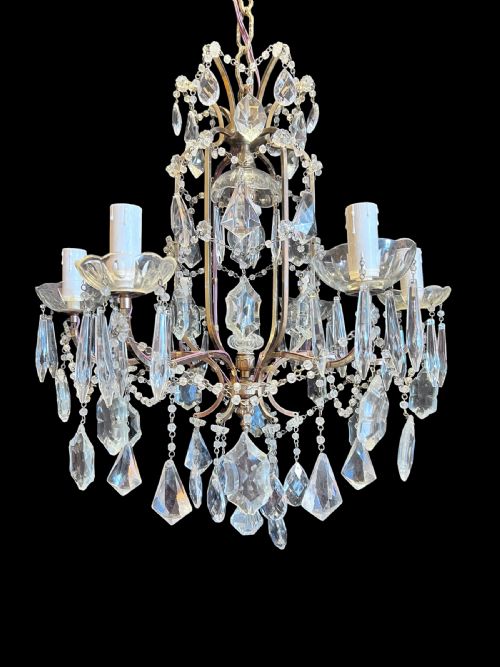
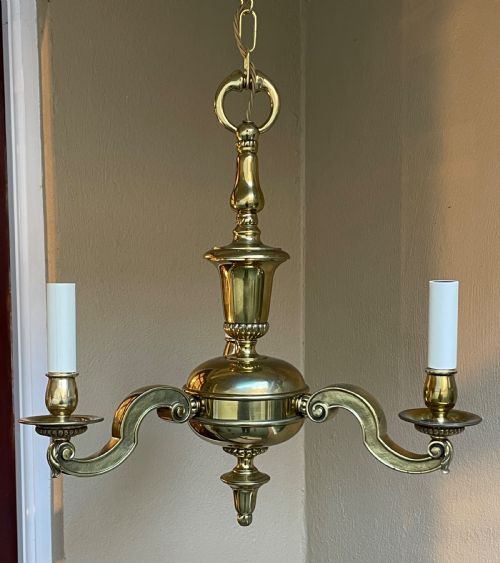
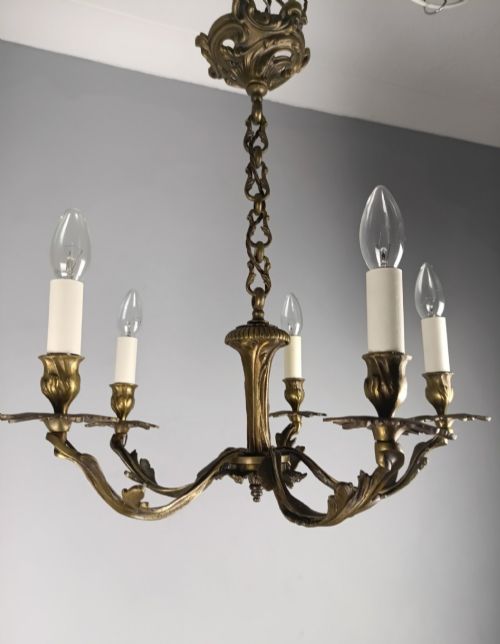
Buyers encountering this selection will most frequently find French, English, Italian, and Dutch pieces in styles such as French Chateau, French Rococo, Victorian, Empire Revival, and Classical Revival. Common forms range from simple hanging lights and hall lanterns to large multi-arm chandeliers adorned with crystals.
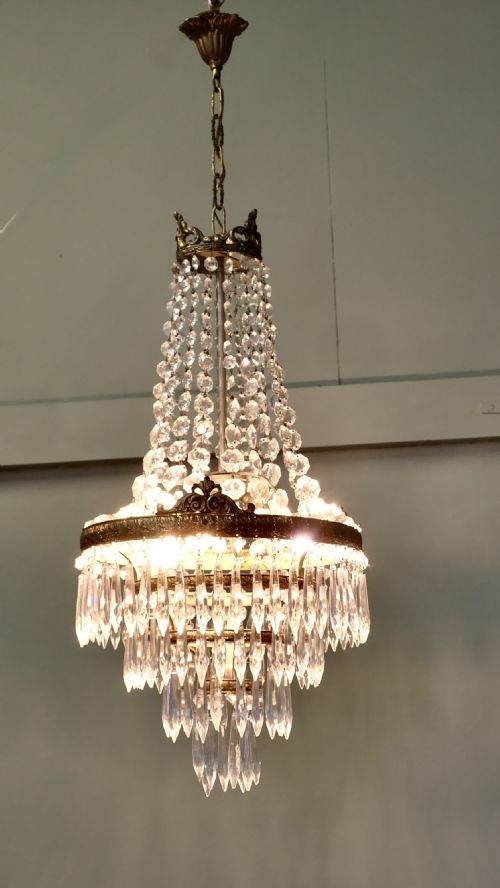
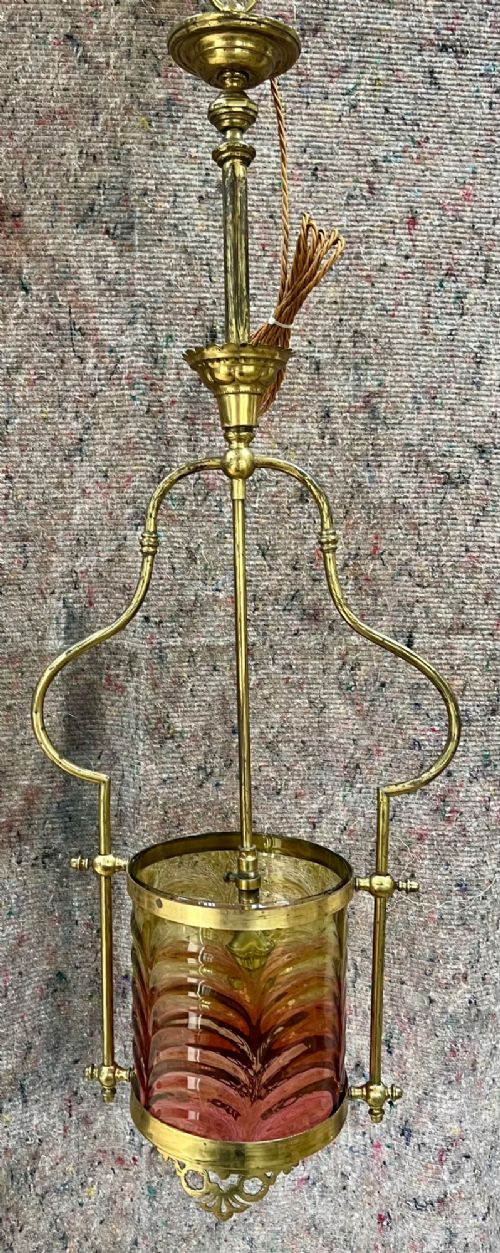
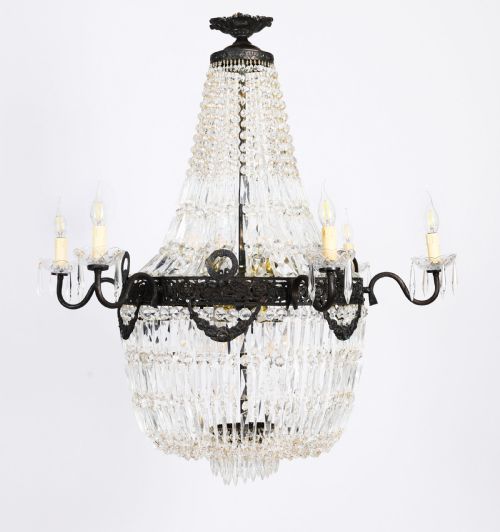
The assortment includes specialised lighting types such as tent and waterfall crystal chandeliers, convex hall lanterns, and early gasolieres adapted for electrical use. Materials span base metals like brass, copper, bronze, and gilded brass alongside decorative elements of crystal and white alabaster.
How they were made
Manufacturers utilised cast and forged metals such as brass, bronze, copper, and iron to form the structural frames and branching arms of these overhead lights. Gilt finishes, silver gilding, and polychrome painting were frequently applied to enhance the metal surfaces.
Glass and crystal components were shaped, cut, and hung from the metal frames using wire or pins to catch and refract the light. Elements like white alabaster bowls and convex glass panels were integrated into hanging lanterns and shades.
Even gasolieres from eighteen fifty found a second life overhead.
What varies in quality
The fineness of metal casting and the crispness of hand-chased details on bronze and brass distinguish higher grade pieces from simpler production. Superior fixtures display intricate ornamentation and substantial weight in their structural metalwork.
The clarity, cut, and quantity of crystal drops and pendeloques affect the overall brilliance and visual richness of a chandelier. Well-integrated design coherence between the metal frame, glass elements, and suspension components marks superior manufacture.
The Traditional Ceiling Fitting Glossary
- Chandelier
- A branched ornamental light fixture suspended from the ceiling. These fixtures hold multiple lamps or candles across arms radiating from a central column.
- Hall Lantern
- An enclosed hanging light designed specifically for entrance halls and corridors. They often feature glazed glass panels fitted within a metal frame of brass or bronze.
- Tent and Waterfall
- A specific crystal chandelier configuration where strings of small beads form a tent shape above a wider cascade of drops. This style creates a dense, shimmering curtain of glass.
- Gasoliere
- An antique lighting fixture originally designed to burn coal gas rather than electricity. Many surviving examples have been carefully converted for modern electrical wiring.
- Gilt Bronze
- Bronze metal coated with a thin layer of gold or gold paint. This technique, also known as ormolu, provides a rich, warm metallic lustre that resists tarnishing.
Traditional Ceiling Fitting: Frequently Asked Questions
How do I hang a heavy antique chandelier?
Heavy fixtures require direct structural support from ceiling joists using a rated steel hanging hook or brace rather than standard electrical boxes. Professional installation ensures the weight of brass, bronze, and crystal is safely borne.
Height placement depends on room proportions and clearance needs, particularly over dining tables or in hallways where foot traffic passes underneath.
Can these lights use modern bulbs?
Most antique ceiling fittings accept standard modern screw or bayonet bulbs once rewired to current safety standards. Low-heat LED lamps work particularly well to protect old crystal and delicate metal finishes from thermal stress.
Consulting a qualified electrician ensures the internal wiring safely accommodates contemporary voltage requirements.
How do I clean crystal chandeliers?
Cleaning involves wiping individual glass drops and crystal prisms with a damp cloth using a mild solution of warm water and isopropyl alcohol. Leaving the crystals attached to the frame allows for careful maintenance without dismantling the entire fixture.
Using specialised spray cleaners designed for crystal can expedite the process while avoiding harsh chemicals that might damage surrounding gilt brass or bronze.
What is the difference between an Edwardian and a nineteenth century fitting?
Nineteenth century pieces often display heavier proportions and robust Victorian or Empire revival casting styles in bronze and brass. Edwardian fittings tend toward lighter ornamentation and refined neoclassical or French revival influences.
Examining the metal patina and construction methods helps distinguish the earlier Victorian works from subsequent twentieth century productions.