



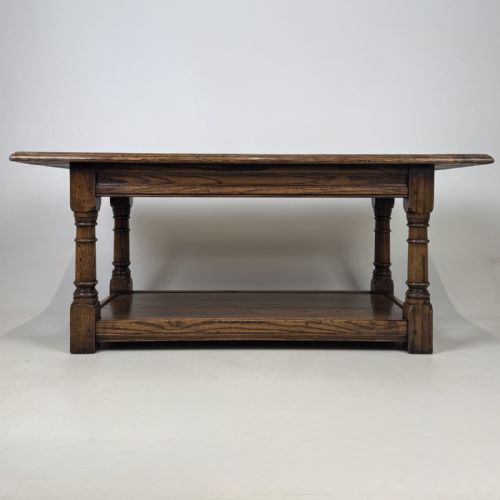

Traditional Carved Table
These pieces known as a traditional carved table range from sturdy oak refectory boards to walnut occasional pieces designed for daily use and lasting display.
Traditional Carved Table
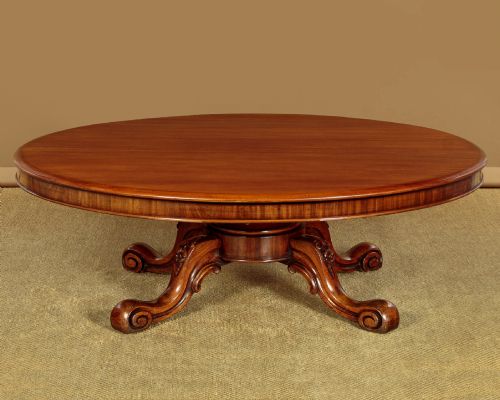
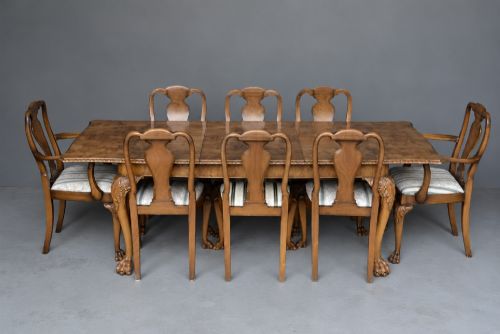
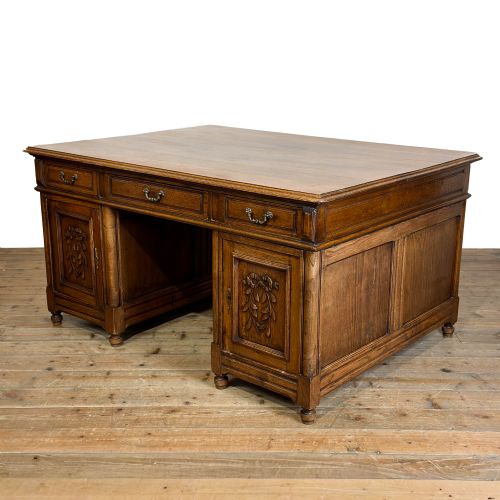
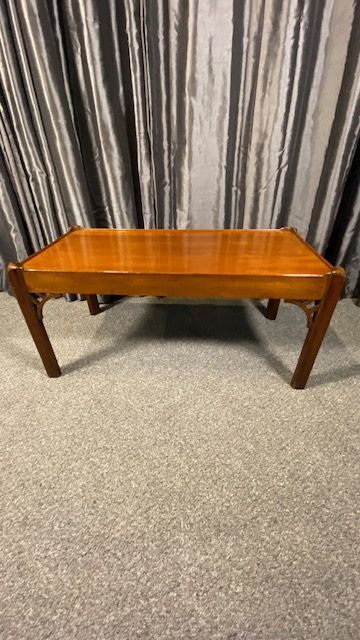
A traditional carved table encompasses various forms including sturdy oak refectory dining tables, coffee tables, and occasional tables originating from periods spanning the eighteenth century through to the early twentieth century. Buyers searching for a traditional carved table will frequently encounter pieces fashioned in Jacobean, Queen Anne, and Victorian styles.
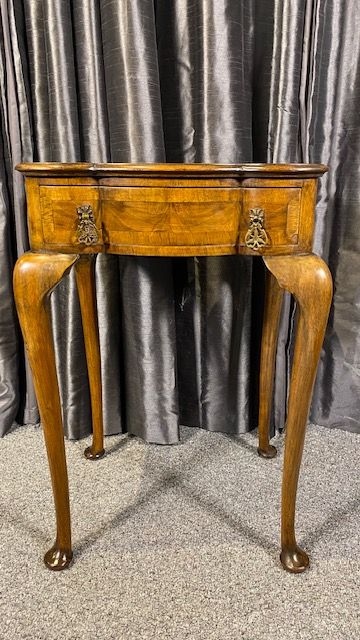
The material selection leans heavily toward solid oak and rich mahogany, alongside burr walnut and rosewood for more decorative items. These surfaces range from simple rustic farmhouse boards to elaborate inlaid occasional tables equipped with drawers or drop leaves.
How They Were Made
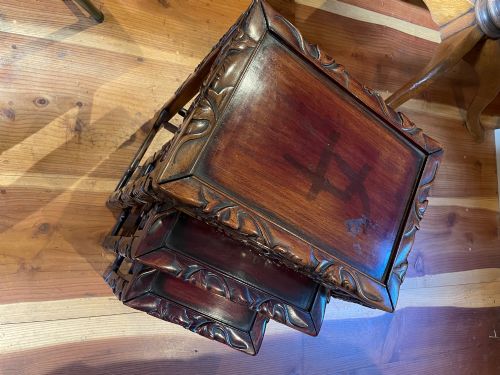
Makers utilised solid timbers like oak, mahogany, and walnut, often employing hand-carving techniques on aprons, legs, and stretchers to achieve distinct Jacobean and Queen Anne revival motifs. Joinery relied on traditional methods such as mortise and tenon joints to ensure stability across refectory and gateleg forms.
Surface finishing involved polishing and occasional marquetry inlay, utilising contrasting woods like rosewood to highlight the grain and decorative details. Structural elements such as potboard shelves and drop leaves were integrated to combine utility with craftsmanship.
Traditional Carved Table Retail Price Guide 2026
Typical asking prices for traditional carved table among the pieces listed under this phrase on Sellingantiques today, from the lower quarter to the upper quarter. They describe what is for sale here now, not the wider market.
The listings show pieces spanning from the eighteenth century to the twentieth century, with oak and mahogany appearing most frequently across tables and desks.
What Varies in Quality
The standard of a carved table depends heavily on the depth and crispness of the hand-carving, alongside the selection of timber figures such as burr walnut or figured mahogany. Superior examples display precise joinery and balanced proportions that reflect the distinct characteristics of their revival period.
G.T. Rackstraw·Gillows
The Traditional Carved Table Glossary
- Refectory table
- A long dining table historically used in monasteries and large halls, characterised by solid timber top boards and substantial legs connected by floor stretchers.
- Gateleg table
- A drop-leaf table featuring hinged flaps supported by swing-out legs that resemble a gate opening and closing.
- Potboard shelf
- An open lower shelf built between the legs of a dresser base or side table, originally intended for storing pots and serving dishes.
- Marquetry
- Decorative inlay work using various coloured wood veneers to create intricate patterns and pictures across the table surface.
- Serpentine front
- A furniture front characterised by a gentle, undulating double-curved line that curves outward at the centre and inward at the sides.
Traditional Carved Table: Frequently Asked Questions
What is a traditional carved table?
A traditional carved table is a piece of furniture fashioned from solid timbers like oak, mahogany, or walnut featuring hand-carved ornamentation. These items include dining tables, coffee tables, and occasional tables from various nineteenth and twentieth-century revival styles.
Such tables serve as functional centrepieces in a room while displaying the characteristic woodworking techniques of periods like the Jacobean and Queen Anne revivals.
How do I care for an antique oak table?
Maintaining an antique oak table involves keeping it away from direct heat sources and sudden humidity changes to prevent the timber from splitting. Regular dusting with a soft, dry cloth preserves the finish without building up heavy wax residues.
Using coasters and placemats protects the polished surface from moisture rings and heat marks during everyday use.
Where should I place a refectory table?
A refectory table requires sufficient surrounding floor space to accommodate chairs and allow movement, making it ideal for a dining room or spacious kitchen. Its long, linear proportions pair well with benches or sets of matching dining chairs.
Positioning the table away from direct sunlight helps preserve the colour and natural grain of the timber top.