



Traditional Carved Seating
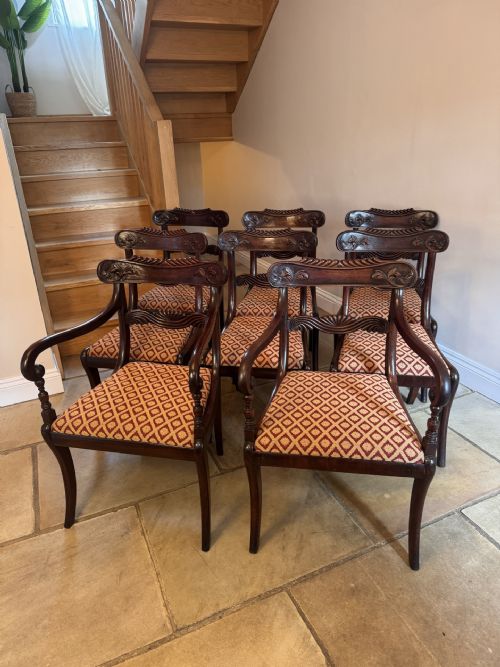
Traditional carved seating brings together centuries of woodwork, from sturdy oak benches to mahogany dining chairs shaped by cabinet-makers.
Traditional Carved Seating
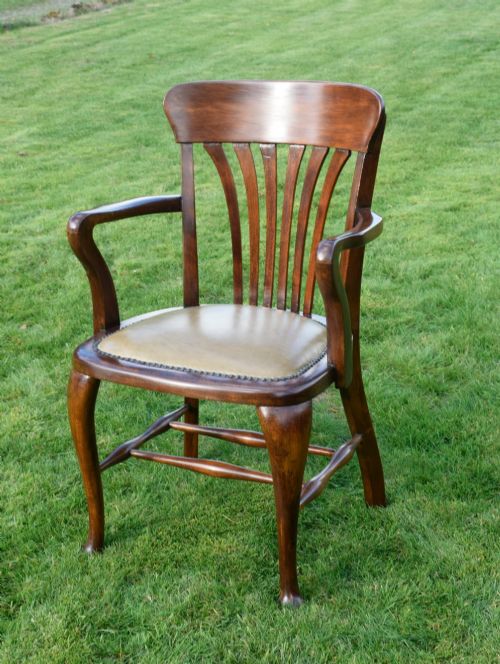
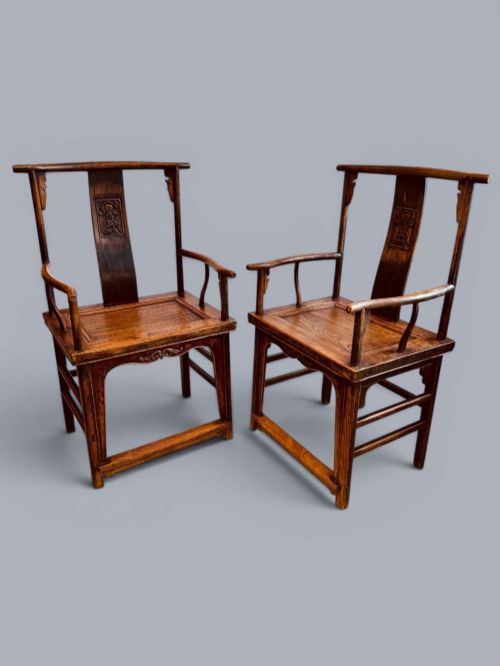
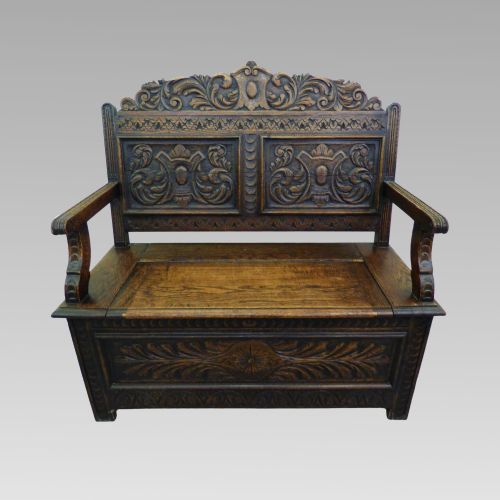
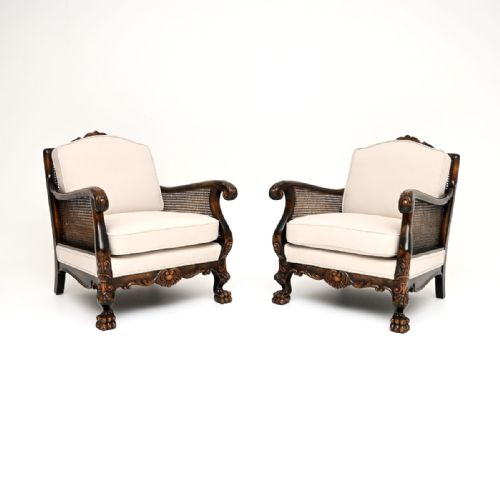
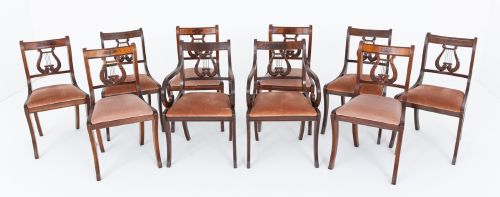
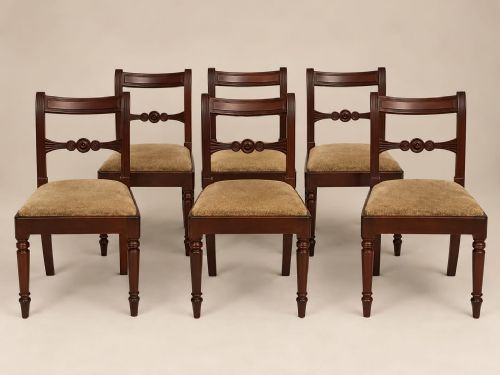
Traditional carved seating covers an array of wooden chairs, benches, and settees originating from periods such as the Georgian, Victorian, and Regency eras. These pieces serve practical functions in dining rooms, halls, and libraries while displaying period craftsmanship.
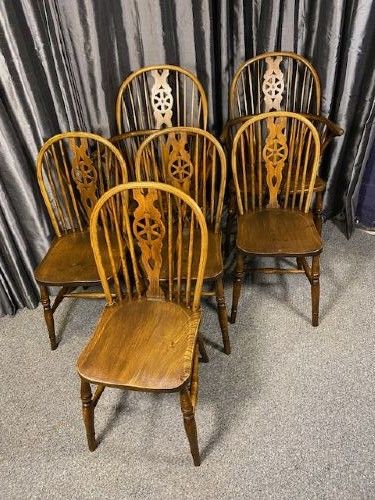
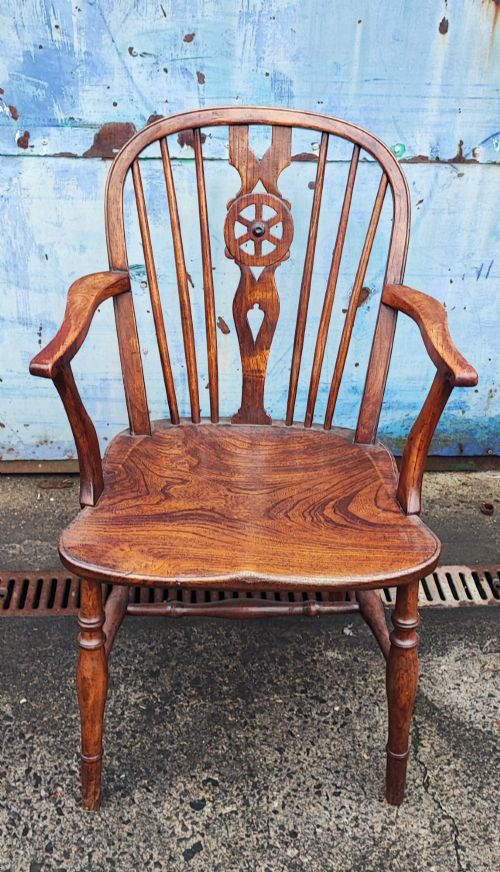
The styles span centuries of design revivals, incorporating Chippendale, Hepplewhite, and Jacobean motifs alongside vernacular forms like Windsor and Thames Valley chairs.
Determining quality in carved seating
The crispness and depth of the hand-carving separate ordinary examples from finer work. Superior pieces display fluid lines and correctly proportioned splats or crest rails.
Completeness of a set strongly influences standing, especially when original frames remain intact without replacement legs or extensive timber repairs.
Traditional Carved Seating Retail Price Guide 2026
Typical asking prices for traditional carved seating among the pieces listed under this phrase on Sellingantiques today, from the lower quarter to the upper quarter. They describe what is for sale here now, not the wider market.
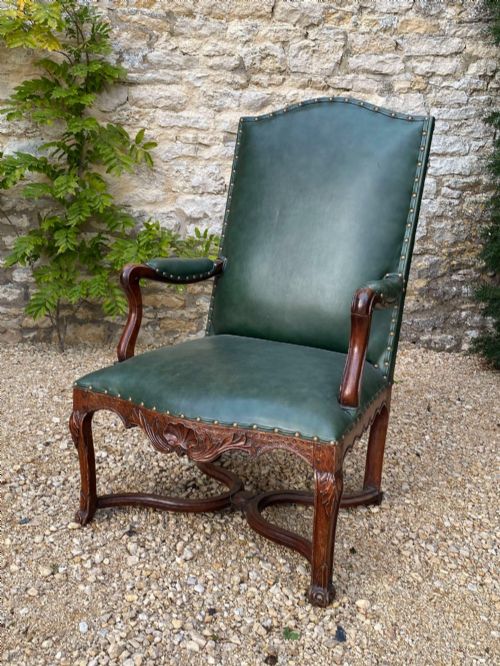
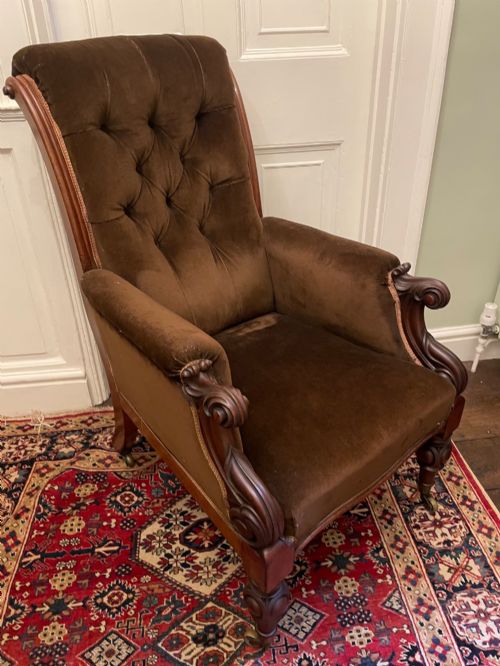
Some nineteenth century library armchairs include concealed castors beneath deep upholstery, allowing readers to glide silently across parquet floors.
Maple and Co·Howard and Sons
The Traditional Carved Seating Glossary
- Windsor chair
- A wooden chair featuring a solid saddle-shaped seat into which the legs and back spindles are wedged directly. They often incorporate bentwood bows.
- Shield back
- A chair back shaped like a heraldic shield, popularised by designers in the late eighteenth century. The central splat usually fans out towards the top rail.
- Cabriole leg
- A furniture leg that curves out at the knee and tapers inward to an ankle, finishing in a pad, claw, or foot. This form draws inspiration from animal limbs.
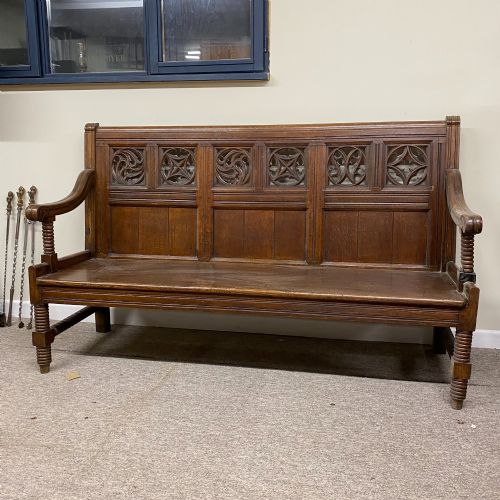
- Settle
- A wooden wooden bench with a high back designed to block draughts, often featuring enclosed storage beneath the seat. They appear frequently in hallways and country interiors.
- Balloon back
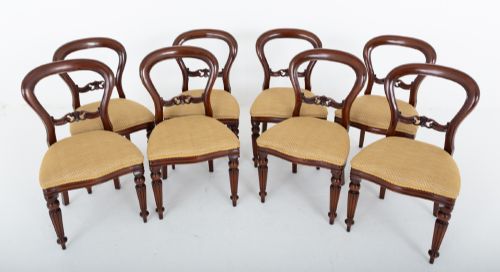
- An oval or rounded chair back resembling a balloon, characteristic of Victorian seating. The shape allows for curved wood veneers and central carved splats.
Traditional Carved Seating: Frequently Asked Questions
How do I care for antique wood furniture?
Keep wooden chairs and benches away from direct heat sources and sudden humidity shifts to prevent timber splitting. Regular dusting with a soft dry cloth maintains the finish without chemical buildup.
Apply occasional microcrystalline wax to nourish dry timbers, buffing gently to a soft sheen. Avoid modern silicone polishes that penetrate the grain.
Can I mix dining chairs with a table?
Mixing traditional carved seating with a table of a different period works well if timber tones share common warmth. Mahogany pairs naturally with dark walnut or faded rosewood.
Matching the overall formality of the chairs to the table matters more than securing an exact date match. Armchairs placed at the table heads help ground mixed sets.
How can I tell a revival piece from an original?
Revival furniture often dates from later eras such as the Edwardian period or the early twentieth century, mimicking earlier Georgian or Victorian styles. Tool marks, timber shrinkage, and construction methods reveal the true age of the frame.
Secondary woods used for seat blocks and interior framing provide reliable clues to the manufacturing date. Examine hidden undersides where modern machine cuts differ from hand saw marks.
What is the difference between a side chair and a hall chair?
Side chairs lack arms and were made primarily for dining rooms, drawing rooms, or bedrooms. They feature upholstered or wooden seats designed for comfort during meals or conversation.
Hall chairs feature all-wooden construction with carved or painted crests, intended for occasional seating in entrance halls rather than prolonged sitting.