

Traditional Carved Bed
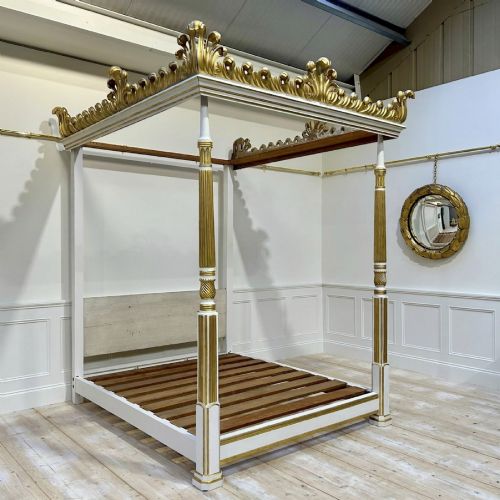
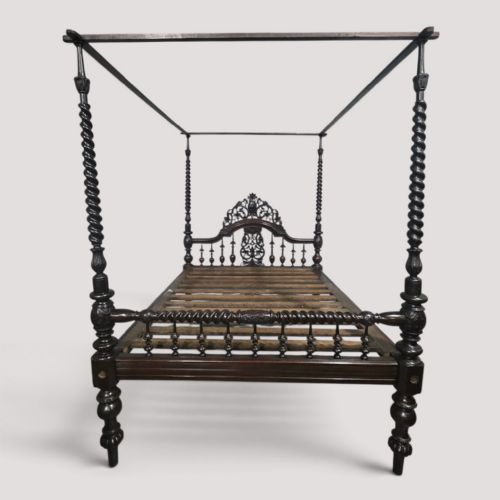
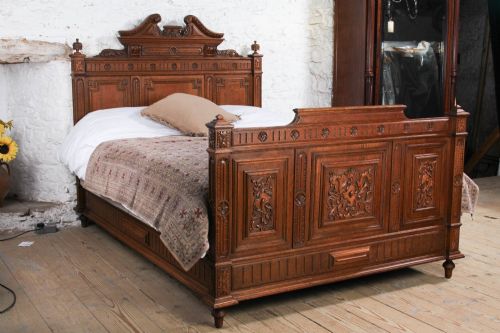
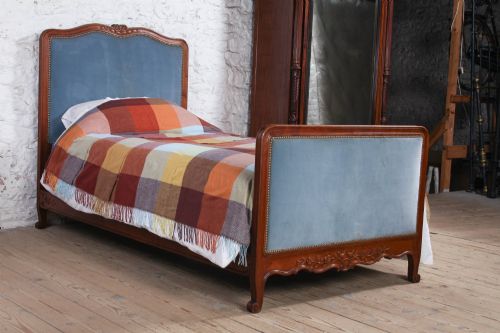
When you want a traditional carved bed, you are looking at substantial pieces of furniture built from oak and mahogany across several centuries.
Traditional Carved Bed
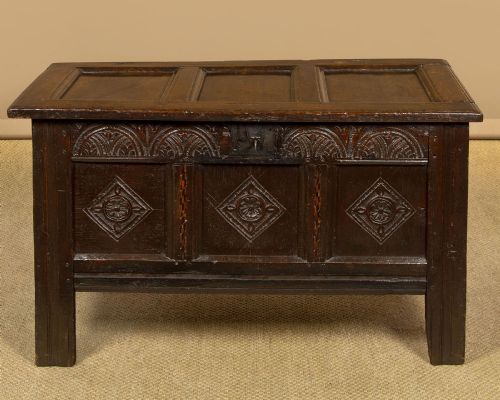
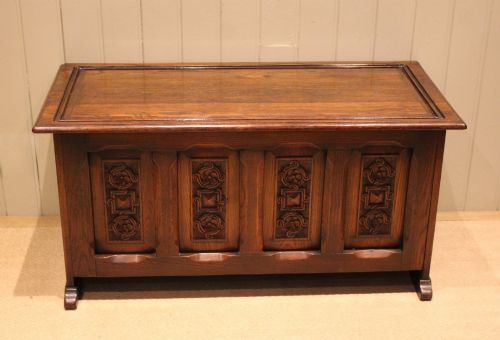
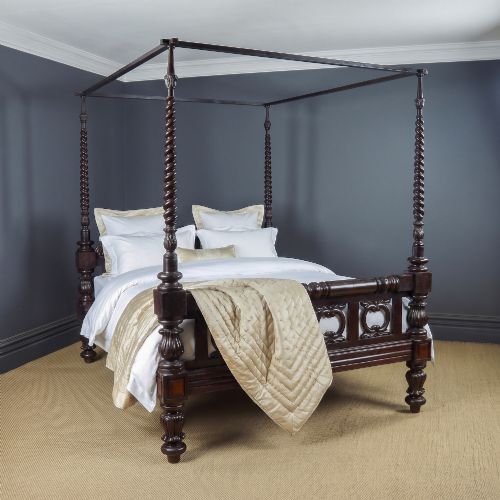
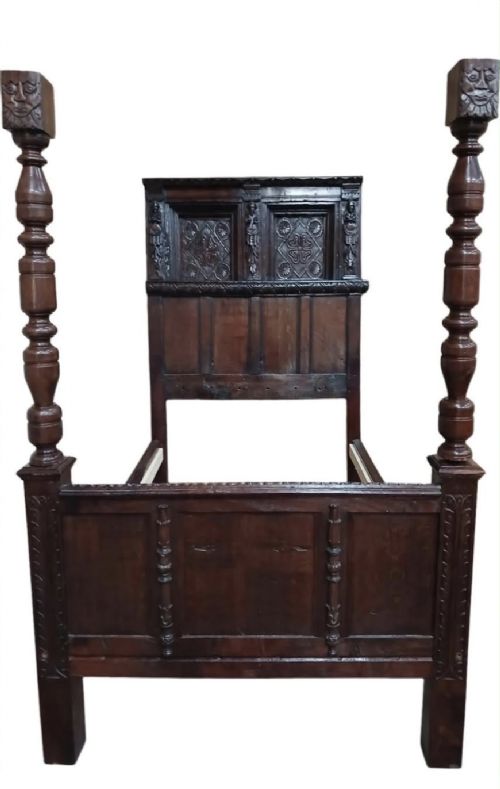
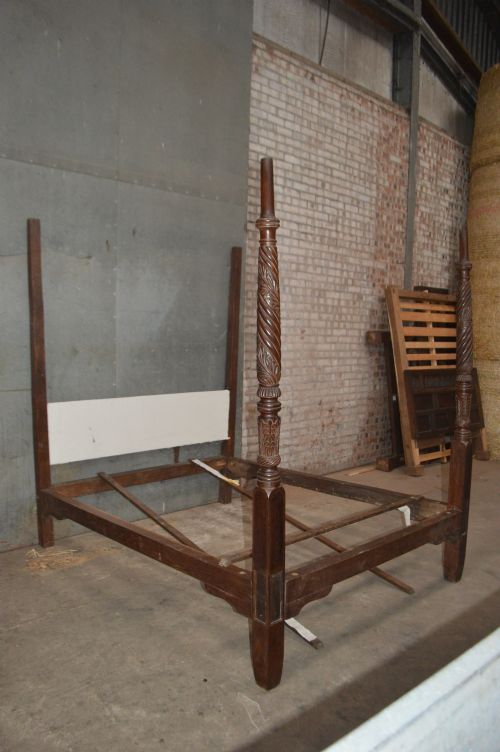
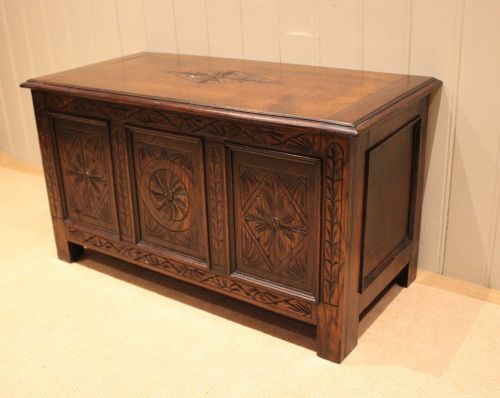
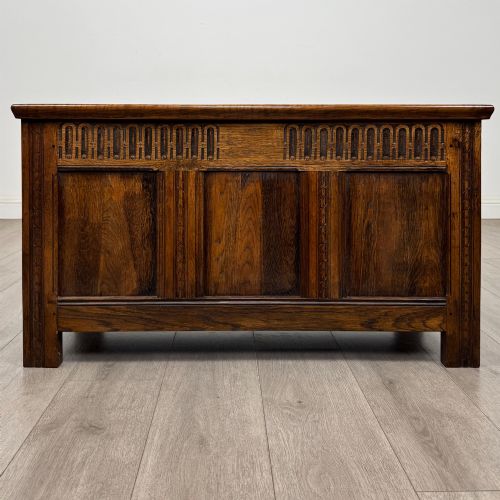
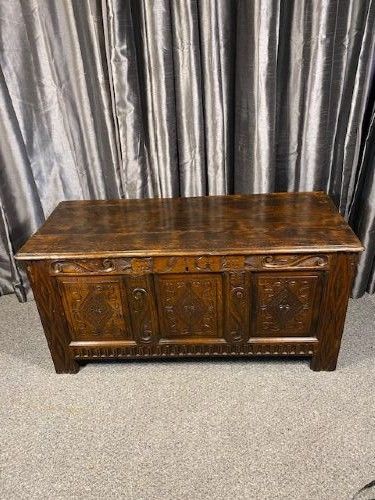
A traditional carved bed encompasses robust four poster tester frames alongside related storage pieces like carved oak coffers and blanket chests that share the same workmanship.
The pieces on this page originate from the seventeenth, eighteenth, nineteenth and twentieth centuries, spanning periods from Jacobean revival to Edwardian production.
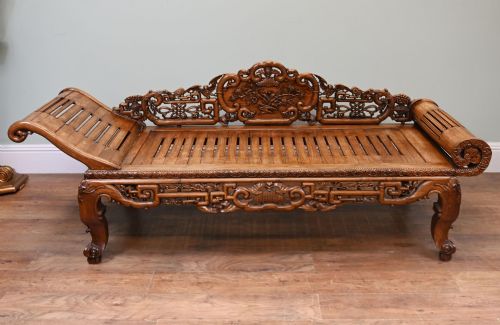
You will encounter solid timber constructions ranging from substantial oak four posters to mahogany single bedsteads and provincial style day beds.
Materials and construction
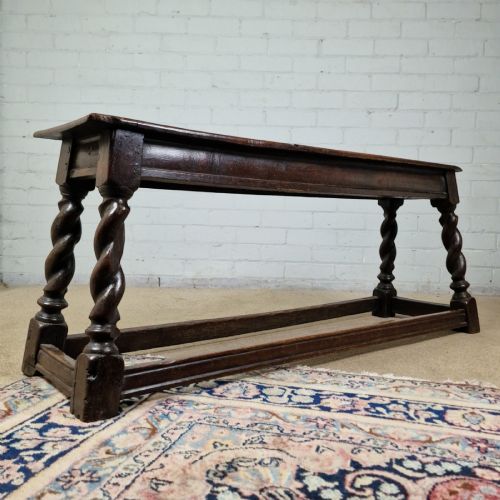
Makers utilised solid timbers predominantly, with oak and mahogany forming the structural core of these beds and chests.
Carpenters applied hand carving techniques directly to the wood, incorporating panelled construction and linenfold details into the primary surfaces.
Traditional Carved Bed Retail Price Guide 2026
Typical asking prices for traditional carved bed among the pieces listed under this phrase on Sellingantiques today, from the lower quarter to the upper quarter. They describe what is for sale here now, not the wider market.
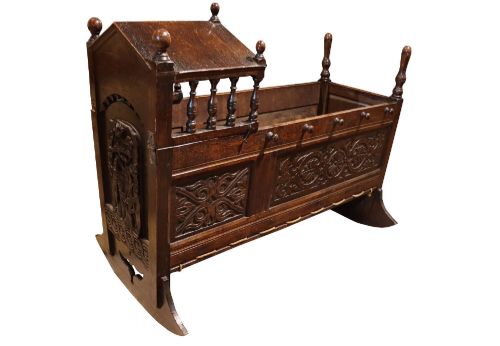
One listed nineteenth century rocking cradle incorporates genuine seventeenth century panels, creating a family heirloom with a recycled past.
Judging the work
Quality rests in the depth and crispness of the hand carving rather than surface finish alone, distinguishing master workshops from regional joinery.
The integrity of the timber joints and the retention of earlier period panels within later frames determine the overall standing of the piece.
The Traditional Carved Bed Glossary
- Tester
- The canopy frame positioned above a four poster bed, often supported by carved wooden posts. It historically held fabric hangings to retain warmth.
- Coffer
- A large wooden storage chest used for domestic goods, frequently constructed with solid oak and ornamented with carved panels on the front.
- Linenfold
- A style of relief carving on wooden panels that mimics folded parchment or linen cloth. It is commonly found on seventeenth century oak furniture.
- Mule chest
- A traditional storage chest featuring one or more drawers beneath the main compartment. These pieces combine the function of a coffer with drawer storage.
Traditional Carved Bed: Frequently Asked Questions
How do I date a carved oak bed?
Examine the construction joints, tool marks, and style of the carved panels to establish the period of origin. Earlier pieces from the seventeenth century show different joinery methods compared to later revivals.
Compare the timber shrinkage and patina against known examples from the same era to confirm the age of the structure.
Can I use a historic four poster bed daily?
Many traditional four poster beds and wooden bedsteads accommodate modern mattress sizes with minor adjustments to the internal frame. Ensure the side rails and supports are structurally sound before regular use.
Consult a specialist restorer if the wooden frame requires stabilization to handle contemporary weight distribution safely.
What is the difference between oak and mahogany beds?
Oak beds typically date from earlier periods like the seventeenth and eighteenth centuries, displaying heavier carved decoration and a rustic grain. They reflect English country house and Jacobean styles.
Mahogany frames often appear in later Georgian, Regency, and Edwardian designs, offering a finer grain, smoother polished surfaces, and classical architectural proportions.
How should I care for carved wooden furniture?
Maintain stable humidity levels in the room to prevent the solid timber from splitting or warping over time. Avoid placing the bed near direct heat sources or strong sunlight.
Apply a traditional beeswax polish sparingly to nourish the wood and preserve the natural patina built up over the centuries.