

Traditional Candle Style Chandelier
A traditional candle style chandelier brings heritage illumination to a room, casting warm, branching light from multiple tiers.

Traditional Candle Style Chandelier
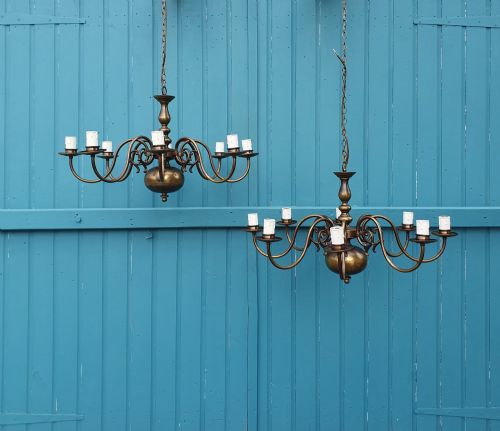
When you search for a traditional candle style chandelier, you encounter multi-branched lighting fixtures designed to evoke the appearance of historical wax taper holders. These pieces span periods from the eighteenth century to the early twentieth century, with French and English examples appearing frequently alongside Dutch, Italian, and Bohemian designs.
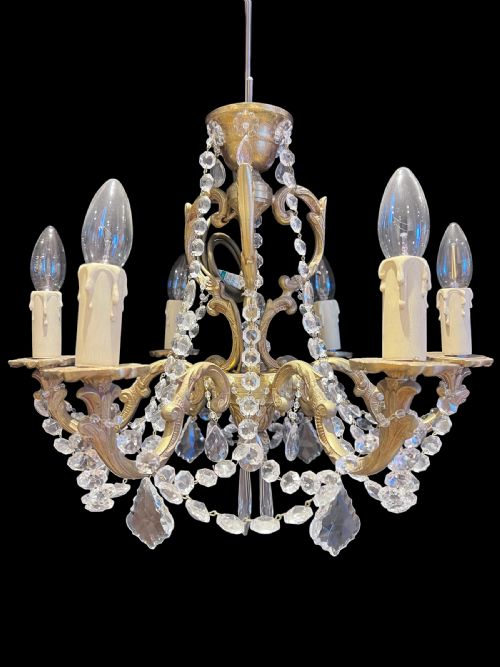
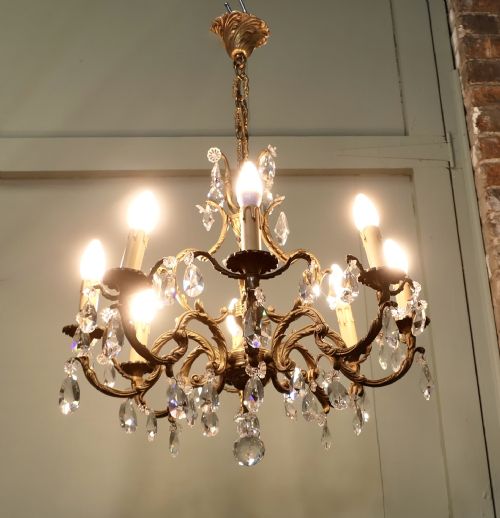
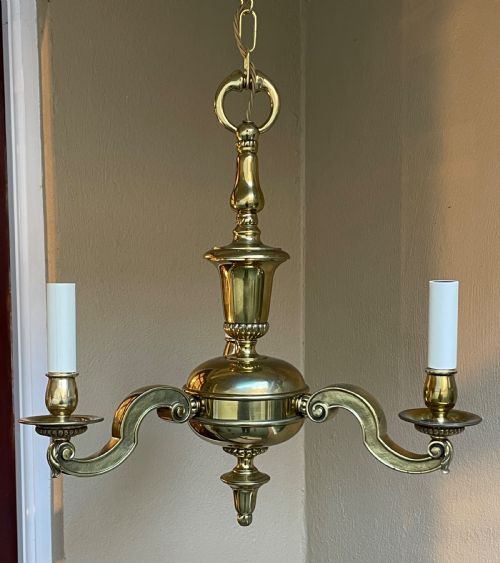
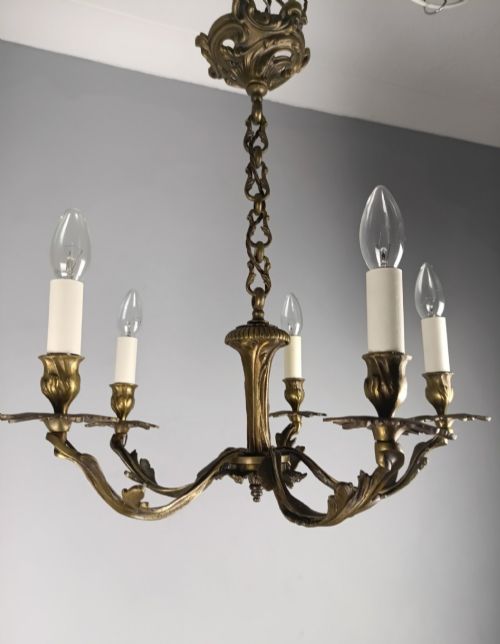
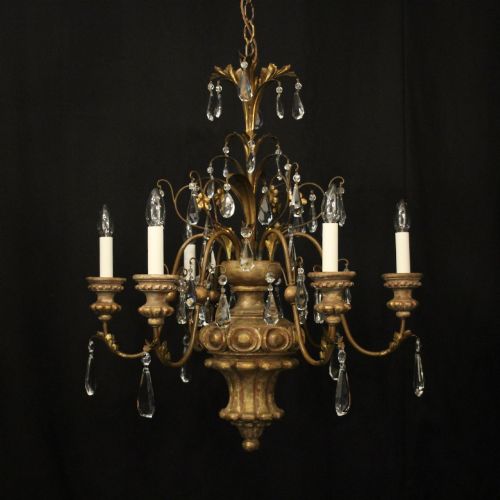
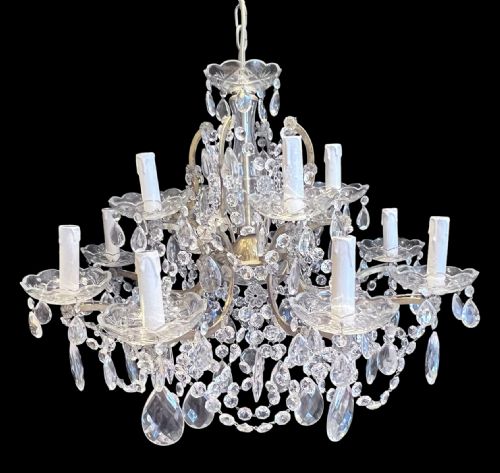
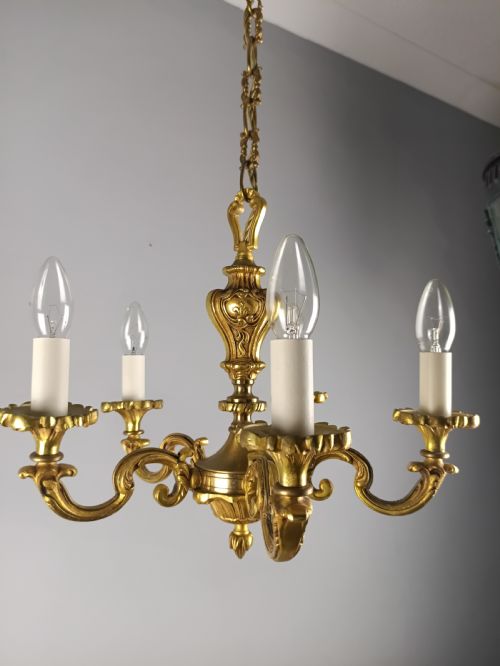
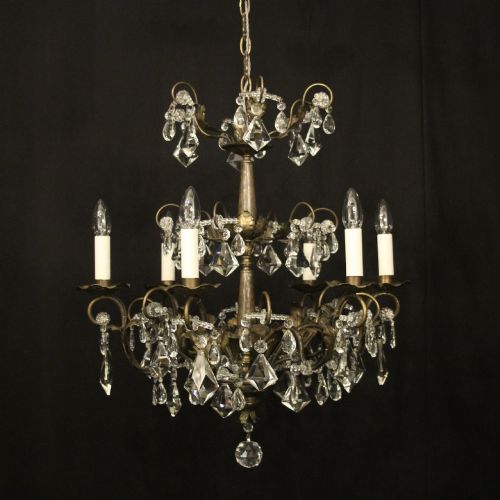
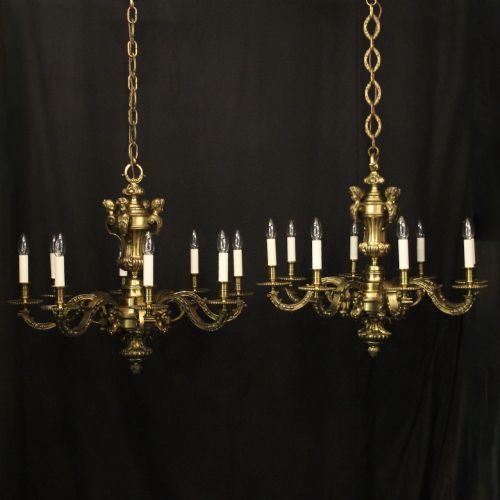
You are most likely to meet mid-to-late nineteenth century and early twentieth century brass, bronze, and giltwood fixtures on this page. These range from modest three-branch iterations to large, double-tiered designs holding sixteen or more lights, often embellished with crystal lustres or hanging glass pendants.
The styles represented include French Chateau, French Rococo, Dutch Baroque, and English Neoclassical forms. Ceiling lighting options here also encompass pendant lights, hanging lanterns, and wall lights sharing the same candle-mimicking branch structure.
Materials and Construction Techniques
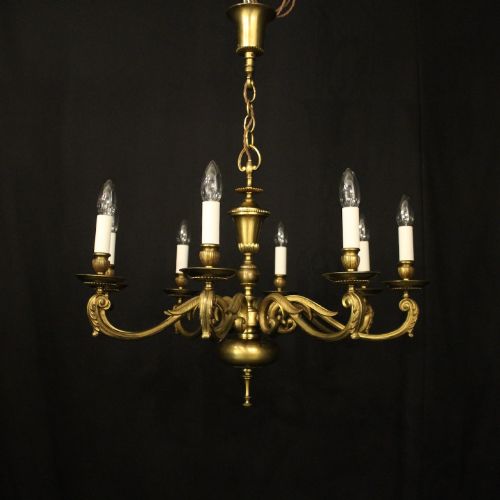
Metals form the core structure of these chandeliers, utilising cast brass, gilded brass, bronze, copper, and wrought iron shaped into arms and branches. Artisans employed casting and hammering techniques to create robust frames capable of supporting numerous candle branches.
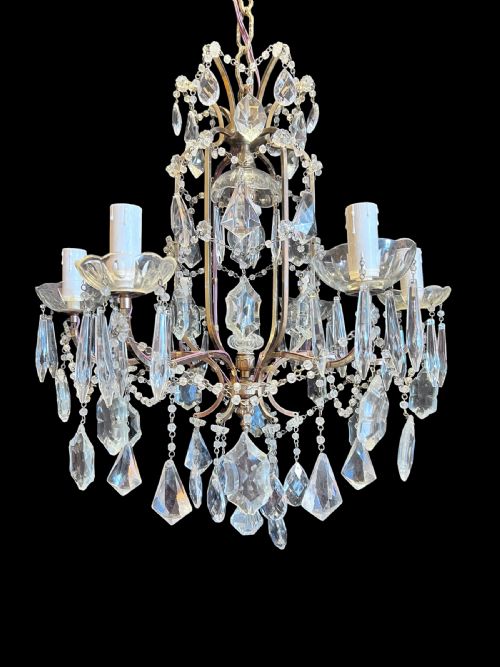
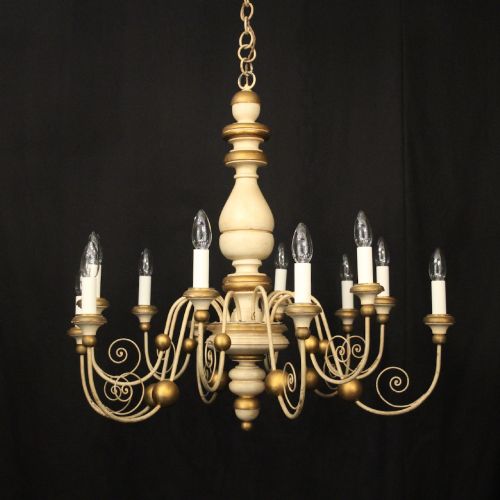
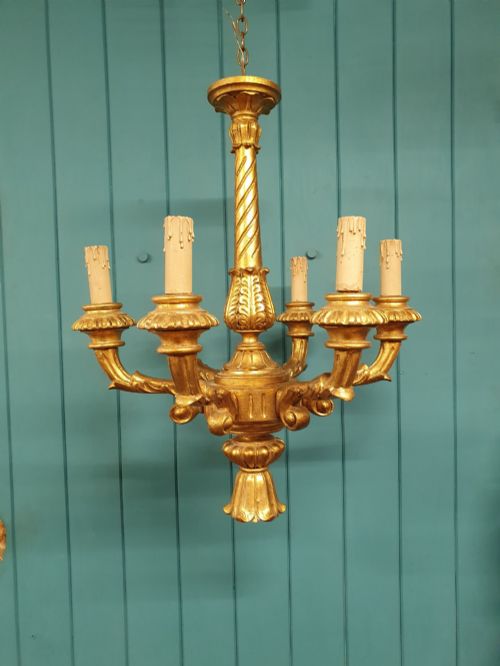
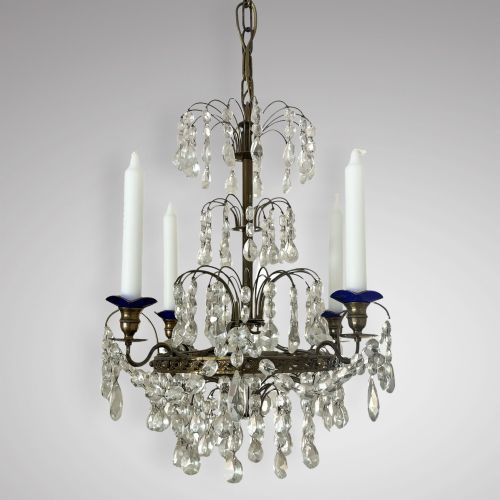
Decorative elements incorporate glass and crystal, including cut lustres and pendants suspended from the metal armature to refract light. Giltwood and gesso appear on wooden frames, finished with applied gold leaf or polychrome paint.
Listings feature brass, bronze, giltwood, and wrought iron materials spanning from the eighteenth century through the Edwardian era.
Distinctions in Quality and Craftsmanship
The refinement of the metal casting and the depth of the chasing distinguish finer examples from standard production. Crisp detailing in the brass or bronze work and substantial weight in the frame indicate superior manufacture.
The quality of the hanging elements matters significantly, with hand-cut crystal lustres offering superior light refraction compared to plain pressed glass. Heavier gilding and well-preserved original patination elevate a piece above simpler painted or plated alternatives.
The Traditional Candle Style Chandelier Glossary
- Lustre
- A cut glass or crystal pendant suspended from the arms or crown of a chandelier to catch and reflect light. These pieces hang closely to amplify the illumination from the candle branches.
- Giltwood
- Timber carved and coated with a thin layer of gold leaf. This material appears on decorative frames and arms dating from the nineteenth century.
- Bronze
- An alloy of copper and tin used for durable, heavy chandelier frames. Bronze components often feature dark patination or gilt finishes.
- Gesso
- A plaster-like mixture applied to wood surfaces as a base for gilding or painting. It allows intricate relief ornamentation on nineteenth-century fixtures.
- Double-tiered
- A chandelier configuration featuring two vertical levels of branching arms. This layout accommodates a high count of individual lights on large fixtures.
Traditional Candle Style Chandelier: Frequently Asked Questions
How do I hang a heavy antique chandelier?
These substantial metal and crystal fixtures require secure anchoring into ceiling joists using a rated steel electrical box and supporting hook.
Professional installation is essential to bear the full weight safely and connect the wiring correctly.
What rooms suit a candle style chandelier?
Larger multi-tiered fixtures work well in high-ceilinged dining rooms, entryways, and drawing rooms where they serve as a focal point.
Smaller three or five-branch versions suit intimate spaces or bedrooms requiring period character.
How do I clean crystal lustres?
Remove detachable glass drops and wash them gently in warm soapy water using a mild detergent, avoiding harsh chemical cleaners.
Dry each piece thoroughly with a lint-free cloth before rehanging them on the metal armature.
How do I date these chandeliers?
Examine the metal casting quality, wiring channels, and fixing methods, as machine screws and moulded plastic indicate twentieth-century production.
Hand-cut crystal, patinated bronze, and forged iron elements typically point toward eighteenth or nineteenth-century origins.