



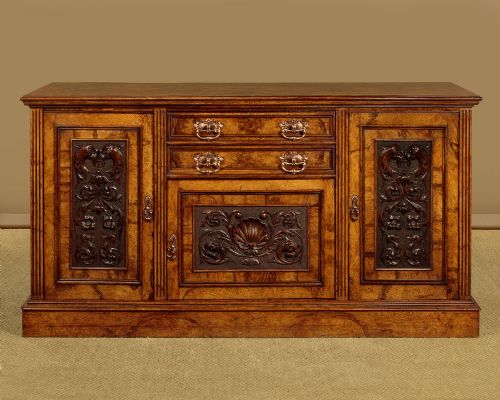
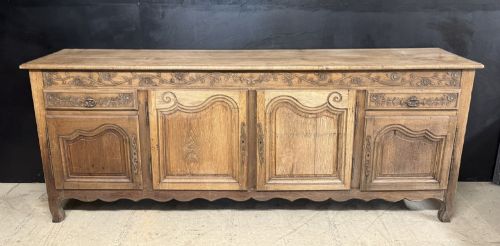
Traditional Buffet Server
A traditional buffet server provides ample dining room storage while bringing solid timber and period craftsmanship directly into the household.
Traditional Buffet Server
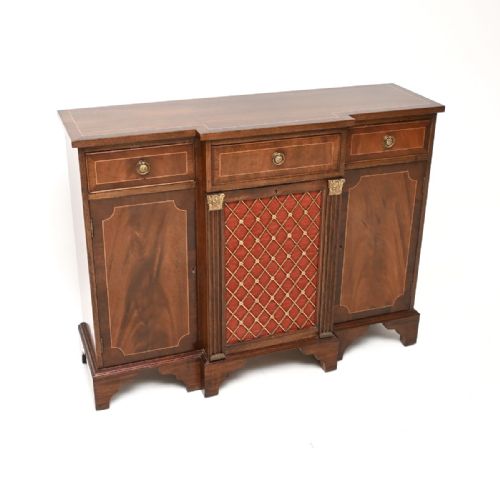
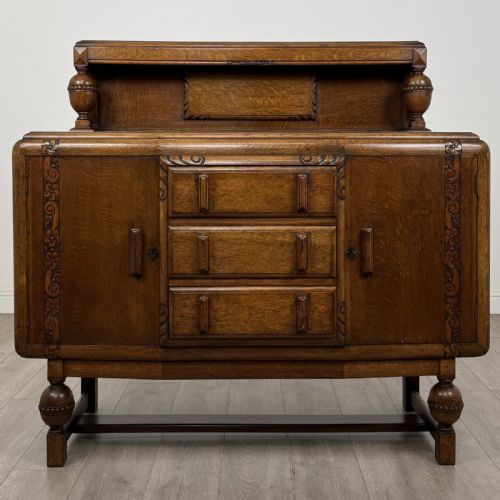
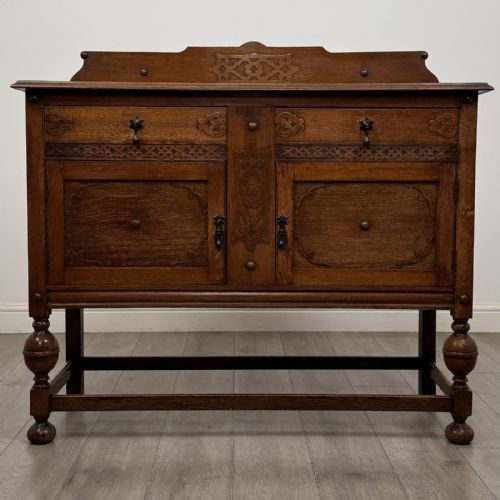
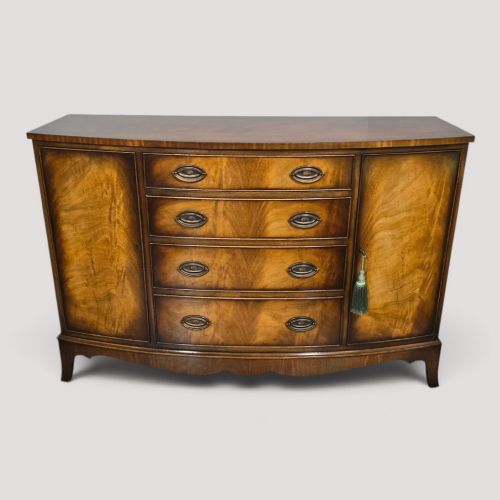
A traditional buffet server encompasses sideboards, dresser bases, and credenzas designed for dining room utility and display. These pieces originate from periods spanning the eighteenth century through the early twentieth century, alongside revivals of earlier styles.
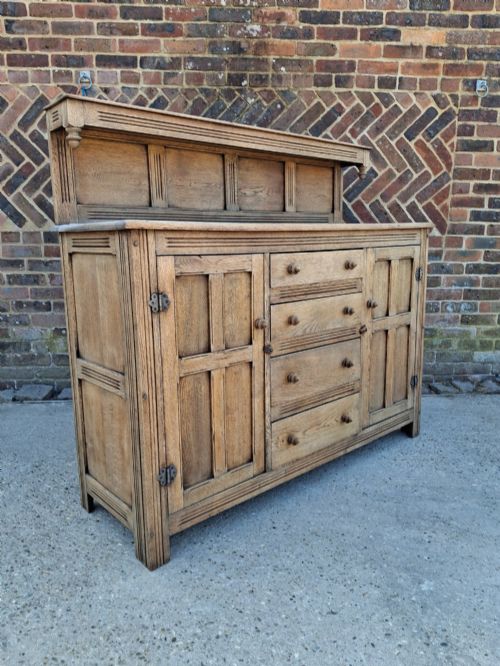
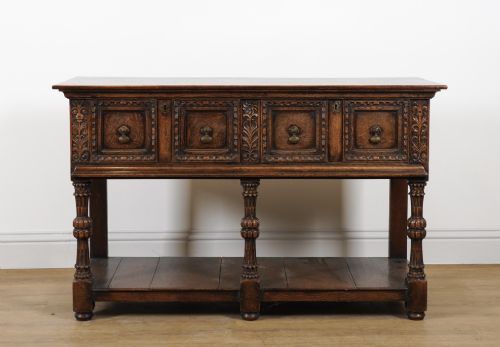
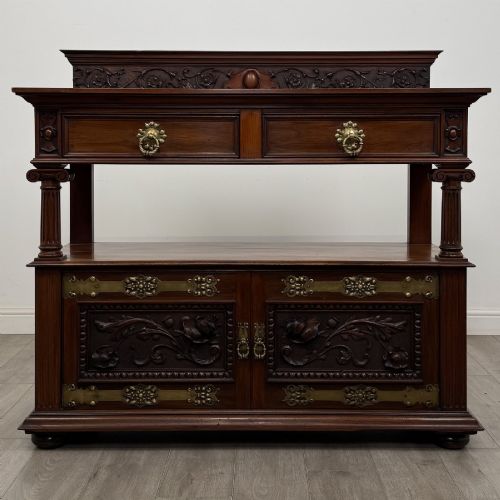
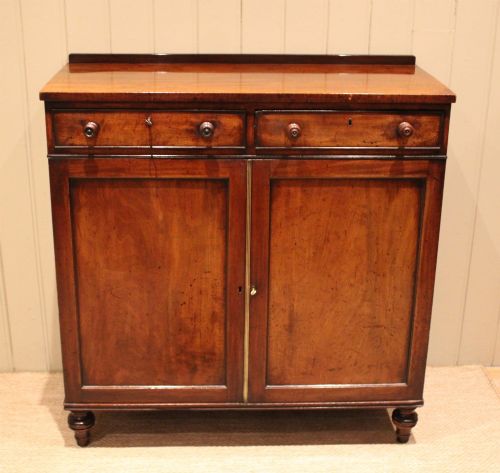
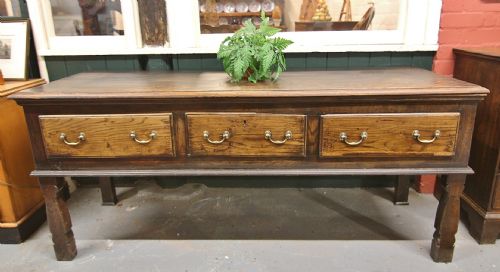
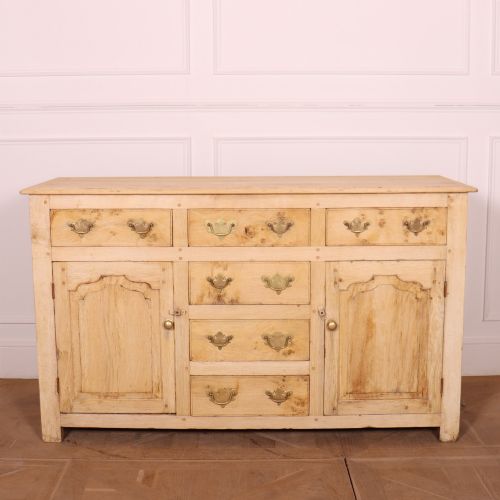
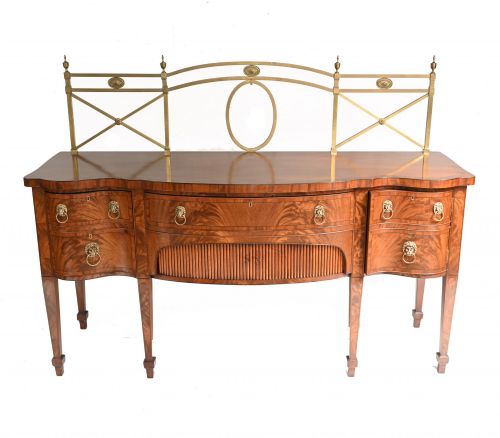
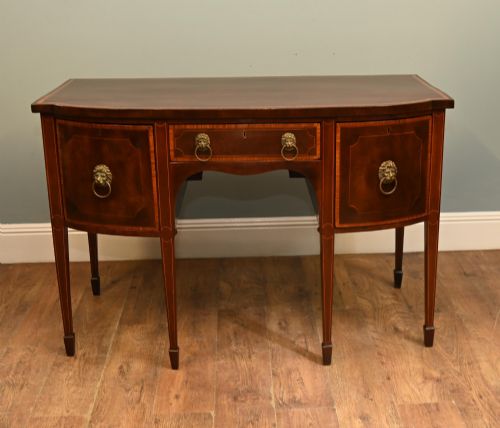
The most common forms on this page include mahogany and oak sideboards alongside rustic pine kitchen dresser bases. Pieces often feature fitted drawers, cupboards, and brass hardware such as ring pulls or galleries.
Origins range from Georgian and Regency eras to Victorian, Edwardian, and later 1930s interpretations. Buyers encounter both formal flame mahogany furniture and country oak or pine pieces.
How they were made
Cabinet makers utilised dense hardwoods like mahogany, oak, and burr walnut, alongside softer timbers such as pine for kitchen and farmhouse pieces. Flame mahogany veneer provided rich grain patterns on formal dining room fronts.
Construction techniques involved traditional joinery for drawers and frames, paired with metal components including brass ring pulls, face handles, and gallery rails. Wax finishes protected the timber while highlighting natural grains.
Traditional Buffet Server Retail Price Guide 2026
Typical asking prices for traditional buffet server among the pieces listed under this phrase on Sellingantiques today, from the lower quarter to the upper quarter. They describe what is for sale here now, not the wider market.
Listings feature timbers including oak, mahogany, pine, and burr walnut across periods from the eighteenth century through the 1930s.
What varies in quality
Quality separates through timber selection and the precision of cabinet joinery. Finely figured grains like burr walnut or flame mahogany distinguish high-end formal items from simpler utilitarian pine pieces.
The sophistication of carving, inlay work, and original hardware dictates the tier of craftsmanship. Finer pieces demonstrate meticulous attention to structural proportions and detail in drawer construction.
The Traditional Buffet Server Glossary
- Dresser base
- A low wooden storage cabinet featuring drawers and cupboards, traditionally used in kitchens or dining rooms.
- Sideboard
- A long piece of furniture placed in a dining room for serving food and storing tableware.
- Serpentine
- A curved furniture front characterised by a convex centre flanked by concave curves.
- Bow-front
- A convex, outwardly curved front profile commonly found on mahogany and walnut servers.
- Potboard
- An open slatted lower shelf fitted beneath a dresser base to store pots and dishes.
Traditional Buffet Server: Frequently Asked Questions
How do I use a traditional buffet server in a modern dining room?
These servers function efficiently for storing tableware, linen, and serving dishes while offering a solid surface for food presentation during meals.
Their substantial timber construction also provides an immediate focal point, adding character and warmth to contemporary living spaces.
What is the difference between a sideboard and a dresser base?
Sideboards typically lean toward formal dining room use, featuring refined veneers, brass hardware, and elegant serpentine or bow-front shapes.
Dresser bases originate more often from farmhouse or country traditions, utilising solid oak or pine with practical drawers and lower potboards.
How do I tell a Georgian piece from a later revival?
Original Georgian pieces display the proportions, hand-cut joinery, and timber ageing characteristic of the eighteenth and early nineteenth centuries.
Revival pieces from the Edwardian era or the 1930s imitate these earlier styles using machinery of the period, often showing different internal construction methods.
Are these servers suitable for smaller spaces?
Compact variations like neat Regency servers or smaller oak dresser bases fit comfortably into restricted floor plans without overwhelming the room.
Selecting pieces with shallow depths or shorter lengths allows buyers to enjoy traditional timber storage in modest hallways or dining areas.