

Traditional Brown Sofa
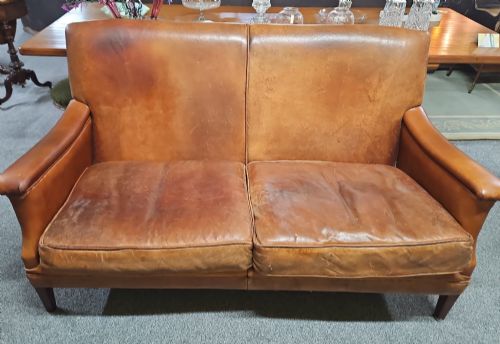
A traditional brown sofa brings warmth and grounded comfort to a room, anchoring the space with enduring materials like leather and rich wood frames.
Traditional Brown Sofa
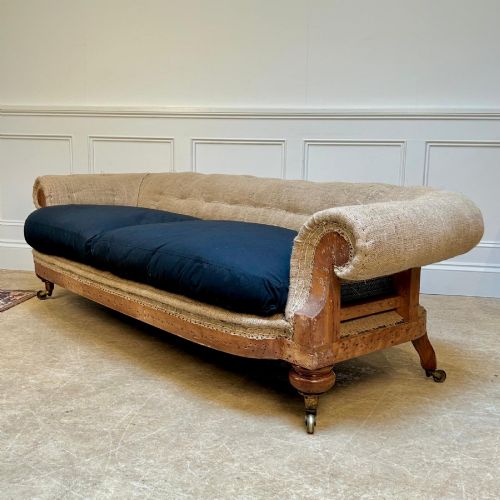
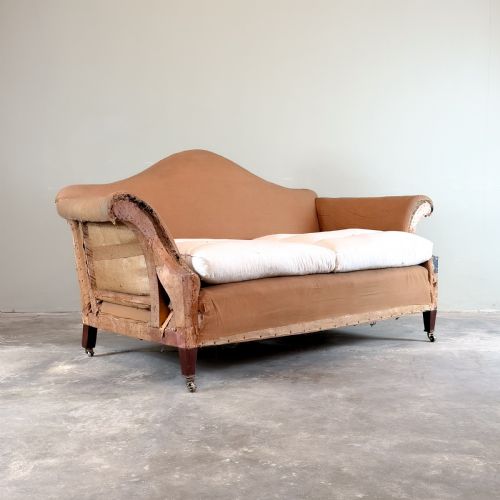
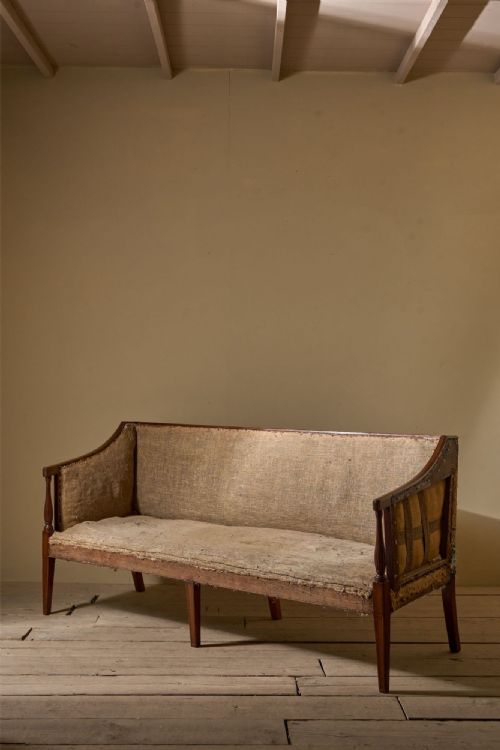
When searching for a traditional brown sofa, buyers encounter a range of forms spanning the nineteenth century through the early twentieth century. These pieces include large upholstered Chesterfields, camel back settees, and drop end sofas grounded in Victorian, Edwardian, and Regency aesthetic traditions.
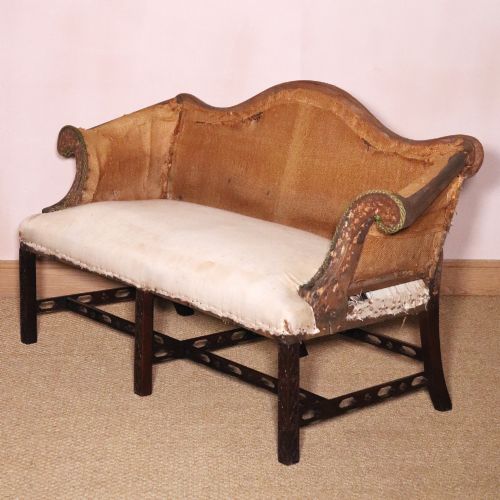
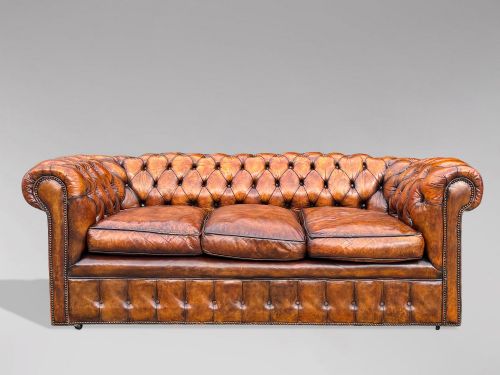
The version most commonly met on this page is the leather Chesterfield, often featuring deep buttoning and generous proportions designed for formal and domestic sitting rooms alike. Alongside these, wood framed settees with mahogany or walnut show wood provide alternative silhouettes from the same historical periods.
How they were made
Construction relies heavily on robust timbers such as mahogany, walnut, oak, and fruitwood to form the structural frames and legs. Upholstered seating incorporates traditional stuffing materials including horse hair, alongside hessian support webbing beneath the leather or fabric covers.
Surface finishes display polished mahogany and walnut grains, hand dyed leathers, and carved wooden details ranging from bulbous legs to simpler turned supports. Joinery techniques from the nineteenth and early twentieth centuries ensure structural longevity in both frames and side elements.
Traditional Brown Sofa Retail Price Guide 2026
Typical asking prices for traditional brown sofa among the pieces listed under this phrase on Sellingantiques today, from the lower quarter to the upper quarter. They describe what is for sale here now, not the wider market.
The listings here feature leather, mahogany, walnut, and oak across Victorian, Edwardian, and Regency periods.
What varies in quality
Quality differentiates itself through the crispness of timber carving, the depth and execution of upholstery work, and the integrity of the internal stuffing. Superior examples demonstrate careful selection of burr walnut or figured mahogany alongside tightly secured horse hair padding.
The handling of secondary woods and the robustness of the frame construction further separate standard domestic seating from pieces made by premier workshops. Leather quality also plays a role, with naturally aged hides retaining suppleness and character better than heavily treated alternatives.
Miles and Edwards·Hampton and Sons·Howard and Sons
The Traditional Brown Sofa Glossary
- Chesterfield
- A deep buttoned upholstered sofa traditionally finished in leather with arms and back of the same height. It remains a staple form in nineteenth century seating design.
- Camel back
- A sofa style featuring a graceful, undulating curved back profile resembling a camel's hump. This form appeared frequently in Edwardian drawing rooms.
- Drop end
- A sofa design where one or both armrests can be lowered via a mechanical hinge to form a daybed. These pieces often date from the early twentieth century.
- Horse hair
- A traditional upholstery stuffing material valued for its springiness and durability. It provides firm support beneath the leather or fabric cover of antique frames.
- Hessian
- A coarse woven fabric utilised as a foundational layer beneath upholstery stuffing. It secures internal components within the frame.
Traditional Brown Sofa: Frequently Asked Questions
How do I identify a Victorian Chesterfield?
Look for deep buttoned leather upholstery, hand tacks, and robust wooden framing beneath heavy horse hair stuffing.
These pieces typically date from the mid to late nineteenth century and display heavy proportions designed for longevity.
How should I care for antique leather?
Maintain antique leather by applying suitable conservation waxes and keeping the surface away from direct heat sources.
Natural hides require gentle cleaning to preserve their aged character and prevent drying.
Are these sofas suitable for daily use?
These sofas function well in modern interiors when the internal webbing and horse hair stuffing remain secure.
Consider whether a piece requires reupholstery or minor frame stabilization before putting it into heavy daily service.