

Traditional Brown Dresser
A traditional brown dresser brings rich timber grain and timeless storage into the room.
Traditional Brown Dresser
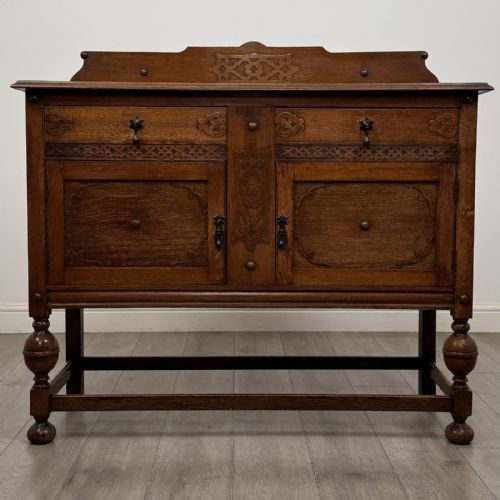
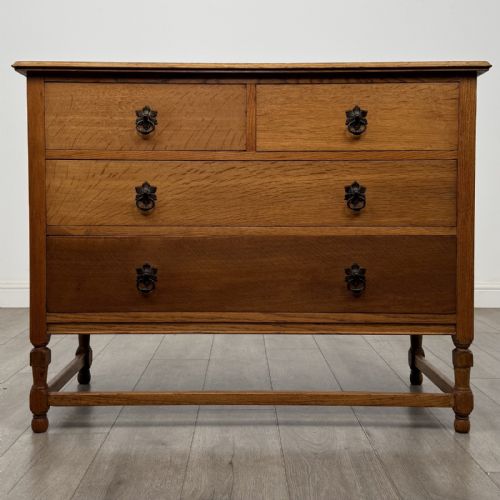
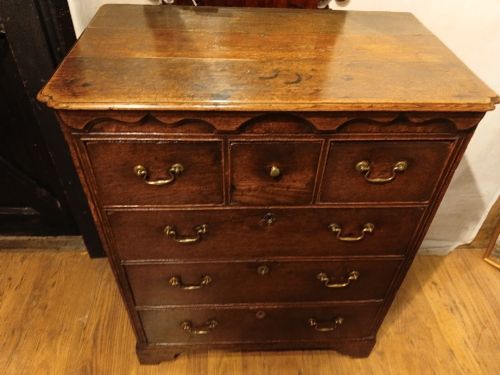
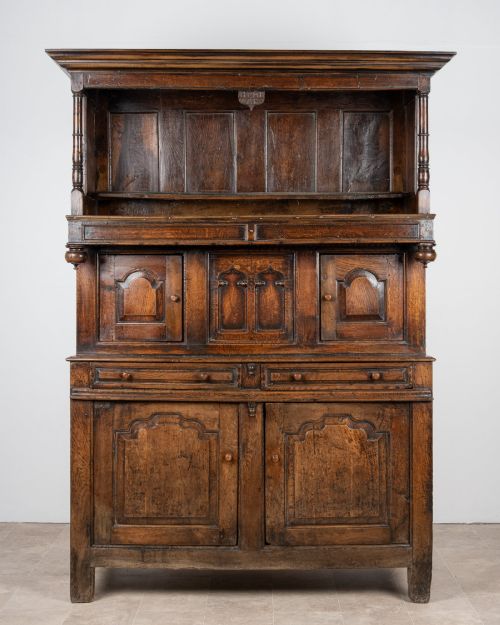
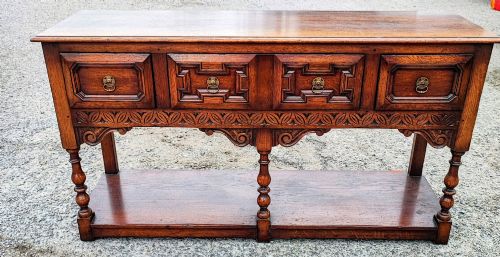
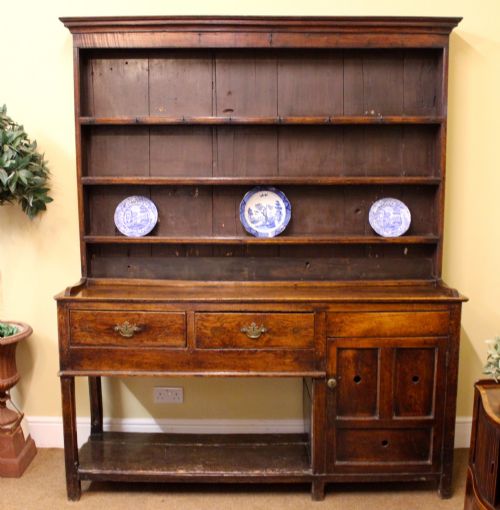
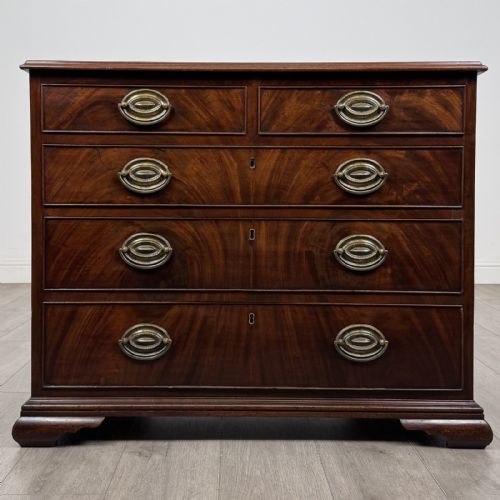
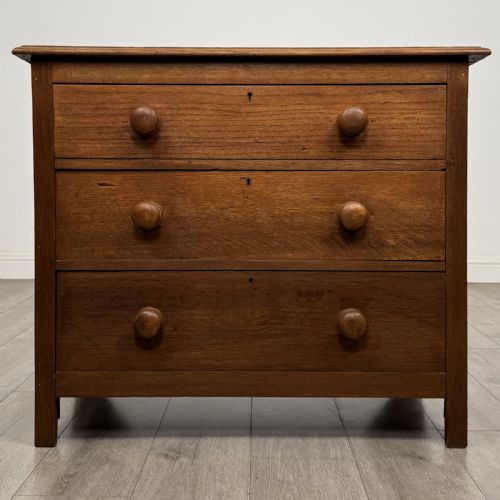
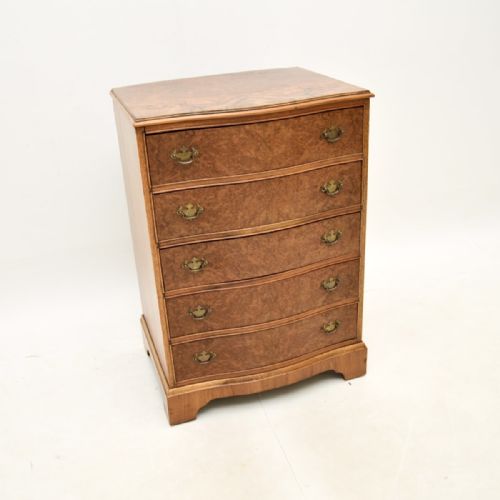
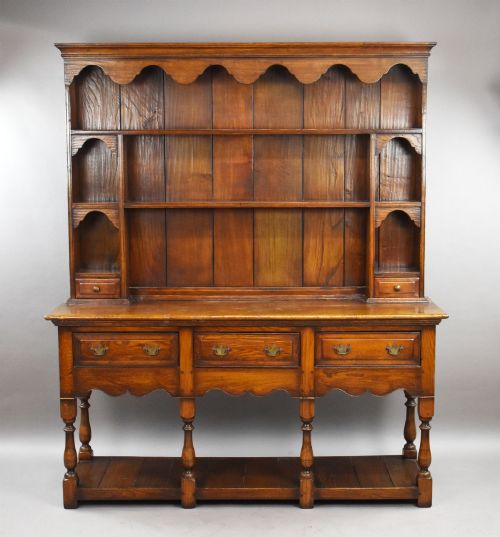
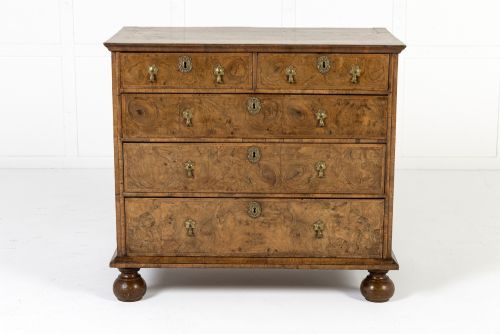
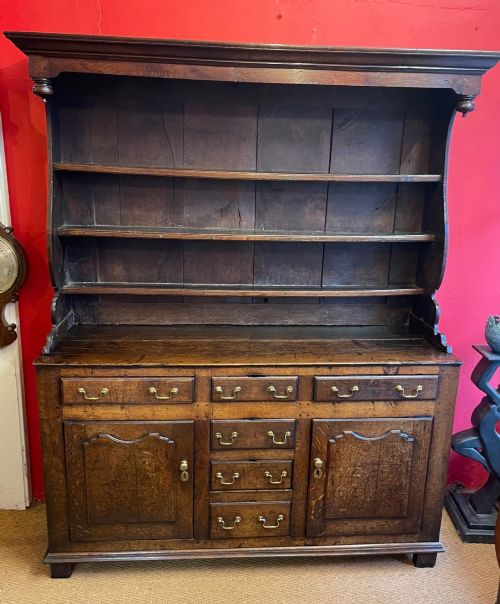
When you search for a traditional brown dresser, you encounter substantial timber storage units that combine practical drawers and cupboards. These pieces include Georgian mahogany chests, oak dresser bases, and Edwardian sideboards spanning several centuries of craftsmanship.
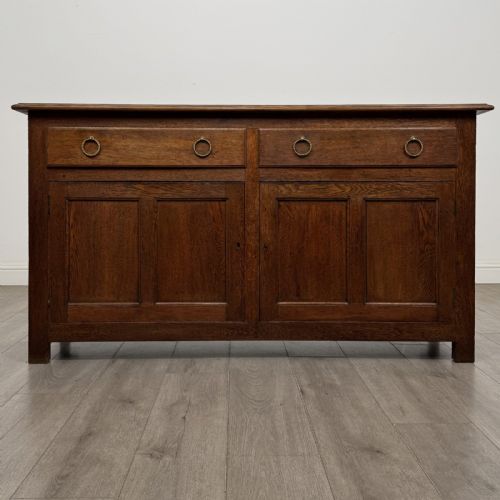
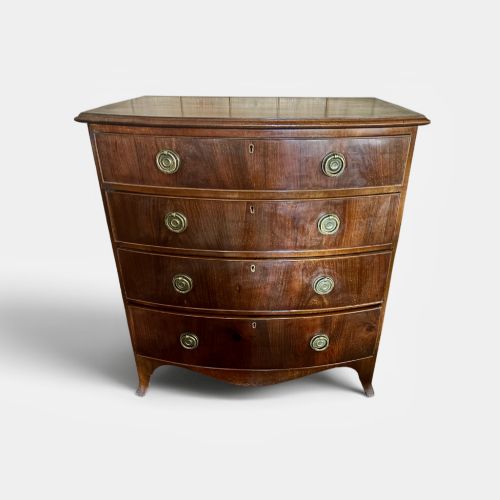
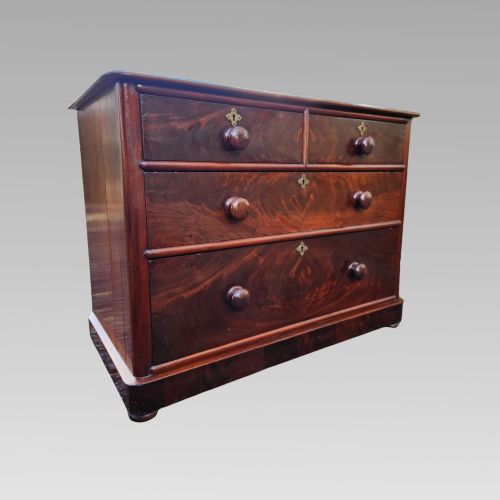
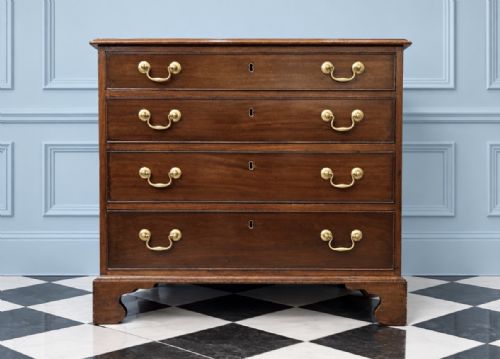
The most common variants on this page are sturdy oak and mahogany chests of drawers, alongside dresser bases featuring fielded panel doors or raised galleries. They originate from periods ranging from the 18th century through to the Edwardian era and the early 20th century.
Makers and workshops utilised robust construction methods to create pieces that served dining rooms, hallways, and bedrooms alike. You find forms ranging from simple pine cupboards to finely figured walnut consoles with cabriole legs.
Materials and construction methods
Cabinet makers relied heavily on hardwoods such as oak, mahogany, and walnut, often selecting burr or figured variations for decorative surfaces. Pine also appears frequently for utility cupboards and regional pieces.
Construction techniques involve dovetail joints for drawers and pegged framing for solid oak carcases. Brass handles, cup handles, and bracket or bun feet complete the assemblage on many of the period examples.
Traditional Brown Dresser Retail Price Guide 2026
Typical asking prices for traditional brown dresser among the pieces listed under this phrase on Sellingantiques today, from the lower quarter to the upper quarter. They describe what is for sale here now, not the wider market.
Listings feature woods including oak, mahogany, walnut, burr walnut, pine, ash, and brass hardware.
Factors that distinguish the finest pieces
The choice of timber veneer and the quality of the grain figure dictate much of the visual appeal, particularly on walnut and mahogany chests. Highly figured wood and subtle inlaid detail elevate a piece above standard utility furniture.
Execution of carved details, such as fielded panels and stretcher bases, shows the hand of a skilled craftsman. Original brass hardware and well-proportioned bracket or bun feet preserve the integrity of the design.
Rushworth's
The Traditional Brown Dresser Glossary
- Dresser base
- A low sideboard or table base without upper shelving, used for serving and storage.
- Bow front
- A convex curved cabinet front that swells outward in the centre, common in mahogany pieces.
- Bracket foot
- A simple, architectural foot shaped like a bracket, supporting the corners of a chest.
- Fielded panel
- A wooden panel with a bevelled or raised centre, adding depth to cabinet doors.
- Raised gallery
- A low decorative upstand at the back of a chest top to prevent items from sliding off.
Traditional Brown Dresser: Frequently Asked Questions
What is a traditional brown dresser?
A traditional brown dresser is a solid timber storage item, encompassing chests of drawers, sideboards, and dresser bases.
These pieces use woods like oak, mahogany, and walnut, shaped across Georgian, Victorian, and Edwardian periods.
How do I style a brown dresser?
Pair the rich timber tones with neutral walls to let the natural grain and brass hardware stand out.
Use the surface for lamps or ceramics while utilising the deep drawers for household storage.
How do I date an oak dresser?
Examine the construction methods, such as hand-cut dovetails, timber types, and hardware styles like bracket feet or turned legs.
Pieces from the 18th century often display pegged oak framing, while Edwardian examples show lighter inlaid details.
What is the difference between a sideboard and a dresser base?
A dresser base typically originates from kitchen or dining contexts, sometimes featuring a low gallery or simpler lines.
Sideboards often incorporate more formal decorative elements like carved details or fielded panel doors.