




Traditional British Country Landscape
A traditional british country landscape captures rural life through oil and watercolour, offering a direct window into historical fields, rivers, and cottages.
Traditional British Country Landscape
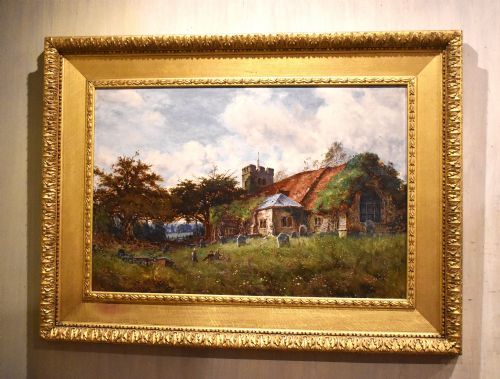
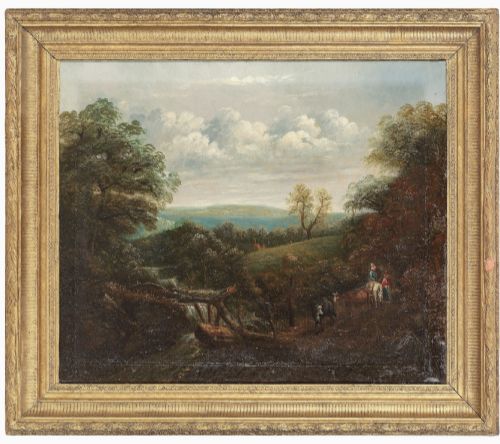
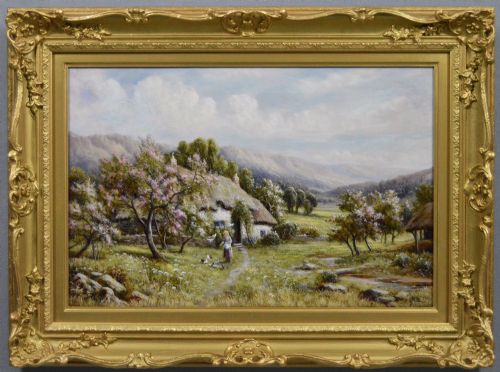
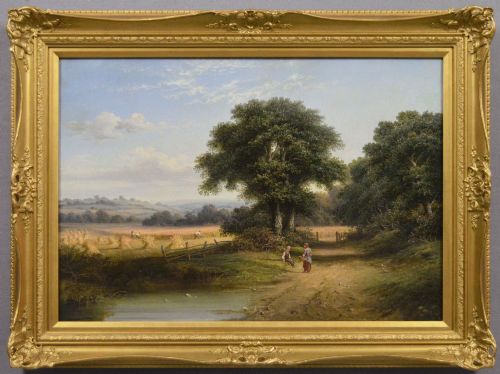
A traditional british country landscape depicts rural scenes, farming life, and countryside architecture created by British artists across the nineteenth and twentieth centuries. These works record specific regions such as Berkshire, Yorkshire, and the Thames, anchoring the viewer in recognisable local topography.
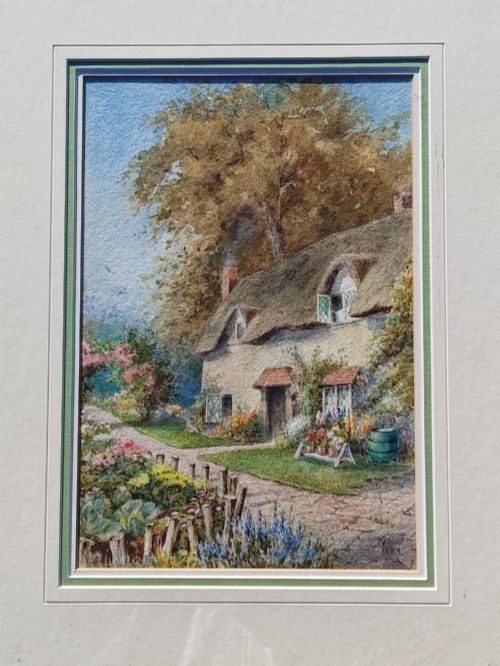
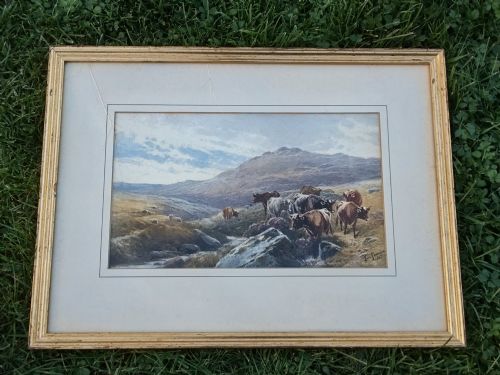
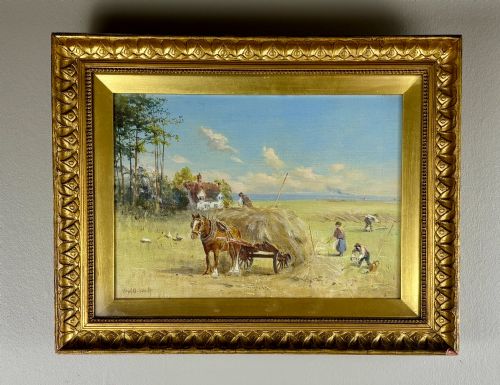
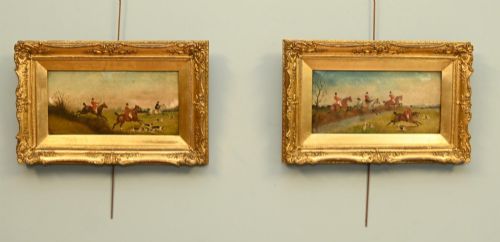
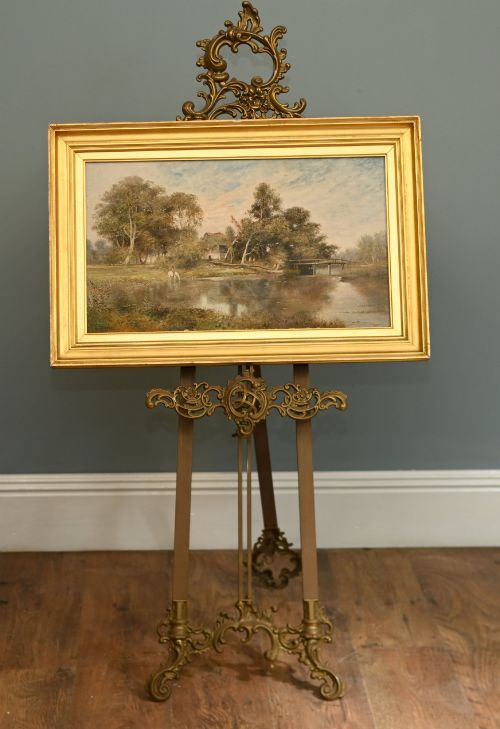
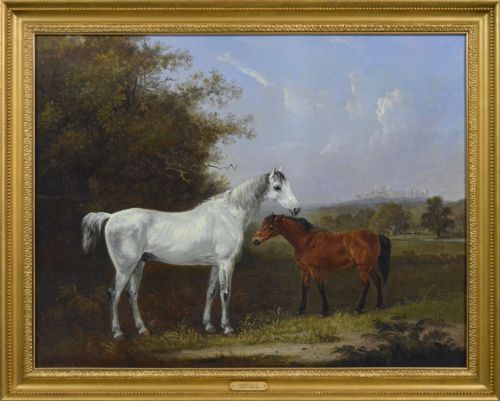
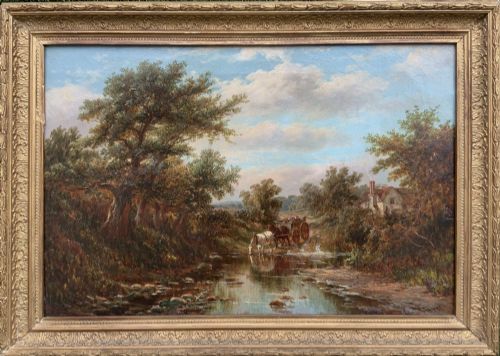
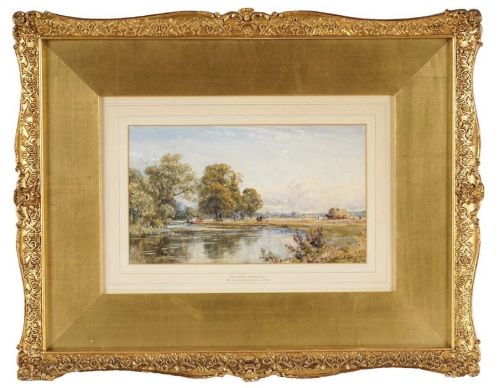
The most common formats on this page include oil paintings on canvas or panel alongside delicate watercolour paintings on paper. Subjects range from cottages and harvest fields to rivers and livestock, framed in period gilt wood.
Pieces span multiple eras from the Victorian period through Edwardian times and into the mid twentieth century. Buyers encounter both named artists of the English School and atmospheric works by regional painters.
How they were made
Artists painted primarily with oil paint on stretched canvas, wooden board, or wooden panels, applying pigment to capture natural light and atmospheric weather conditions. Watercolours on paper provide a lighter, more translucent medium favoured for detailed river and garden scenes.
Support materials include traditional giltwood frames that complement the period of the painting. Canvases are sometimes laid onto board for structural stability during conservation.
Several canvases manage to include remarkably stern-looking cows peering directly at the painter.
What varies in quality
Quality rests in the handling of light, brushwork confidence, and the accurate rendering of natural anatomy and perspective. Stronger compositions convey genuine atmosphere and depth rather than relying on formulaic foliage or rigid structures.
The execution of detail in figures, livestock, and architectural elements separates accomplished artists from competent amateurs. Original frames matching the period also influence the integrity of the piece.
Percy Lancaster·William Howard Hardy·John Horace Hooper·Robert John Hammond·Walter Heath Williams·Robert Thorne Waite·John Smith Atherton·George Wright·Henry H Parker·Sydney Yates Johnson·Owen Bowen·Charles Walter Simpson·Robert Little·Henry John Kinnaird·Henry John Yeend King·Philip Henry Rideout·George Armfield·George Hilditch·Herbert Royle·John Atkinson·Theresa Stannard
The Traditional British Country Landscape Glossary
- Oil on Canvas
- A painting technique using pigments bound in a drying oil applied to a woven fabric stretched across a wooden frame. This method allows for rich colour blending and textured brushwork.
- Watercolour
- A painting method where water-soluble pigments are suspended in a water-based solution on paper. It creates luminous washes and delicate detail.
- English School
- A classification for artists trained or working primarily within Britain whose styles share regional techniques and subjects. It encompasses diverse movements from pastoral realism to impressionism.
- Giltwood
- Wood carved and coated with a thin layer of gold leaf or gold paint. Frames of this material define the presentation of antique paintings.
- Panel
- A flat piece of wood used as a rigid support for painting instead of fabric canvas. Panels offer a smooth, stable surface for fine detail.
Traditional British Country Landscape: Frequently Asked Questions
What is a traditional british country landscape?
These artworks depict rural scenes, agricultural life, and natural scenery across Britain painted during the nineteenth and twentieth centuries. They serve as historical records of changing countryside and rural architecture.
Collectors prize them for their evocative portrayal of local topography and traditional ways of life. Each piece reflects the artistic conventions of its specific decade.
How were these paintings displayed originally?
Paintings were housed in formal reception rooms and parlours within substantial homes, often mounted within elaborate giltwood frames. These frames were designed to complement the domestic interior decoration of the period.
Today, they function similarly in modern interiors, bringing warmth and historical context to wall spaces. Proper framing protects the edges of the canvas or paper from environmental wear.
How do I care for an antique painting?
Keep works away from direct sunlight and fluctuating humidity to prevent canvas warping or pigment fading. Gentle dusting with a soft, dry brush maintains the surface without introducing moisture.
Avoid hanging pieces above active heat sources like fireplaces. Professional conservators should handle any deep cleaning or structural repairs.
How do I tell Victorian from Edwardian landscapes?
Victorian works often feature heavier, dramatic brushwork and darker palettes focused on moral or narrative pastoral themes. Edwardian paintings typically introduce lighter tones and softer impressionistic light inspired by changing artistic tastes.
Examining the canvas preparation, framing style, and artist signatures helps confirm the period. Historical records and exhibition labels provide further chronological markers.