



Traditional Brass Paraffin Burner
These traditional brass paraffin burner designs bring warm, historic light into a room, forged from gleaming metal and finished with tinted glass.
Traditional Brass Paraffin Burner
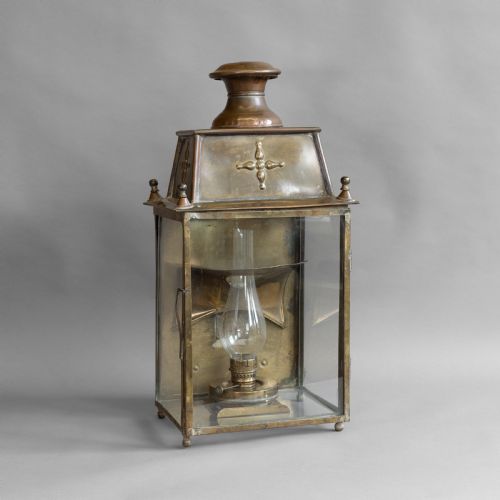
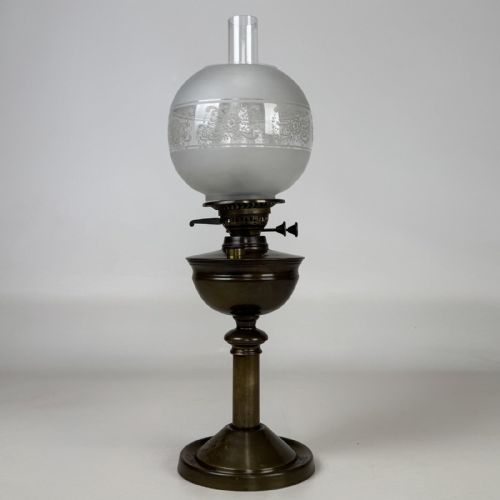
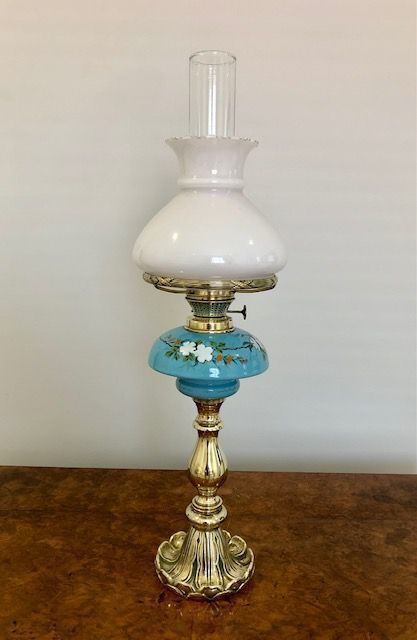
When you search for a traditional brass paraffin burner, you are looking at nineteenth and early twentieth century domestic lighting powered by oil. These items combine a metal reservoir and column with glass or ceramic components to cast functional light before electricity reached every home.
On this page, you are most likely to meet Victorian and Edwardian examples featuring heavy metal bases and various chimney configurations. The forms range from simple cottage table models to grand columns with elaborate shades.
How traditional brass paraffin burner objects were made
The construction relies on cast and spun metal paired with blown or moulded glass elements. Makers combined brass columns and fonts with ceramic bodies, ebonised wood bases, and copper accents.
Shades and fonts required specialist glasswork, utilising clear, cut, opaline, cranberry, and etched glass tulip designs. Metal components were turned, polished, and sometimes plated to achieve a durable finish.
Traditional Brass Paraffin Burner Retail Price Guide 2026
Typical asking prices for traditional brass paraffin burner among the pieces listed under this phrase on Sellingantiques today, from the lower quarter to the upper quarter. They describe what is for sale here now, not the wider market.
Some nineteenth century households relied entirely on these heavy metal columns to find their boots in the dark.
What varies in quality
Quality rests in the weight of the metalwork and the crispness of the casting. Heavier brass columns and more substantial bases separate robust items from lighter, simpler productions.
The standard of the accompanying glass font or shade dictates the refinement of the piece. Elaborate cut glass, cased opaline, or rich cranberry colouring signal superior craftsmanship compared to plain glass.
Young s Special·Messengers·Harrods
The Traditional Brass Paraffin Burner Glossary
- Duplex burner
- A double-wick mechanism that produced a brighter flame than single-wick designs. It required two parallel flat wicks housed in a wider brass gallery.
- Font
- The oil reservoir that sits atop the column or base. It is frequently made of glass, ceramic, or brass to hold the paraffin fuel safely.
- Opaline glass
- An opaque, milky-white glass often tinted in pastel shades. It was widely used for shades to diffuse the light softly across a room.
- Cranberry glass
- A rich red glass created by adding gold chloride to the molten batch. It appears frequently in the font sections of Victorian lighting.
Traditional Brass Paraffin Burner: Frequently Asked Questions
How do these lamps work?
These lamps draw liquid paraffin up through a woven fabric wick via capillary action. Lighting the exposed top of the wick produces a steady flame protected by a glass chimney.
A metal burner mechanism controls the flame height using a small thumbwheel. Turning the wheel raises or lowers the wick to adjust the brightness.
Can I still burn oil in them?
Many people continue to burn modern lamp oil or liquid paraffin in these vessels for atmospheric lighting. Ensuring the wick and burner mechanism are clean and sound is essential before use.
Some buyers prefer to convert them for electricity to use them safely as bedside or table lamps. Conversion typically avoids drilling the main body by running wiring through the burner collar.
How do I clean the brass?
A gentle wipe with a soft, dry cloth removes dust without disturbing the aged patina. Avoid harsh chemical polishes that strip the historic character from the metal surface.
Glass shades and chimneys can be washed separately in warm soapy water. Ensure every glass component is completely dry before placing it back on the metal collar.
Are these pieces Victorian or Edwardian?
The listings span from the mid-nineteenth century through the Edwardian era and into the early twentieth century. Victorian examples often feature ornate Corinthian columns or coloured glass fonts.
Edwardian pieces tend toward simpler domestic forms or softer opaline shades. Examining the metal casting style and glass decoration helps determine the specific period.