

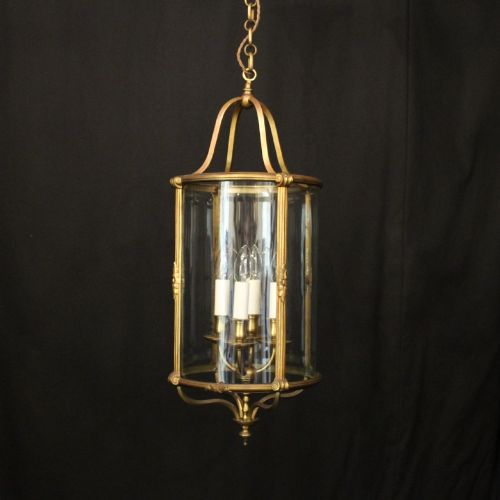
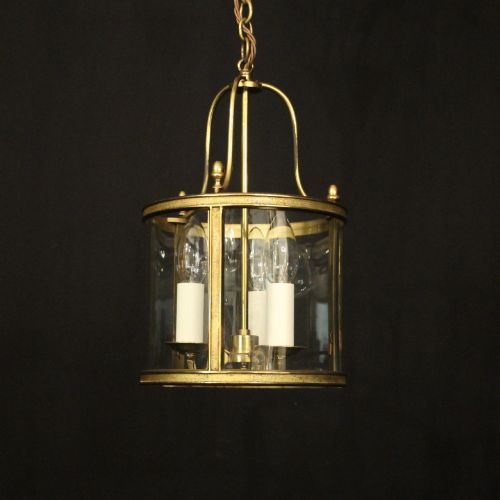
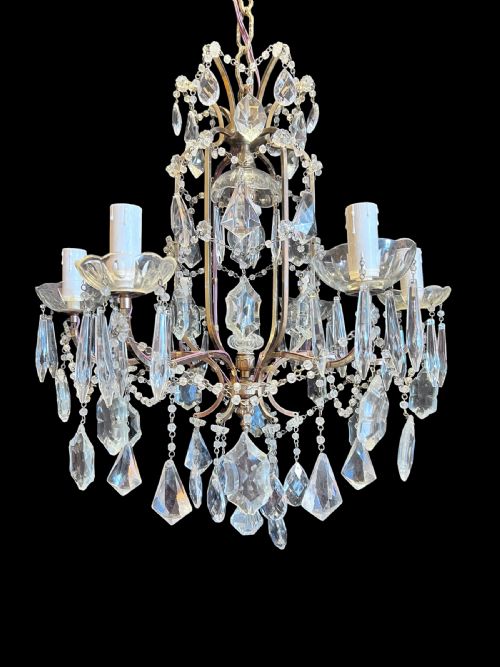
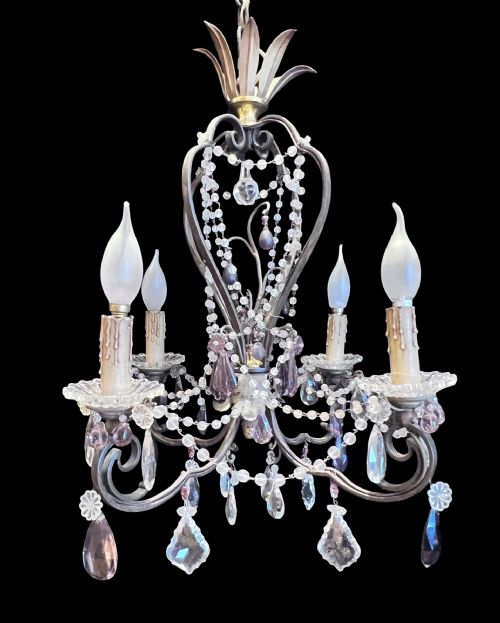
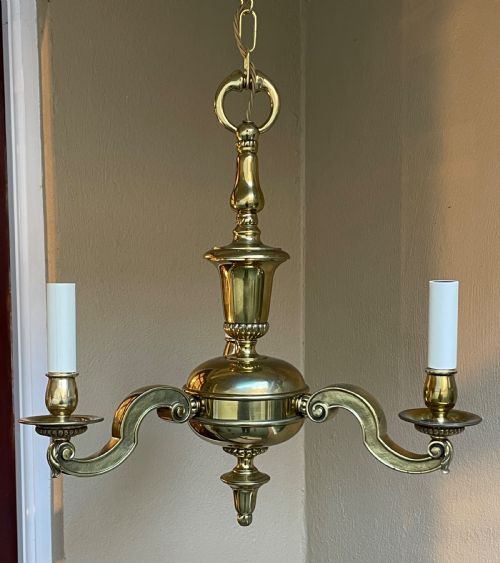
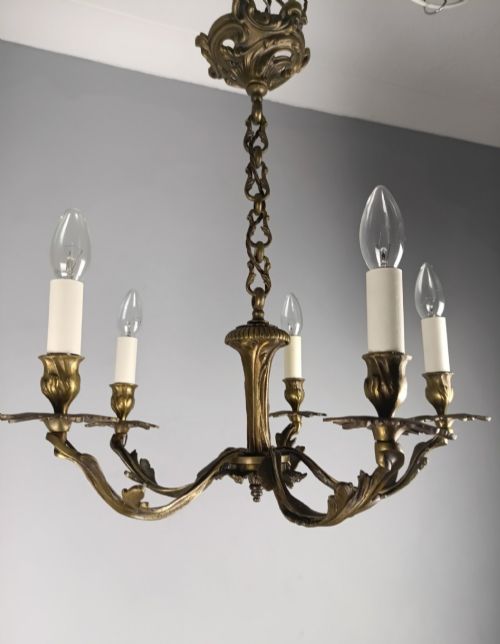
Traditional Brass Light Fixture
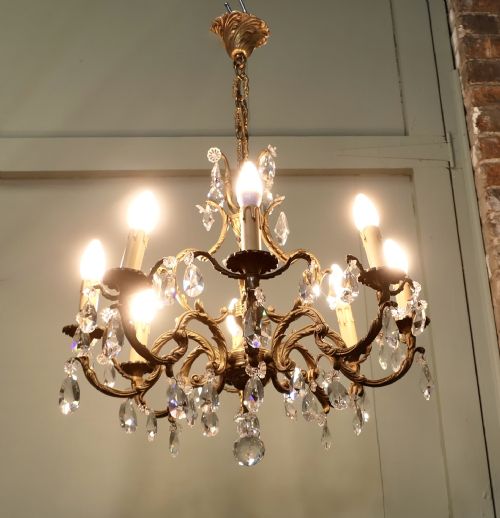
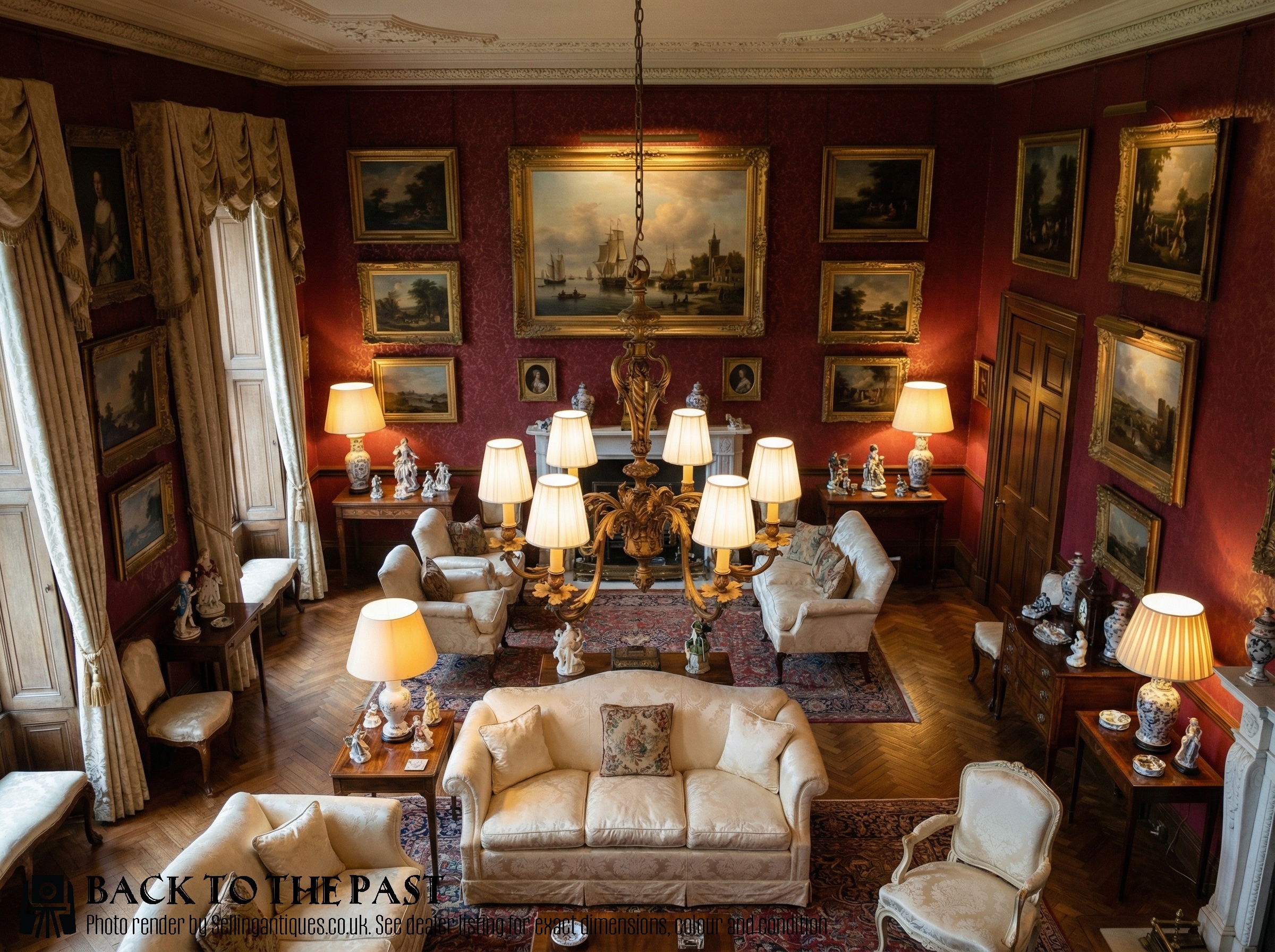
A traditional brass light fixture brings weighted metalwork and glass illumination to high ceilings, drawing the eye upwards with period detail.
Traditional Brass Light Fixture
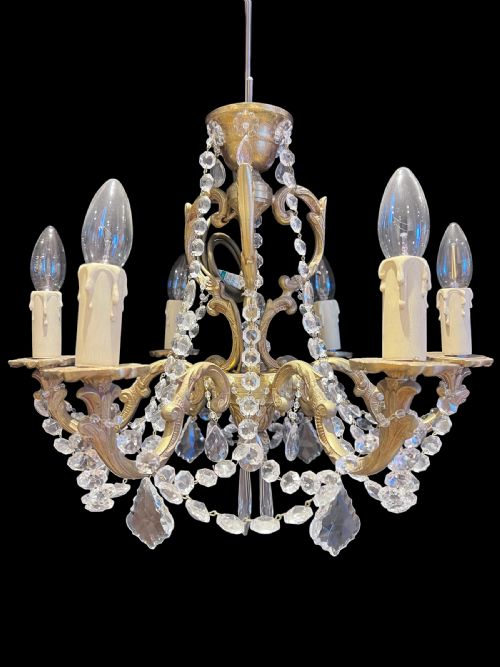
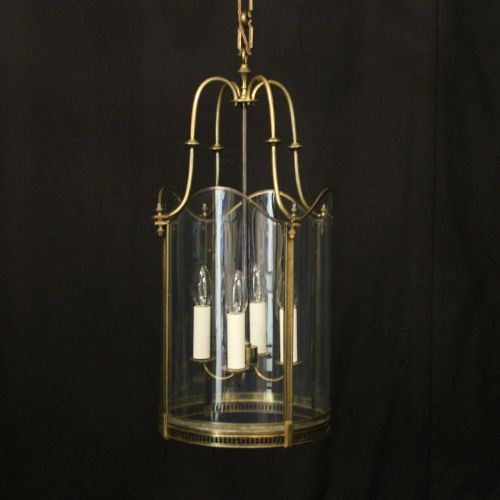
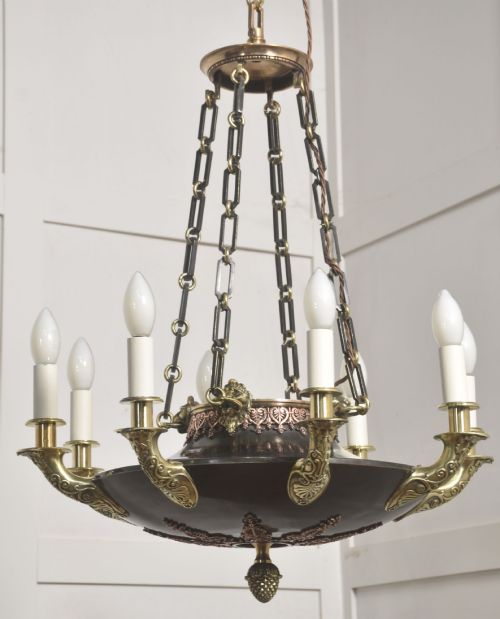
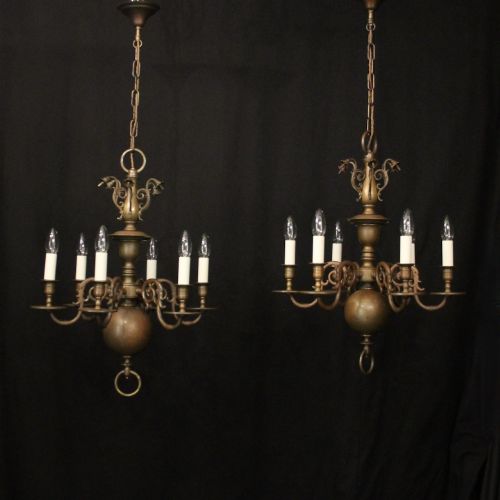
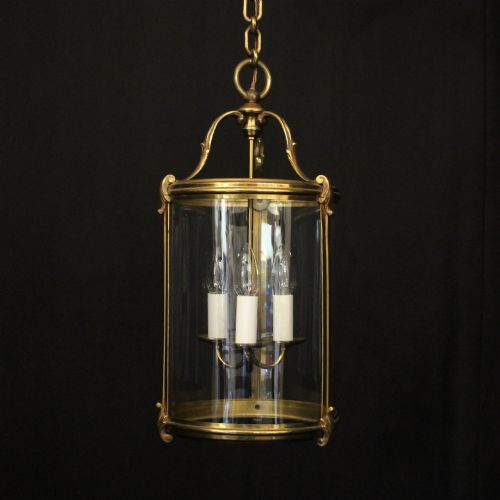
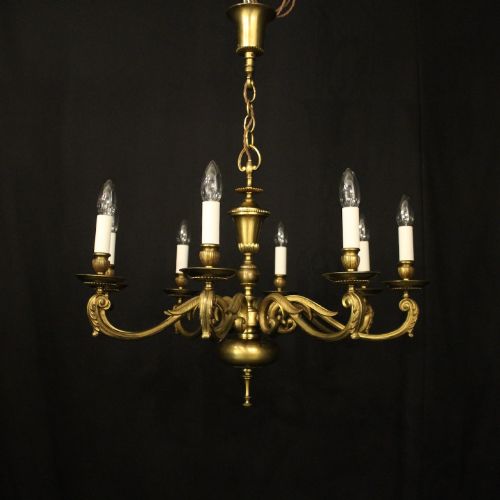
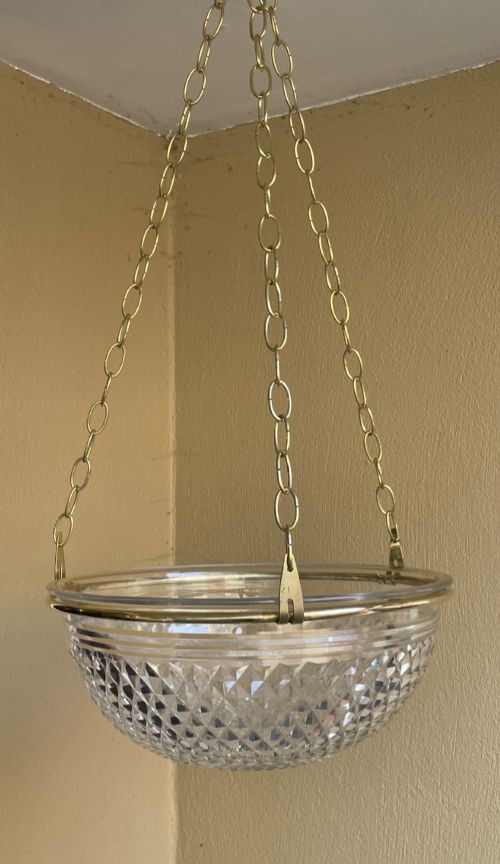
A traditional brass light fixture encompasses chandeliers, hall lanterns, ceiling lights, and table lamps drawn from the nineteenth and early twentieth centuries. When searching for a traditional brass light fixture, buyers commonly encounter French and English multi-armed chandeliers alongside hanging lanterns from the Edwardian and Victorian eras.
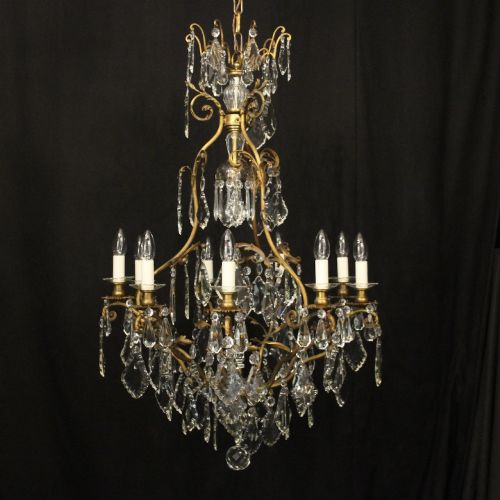
The selection ranges from large multi-light crystal-hung fixtures to simpler reeded column table lamps and copper or brass ceiling lights. French designs featuring gilt bronze, crystal lustres, and convex glass dominate the selection, offering substantial illumination for period interiors.
Materials and construction methods
These pieces rely heavily on cast and gilt brass, bronze, and copper formed into structural arms, frames, and ceiling mounts. Metal components are frequently paired with cut glass, crystal lustres, moonstone, and amethyst glass elements to diffuse and refract the light.
Craftsmen utilised traditional casting and gilding techniques to finish bronze and brass surfaces, while glass elements were hand-cut or moulded into plafonniers, drops, and convex panes for hallway lanterns.
Listings span several decades from the 1860s through the 1930s, incorporating Victorian, Edwardian, Empire Revival, and French Rococo styles.
Distinctions in craftsmanship
Quality rests in the crispness of the metal casting, the depth of the gilding, and the weight of the bronze or brass used in the frame. Superior examples display finely chiselled surface details on the arms and mounts rather than flat or smoothed-over casting.
The integration of the glass components also sets pieces apart, where hand-cut crystal lustres, heavy moonstone shades, and complex tent-and-waterfall configurations demonstrate a higher tier of period production.
The Traditional Brass Light Fixture Glossary
- Plafonnier
- A bowl-shaped ceiling light mounted flush or close to the ceiling. These fixtures typically feature cut glass or moulded glass shades held by metal frames.
- Hall Lantern
- An enclosed hanging light designed for corridors and entrance halls. They often incorporate glazed glass panels within a brass or bronze framework.
- Lustre
- A cut glass pendant or droplet hung from a chandelier to reflect light. Lustres are characteristic of grander nineteenth and early twentieth-century lighting.
- Tent and Waterfall
- A chandelier configuration where strings of glass beads form an upper tent shape above a wider cascading tier of crystals. This style gained popularity during the Empire revival period.
- Gilt Bronze
- Bronze metal coated with a thin layer of gold leaf or gilt wash. This finish provides a warm, enduring metallic sheen across period frames.
Traditional Brass Light Fixture: Frequently Asked Questions
How do I hang a heavy chandelier safely?
Heavy chandeliers require direct anchoring into ceiling joists or structural nogging using a rated steel hook capable of supporting the combined weight of the metal and crystal.
Professional installation by an electrician ensures the wiring and suspension points are secure, particularly for large multi-light fixtures dating from the nineteenth and early twentieth centuries.
Can I adjust the drop of these fixtures?
The hanging height depends on the original suspension chain or rod supplied with the piece. Shortening a chain is straightforward, though fixed-rod lanterns offer less flexibility.
Care must be taken not to alter the original wiring path or damage the period brass linkages when adjusting the height.
How do I clean antique brass and crystal?
Dust crystal lustres and glass shades gently with a soft microfibre cloth to prevent scratching the surface. Avoid harsh chemical cleaners that strip the original patina from gilt brass and bronze components.
Specialist metal care products should be used sparingly, testing a small hidden area first to preserve the antique finish.
What rooms suit a hall lantern?
Hall lanterns provide focused downward and ambient light, making them well-suited for entranceways, stairwells, and narrow corridors. Their enclosed glass panels protect the interior burners or bulbs from drafts in high-traffic passageways.
Scale is important, ensuring the lantern dimensions match the ceiling height and floor area of the space.