


Traditional Bobbin Turned Seating
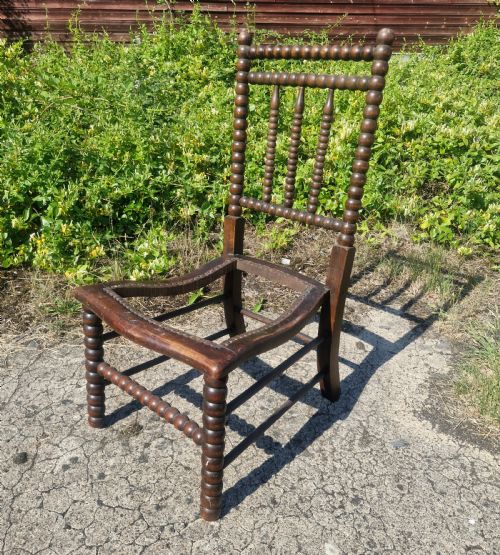
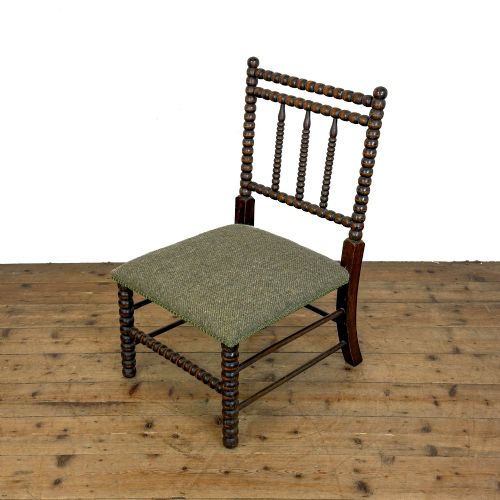
Traditional bobbin turned seating comprises turned wooden frames with distinct spool profiles, offering both structural charm and historical resonance for the home.
Traditional Bobbin Turned Seating
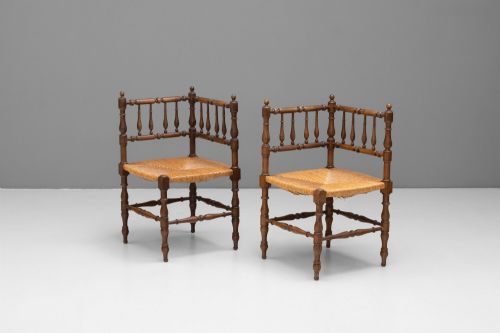
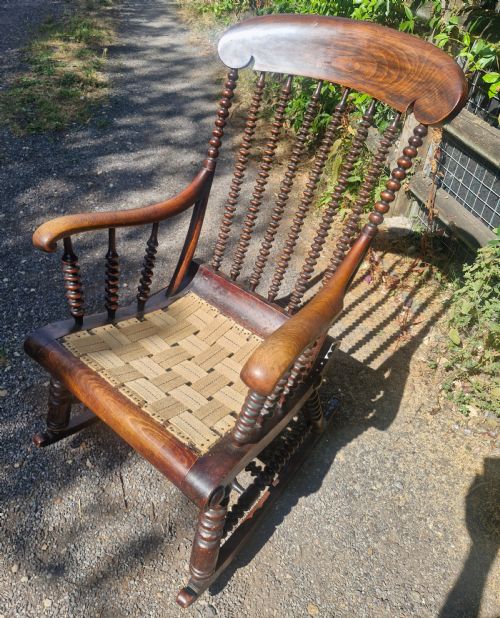
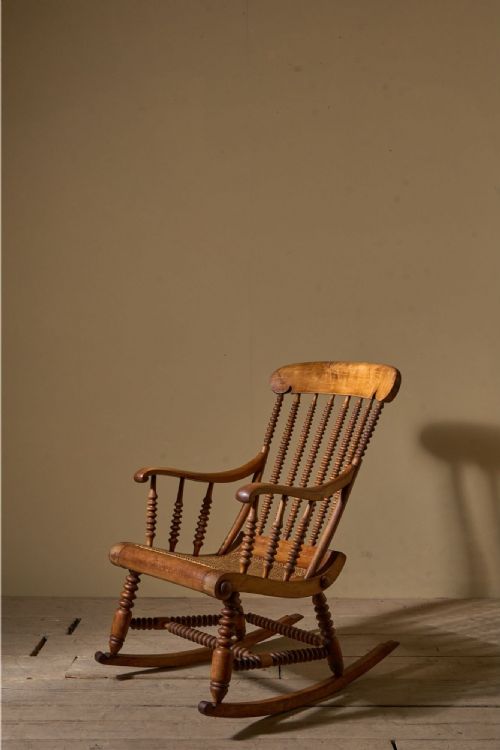
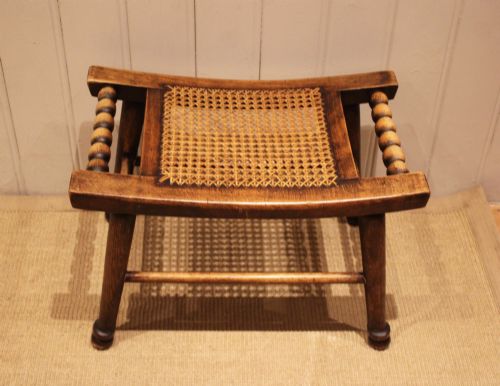
Traditional bobbin turned seating encompasses armchairs, rocking chairs, corner chairs, side chairs, and stools shaped by repetitive, rounded wood turnings that resemble spools of thread. These pieces emerge across the nineteenth century, including specific Victorian examples alongside Swedish country folk art and English country variants.
Stylistic influences range from rustic farmhouse and Gothic revival to old Saxon chair designs and Derbyshire style oak chairs. This variety allows collectors to select anything from a simple turned beech cane seat stool to a pair of elaborate corner chairs.
Construction and materials
Frames rely on hardwoods such as oak, beech, walnut, and general hardwood, shaped on a lathe to create the characteristic series of rounded knobs or bobbins. Joinery secures these turned members into sturdy armchairs, rocking chairs, and stools designed for daily utility.
Seating areas incorporate natural materials like cane, rush, and fabric upholstery, sometimes accompanied by loose cushions or brass details. This combination of turned wooden framing and flexible woven or upholstered inserts defines the construction of these historical seats.
Even the household spool found its way into furniture, giving rise to seats that resemble giant wooden necklaces.
Judging quality in bobbin turned furniture
Quality rests upon the precision and uniformity of the lathe work, where crisply defined spool turnings demonstrate superior craftsmanship compared to softer, less distinct profiling. The choice of dense hardwoods like oak and walnut also elevates the structural integrity and longevity of the frame.
The preservation of original seating materials, whether intact cane work, tight rush weaving, or sympathetic fabric upholstery, influences the desirability of the piece. Furthermore, balanced proportions in rarer forms like corner chairs or children's chairs distinguish finer workshop output from simpler vernacular production.
The Traditional Bobbin Turned Seating Glossary
- Bobbin turning
- A form of woodturning characterised by a sequence of cylindrical projections resembling spools or bobbins threaded along the length of the furniture leg or stretcher.
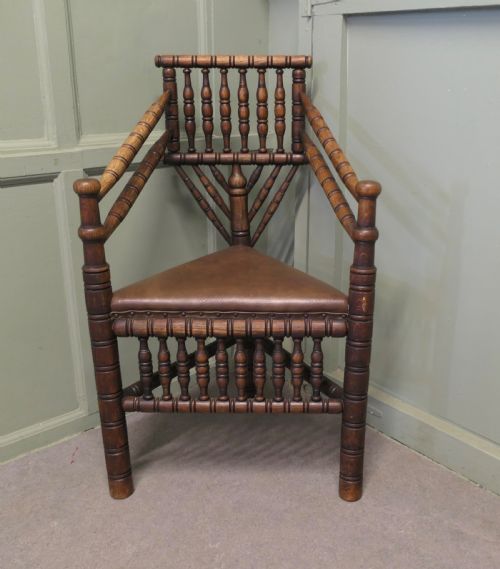
- Turners chair
- A traditional heavy armchair constructed entirely from turned wooden members, often associated with historical vernacular styles and sometimes called an old Saxon chair.
- Cane seat
- A seating surface woven from peeled rattan or cane strips, providing a resilient and breathable platform within the wooden frame.
- Corner chair
- A chair designed with a diagonal orientation to fit neatly into room corners, typically featuring a curved backrest supported by turned pillars.
- Rush seating
- A woven seat made from dried marsh rushes, frequently employed in country chairs and stools to create a durable, textured surface.
Traditional Bobbin Turned Seating: Frequently Asked Questions
How do I identify a Victorian bobbin chair?
Victorian examples often utilise woods like oak, beech, or walnut, and may exhibit revival styles such as Gothic or Saxon influences.
Look closely at the turning work on the legs and stretchers, which displays the characteristic spool profile typical of the era.
Were these chairs used in dining rooms?
While many survive as armchairs, rocking chairs, or bedroom seating, evidence shows side chairs and dining chairs were also produced in this style.
Their sturdy hardwood construction made them suitable for daily domestic use around the home.
What materials are used for the seats?
Seats are commonly fitted with woven cane, traditional rush, or upholstered fabric, occasionally supplemented by loose cushions.
These materials offer a contrasting texture to the rigid, turned wooden framework of the chair.
Are corner chairs practical for modern homes?
Corner chairs offer a compact footprint designed to fit into unused room angles while providing a supportive backrest.
Their distinct profiles make them functional statement pieces in hallways, studies, or living spaces.