
Traditional Bench
A traditional bench anchors an entrance or a long hallway, offering solid wood seating shaped by centuries of domestic use.
Traditional Bench
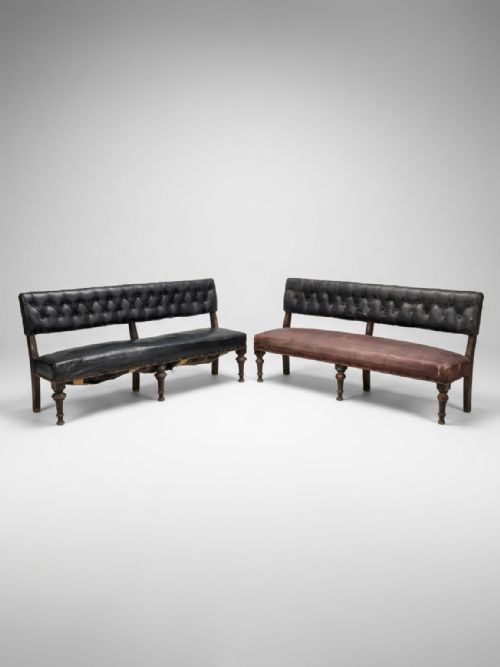
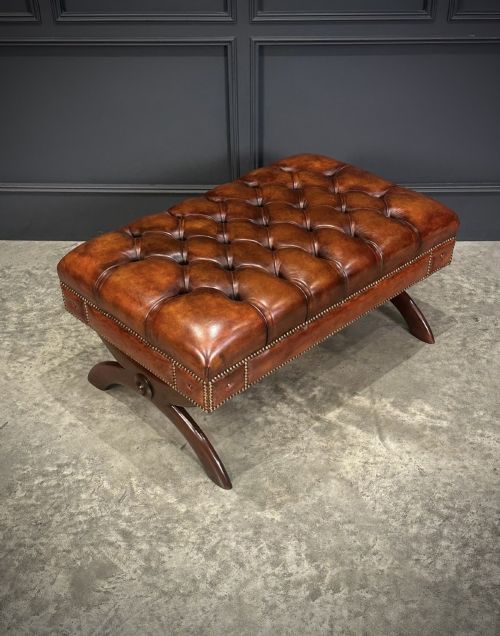
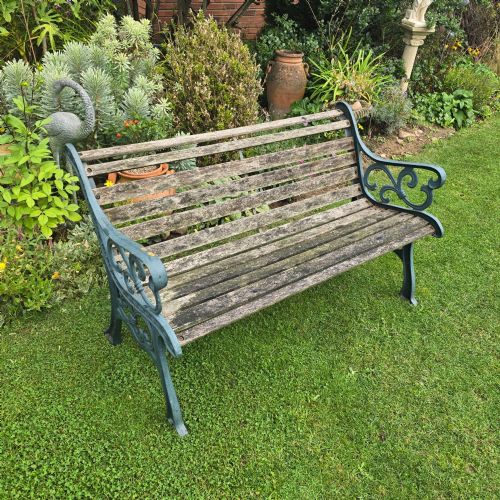
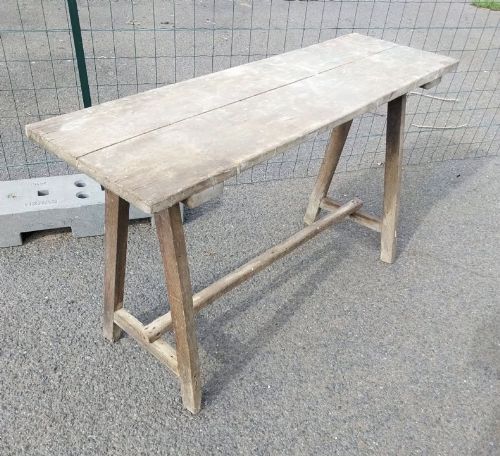
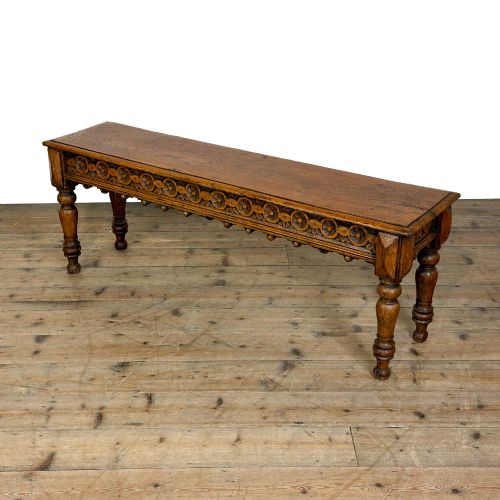
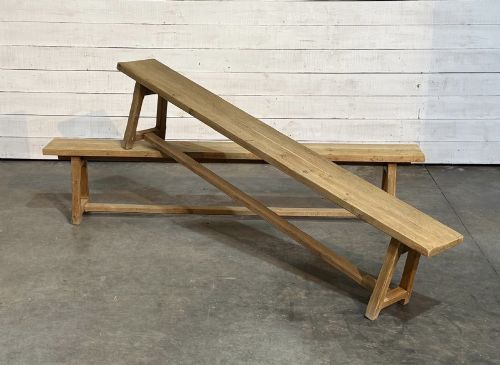
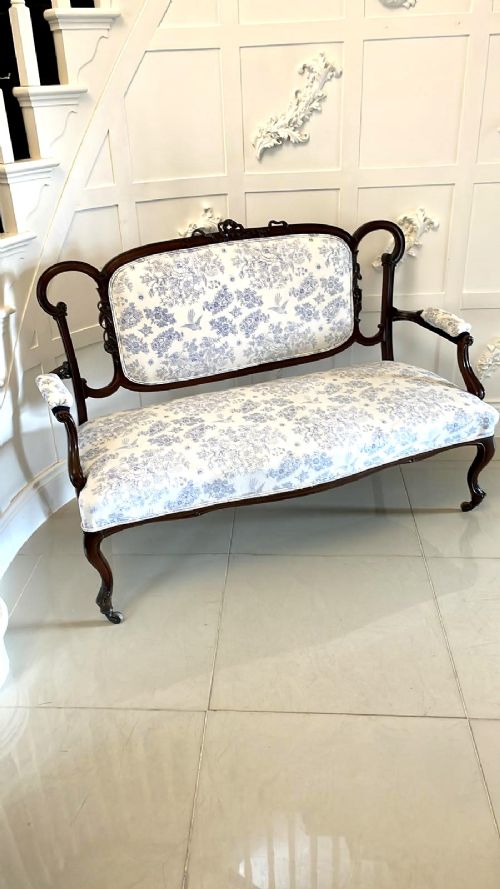
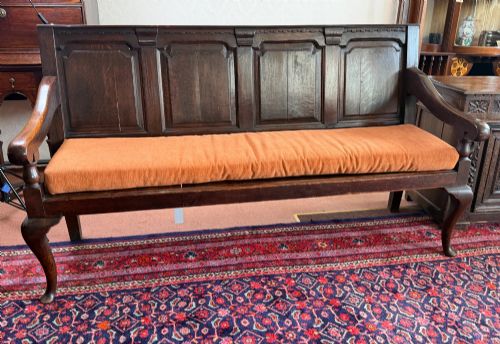
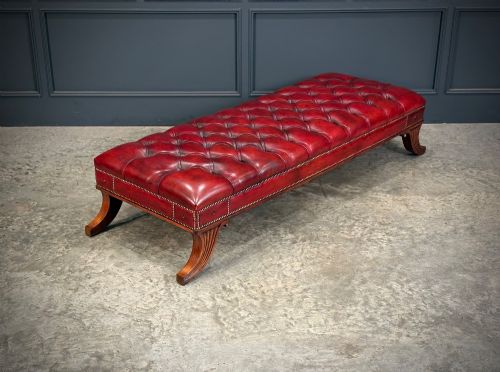
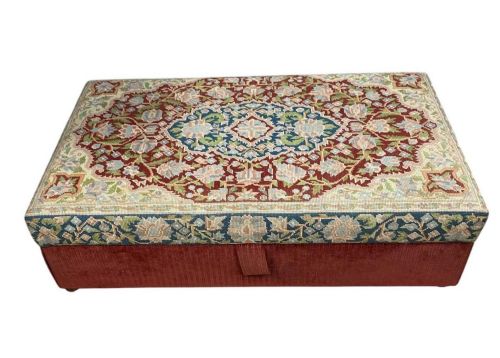
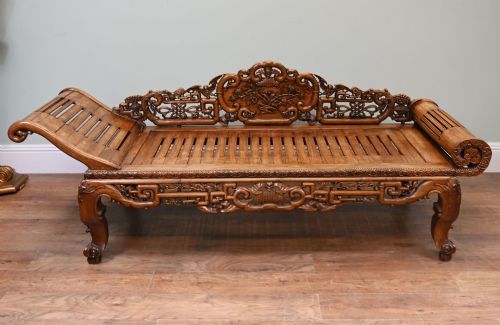
A traditional bench bridges utilitarian purpose and regional craftsmanship, appearing across domestic settings from hallways to gardens. These pieces take various forms in the listings, including hall benches, settles with high backs, chapel pews, and rustic garden seats dating from the eighteenth century through the early twentieth century.
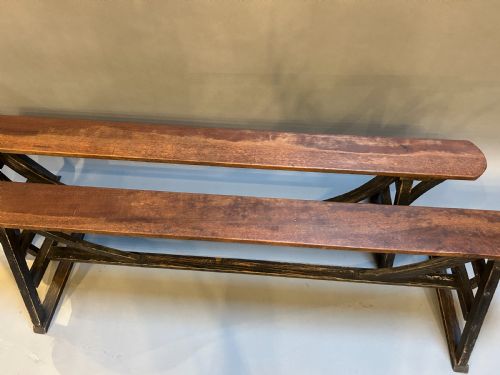
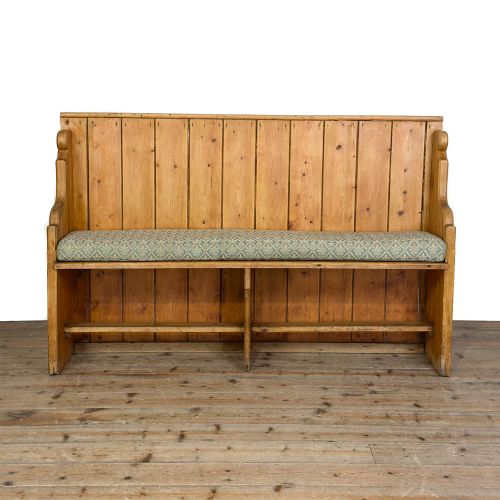
The most frequent examples encountered on this page are oak and pine hall benches or church pews from the nineteenth century. Buyers also find elm and mahogany variants, alongside specialised forms like the monk's bench with a folding top.
Materials and construction
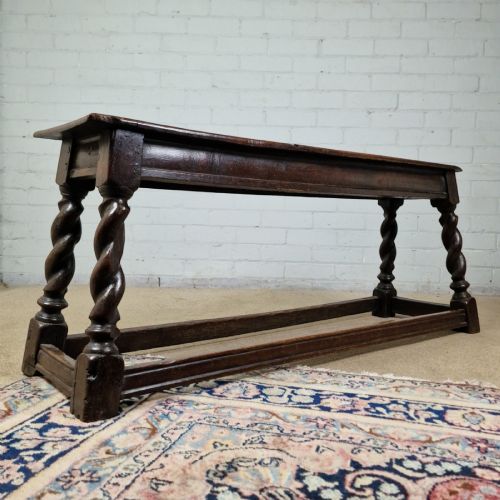
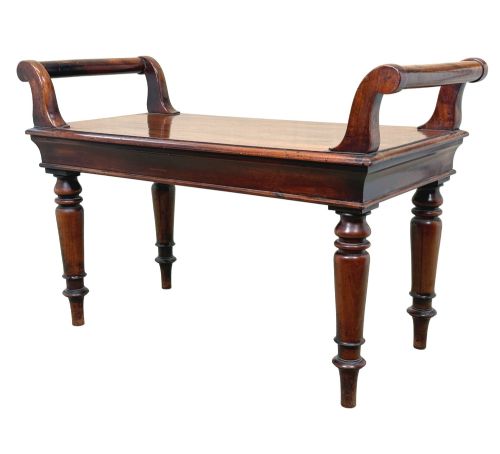
Makers relied primarily on native timbers such as oak, elm, pine, and mahogany, selecting each wood for structural resilience and grain pattern. Construction methods include traditional joinery like pegged mortise and tenon joints, board seats, and turned supports.
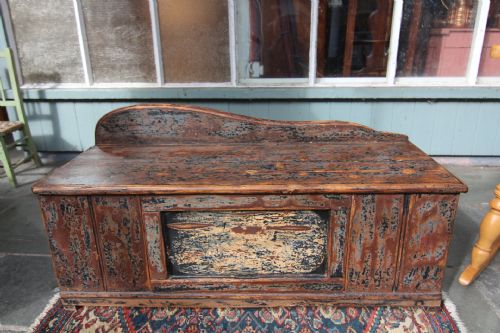
Surface treatments range from waxed and polished finishes on interior oak to weathered patinas on teak garden seats and polychrome paint on functional boxes. Iron brackets, brass accents, and carved decorative panels supplement the basic timber frames.
Listings feature traditional benches spanning the 18th, 19th, and early 20th centuries, constructed from oak, pine, elm, and mahogany.
Assessing quality
Quality rests upon the integrity of the timber and the depth of the original patina acquired through decades of handling. Pieces retaining their original board seats, untouched carved panels, and uncompromised structural joints command greater interest.
Proportion and execution distinguish finer examples from standard utility pieces. A well-balanced frame with crisp carving and honest wear distinguishes workshop-made furniture from later reproductions.
The Traditional Bench Glossary
- Settle
- A wooden bench with a high back, solid arms, and often a storage box beneath the seat. Designed to keep draughts away from the occupant in older domestic halls.
- Monk's bench
- A multi-functional seating form featuring a hinged top that folds down to create a table. It serves both dining and seating roles in compact spaces.
- Joint stool
- A sturdy, low wooden stool constructed with mortise and tenon joints before chairs became common household items. They often served multiple purposes including seating and small tables.
- Pew
- A long wooden bench historically found in churches and chapels, constructed from pine or oak with simple bench ends. They provide long, uninterrupted runs of timber seating.
- Patina
- The surface sheen and colour developed by wood and metal over years of use and polishing. It serves as an indicator of age and handling.
Traditional Bench: Frequently Asked Questions
Where should I place a hall bench?
A hall bench suits narrow entryways and corridors, providing a place to sit while removing shoes or coats. Many designs incorporate lift-up lids or lower boxes for storing hallway clutter out of sight.
Ensure you measure the walkway clearance before selecting a longer settle or pew, as traditional depths and backrests require adequate floor space to sit comfortably without blocking doors.
How do I care for antique wood furniture?
Maintain timber benches by applying traditional beeswax periodically to nourish the grain and protect the surface from drying out. Avoid placing wooden seating near direct heat sources or in strong sunlight.
Dust regularly with a soft dry cloth and address spills immediately to preserve the natural patina built up over decades of domestic use.
What is the difference between a settle and a bench?
A settle incorporates a high wooden back and solid enclosed arms designed to block cold draughts in older homes. Standard benches feature simpler open frames without high protective backs.
Settles often include built-in storage beneath the seat, whereas traditional benches focus on open underframe clearance or straightforward board construction.
Can I use an antique garden bench outdoors?
Weathered teak and cast iron garden benches are built to withstand outdoor elements, developing a silvery grey tone over time. Indoor wood variants like pine or polished mahogany should remain inside to prevent moisture damage.
Check the material specification in the listing to confirm whether a piece is suited for garden placement or protected indoor use.