






Traditional Balance Scales
Traditional balance scales are mechanical instruments of measurement crafted to weigh goods with precision, offering both utility and tangible history for the home.
Traditional Balance Scales
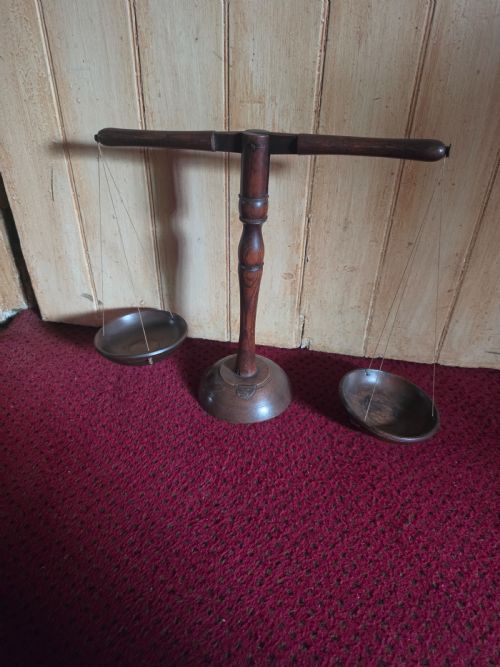
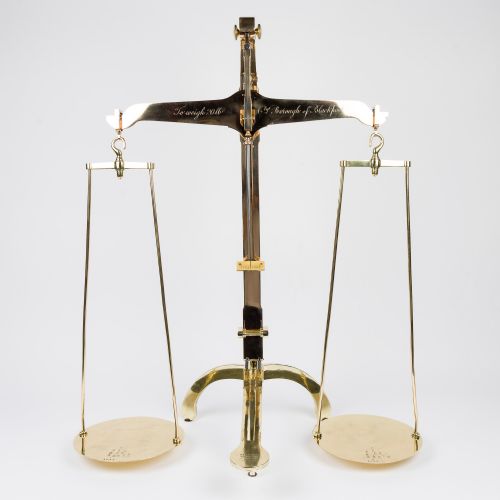
Traditional balance scales encompass a diverse range of weighing instruments spanning from the eighteenth century through the Edwardian era. Buyers seeking traditional balance scales encounter items designed for specific domestic and commercial duties, including postal sorting, apothecary dispensing, and grocery retailing.
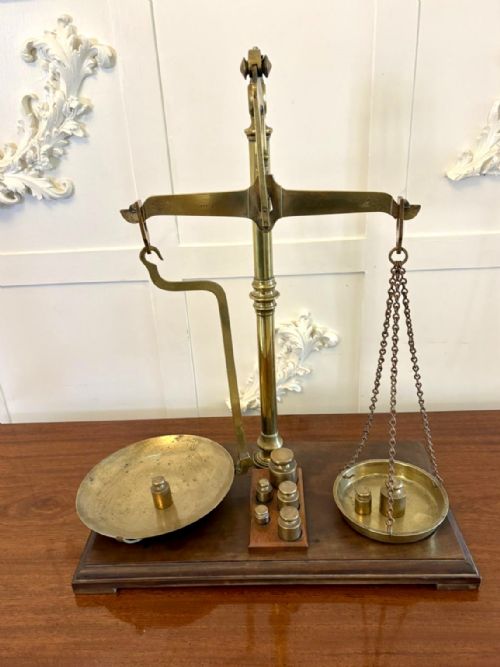
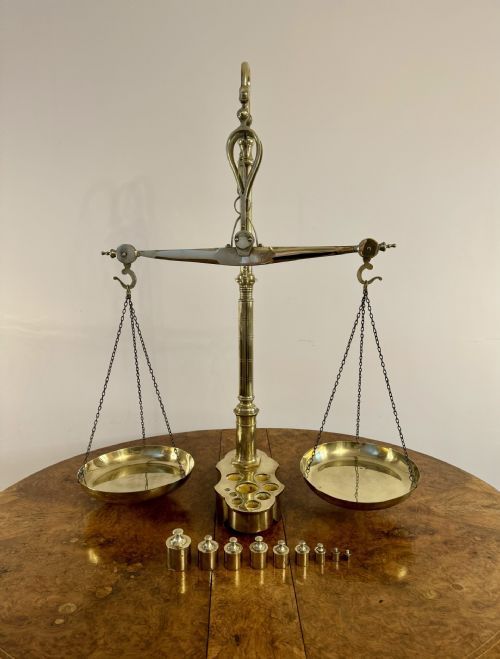
The selections available on this page lean heavily toward Victorian and Edwardian examples constructed from brass, mahogany, and iron. These pieces often arrive alongside matched sets of weights, preserving the complete utility intended by their makers.
How traditional balance scales were made
Metalworking formed the structural backbone of these objects, utilising cast iron, wrought iron, and copper for robust bases and beams. Brass components brought both durability and visual contrast to pivot points, pans, and indicator arms.
Woodworking matched this metalwork, employing dense timbers such as mahogany, oak, and hardwood for sturdy bases and fitted boxes. Craftsmen joined these materials with precision, ensuring the central fulcrum maintained absolute equilibrium.
Traditional Balance Scales Retail Price Guide 2026
Typical asking prices for traditional balance scales among the pieces listed under this phrase on Sellingantiques today, from the lower quarter to the upper quarter. They describe what is for sale here now, not the wider market.
Materials represented across the inventory include cast iron, wrought iron, copper, brass, mahogany, oak, and treen.
What varies in quality
Quality rests in the precision of the mechanics and the integrity of the materials used in the construction of the beam and fulcrum. Superior examples maintain balance effortlessly and retain their original components, including matching pans and authentic weights.
The fineness of the cabinetry and the presence of maker details elevate certain pieces above standard utility items. Selection of premium timbers like figured mahogany or sturdy oak indicates workshop standards designed for longevity and professional service.
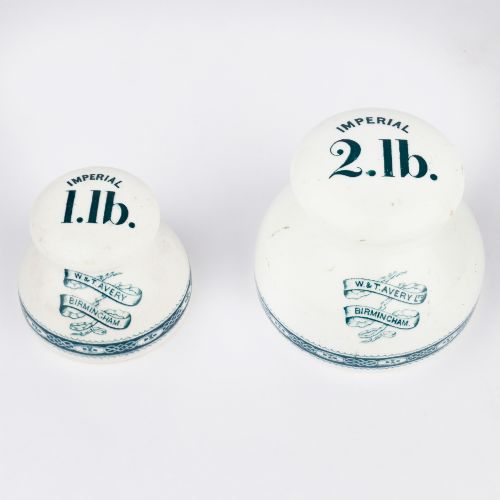
W & T Avery·Day & Millward·Parnall & Sons of Bristol·Bartlett & Sons
The Traditional Balance Scales Glossary
- Beam
- The central horizontal lever of a scale that pivots on a fulcrum. It transfers weight from the hanging pans to the indicator.
- Fulcrum
- The pivot point upon which the balancing beam rests. Its design dictates the sensitivity and accuracy of the instrument.
- Treen
- Small handmade wooden objects and household utensils. In this context, it refers to items carved entirely from timber.
- Troy ounce
- A system of units of mass traditionally used for precious metals. Weights calibrated to this standard appear frequently in historical sets.
Traditional Balance Scales: Frequently Asked Questions
How do I use antique balance scales?
These instruments operate on equilibrium, where goods placed on one pan are measured against certified metal weights on the other. Adjusting the central beam ensures the pointer sits at the exact centre before recording the measurement.
While modern digital devices have replaced them in commerce, traditional scales function reliably for weighing dry goods or simply serving as striking decorative displays.
Are original weights usually included?
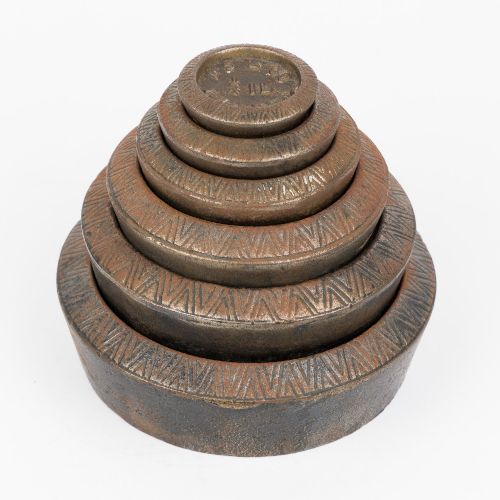
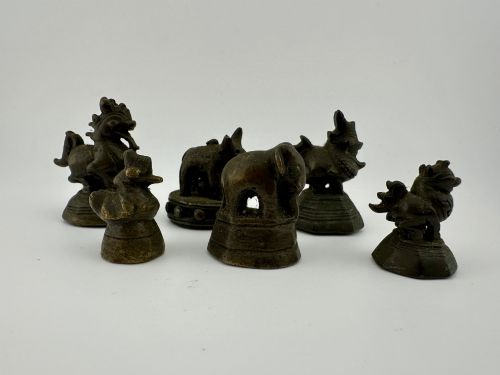
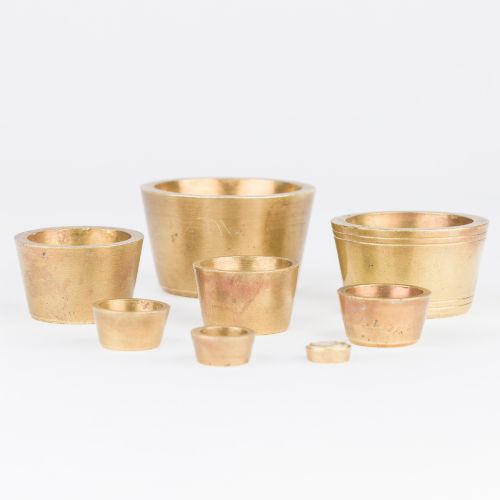
Many surviving sets retain their corresponding brass or iron weights, often housed in fitted wooden blocks or stacked neatly together. These accompanying pieces match the period and manufacturing standards of the scale itself.
When a set lacks its original weights, collectors frequently source period-appropriate replacements to restore the visual completeness of the instrument.
How do I date a pair of scales?
Stylistic clues within the timber bases, such as Victorian mahogany moulding or Edwardian iron finishing, provide initial chronological markers. Maker stamps and engraved council or borough marks offer definitive historical context.
Examining the manufacturing techniques and the fastening hardware helps separate eighteenth-century vernacular pieces from later industrial production.
Where were these scales used historically?
Commercial establishments like grocers, post offices, and apothecary shops relied daily on these robust instruments for trade. Dairy farms and domestic kitchens also utilised specialised wooden and brass balances for food preparation.
Larger beam scales managed bulk goods, whereas postal scales sat on writing desks to weigh correspondence accurately.