

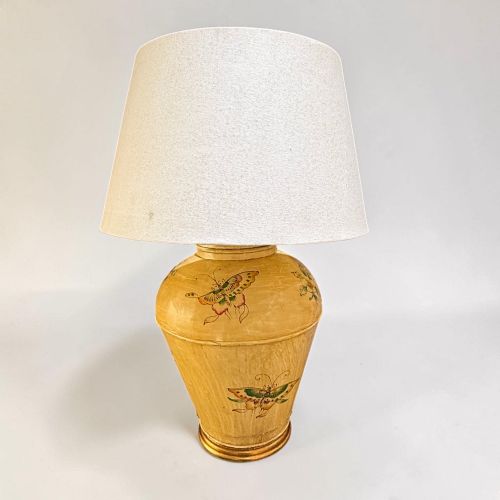
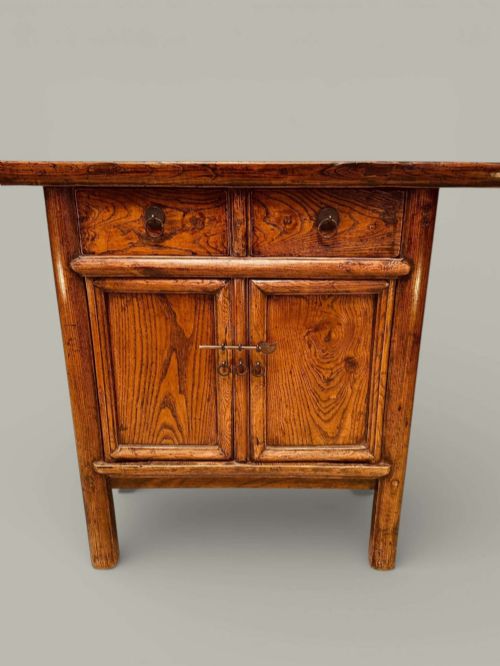

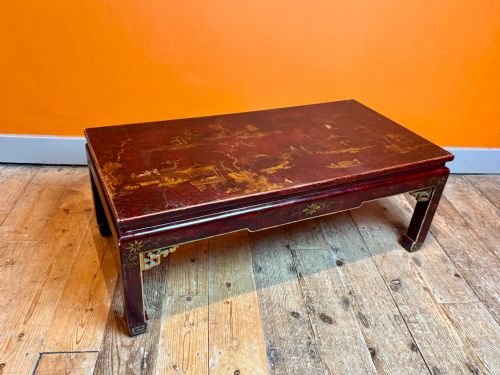

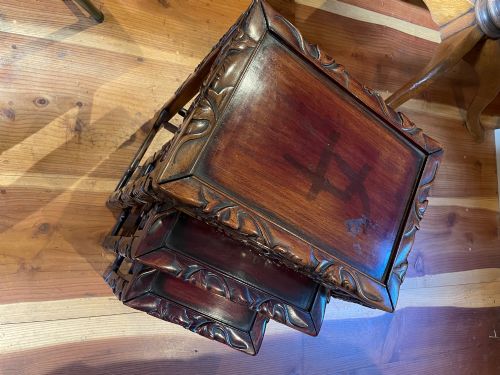




Traditional Asian Table
A traditional asian table brings centuries of craftsmanship into a room, offering both functional surface space and distinct regional character.
Traditional Asian Table
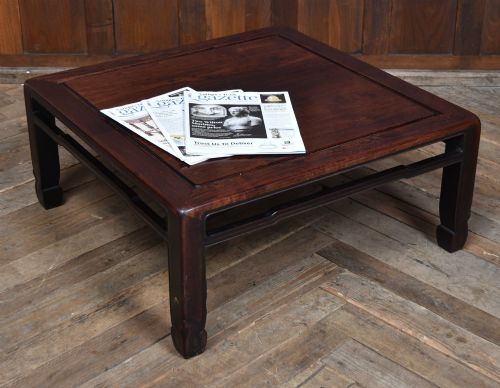
A traditional asian table encompasses various low forms, coffee tables, nests of tables, console tables, and writing desks originating primarily from Chinese and Japanese workshops. These pieces span the nineteenth century, including Qing dynasty examples, alongside early twentieth-century interpretations.
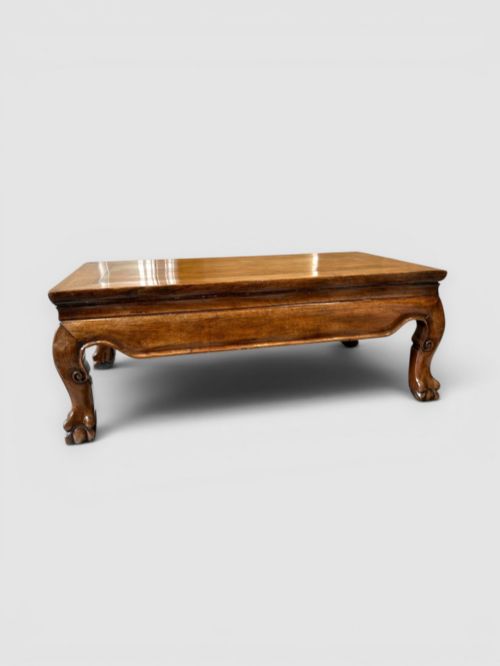
The most frequent encounters on this page are nineteenth-century hardwood and elm coffee tables, low tables, and nests of tables. Alongside these, buyers find altar tables, side tables, and specialised occasional furniture.
Origins extend across Chinese provincial and export traditions, complemented by Japanese Meiji period pieces and occasional Burmese lacquer work. Forms range from compact stands to substantial writing desks and altar pieces.
Materials and construction
Construction relies heavily on dense hardwoods such as rosewood, hongmu, huanghuali, and padouk, alongside elm and general timber frameworks. Joinery often utilises traditional interlocking methods that accommodate natural wood movement without metal fasteners.
Surfaces frequently feature applied finishes including red and dark lacquer, mother-of-pearl inlay, and carved ornamentation. Brass mounts and bronze details occasionally supplement the structural woodwork on specific forms.
Traditional Asian Table Retail Price Guide 2026
Typical asking prices for traditional asian table among the pieces listed under this phrase on Sellingantiques today, from the lower quarter to the upper quarter. They describe what is for sale here now, not the wider market.
Pieces hail from Chinese Qing dynasty workshops, Japanese Meiji periods, and Burmese lacquer traditions.
Distinctions in craftsmanship
Quality separates through the density and grain selection of the timber, where figured rosewood or selected elm displays superior depth compared to plain secondary woods. The crispness of hand-carved details and the precision of inlaid mother-of-pearl further distinguish finer workshops.
Structural integrity depends on the retention of original joinery and the condition of surface lacquering. Pieces preserving their initial patination and natural grain show greater fidelity to their period of origin.
The Traditional Asian Table Glossary
- Qing Dynasty
- The final imperial dynasty of China, lasting from 1644 until 1912. Furniture from this period is noted for formal elegance and dense hardwood construction.
- Hongmu
- A traditional Chinese term translating to red wood, applied to various dense, dark tropical hardwoods. This material provides heavy, durable frames for tables and stands.
- Opium table
- A low rectangular table originating in China, traditionally used for resting while reclining. Modern interiors utilise these low forms as coffee tables.
- Altar table
- A long, narrow table featuring upturned flange ends, historically placed against walls for ceremonial use. These architectural forms now function as console tables.
- Meiji Period
- The era in Japanese history spanning from 1868 to 1912, characterised by industrial growth and intricate decorative arts including bronze work and specialised tables.
Traditional Asian Table: Frequently Asked Questions
How do I use a low table in a modern room?
Low tables and opium tables serve well as central coffee tables in living spaces, pairing effectively with low seating arrangements.
Their compact height brings surface utility without dominating the visual space of a room.
What is the difference between rosewood and elm tables?
Rosewood and hongmu pieces offer dense weight, dark tones, and formal carving suited to refined interiors. Elm provides lighter colouration with visible grain patterns, reflecting more provincial or domestic workshops.
Both timbers deliver durable surfaces, though their visual weight differs significantly in a room.
How do I identify a Qing dynasty table?
Qing dynasty pieces typically exhibit dense tropical hardwoods, traditional joinery, and restrained or elaborate carving consistent with imperial or domestic Chinese standards. Dating relies on construction methods, timber choice, and surface patination rather than explicit marks.
Later nineteenth-century and early twentieth-century pieces often emulate these earlier regional styles.
Are nest of tables traditional?
Sets of graduating tables designed to slide together originated in Chinese cabinetmaking before being widely adopted in export markets. They provide flexible surface space that stores compactly when not in use.
Multiple pieces share matching timber, grain, and edge detailing.