







Traditional Asian Ceramics
Traditional asian ceramics bring centuries of fine porcelain, glaze and hand-painted detail into a room.
Traditional Asian Ceramics
Traditional asian ceramics encompass pieces originating from China and Japan across several centuries, ranging from the seventeenth century through to the early twentieth century. These items include functional and decorative forms such as vases, lidded jars, chargers, plates, bowls and table lamps.
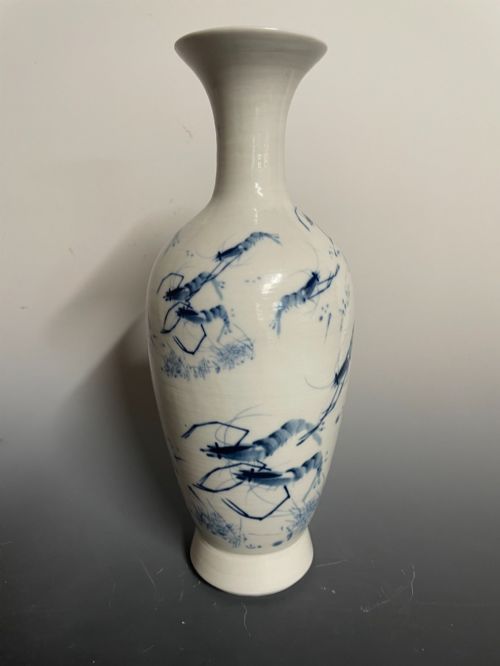
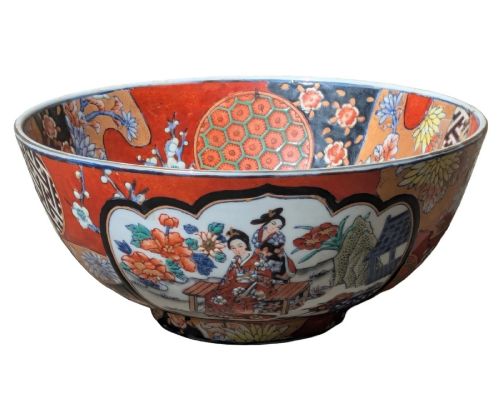
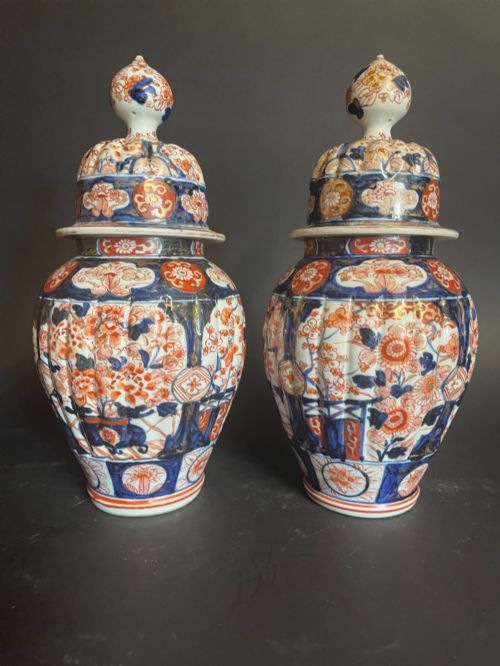
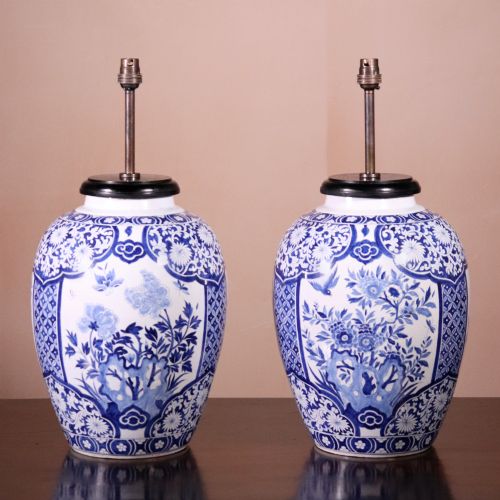
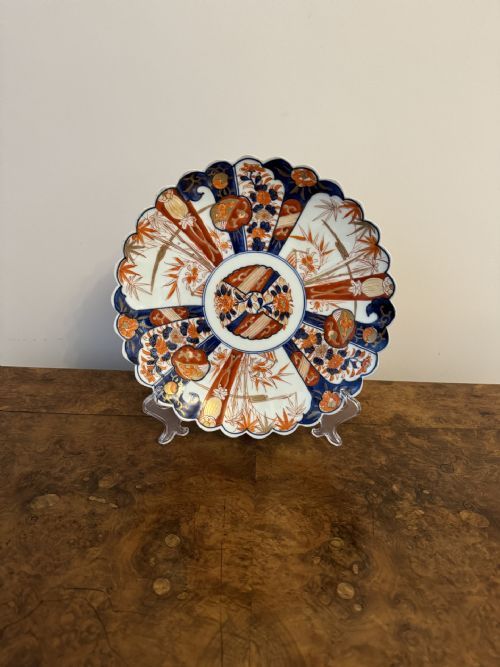
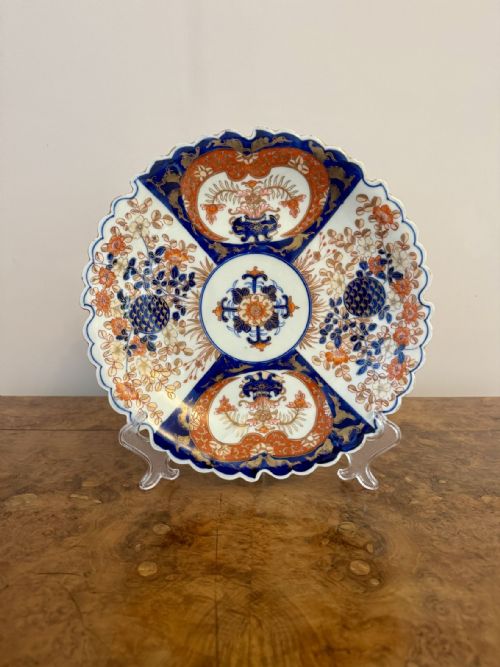
The version most commonly met on this page is the Japanese Imari plate or charger dating from around nineteen hundred, alongside nineteenth-century Chinese blue and white porcelain vases. Buyers often find matching pairs of jars and larger decorative table lamps adapted from earlier vessels.
Objects span specific historical eras including the Meiji, Edo, Qing and Edwardian periods. Each piece reflects the distinct aesthetic traditions of its origin, balancing refined symmetry with intricate painted motifs.
How they were made
Potters shaped these ceramics from fine porcelain clay before applying cobalt glaze, enamel and occasional gold leaf detail. Many pieces received multiple firings to fix the underglaze blue and overglaze colours firmly to the body.
Vessels such as jars and vases often feature hand-painted scenes using traditional mineral pigments. Surface treatments range from crackle glazes to clear glossy finishes that protect the delicate pigment beneath.
Traditional Asian Ceramics Retail Price Guide 2026
Typical asking prices for traditional asian ceramics among the pieces listed under this phrase on Sellingantiques today, from the lower quarter to the upper quarter. They describe what is for sale here now, not the wider market.
Listings feature porcelain, enamel, gold leaf, glaze, brass, wood, cobalt glaze and fabric across multiple centuries.
What varies in quality
The standard of a piece depends heavily on the crispness of the hand-painted brushwork and the vibrancy of the cobalt blue or enamel colours. Finer examples display precise symmetry in forms like scalloped edges and flaring necks.
Condition and completeness also separate standard items from superior ones, particularly when lids, matching pairs or original storage boxes remain intact. The depth and clarity of the glaze reveal the skill applied during the firing process.
The Traditional Asian Ceramics Glossary
- Imari
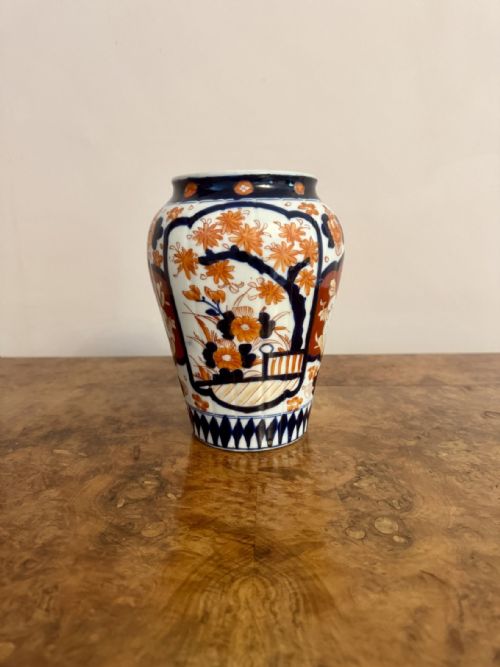
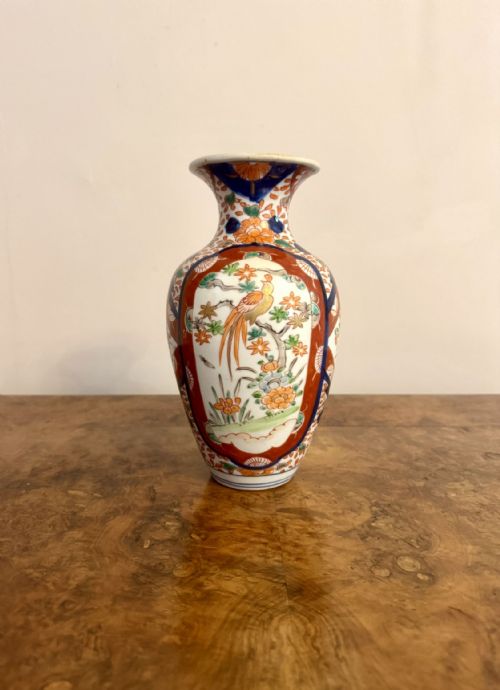
- A style of Japanese porcelain featuring a distinctive palette of underglaze blue, iron red and gold, originating in the town of Arita. These wares gained immense popularity across Europe during the export period.
- Celadon
- A term for pottery denoting both the jade-green glaze and the vessels themselves, created through an iron oxide mixture fired in a reducing kiln. The subtle green tone mimics the appearance of precious jade.
- Charger
- A large decorative plate or platter intended primarily for display on a wall or sideboard rather than for serving food. They often showcase the most elaborate painted compositions of a workshop.
- Kamcheng
- A traditional covered ceramic jar originating from Chinese kilns, often featuring polychrome enamels and used historically for storing food or personal items. These lidded containers are valued for their sturdy proportions.
- Cracklepore
- A glaze characteristic where a fine network of intentional cracks or craquelure covers the porcelain surface, frequently seen on Qing dynasty pieces. This finish adds textural depth to the underlying body.
Traditional Asian Ceramics: Frequently Asked Questions
How do I identify Japanese Imari porcelain?
Japanese Imari porcelain is recognised by its tripartite colour scheme, typically combining deep cobalt blue underglaze with vibrant iron red and gold leaf accents over the white porcelain body. Motifs often incorporate floral arrangements and brocade patterns.
Most pieces seen here date from the Meiji period or around nineteen hundred, exhibiting a heavy, crisp white ceramic base that rings clearly when lightly tapped.
Can these antique vases be used as lamps?
Many antique vases and jars arrive converted into table lamps, fitted with wiring and mounts that complement the original ceramic body. This conversion allows fragile vessels to serve a practical purpose in modern interiors.
Buyers should inspect the mounting to ensure the antique porcelain remains undamaged by any hardware drilled through or attached to the base.
How should I clean and care for antique porcelain?
Cleaning requires only a soft, dry cloth to remove dust from the glazed surface or painted enamel details. Avoid soaking pieces that feature overglaze gold leaf or delicate enamel work, as moisture can lift vulnerable pigments.
Keep the ceramics away from direct sunlight and areas prone to sharp temperature fluctuations to protect the integrity of the glaze and body over time.
What is the difference between Chinese blue and white and Imari?
Chinese blue and white porcelain relies on a single cobalt pigment painted directly onto the clay before glazing, producing a striking two-tone contrast. This style emphasises linear control and botanical or figurative scenes.
Imari ware, by contrast, introduces multiple overglaze colours including red and gold on top of the blue, creating a richer, more densely patterned surface appearance.