


Traditional Art Painting
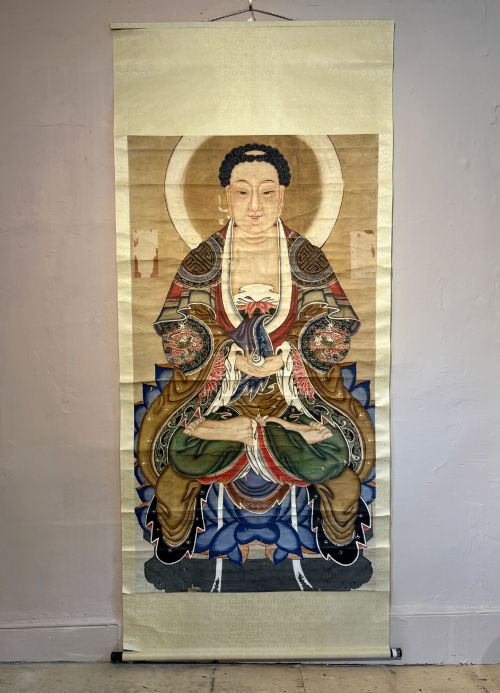
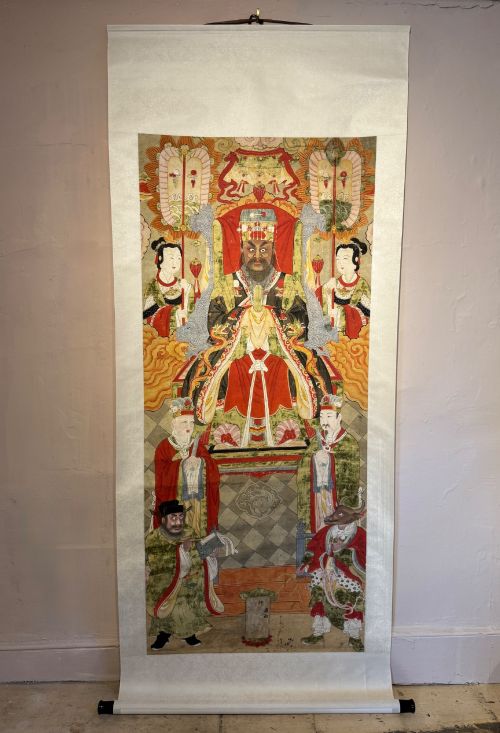
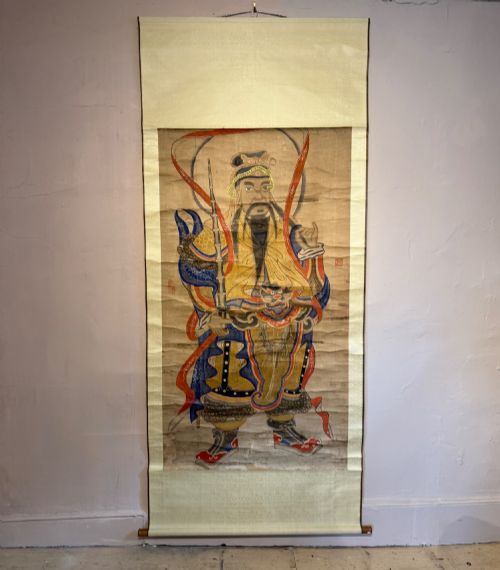
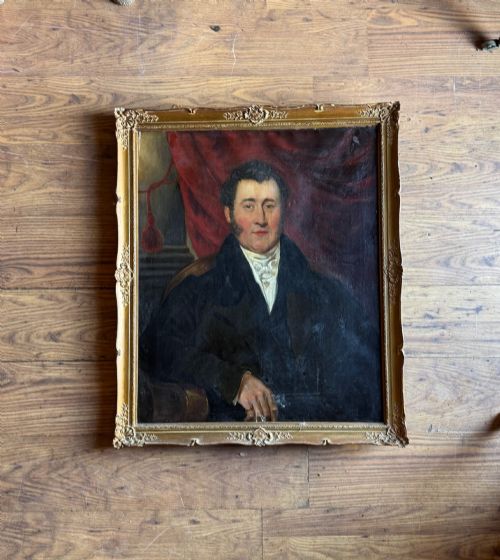
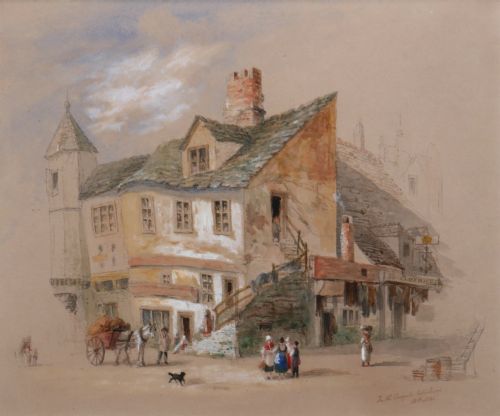
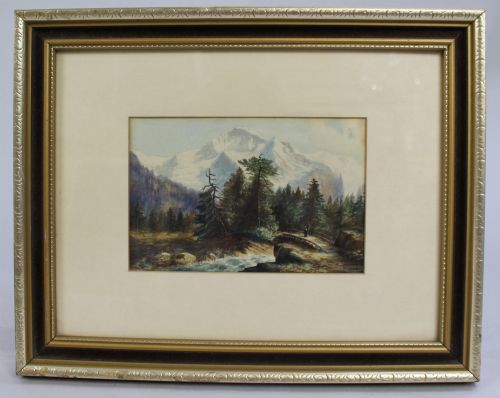
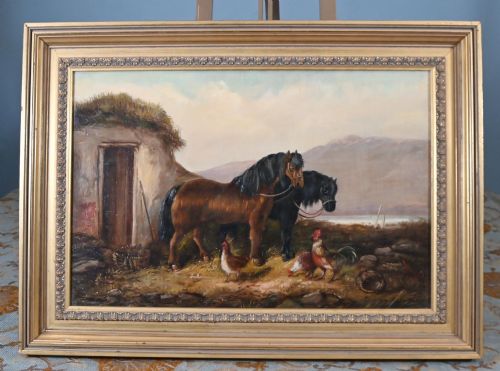
Traditional art painting gathers oil on canvas works, watercolours, and carved wooden objects spanning the eighteenth century to the mid twentieth century.
Traditional Art Painting
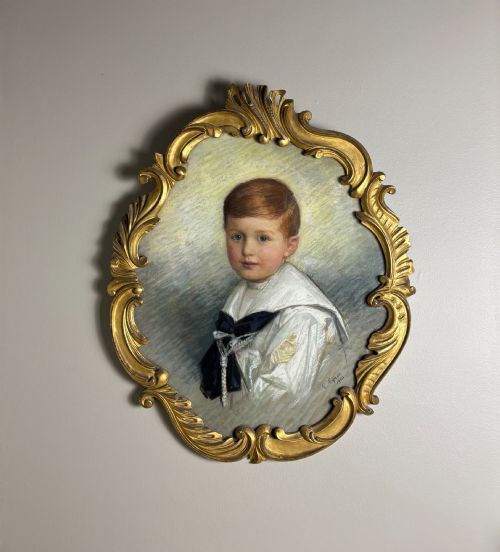
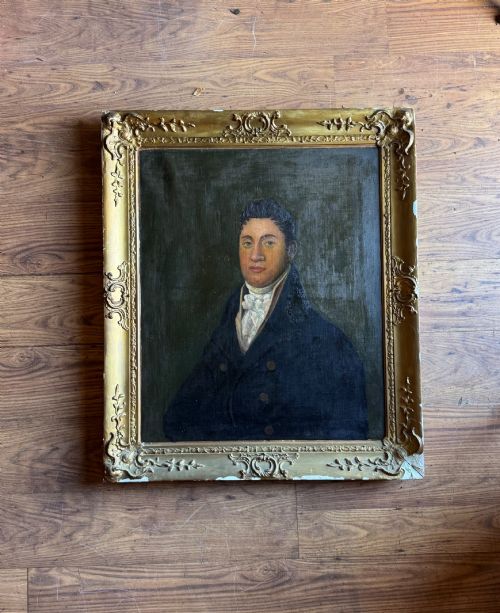
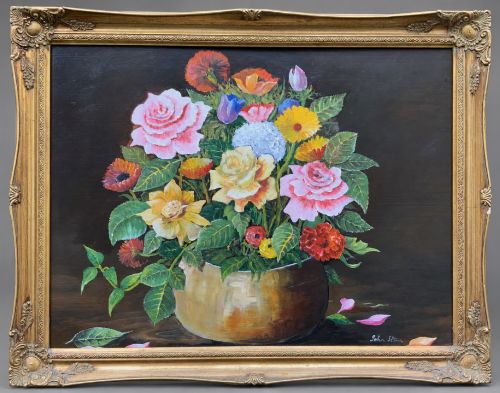
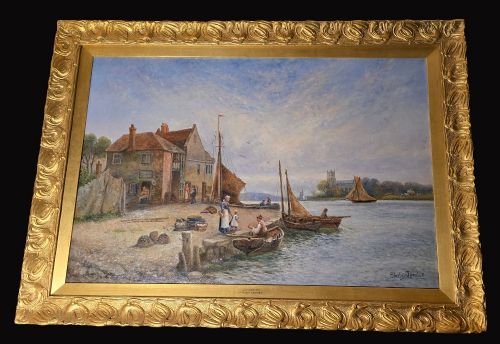
Traditional art painting encompasses canvas works, watercolours, and decorative objects rooted in nineteenth-century and earlier aesthetic standards. The selection frequently includes oil paintings depicting rural landscapes, sporting scenes, and maritime views, alongside portraits and still lifes.
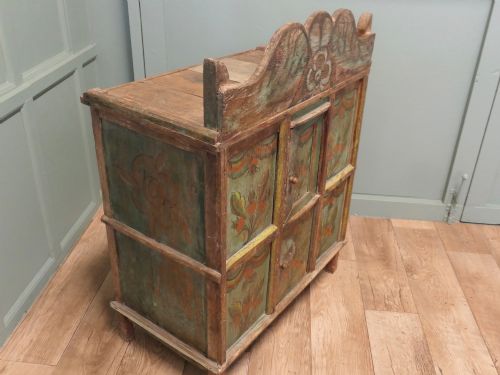
Buyers encounter works originating from British and European schools, including Dutch Manner landscapes and Victorian realism. Alongside framed canvases, the category holds painted wooden decoy ducks, folk art cupboards, and deep giltwood picture frames.
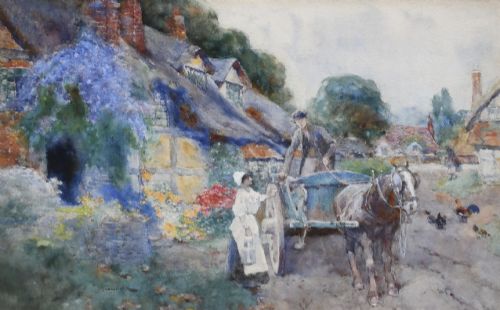
The objects bridge domestic decoration and historical documentation, reflecting the prevailing subjects of past centuries such as livestock, coaching scenes, and pastoral cottages. These pieces range from eighteenth-century works to mid twentieth-century interpretations of earlier styles.
How they were made
Paintings in this selection rely primarily on oil paint applied to canvas, supported by wooden stretchers. Watercolours on paper appear alongside these oils, capturing rural subjects with lighter translucent washes.
Frames and decorative wooden objects utilise materials such as gesso, gold leaf, and gilt to build ornate mouldings around the canvas edges. Folk art items incorporate hand-painted wood surfaces applied to functional household forms like cupboards and carved decoys.
Traditional Art Painting Retail Price Guide 2026
Typical asking prices for traditional art painting among the pieces listed under this phrase on Sellingantiques today, from the lower quarter to the upper quarter. They describe what is for sale here now, not the wider market.
Materials recorded across the selection include oil paint, canvas, wood, gold leaf, and gesso incorporated into both paintings and deep antique picture frames.
What varies in quality
The standard of a traditional painting rests upon the confidence of the brushwork and the anatomical accuracy within animal and human portraits. Stronger examples display considered handling of light and shadow, particularly in skies and atmospheric landscapes.
Frame construction also dictates the overall calibre of a piece, with deep carved gesso and original giltwood surfaces outperforming later replacements. The distinction lies in the harmony between the canvas and its housing, as well as the clarity of artist attribution.
Charles Bilger Spalding·William Langley·Thomas Rowden·Samuel Joseph Clark·Henry Barraud·William Mellor·William Manners·Margaret Sarah Carpenter
The Traditional Art Painting Glossary
- Oil on Canvas
- Pigment mixed with drying oil applied to a woven fabric support. This combination allows for rich colour blending and textured impasto application.
- Gesso
- A paint mixture consisting of a binder mixed with chalk, gypsum, or pigment. It provides a smooth surface on wooden frames before the application of gold leaf or gilding.
- Folk Art
- Artistic work created within a traditional culture by self-taught makers. These pieces often feature simplified forms and utilitarian functions like hand-painted cupboards or wooden decoys.
- Dutch School
- A grouping of painters working in the Netherlands following regional traditions of landscape, maritime, and still life representation. Works often focus on atmospheric skies and domestic realism.
Traditional Art Painting: Frequently Asked Questions
How do I identify the period of an oil painting?
Dating relies on examining the canvas stretchers, framing methods, and the style of the brushwork. Nineteenth-century works often display specific handling of light, costume details, and pigment characteristics typical of Victorian or Dutch schools.
Signatures, artist dates, and historical provenance noted on the reverse provide further confirmation of a piece's creation era, distinguishing eighteenth-century examples from later twentieth-century interpretations.
Are all traditional paintings framed in original mouldings?
Frames vary significantly, with some retaining their original deep giltwood and gesso configurations while others have been rehoused later. Deep fluted hollow frames from the nineteenth century are frequently paired with contemporaneous canvases.
Collectors look for frames that complement the scale and period of the artwork, noting that original gilding adds historical context to the complete piece.
How should I care for an antique oil painting?
Preserving these works requires maintaining stable room temperatures away from direct sunlight and excessive moisture. Dust should be removed gently from both the canvas surface and the frame mouldings using a soft, dry brush.
Professional conservation is recommended for cleaning aged varnish layers or addressing any structural issues within the canvas or wooden stretcher frame over time.