
Traditional Armchairs
Traditional armchairs offer solid timber frames and deep upholstery designed for comfort, providing the foundation for a classic room scheme.
Traditional Armchairs
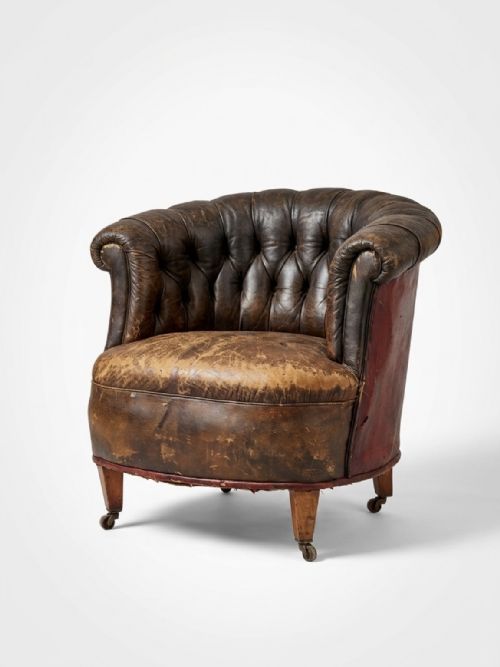
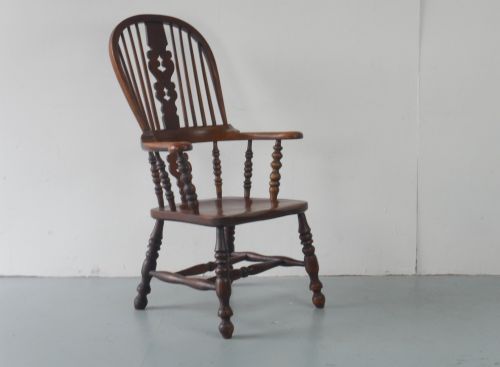
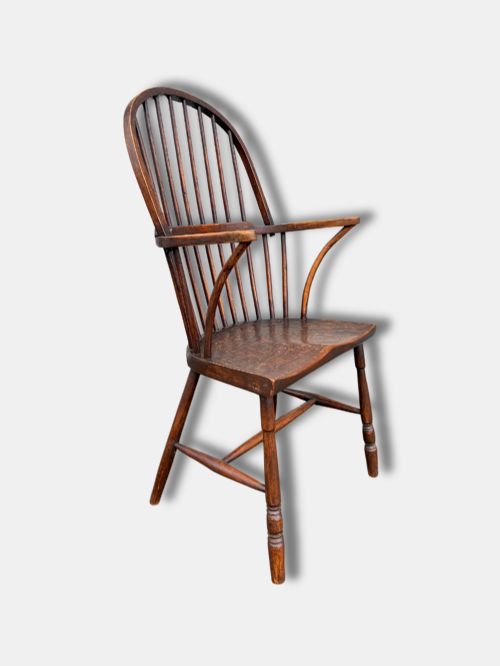
Traditional armchairs encompass a wide variety of seating forms built across the eighteenth, nineteenth, and early twentieth centuries, including wing backs, library chairs, and Windsor designs. Buyers searching for traditional armchairs find examples ranging from country elm windsors to upholstered mahogany library seats.
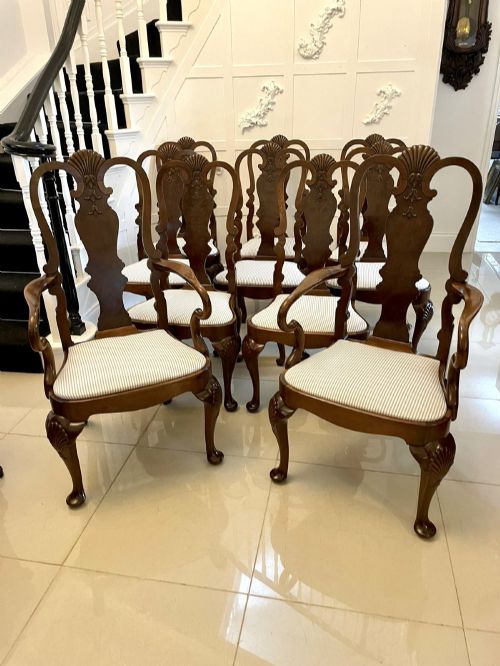
The selections available span formal period seating and robust vernacular furniture. Dining chairs with carvers sit alongside revolving desk chairs and French club chairs.
English country styles and revival pieces from the Georgian and Victorian eras dominate the forms seen. These seats serve practical daily use in studies, libraries, and living spaces.
How they were made
Frames rely upon timbers such as mahogany, oak, yew, elm, and walnut, joined using traditional cabinet-making techniques. Turning, carving, and steam-bending shape the structural components of Windsor and office armchairs.
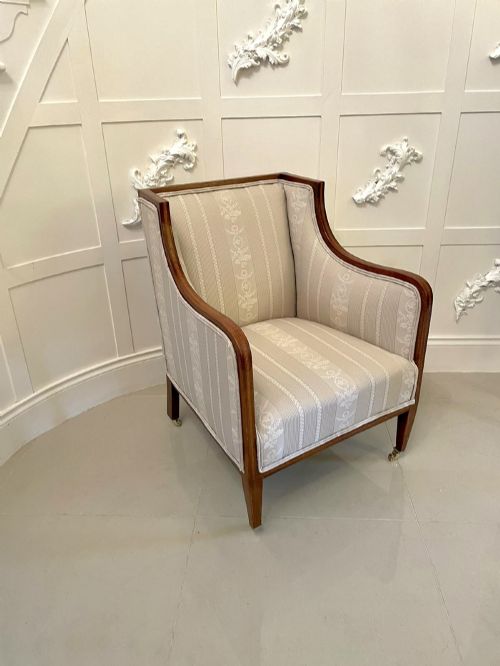
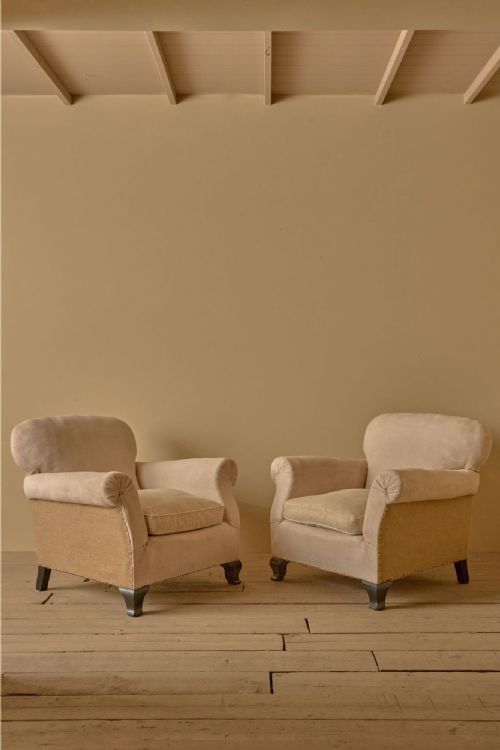
Upholstered models combine webbed foundations with horsehair or traditional stuffing beneath coverings of leather, wool fabric, or velvet. Hand-tack work secures the exterior textiles to the wooden frames.
Listings feature eighteenth-century origins alongside Victorian and Edwardian periods, constructed in mahogany, yew, elm, oak, and leather.
What varies in quality
The integrity of the timber frame and the depth of the carving determine the standing of each piece. Superior examples retain original joints and uncompromised structural density in the legs and arms.
The grade of the secondary woods, the execution of the turned spindles, and the preservation of original leather or textile coverings set exceptional specimens apart from standard workshop output.
Gabbitass of Worksop
The Traditional Armchairs Glossary
- Carver
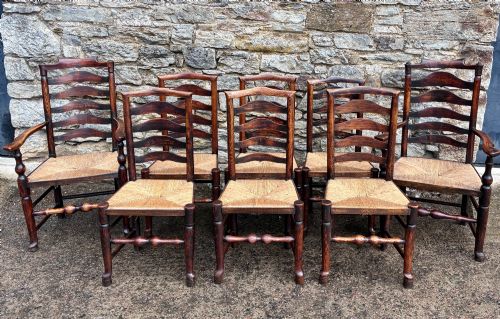
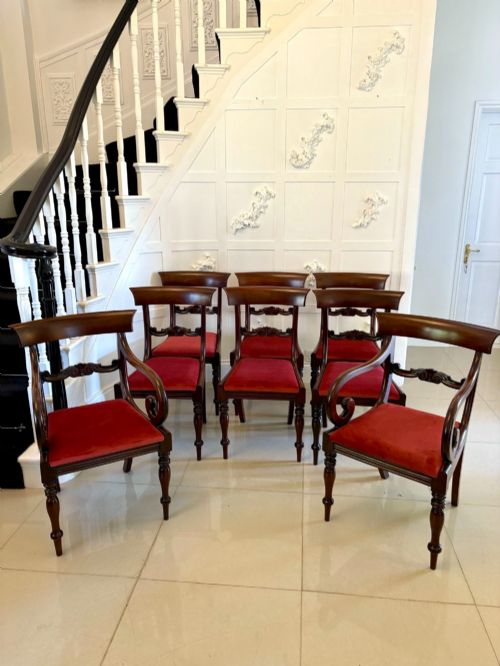
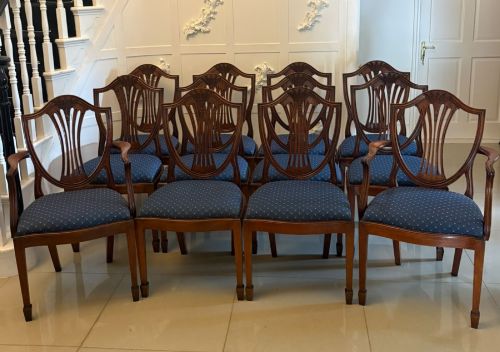
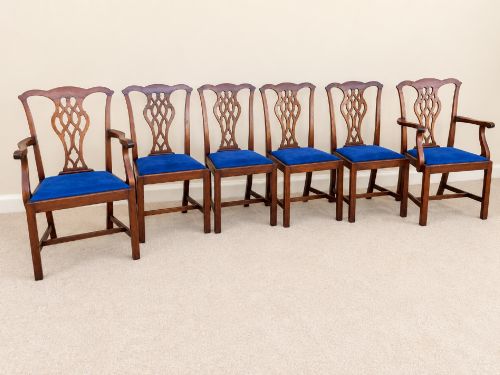
- An armchair designed to match a set of dining chairs, usually featuring open arms. These pieces traditionally stood at the head of a dining table.
- Windsor
- A wooden chair constructed with a solid elm, ash, or beech seat into which the legs and back spindles are wedged. High back and hoop back variants represent regional English country craftsmanship.
- Wing back
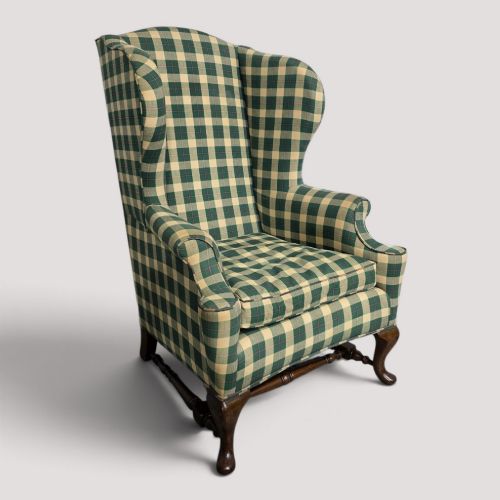
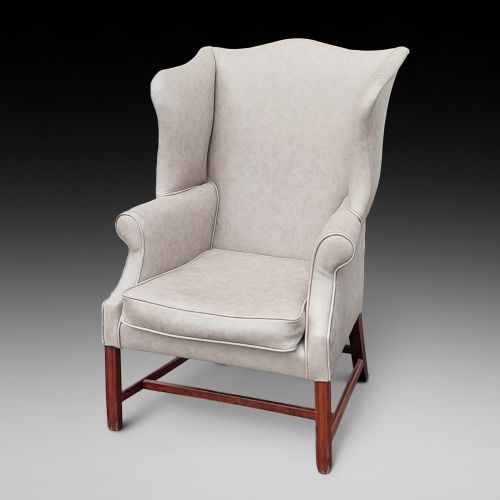
- An upholstered armchair with projecting side panels designed to shield the sitter from drafts. Early examples frequently utilise walnut or mahogany frames.
- Gainsborough chair
- A mid-eighteenth-century low-backed armchair with padded armrests and exposed mahogany woodwork. They were originally utilised as desk or writing chairs.
- Smokers bow
- A sturdy, low-backed Windsor armchair featuring a rounded continuous arm rail supported by turned spindles. These utilitarian seats often appear in oak or elm.
Traditional Armchairs: Frequently Asked Questions
How do I identify a library chair?
Library chairs provide substantial upholstered support with enclosed padded arms intended for prolonged reading and writing.
They frequently rest on heavy mahogany or walnut frames with brass castors to aid movement across floors.
Where were Captains chairs used?
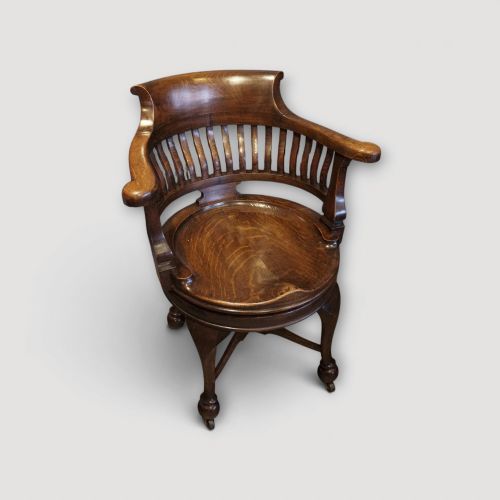
Captains chairs served utilitarian roles in offices, ships, and country houses during the nineteenth century.
Their low curved backs and sturdy wooden arms offered compact support for working environments.
What is a revolving desk chair?
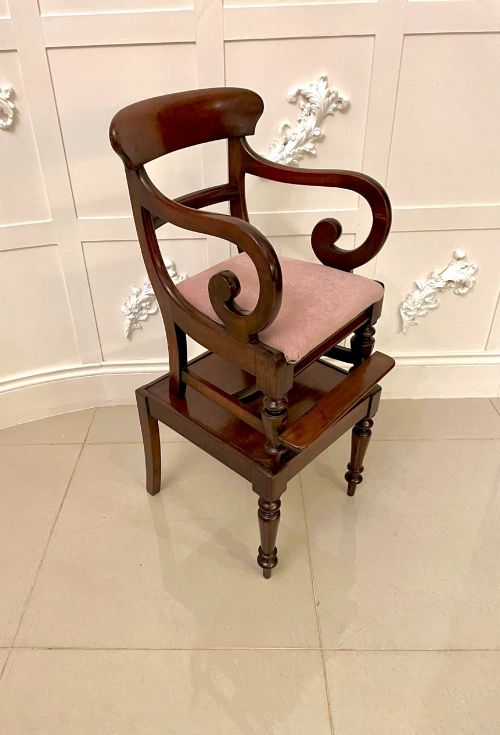
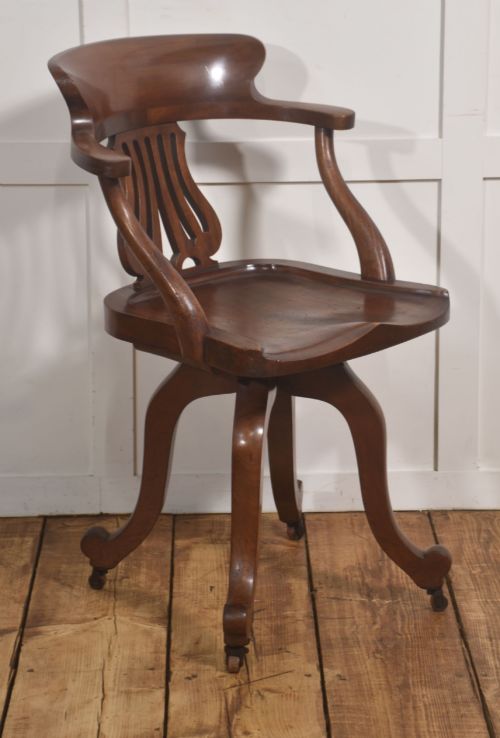
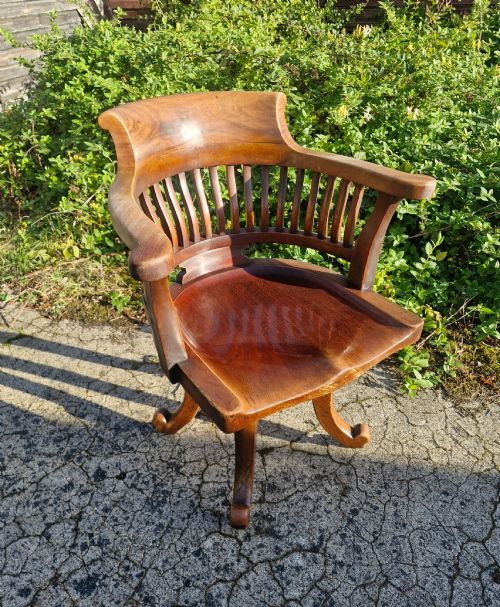
Revolving desk chairs utilise a central wooden or metal pivot mechanism beneath the seat to allow rotation.
Makers combined office functionality with solid mahogany or oak frames during the Victorian and Edwardian periods.