




Traditional Altar Table
These traditional altar table examples bring architectural form and centuries of craftsmanship into a room.
Traditional Altar Table
A traditional altar table serves as a striking focal point, bringing structured lines and elevated surfaces to a living space. Buyers searching for a traditional altar table encounter pieces originating primarily from the nineteenth century, alongside examples from the eighteenth and early twentieth centuries.
While the inventory includes related console tables, sideboards, and writing desks, the core traditional altar table pieces demonstrate the classic proportions and joinery of their respective periods.
How they were made
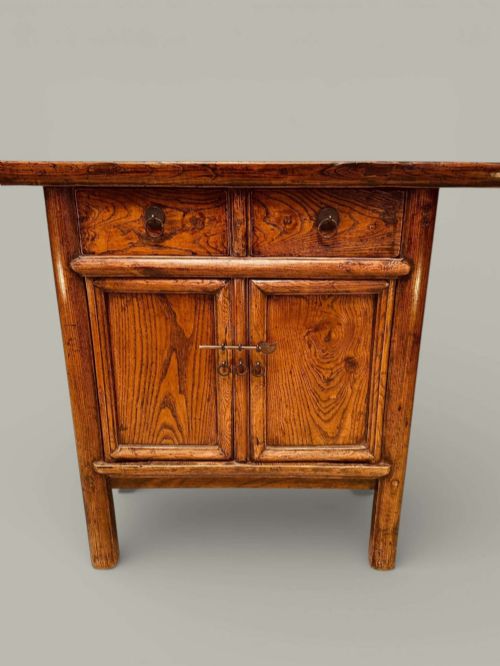
Construction relies heavily on dense timbers such as elm and various hardwoods, selected for structural stability and fine grain. Artisans employed traditional joinery techniques to frame planks and legs securely without relying on modern fasteners.
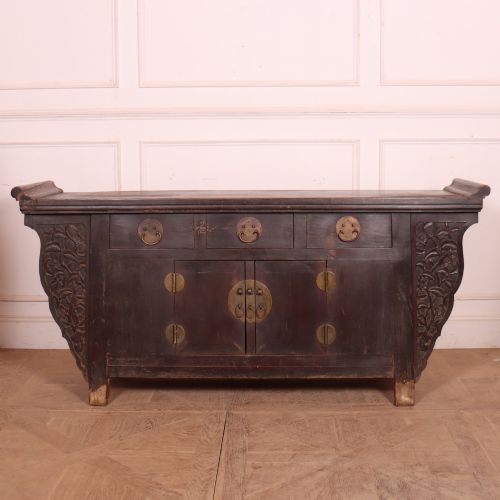
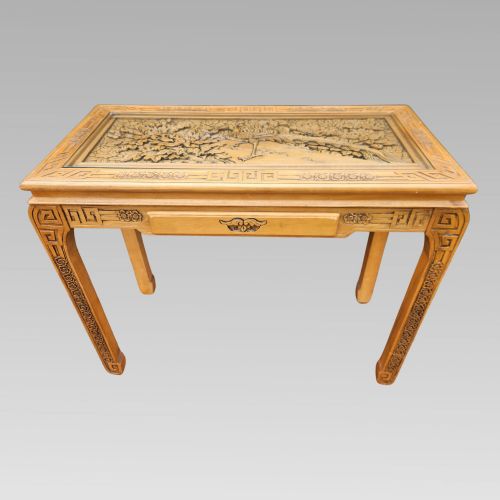
Surface treatments include applied red lacquer and black lacquer finishes, sometimes paired with marble tops or subtle carving. Brass fittings and gilt highlights appear on specific regional and period variants within the collection.
Traditional Altar Table Retail Price Guide 2026
Typical asking prices for traditional altar table among the pieces listed under this phrase on Sellingantiques today, from the lower quarter to the upper quarter. They describe what is for sale here now, not the wider market.
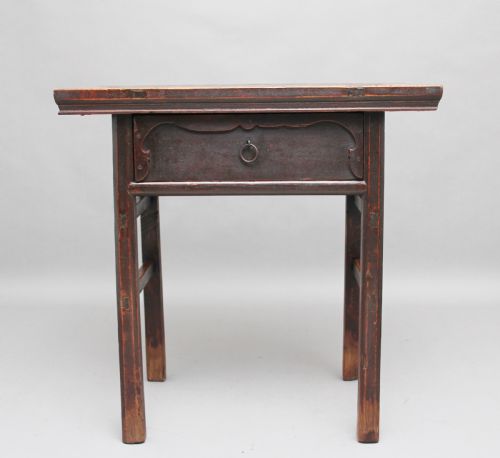
Some elm tables arrive wearing coats of red lacquer that have aged through generations of polishing fingers.
What varies in quality
Quality reveals itself in the integrity of the timber selection and the precision of the joinery connecting the legs to the surface. Dense hardwoods and seasoned elm demonstrate greater structural endurance than softer secondary woods.
The depth and crispness of carved details, together with the preservation of original lacquer or polish, distinguish finer workshop output from simpler provincial work.
The Traditional Altar Table Glossary
- Altar table
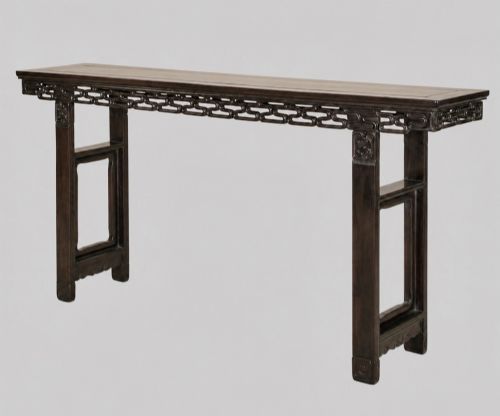
- A rectangular table traditionally raised for ceremonial use, characterised by narrow proportions and often featuring upturned flanges at the short ends. These pieces now function as decorative consoles in domestic interiors.
- Qing Dynasty
- The final imperial dynasty of China, spanning from sixteen forty-four to nineteen twelve, known for distinctive furniture forms utilising dense hardwoods and elm.
- Lacquer
- A durable finish applied in multiple layers to wood surfaces, typically appearing in red or black on Asian export and regional furniture.
- Hardwood
- Dense timber derived from broad-leaved trees, prized in antique furniture making for its strength and capacity to hold fine detail.
Traditional Altar Table: Frequently Asked Questions
What is a traditional altar table used for today?
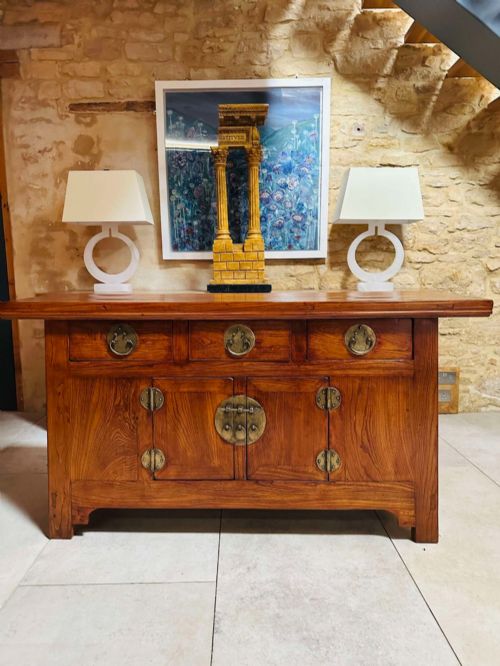
In modern interiors, these tables function as narrow console surfaces in hallways, living rooms, or dining spaces. Their slim profile allows them to sit flush against walls while displaying lamps, ceramics, or books.
They also serve as statement architectural pieces that introduce historical depth and varied timber tones to a contemporary room scheme.
How do I identify a nineteenth-century piece?
Nineteenth-century examples typically display specific construction methods, such as hand-cut joinery and signs of genuine age in the timber grain. Examining the underside and joints reveals tool marks and wear consistent with historical use.
Stylistic markers, such as Qing Dynasty regional characteristics or Kangxi period design influences, further help narrow down the production era.
What woods were commonly used?
Elm and dense Asian hardwoods form the primary material foundation for these tables. Elm provides a distinctive visible grain pattern, while various hardwoods offer significant weight and durability.
Surfaces are frequently enhanced with layers of red or black lacquer, and occasionally paired with marble inserts.
Where should I place an altar table?
These pieces suit entrance halls, living room perimeters, or behind sofas where a narrow surface is required. Their decorated ends and carved aprons benefit from open placement where the silhouette remains visible.
Pairing the table with a suitable lamp or wall art helps anchor the piece within the surrounding space.