


Traditional Accent Lamp
A traditional accent lamp brings focused illumination and period character to a room, drawing on centuries of craftsmanship in brass, oak and mahogany.
Traditional Accent Lamp
When searching for a traditional accent lamp, buyers encounter a diverse selection of small tables and lighting fixtures designed to sit beside seating or in corners. These pieces originate from periods spanning the eighteenth through the twentieth centuries, including Victorian, Edwardian and Georgian eras.
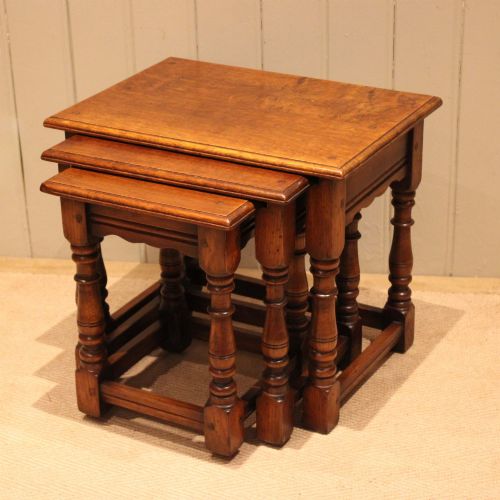
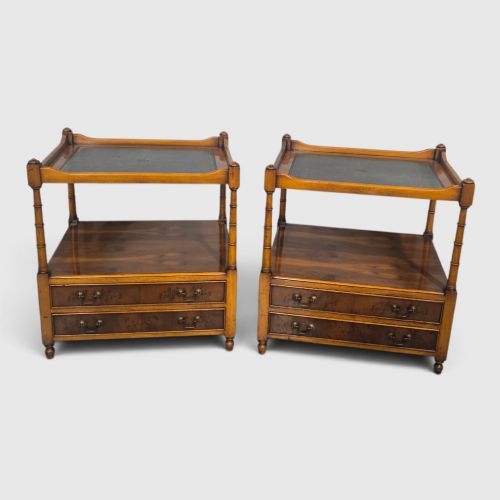
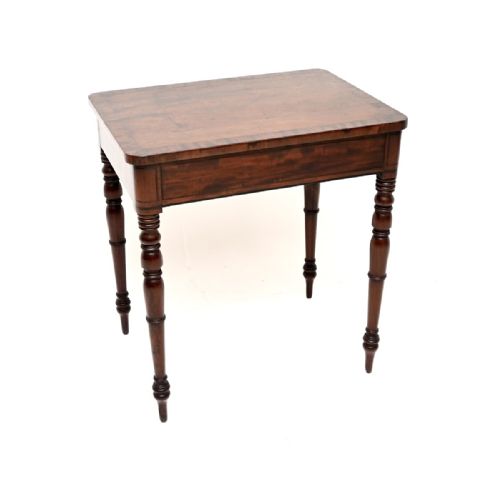
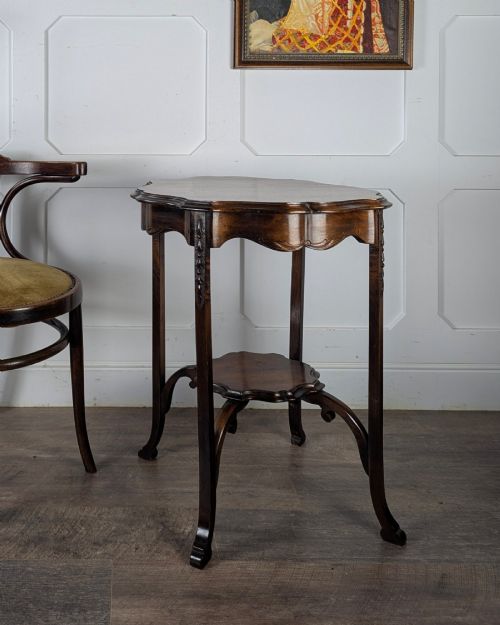
The objects on this page primarily take the form of compact side tables, wine tables, lamp tables and dedicated table lamps. Oak, mahogany and brass dominate the inventory, accompanied by occasional examples in walnut, yew, pine and elm.
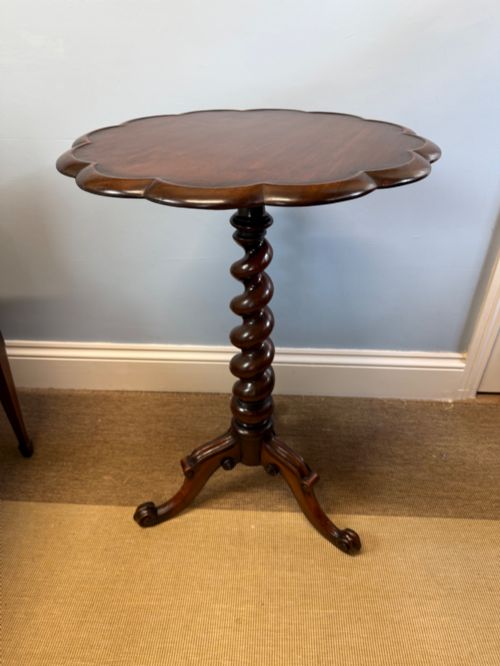
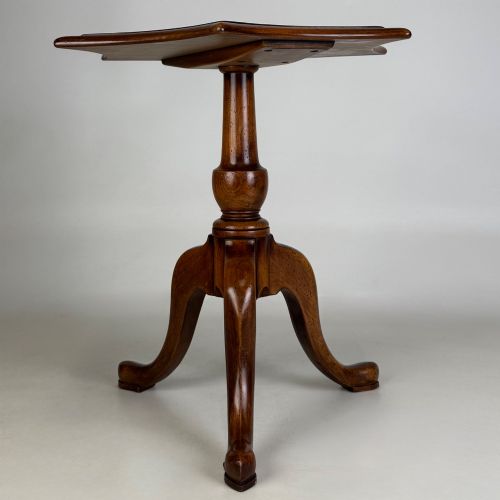
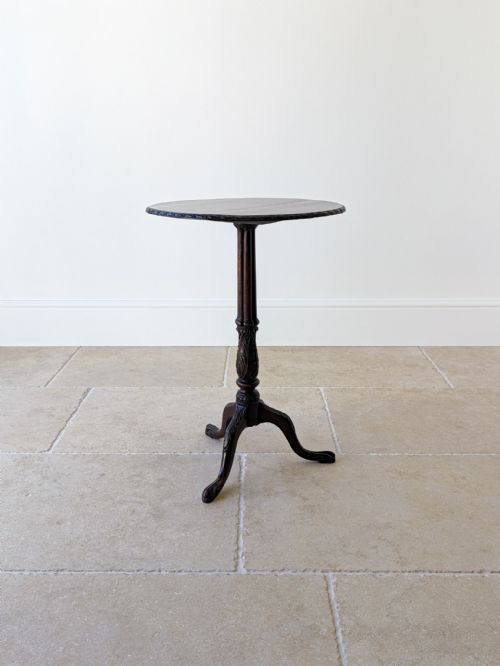
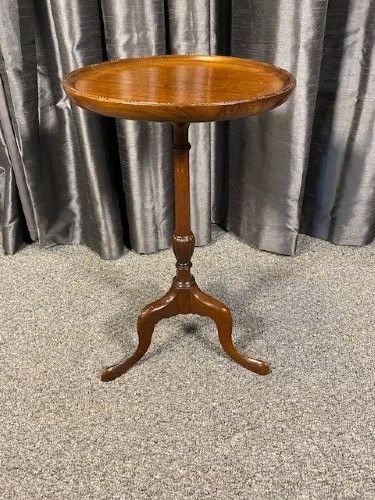
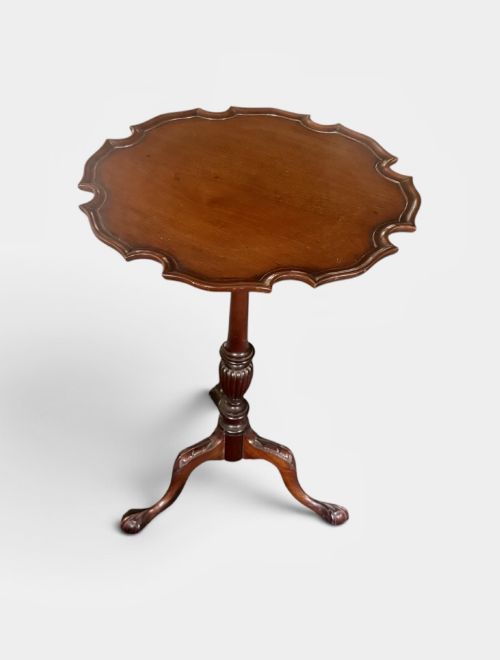
Makers and designers from past centuries worked within established regional styles such as Arts and Crafts, Jacobean Revival and English Country. Consequently, a buyer finds everything from tripod wine tables with pie crust rims to heavy brass baluster lamps.
How they were made
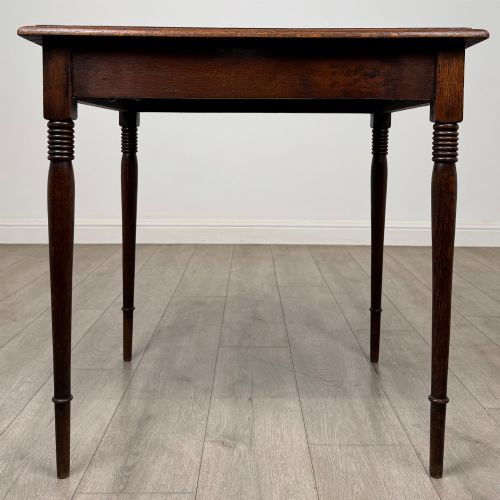
Makers constructed these tables and lamps using durable hardwoods like oak and mahogany, often pairing them with cast brass fixtures or fabric shades. Joinery techniques varied from traditional mortise and tenon joints in oak furniture to delicate tripod supports on wine tables.
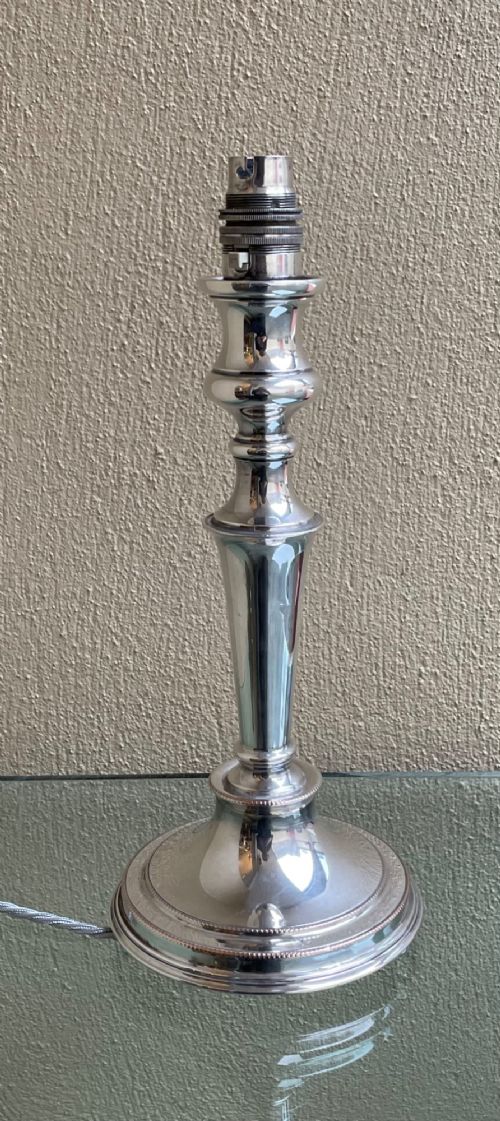
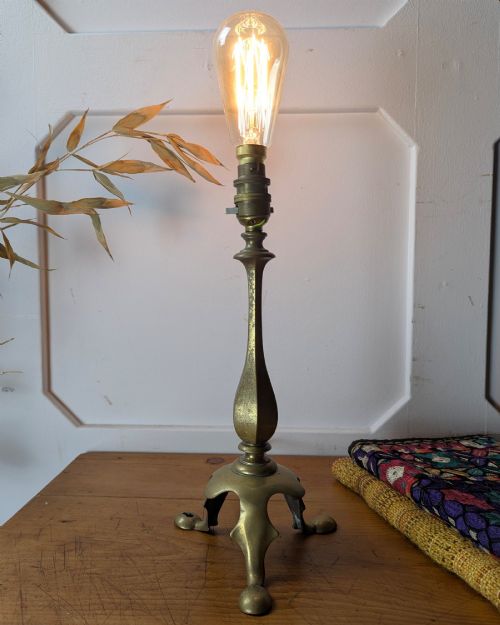
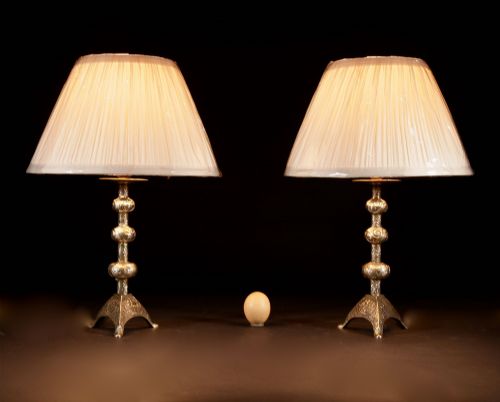
Metal components, particularly on the brass table lamps, utilised casting and spinning methods to achieve decorative hexagonal baluster or Romanesque forms. Surface finishes relied on natural polishes, wax and limed treatments that brought out the grain of walnut, elm and pine.
What varies in quality
Quality in these traditional pieces rests on the selection of timber and the precision of the construction. Solid hardwoods with well-figured grain and stable joints distinguish finer tables from simpler utilitarian items.
For lighting fixtures, the weight of the cast brass and the crispness of decorative detailing separate standard production pieces from more ambitious workshops.
The Traditional Accent Lamp Glossary
- Tripod table
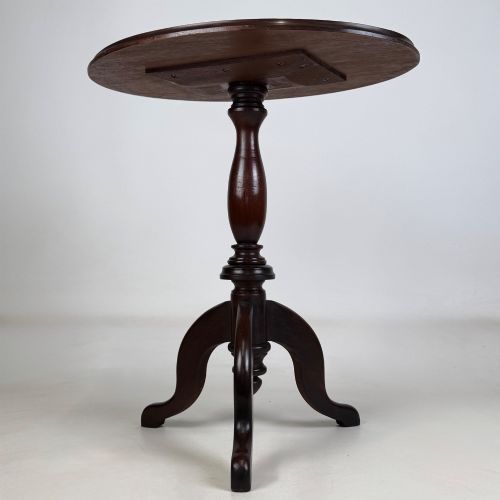
- A small occasional table supported by three pillar legs. These compact pieces were often used for serving wine or holding a lamp.
- Cricket table
- A small, three-legged circular table typically constructed from pine, oak or elm. The three legs ensure stability on uneven floors.
- Baluster
- An architectural term describing a moulded shaft or pillar with a swelling profile. This shape frequently appears on the stems of brass table lamps.
- Pie crust rim
- A decorative, raised edge carved into the perimeter of a tabletop with undulating curves. This feature is commonly found on smaller wine and lamp tables.
Traditional Accent Lamp: Frequently Asked Questions
Where should I place a traditional accent lamp?
These pieces fit naturally beside armchairs, in dark corners or upon side tables where they provide concentrated illumination. Their compact footprints allow them to integrate into rooms without dominating the space.
Pairing a small wooden lamp table with a matching brass or ceramic table lamp creates a cohesive reading nook or fireside arrangement.
How do I identify a Victorian lamp table?
Victorian examples often feature heavier turnings, darker woods such as walnut and mahogany, and robust construction methods. Details like barley twist pedestals point directly to this nineteenth-century period.
Comparing the timber density and the style of the pedestal helps distinguish these nineteenth-century designs from lighter Edwardian or Georgian revival pieces.
Are these lamps wired for modern use?
Many older lamps require rewiring to meet contemporary safety standards when brought into a modern home. Buyers should inspect the electrical components upon acquisition.
Working with a qualified electrician ensures that vintage brass and ceramic bases receive safe, up-to-date internal fittings.
What woods were commonly used?
Oak and mahogany appear most frequently across the selection, valued for their strength and rich grain patterns. Walnut, yew, pine and elm also feature in regional and occasional pieces.
Lighter woods like oak often align with Arts and Crafts or Edwardian designs, while darker mahogany frequently indicates Georgian or Victorian origins.