





Tortoiseshell Frame
A tortoiseshell frame holds centuries of rich amber warmth and meticulous craftsmanship, framing photographs, mirrors and fine art with unmistakable distinction.
Tortoiseshell Frame
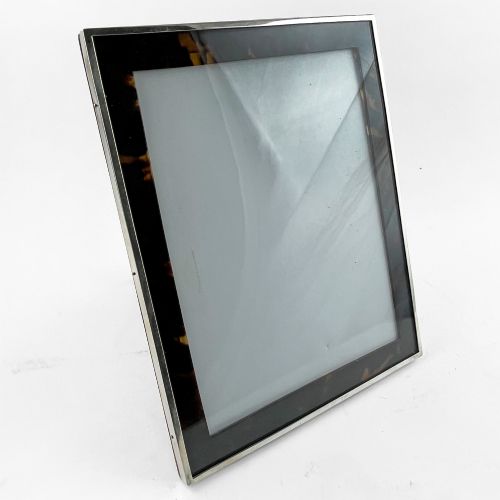
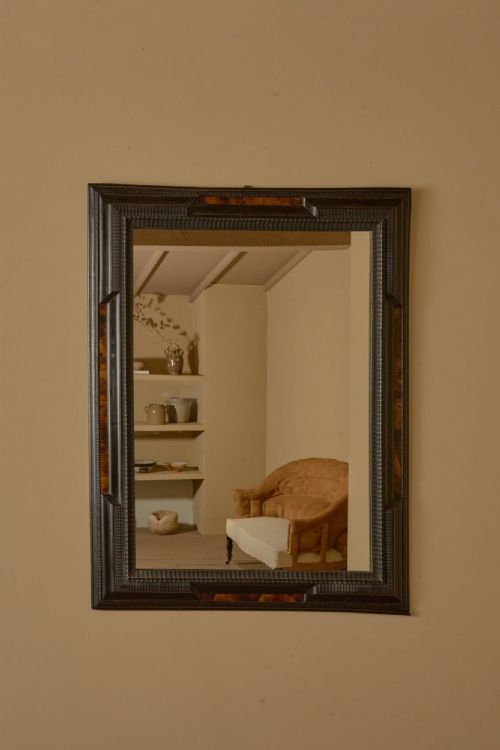
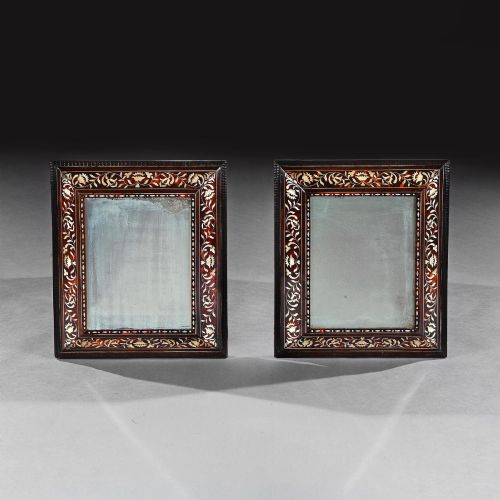
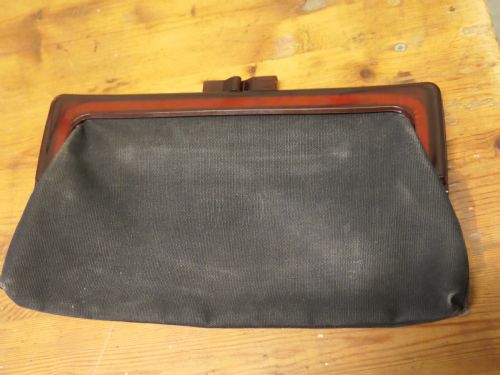
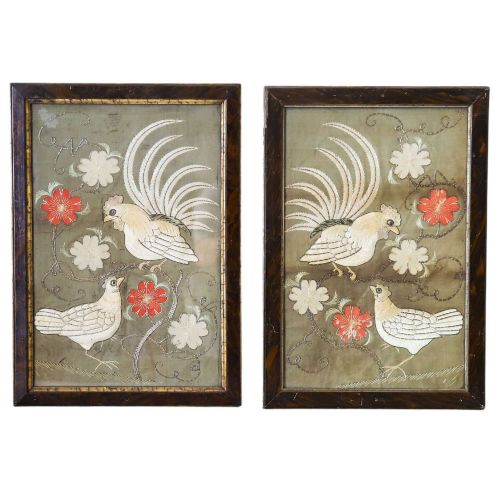
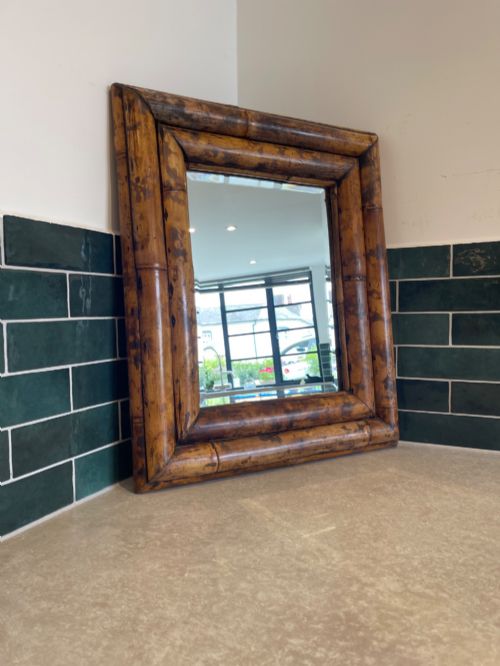
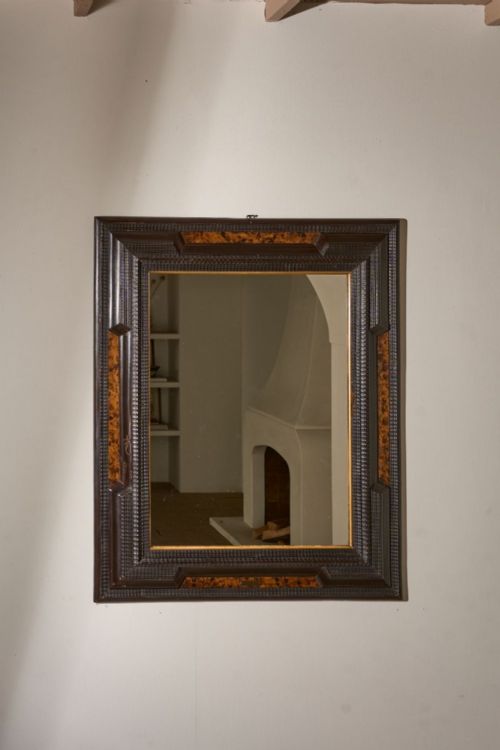
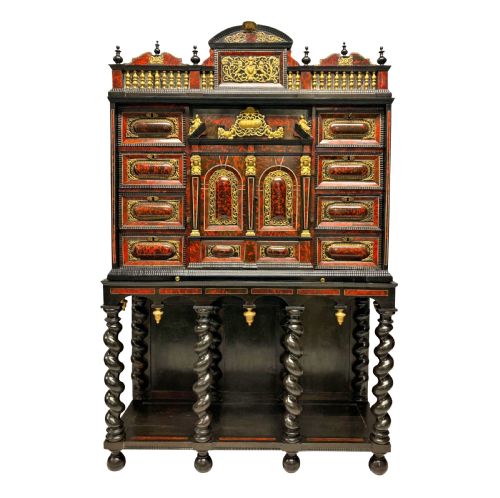
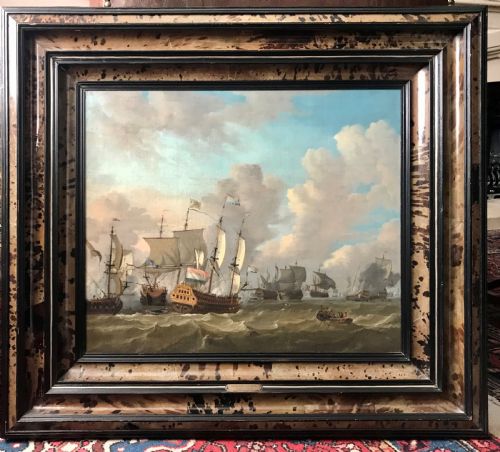
A tortoiseshell frame brings deep amber and dark brown translucence to photographs, mirrors and textiles across several historical periods. You will encounter genuine tortoiseshell alongside imitation versions executed in ebonised wood or other treated materials.
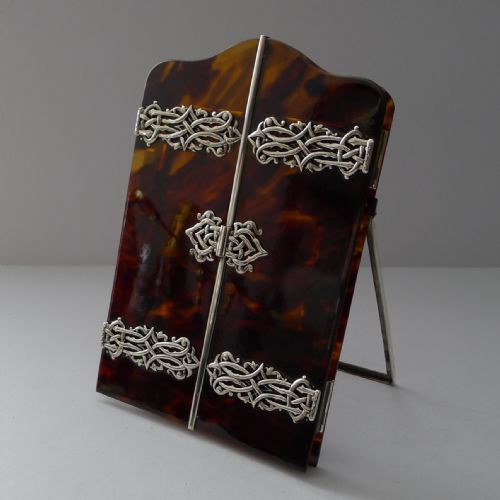
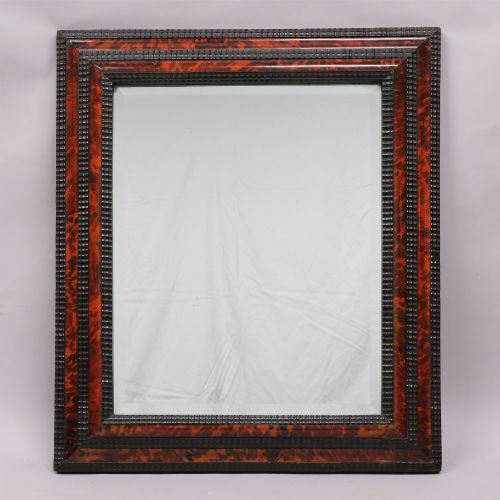
Examples range from compact Victorian photograph mounts with sterling silver borders to larger Italian ripple-moulded wall mirrors and Spanish Colonial pieces. These items span the seventeenth, eighteenth, nineteenth and early twentieth centuries, reflecting diverse regional tastes.
Collectors seek these pieces for their rich organic patterns and tactile surfaces, which complement both period interiors and contemporary spaces. The variety in scale and profile means you can find everything from a small desk accessory to a large decorative wall piece.
Materials and Construction
Authentic tortoiseshell requires thin plates of shell to be painstakingly applied over a wooden core, often secured with pins and heated to fuse the overlapping sections. Ebonised wood and faux tortoiseshell provide alternative finishes that mimic the dark mottled patterning through painted or treated surfaces.
Many historical specimens incorporate precious metals, mounting sterling silver scrollwork or corners directly onto the shell foundation. Brass accents, glass plates and silk linings frequently complete the construction of these decorative objects.
Tortoiseshell Frame Retail Price Guide 2026
Typical asking prices for tortoiseshell frame among the pieces listed under this phrase on Sellingantiques today, from the lower quarter to the upper quarter. They describe what is for sale here now, not the wider market.
Listings feature materials such as tortoiseshell, sterling silver, ebonised wood and glass across the nineteenth and twentieth centuries.
Judging Quality
The distinction between ordinary and exceptional examples rests upon the depth of colour, the clarity of the mottled pattern and the integrity of the underlying foundation. Richness in the amber tones and careful matching of the shell plates elevate a piece significantly.
Meticulous metalwork mounts, particularly those in sterling silver or cast brass, demonstrate superior craftsmanship and indicate a higher tier of production. The preservation of the original surface polish and minimal loss to the delicate shell veneer define the best surviving specimens.
Asprey London·Macy and Co
The Tortoiseshell Frame Glossary
- Tortoiseshell
- The mottled brown and amber keratin material derived from the shell of certain marine turtles, historically utilised for decorative veneers and luxury objects.
- Ebonised
- Wood that has been treated chemically or stained to resemble heavy, black ebony, frequently serving as a contrasting border on tortoiseshell items.
- Ripple moulding
- A decorative, undulating profile carved into wooden framing, often finished with ebonised or tortoiseshell surfaces to catch the light.
- Sterling silver
- A silver alloy containing ninety-two point five percent pure silver by mass, commonly employed for mounts and corners on photograph frames.
Tortoiseshell Frame: Frequently Asked Questions
How do I clean a tortoiseshell frame?
Dust gently with a soft, dry cloth to protect the sensitive organic surface from scratches and moisture damage. Avoid chemical polishes, alcohol or immersion in water, which can degrade the shell and any underlying adhesive.
Apply a tiny amount of microcrystalline wax periodically if the surface requires nourishment, buffing it off immediately with a clean lint-free cloth. Keep the item away from direct sunlight and heat sources to prevent warping or fading.
Is faux tortoiseshell modern?
Imitation tortoiseshell dates back centuries, as craftsmen continually sought alternatives to natural materials due to cost and availability. Painted wood, horn and early plastics successfully mimicked the distinctive amber and dark brown mottling.
Historical faux versions from the nineteenth century display impressive artistry that can challenge the eye without close inspection. Examining the weight, grain and temperature of the material helps differentiate genuine shell from substitutes.
Where were these frames made?
Production centres spread across Europe and the colonies, with notable pieces originating in Italy, Spain, England and the Netherlands. Regional workshops applied local woodworking techniques to the imported or domestic materials.
Italian examples often feature dramatic moulding, whilst English workshops frequently combined the shell with sterling silver mounts. Studying the construction methods reveals the likely geographic origin of a particular piece.
Can I put a modern photograph inside?
Placing a contemporary photograph inside a historical frame is entirely acceptable provided the mounting process causes no physical harm. Ensure the backing board and securing pins exert minimal pressure on the delicate edges of the tortoiseshell.
Use acid-free barrier paper between your photograph and any original backing to prevent chemical migration over time. Regular rotation and careful handling ensure the antique mount remains undisturbed.