


Timber X Frame Seating
Timber x frame seating brings together folding frames, curule forms and sturdy vernacular timbers that anchor a historic interior with architectural presence.
Timber X Frame Seating
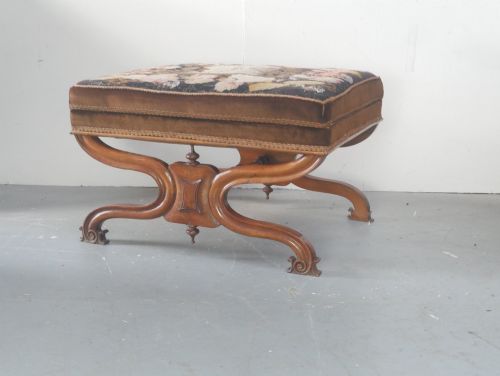
Timber x frame seating encompasses armchairs, settees, stools and folding seats developed across the nineteenth century and into the early twentieth century. These pieces emerge from diverse design traditions, including Gothic Revival, Scottish Baronial and French country styles, alongside vernacular forms like Orkney chairs and Chinese folding armchairs.
The version most commonly met on this page is the nineteenth century armchair or side chair utilising intersecting wooden supports. Makers adapted the historic curule shape for domestic drawing rooms, libraries and country house halls, employing walnut, mahogany, oak and beech.
Meticulous attention to frame construction defines timber x frame seating, whether through the monumental presence of carved mahogany hall seats or the intimate scale of nursing chairs and childs chairs. The grouping includes distinct seating types designed for folding portability as well as substantial stationary frames.
Materials and Construction
Makers constructed timber x frame seating from dense hardwoods including walnut, mahogany, oak, rosewood and beech. These timbers provided the structural strength required to support the intersecting diagonal members that bear the weight of the seat.
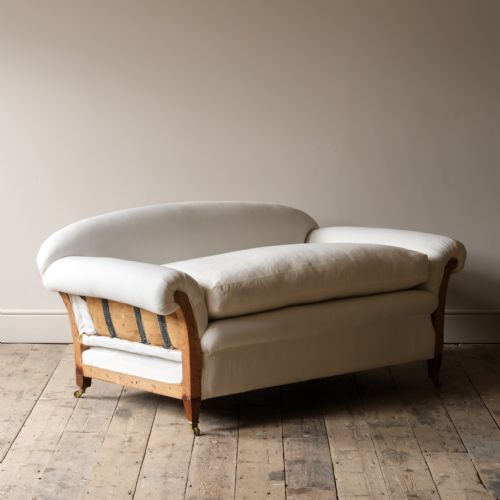
Upholstery techniques varied widely according to the intended function of the chair or sofa, utilising fabric, hessian, calico and brass detailing. Show frames exposed the polished wood grain, while deep seated country house sofas and drawing room settees relied on traditional springing and stuffing.
Some nineteenth century makers thoughtfully ensured their folding chairs could collapse flat, perfect for unexpected guests or quick aristocratic relocations.
Craftsmanship and Proportion
The distinction between ordinary and superior timber x frame seating rests upon the precision of the joinery where the diagonal members cross. Finer pieces demonstrate careful timber selection, matching grain patterns and harmonious proportions that balance the inherent visual weight of the x frame structure.
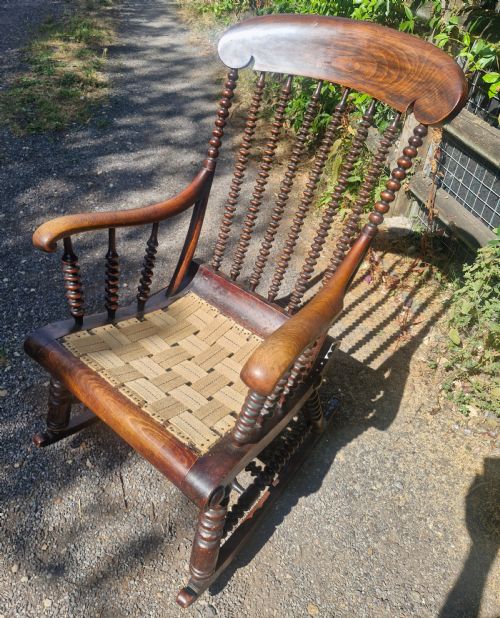
Decorative ambition further separates pieces, ranging from plain functional folding frames to heavily carved Scottish Baronial stools, Gothic Revival details, and intricate bobbin turning. The integration of upholstery materials, from exposed show frames to fully padded deep seating, reflects the original commission and workshop standards.
White, Allom & Co.
The Timber X Frame Seating Glossary
- X Frame
- A structural furniture form composed of intersecting diagonal members forming an X shape when viewed from the side. This ancient design provides inherent stability and portability.
- Curule
- An ancient chair shape featuring two curved legs forming an X, which heavily influenced later Renaissance Revival and nineteenth century seating designs.
- Show Frame
- A wooden chair or sofa frame left visibly exposed around the upholstered components. This construction highlights the timber quality and carving skill of the maker.
- Bobbin Framing
- Turning timber on a lathe to produce a series of rounded spheres resembling bobbins or spools. It creates a distinctive decorative texture popular in nineteenth century seating.
- Gothic Revival
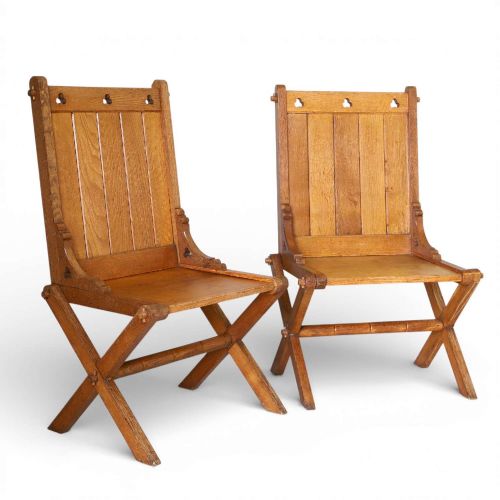
- An architectural and decorative style drawing on medieval forms, featuring pointed arches, trefoil details and substantial timber construction.
Timber X Frame Seating: Frequently Asked Questions
Are all x frame chairs designed to fold?
While many historic x frame pieces originated as portable folding furniture, numerous nineteenth century interpretations utilised the intersecting shape as a fixed architectural base for stationary drawing room armchairs and settees.
Examining the pivot points and joint construction reveals whether a specific piece was intended to collapse or remain rigid within a grand interior.
What is a Glastonbury chair?
A Glastonbury chair is a specific type of wooden armchair featuring a panel back, slanted seat and folding x frame supports, often associated with Gothic Revival design.
These pieces frequently incorporate medieval motifs such as trefoil details and carved inscriptions, reflecting nineteenth century antiquarian interests.
How do I identify a Scottish Baronial piece?
Scottish Baronial seating typically displays heavy proportions, dark hardwoods, and robust carving inspired by historic Scottish castles and baronial architecture.
Stools and armchairs from this tradition often feature substantial timber framing designed to convey permanence and authority in large country house halls.
What distinguishes an Orkney chair?
An Orkney chair is a distinctive vernacular seating form characterised by a low wooden frame and a high woven straw back. Makers utilised indigenous materials such as oat straw and stained beech to construct these supportive chairs against drafts.
Their regional origins and unique basketry technique make them easily distinguishable from standard upholstered parlour seating.