


Timber Hall Table
A timber hall table brings immediate warmth and practical surface space to an entryway, uniting period craftsmanship with daily utility.
Timber Hall Table
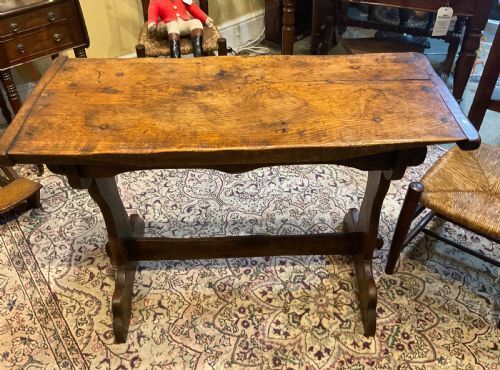
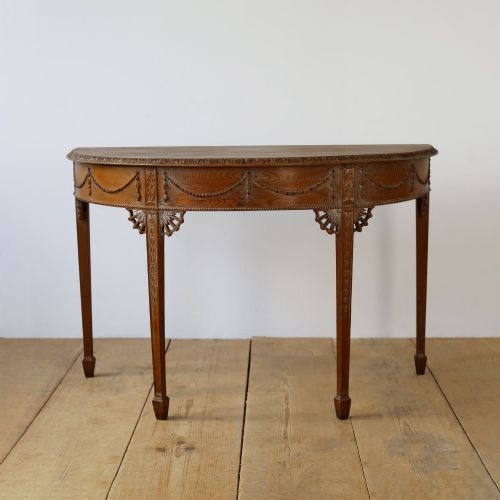
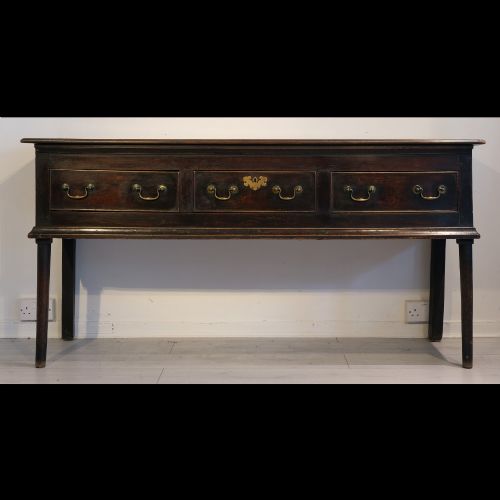
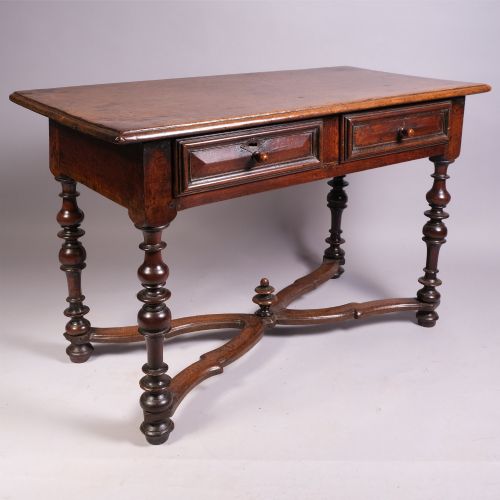
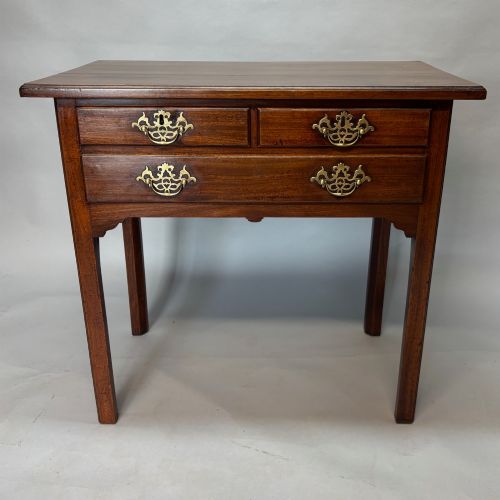
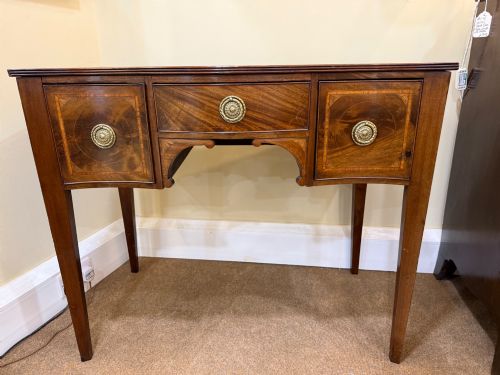
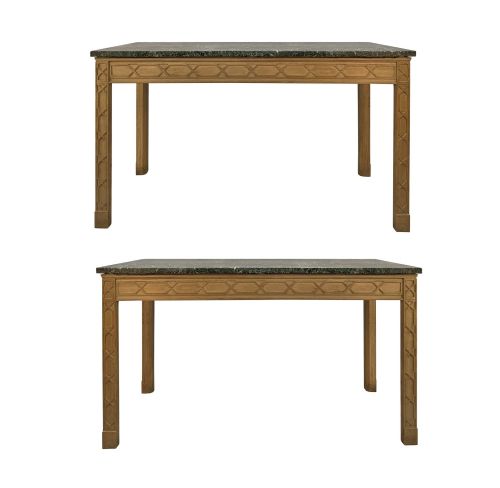
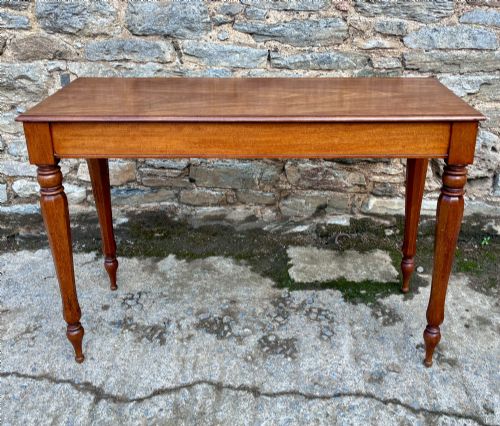
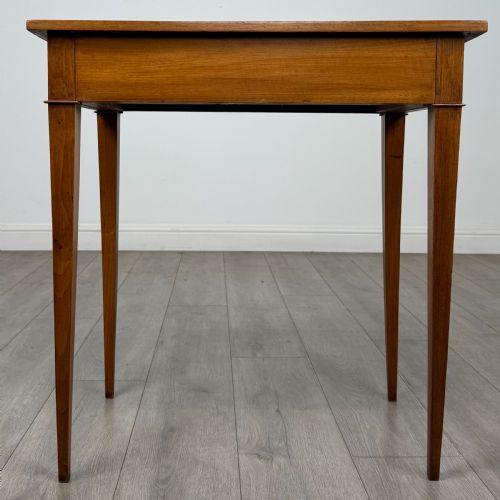
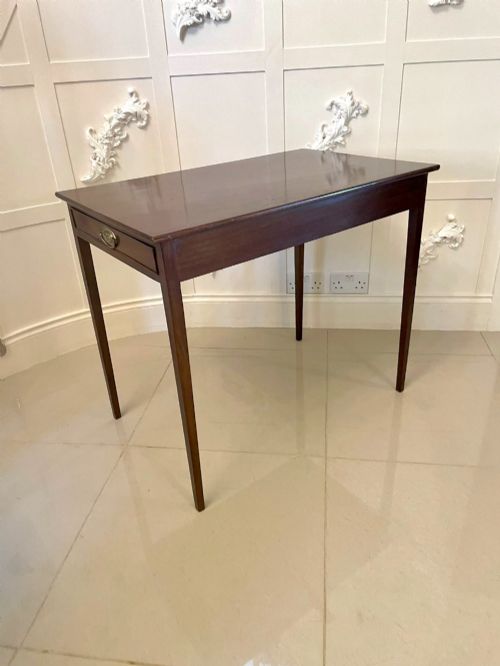
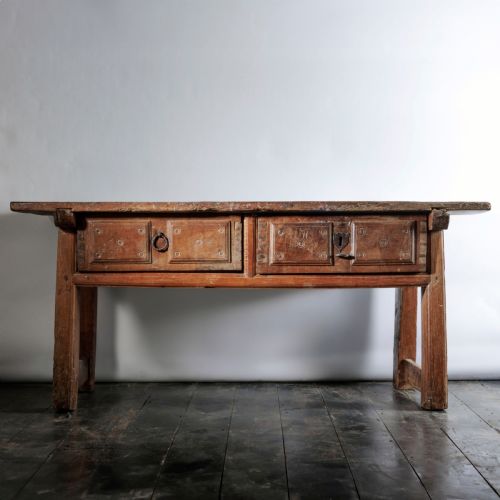
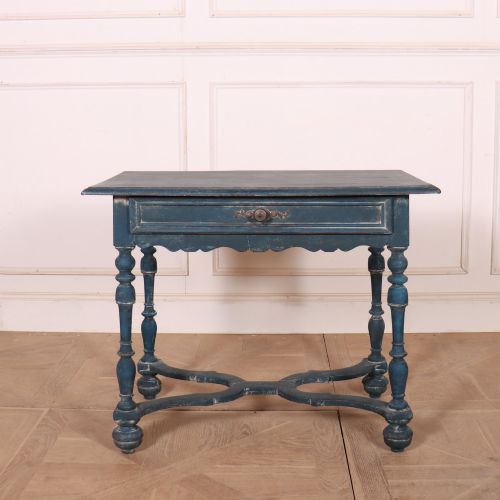
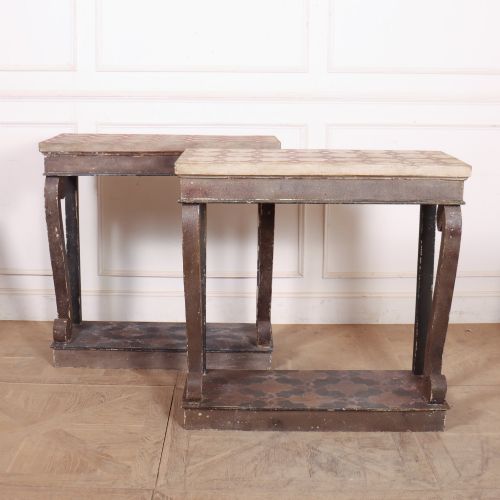
A timber hall table covers a versatile group of narrow furnishings designed to sit against passageway walls without blocking foot traffic. When searching for a timber hall table, buyers encounter various configurations spanning the eighteenth, nineteenth, and early twentieth centuries, including console tables, side tables, lowboys, and occasional tables.
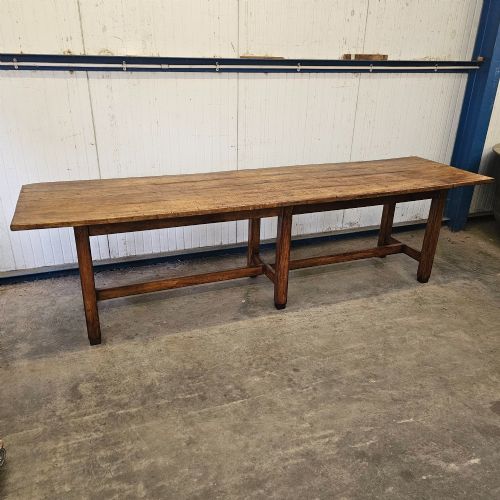
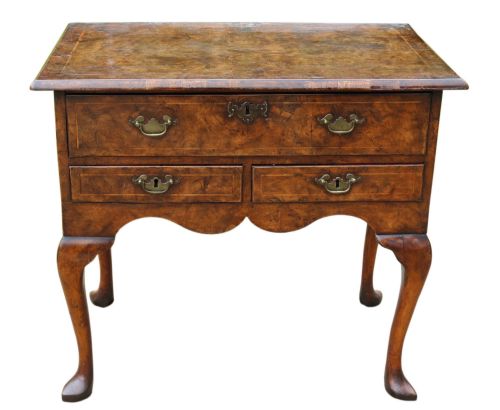
The selections on this page range from Georgian mahogany demi-lune consoles and George II burr elm lowboys to rustic pine farmhouse pieces and Edwardian oak benches. These items originate from English, French, Spanish, Swedish, and Chinese workshops, reflecting diverse regional aesthetics tied together by solid wood construction.
Most pieces date from the Georgian and Victorian eras up through the 1920s and 1930s, offering narrow proportions suited specifically for hallways, landings, and reception rooms. Buyers will find both formal inlaid mahogany designs and more utilitarian fruitwood or oak surfaces ready for placement.
Materials and construction methods
Cabinetmakers relied heavily on hardwoods and softwoods such as mahogany, oak, pine, elm, fruitwood, and occasional rosewood. Timber selection dictated the structural integrity and decorative potential of each console or side table, utilising dense grains for fine carving or sturdy conifers for everyday farmhouse pieces.
Joinery methods varied by period and region, ranging from traditional pegged oak framing found in eighteenth-century plank top tables to delicate dovetailing on lowboy drawers and shaped trestle ends on benches. Surfaces were frequently hand-planed, polished, or finished with paint, wax, or brass hardware accents.
Timber Hall Table Retail Price Guide 2026
Typical asking prices for timber hall table among the pieces listed under this phrase on Sellingantiques today, from the lower quarter to the upper quarter. They describe what is for sale here now, not the wider market.
Distinguishing quality across periods
The distinction between standard examples and superior specimens rests on the depth of figure in the wood, such as highly prized burr elm or figured mahogany. Finer items exhibit precise proportion, such as well-balanced serpentine fronts, crisp hand-carving, and harmonious integration of brass handles or inlay.
Structural honesty and the preservation of original surfaces separate exceptional pieces from heavily restored ones. Untouched patination, genuine period brasses, and stable joinery elevate an ordinary side table or console into a notable collector's piece.
The Timber Hall Table Glossary
- Demi-lune
- A half-moon shape popular for console and side tables designed to sit flush against a wall. This profile maximises floor space in narrow corridors.
- Lowboy
- A small table with drawers resembling the lower section of a tallboy, typically serving as a side table or writing surface during the eighteenth century.
- Console table
- A table fixed to a wall or freestanding with front legs, built primarily for display in halls and formal rooms.
- Plank top
- A solid wooden top constructed from wide boards joined edge to edge, commonly observed on early oak tables.
- Serpentine
- A gently curved front edge with a central convex sweep flanked by concave curves, adding visual movement to mahogany case pieces.
Timber Hall Table: Frequently Asked Questions
Where should I place a timber hall table?
These narrow tables suit entrance hallways, narrow corridors, and landings where floor space is limited. Their shallow depth allows them to sit against walls without obstructing movement.
They provide a convenient surface for post, keys, and lighting while introducing period character to transitional spaces in the home.
How do I care for antique wood surfaces?
Maintain timber finishes by applying a quality natural beeswax periodically to nourish the grain and protect against dryness. Avoid placing tables in direct sunlight or near heat sources to prevent timber splitting.
Use coasters and felt pads under objects to safeguard antique polishes and painted finishes from moisture and scratching.
What is the difference between a console and a side table?
Console tables traditionally stood against walls and occasionally required wall fixing, though many antique examples are freestanding with four legs. Side tables are strictly freestanding four-legged furniture pieces designed to sit alongside walls or seating.
Both forms overlap significantly in modern placement, functioning interchangeably within hallways and reception rooms.
How do I identify Georgian timber furniture?
Georgian pieces, spanning the eighteenth century, frequently utilise dense mahogany or oak with restrained proportions and classic architectural lines. Look for hand-cut dovetails in drawers, period brass drop handles, and rich patination developed over centuries.
Stylistic cues include pad feet, cabriole legs on earlier items, and refined inlay work on later George III examples.