

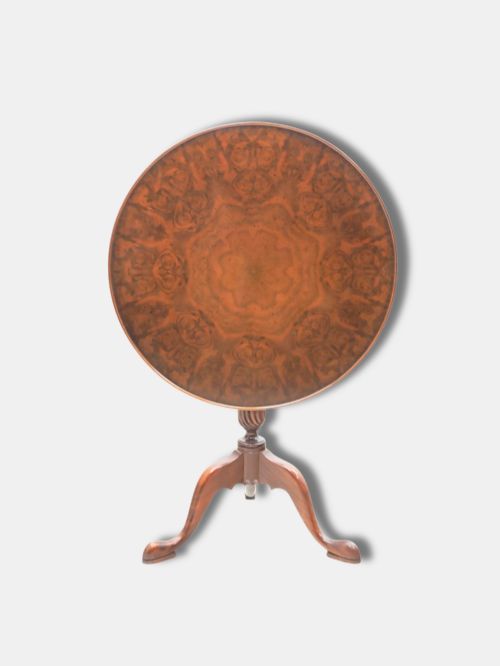
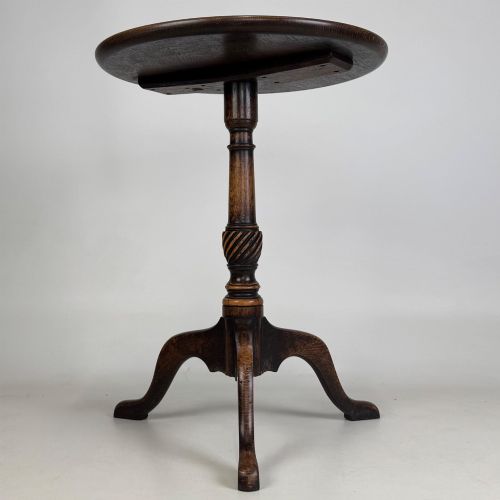
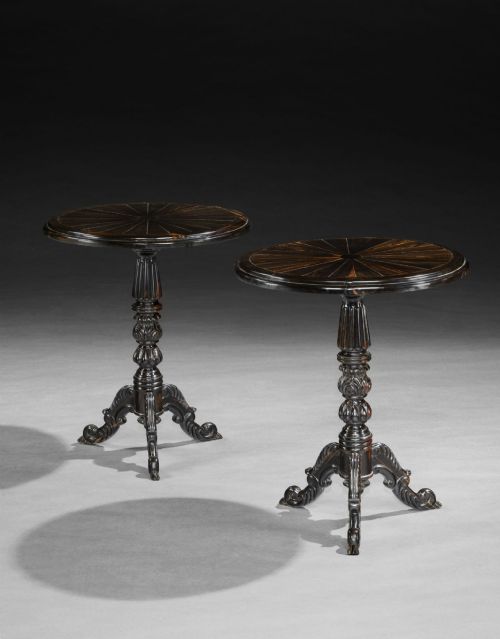
Tilting Top Side Table
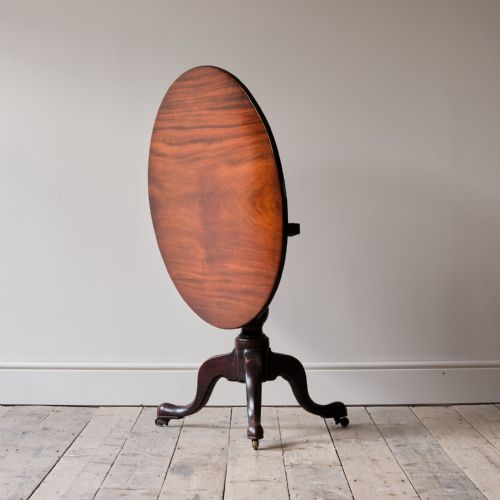
A tilting top side table brings ingenious space-saving design to a room, offering a sturdy surface that folds flat when not in use.
Tilting Top Side Table
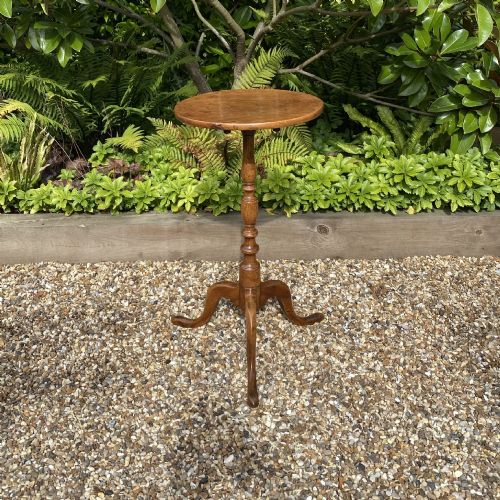
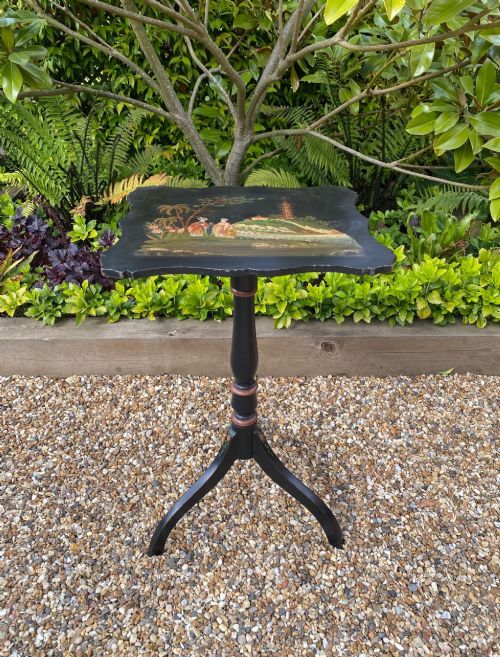
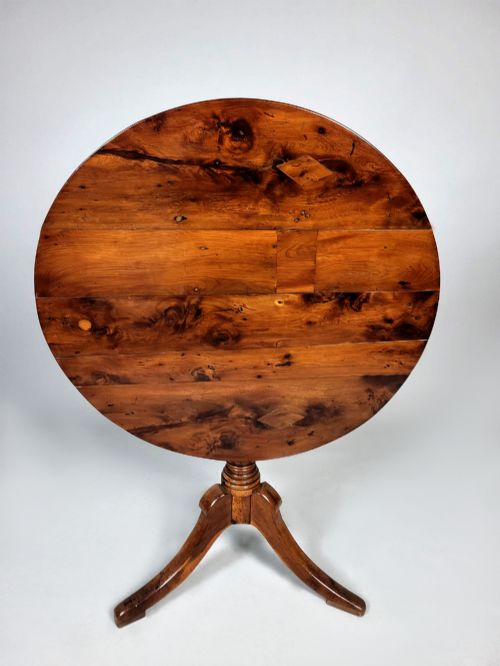
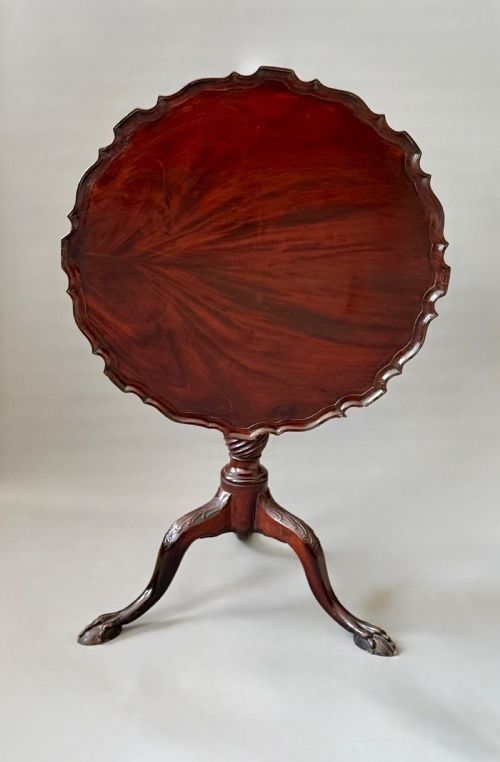
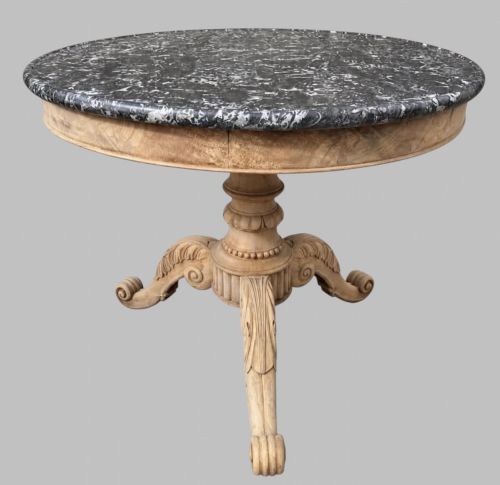
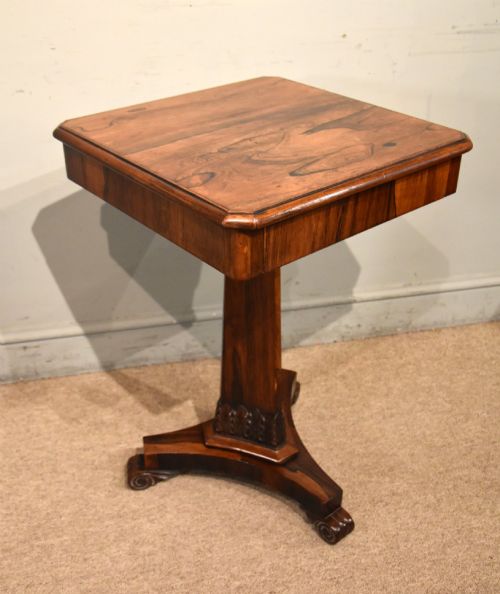
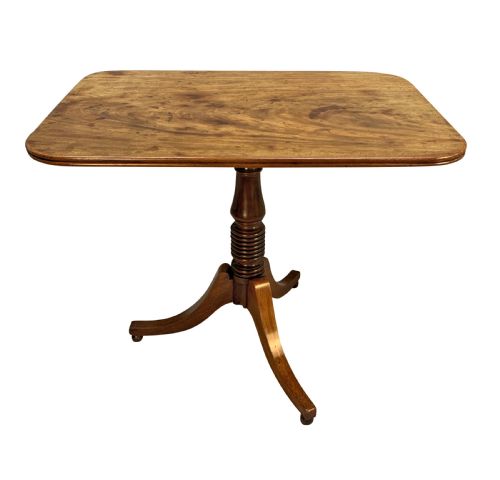
A tilting top side table is a practical piece designed to tuck away easily against a wall by pivoting the surface on its base. When you search for this phrase, you will encounter various forms including wine tables, occasional tables, and tripod bases.
The pieces found here span multiple periods, with Georgian and 19th-century examples appearing most frequently. These tables often serve as functional accent furniture in sitting rooms and hallways.
Materials and construction
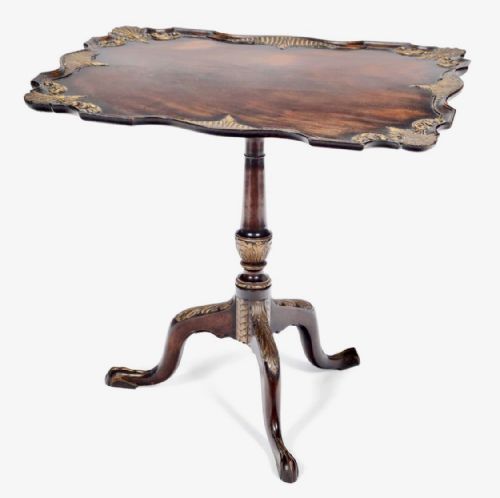
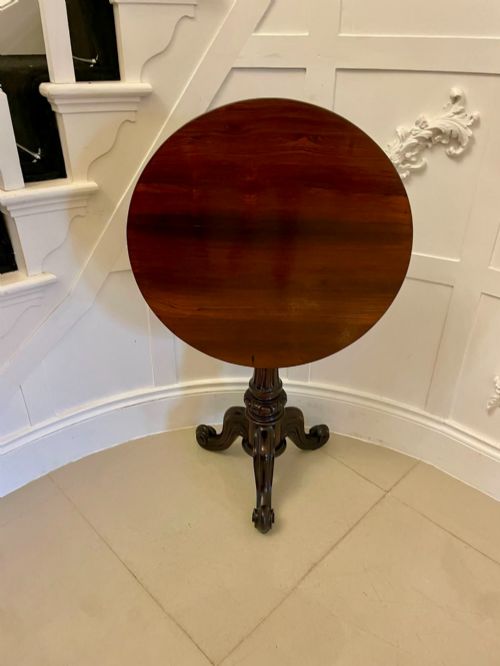
Cabinet makers utilised dense hardwoods such as mahogany, oak, walnut, and rosewood to construct stable pillars and tops. Inlaid details, brass hardware, and carved tripod legs frequently accent these wooden structures.
Specialised mechanisms like birdcage actions or snap-top catches allow the tabletop to pivot and lock securely into position. Skilled turning on lathes shapes the central pedestals and supports.
Table forms include wine tables, occasional tables, games tables, and lamp tables resting on tripod pedestals.
Assessing quality
The sophistication of the timber grain and the crispness of any carved ornamentation distinguish finer examples from simpler utilitarian versions. Rich figures in mahogany, burr walnut, or rosewood elevate the visual appeal of a piece.
Engineering precision in the tilting mechanism determines how smoothly the table operates and how firmly the top stays flat when locked. Robust joints and well-balanced tripod bases ensure the table remains steady during daily use.
Gillow
The Tilting Top Side Table Glossary
- Tripod table
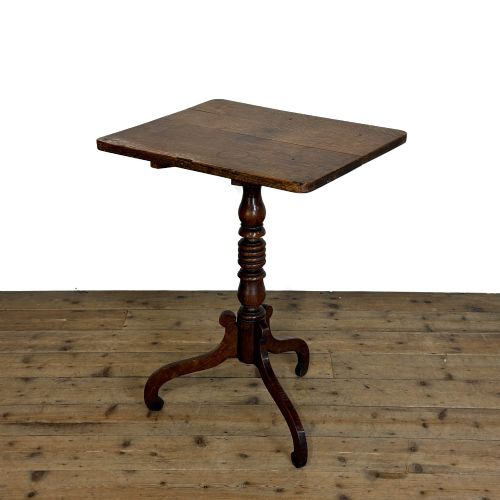
- A small freestanding table supported by three legs radiating from a central pillar. This design ensures stability on uneven floors.
- Snap top
- A mechanism allowing the table top to hinge flat and lock horizontally. It enables the table to be stored upright against a wall.
- Birdcage
- A revolving wooden framework beneath the tabletop that permits the surface to tilt and rotate. This complex joinery is found on better examples.
- Pie crust table
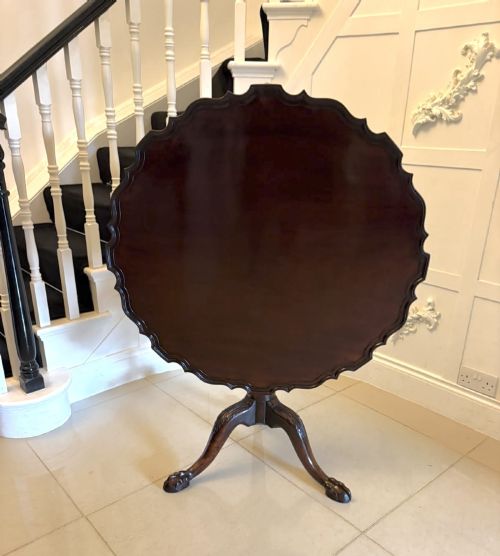
- A table featuring a raised, carved edge shaped in undulating curves resembling pastry. This decorative moulding requires careful hand carving.
- Gueridon
- A small ornamental French table designed to hold a light or decorative object. These often feature distinctive stylistic details originating from continental workshops.
Tilting Top Side Table: Frequently Asked Questions
What is a tilt top table used for?
These tables traditionally served as convenient surfaces for serving wine, tea, or holding lamps in principal rooms. Their pivoting tops allowed servants to clear floor space quickly when the furniture was not needed.
Today, they function well as decorative lamp tables or bedside stands. Their compact footprint suits them to smaller spaces where flexibility matters.
How do I identify a Georgian tilt top table?
Georgian examples typically feature rich mahogany timber, elegant vase-turned pedestals, and slender pad feet or carved cabriole legs. The joinery employs traditional construction methods such as pegged tenons and hand-cut dovetails.
Examining the underside reveals the patina of age on the timber and hand-wrought iron or brass fixings. Proportion and balance in the tripod base remain key indicators of this period.
Are these tables stable enough for daily use?
A well-balanced tripod base provides surprising stability on solid floors, provided the three feet make firm contact with the ground. Tightening any central fixings prevents the pillar from wobbling.
Care should be taken not to lean heavy weight against the edge of the tilted or horizontal surface. Regular checking of the pivot mechanism ensures safe daily operation.