





Tiled Top Table
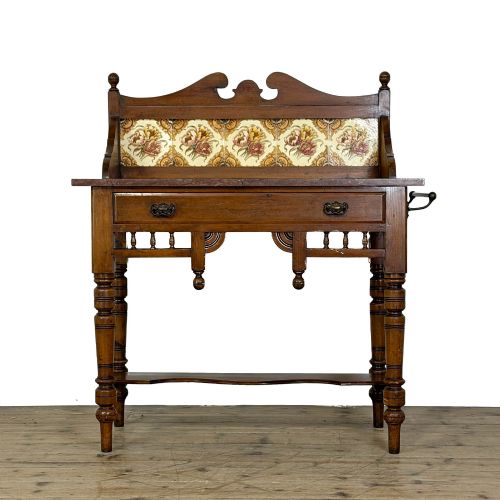
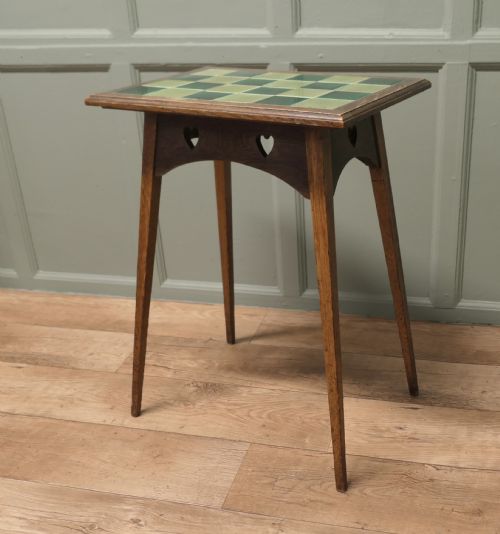
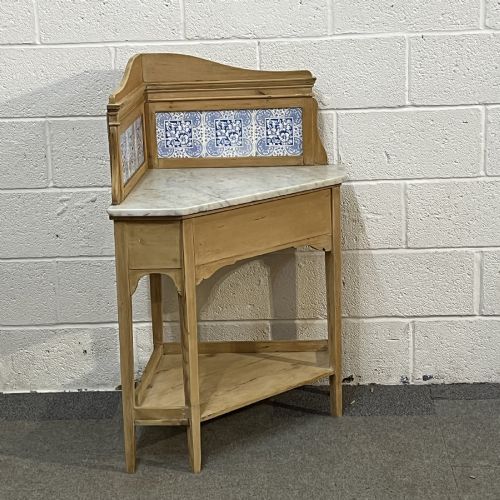
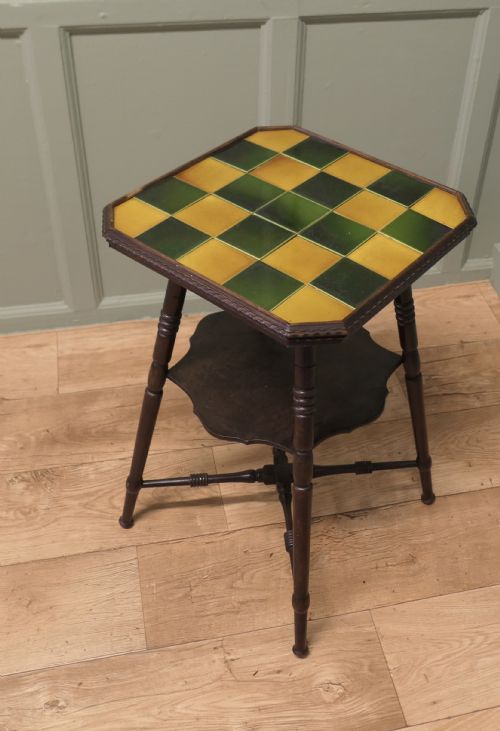
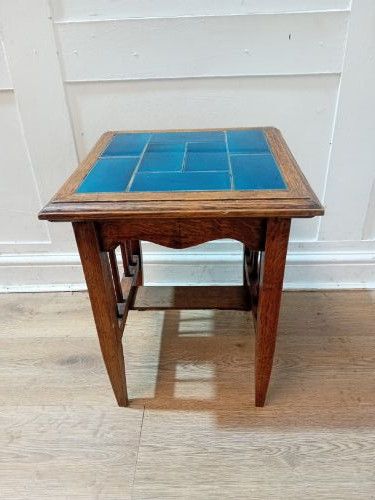
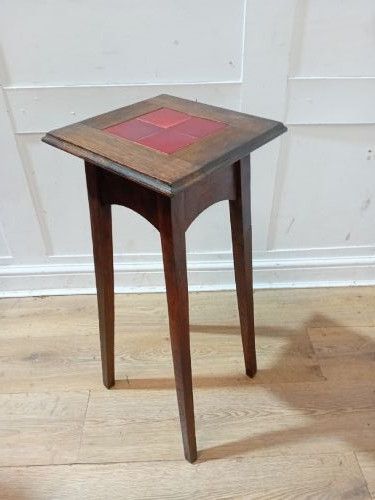
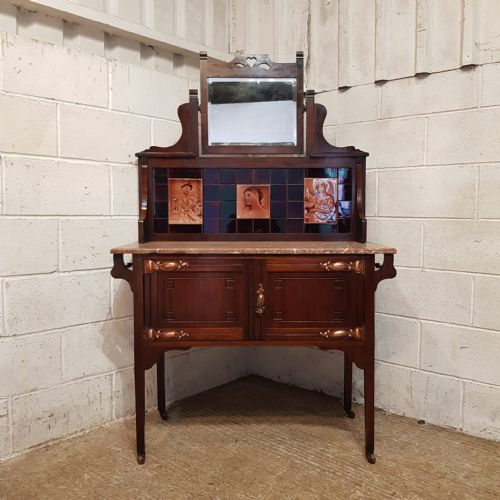
These tiled top table pieces bring glazed earthenware and ceramic tiles straight into functional furniture like washstands and occasional tables.
Tiled Top Table
When you search for a tiled top table, you find a practical hybrid of timber furniture and ceramic surface work. These pieces combine a wooden framework with inset tiles, offering a sturdy space that resists water and stains.
The versions you meet most often on this page take the form of washstands, side tables, and occasional tables from the Victorian, Edwardian, and Arts and Crafts periods. Oak and mahogany serve as the primary woods, often paired with floral or geometric ceramic tiles.
Makers adapted this form for domestic utility, placing tiles where water splashes or hot items caused damage on plain wood. You also encounter plant stands, coffee tables, and bedside cabinets built around the same principle.
How they were made
Makers constructed the frames using timbers such as oak, mahogany, pine, and ebonised wood, joined to support the heavy weight of inset ceramic panels. Brass hardware occasionally appears on related cabinetry and washstands.
The ceramic tiles were set directly into wooden recesses, secured with mortar or putty to create a flush, wipeable surface. Many incorporate aesthetic movement, Art Nouveau, or Reformed Gothic designs directly into the tile glaze.
Tiled Top Table Retail Price Guide 2026
Typical asking prices for tiled top table among the pieces listed under this phrase on Sellingantiques today, from the lower quarter to the upper quarter. They describe what is for sale here now, not the wider market.
Some washstands hide their utility beneath gorgeous floral tiles, daring you to spill water just to admire the artwork.
What varies in quality
Quality rests in the harmony between the timber frame and the ceramic inserts, where finer pieces utilise kiln-fired tiles from notable design houses rather than plain commercial stock. The carpentry joinery and the grain selection of the oak or mahogany dictate the overall structural integrity.
The artistic ambition of the tile design itself separates standard utility items from higher workshop output. Pieces associated with specific makers or design movements display superior modelling in both the woodwork and the glazed surface.
Charles Bevan·Christopher Dresser·Shapland & Petter·Baillie Scott·Heals
The Tiled Top Table Glossary
- Washstand
- A piece of bedroom furniture designed to hold a basin and jug, frequently featuring a marble or tiled top to protect against water splashes.
- Arts and Crafts
- A design movement valuing handcraft, natural materials, and simple forms over mass production, often seen in oak tables with decorative tiles.
- Aesthetic Movement
- A late nineteenth-century style emphasising art for art's sake, producing furniture with stylised floral motifs and Japanese-inspired details.
- Occasional table
- A small, movable table used for specific tasks like holding a lamp or books, frequently adapted with a tiled surface for durability.
Tiled Top Table: Frequently Asked Questions
What were tiled top tables used for?
These tables served primarily as washstands in bedrooms, where the ceramic surface protected the wood from water spills during washing.
They also functioned as plant stands, lamp tables, and occasional tables in sitting rooms, where heat or moisture resistance was useful.
How do I clean a tiled top table?
Wipe the ceramic tiles with a damp cloth and mild soap, avoiding harsh abrasives that might scratch the glaze or dull the surrounding wood.
Treat the wooden frame with a suitable wax or polish periodically, keeping moisture away from unsealed joints.
Are the tiles heat resistant?
Most ceramic and glazed tiles withstand moderate heat well, making them suitable for placing hot cups or small dishes during daily use.
Older tiles can develop hairline cracks from thermal shock, so caution remains wise with extremely hot items.
How do I date a tiled table?
Examine the timber frame, construction joints, and wood species, comparing them with known styles from the Victorian and Edwardian eras.
The aesthetic of the tile design, whether Art Nouveau, Arts and Crafts, or geometric Victorian, often dates the piece precisely to its period of manufacture.