




Tiered Wooden Server
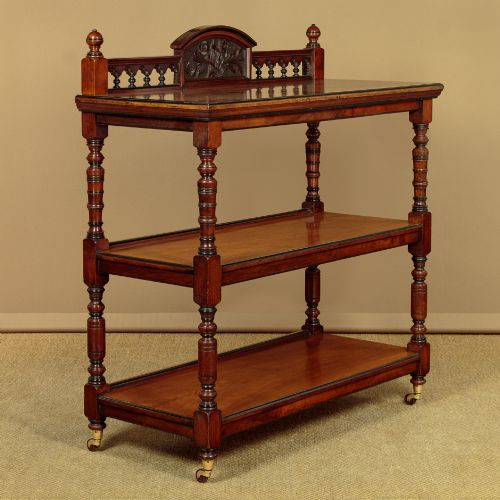
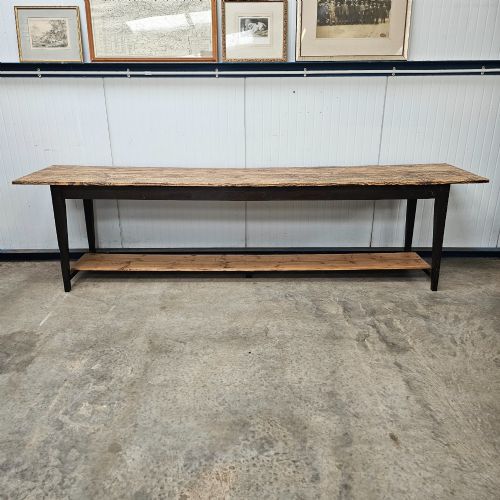
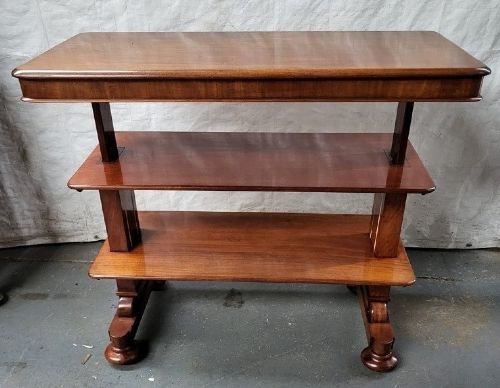
A tiered wooden server offers multi-level surface space for dining and display, spanning robust Victorian mahogany and oak designs.
Tiered Wooden Server
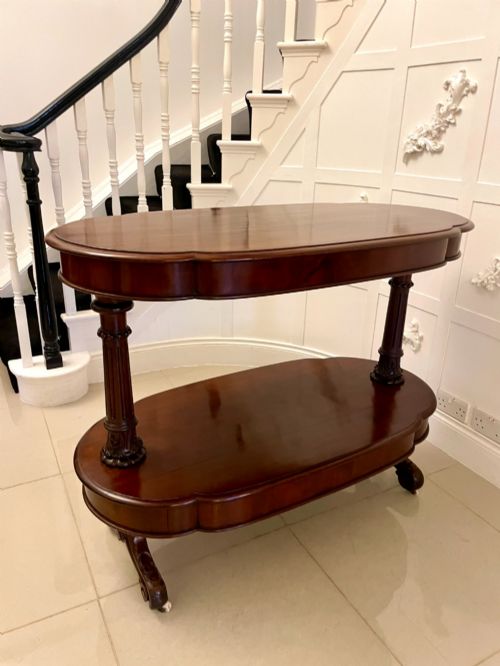
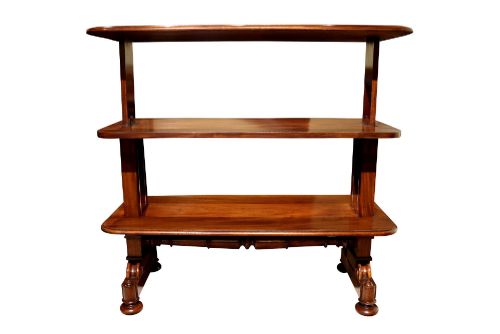
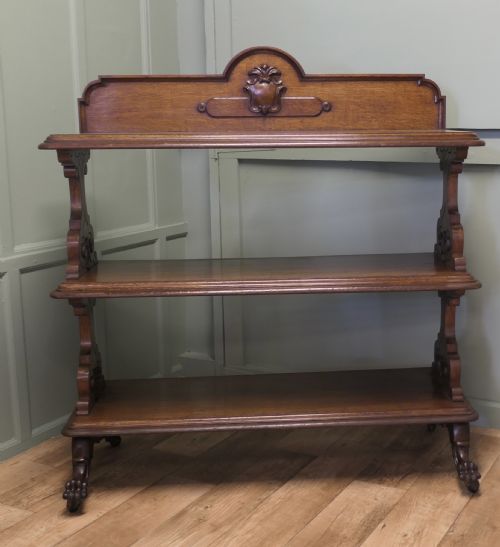
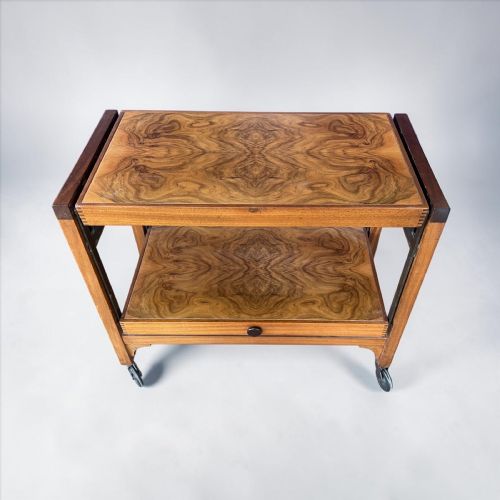
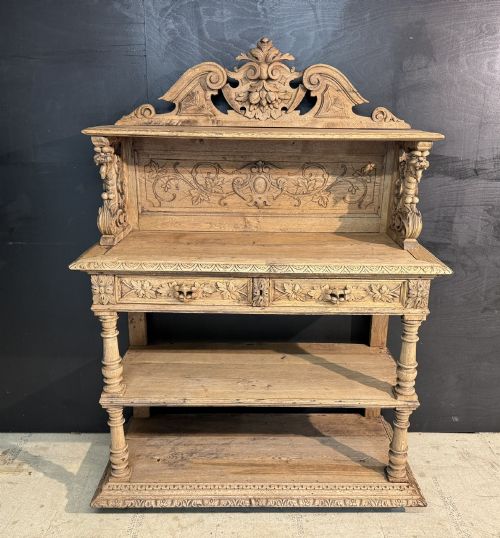
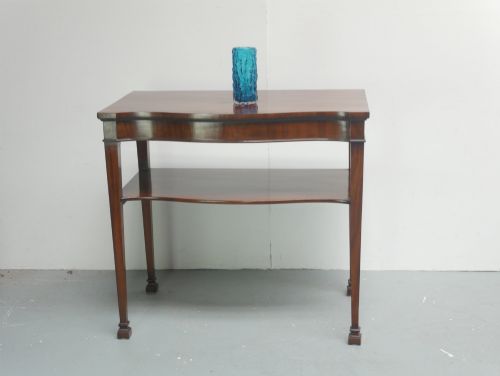
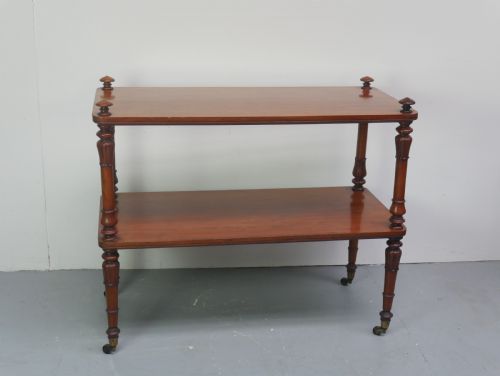
A tiered wooden server functions primarily as a serving table, dumb waiter, or buffet, providing multiple stacked platforms for food, drink, or display. When examining a tiered wooden server on this page, expect multi-level configurations built for practical utility in dining rooms and living spaces.
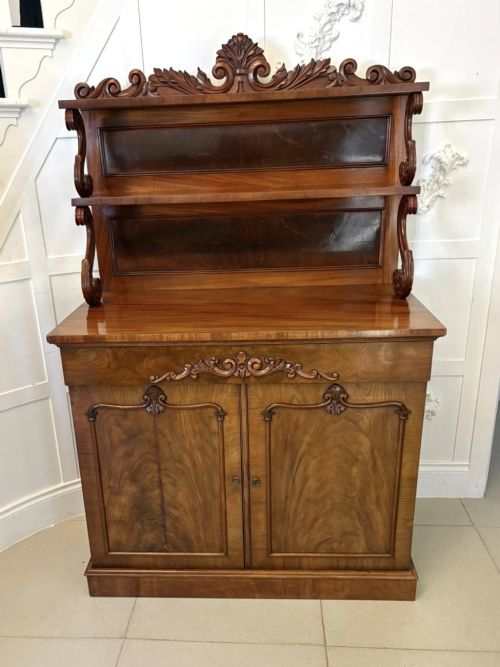
The selections span various historical periods, with nineteenth-century Victorian, William IV, and Regency examples appearing alongside later twentieth-century Art Deco interpretations. These pieces take forms ranging from revolving lazy susans and rise-and-fall mechanisms to large carved oak buffets and compact tea trolleys.
Mahogany and oak dominate the offerings, frequently enhanced by walnut, pollard oak, and flame mahogany veneer. Makers utilise these robust timbers to construct multi-tiered stands, console tables, and serving trolleys equipped with original castors.
Materials and construction methods
Cabinetmakers constructed these servers predominantly using solid mahogany, oak, and walnut, often applying flame mahogany veneer or pollard oak to prominent surfaces for visual depth. Secondary timbers like pine appear in utilitarian or harvest formats, whilst brass hardware and original castors provide mobility and structural accents.
Joinery techniques varied from heavy carved ornamentation found in Gothic Revival and Aesthetic Movement pieces to functional mechanical elements such as rise-and-fall mechanisms and revolving tiers. Workshops shaped these dense hardwoods into multi-tiered serving tables, dumb waiters, and sideboards designed to withstand daily domestic service.
Some nineteenth-century dumb waiters include revolving lazy susans, ensuring passing the mustard required merely a spin rather than an arm stretch.
Distinctions in craftsmanship and execution
Quality reveals itself in the selection of timber, such as highly figured mahogany or pollard oak, paired with sophisticated joinery and well-executed carving rather than plain surfaces. The presence of functional mechanisms, including smooth rise-and-fall action or stable revolving tiers, distinguishes superior examples from standard utility items.
Signatures or attribution to documented makers elevate a piece, alongside original retaining hardware like brass castors. Proportion and the integration of multiple tiers without structural sagging define the upper tier of these serving tables.
Maple & Co·James Shoolbred & Co·Gillows of Lancaster and London
The Tiered Wooden Server Glossary
- Tiered wooden server
- A multi-level furniture piece designed for serving or displaying items, encompassing formats like dumb waiters, buffets, and tea trolleys.
- Dumb waiter
- A freestanding piece of furniture featuring multiple stacked shelves or trays, historically used to hold dishes without servant attendance.
- Buffet
- A sideboard or serving table intended for food preparation and presentation during meals.
- Rise and fall
- A mechanical mechanism allowing tiers or central columns to adjust in height according to domestic needs.
- Pollard oak
- Oak timber taken from trees that have been pollarded, producing a distinctive, highly figured burr grain pattern prized by cabinetmakers.
Tiered Wooden Server: Frequently Asked Questions
How were dumb waiters used?
Dumb waiters served as supplementary side tables in dining rooms, allowing diners to access dishes and beverages independently without constant servant attendance.
The multiple tiers provided designated levels for different courses, plates, and glassware during long formal meals.
How do I identify a Victorian piece?
Victorian servers often feature dense mahogany or walnut construction, rich dark patination, and substantial carved details associated with the period's preference for solid craftsmanship.
Many incorporate functional elements like original brass castors and adjustable tiers that reflect nineteenth-century interior design priorities.
Can I use these servers daily?
These wooden servers integrate well into modern dining rooms and living areas as drinks cabinets, side tables, or display stands for books and ceramics.
Their sturdy hardwood construction and multiple shelves offer practical surface area while retaining historical character.