
Tiered Server Table
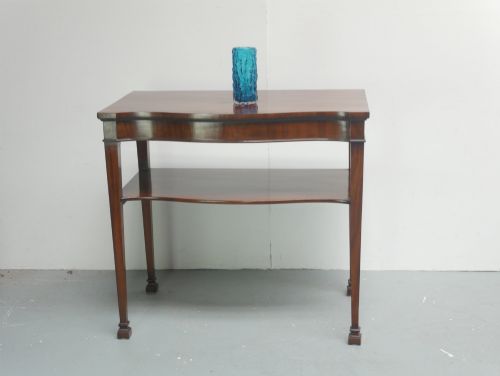
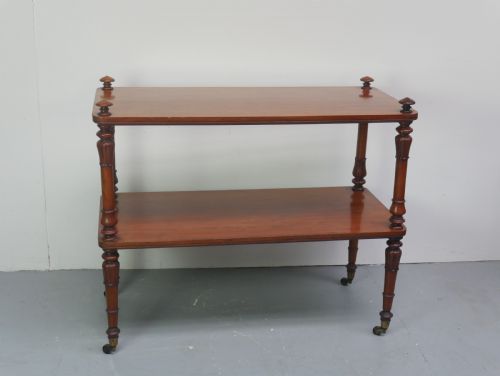
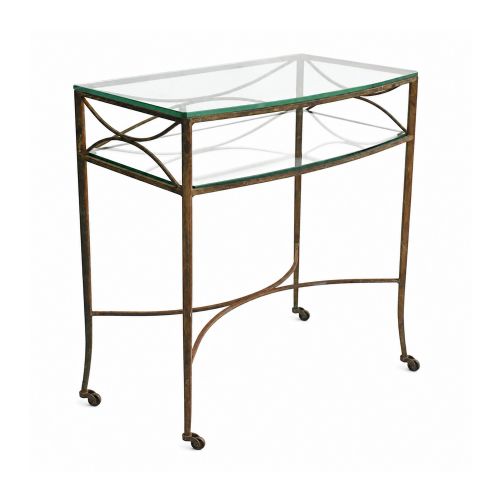
These tiered server table pieces span Georgian to Art Deco periods, offering multi-level surface utility for dining and display.
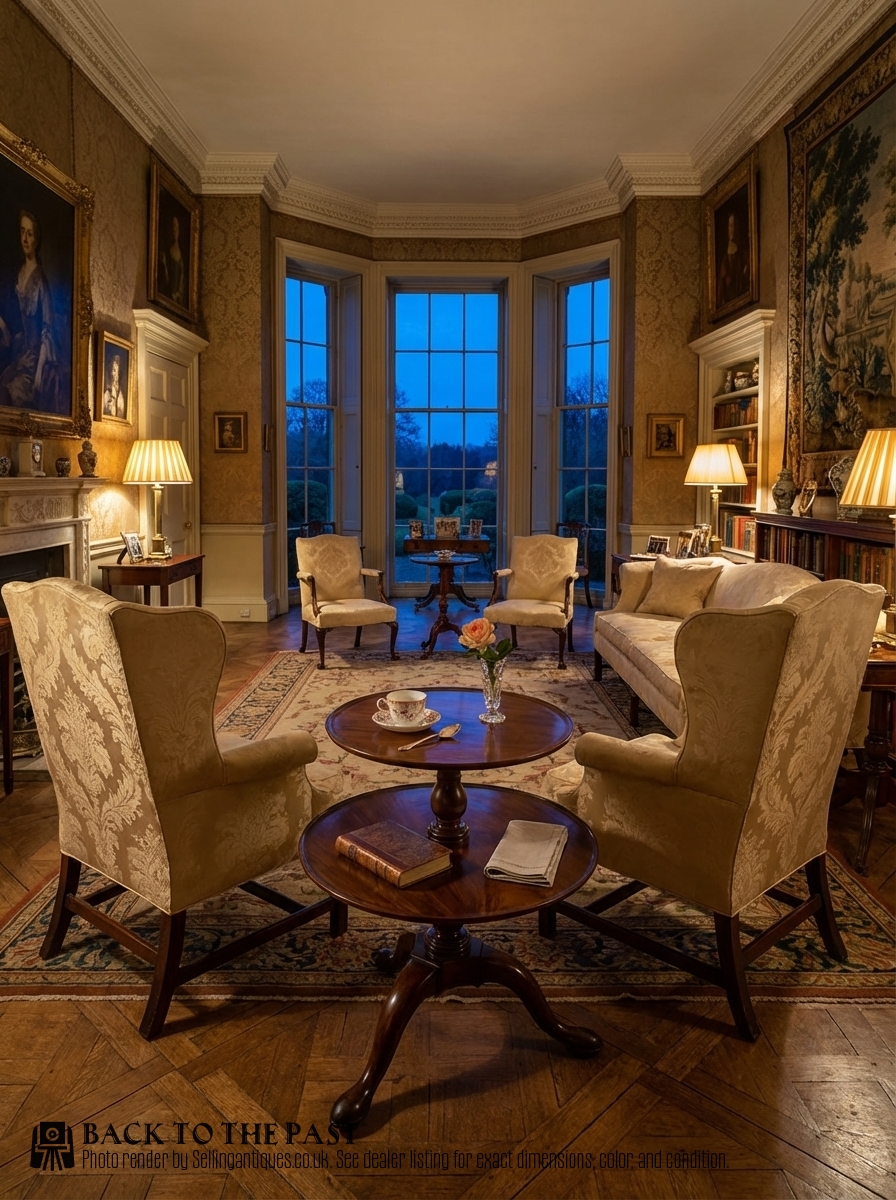
Tiered Server Table
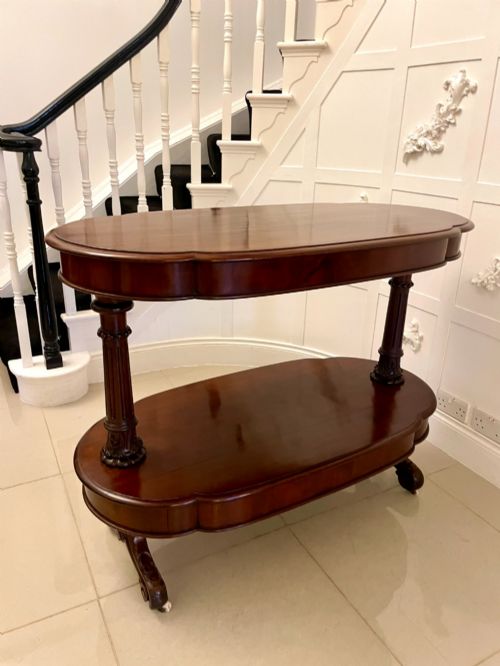
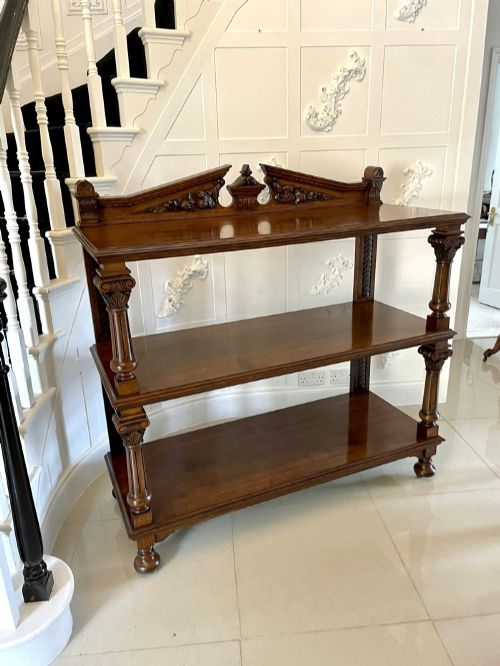
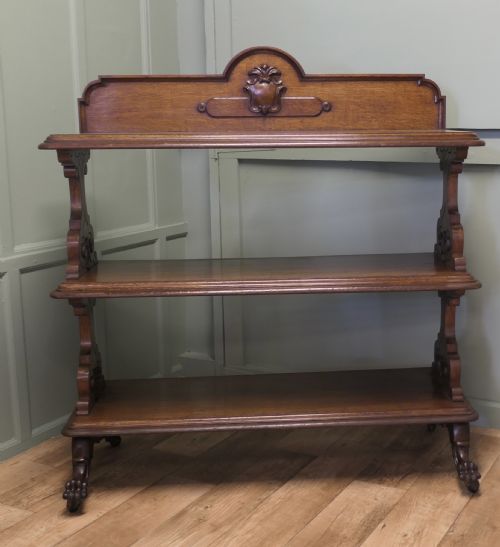
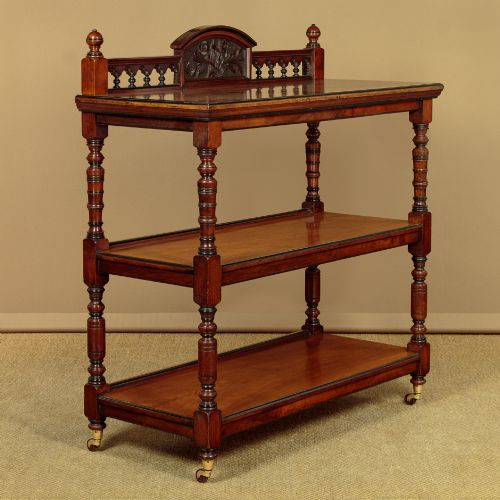
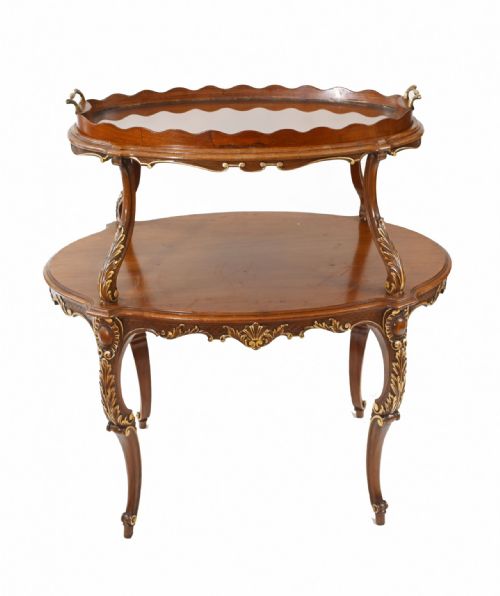
A tiered server table brings multi-level functionality to dining spaces, often appearing as a dumbwaiter, buffet, or etagere table. These items accommodate food, tableware, or decorative objects across distinct horizontal tiers.
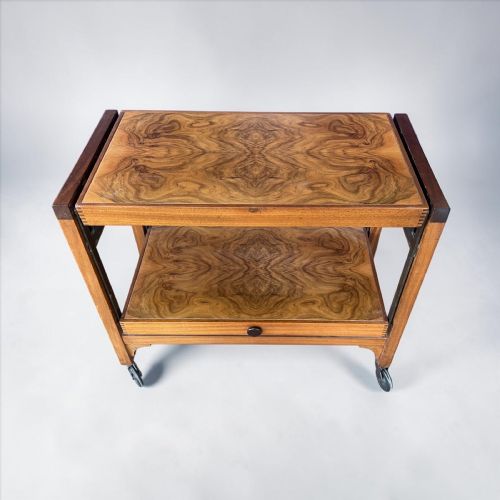
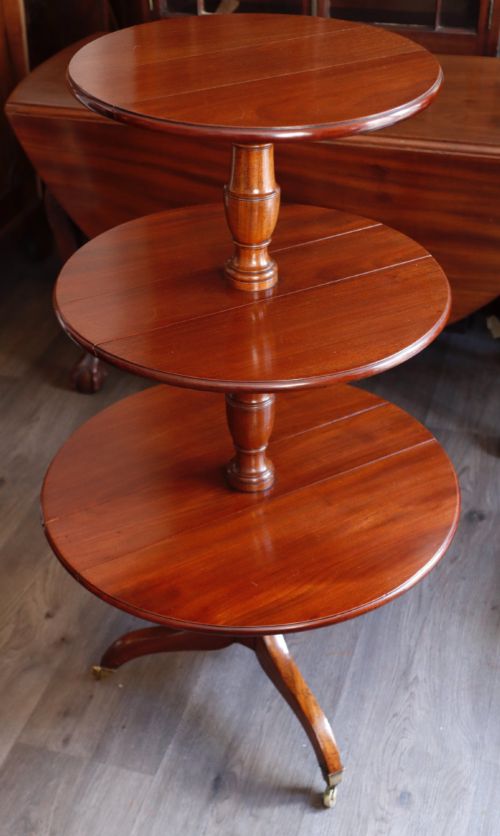
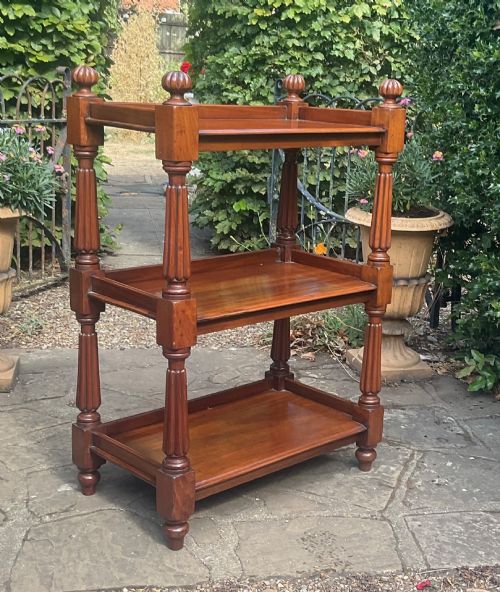
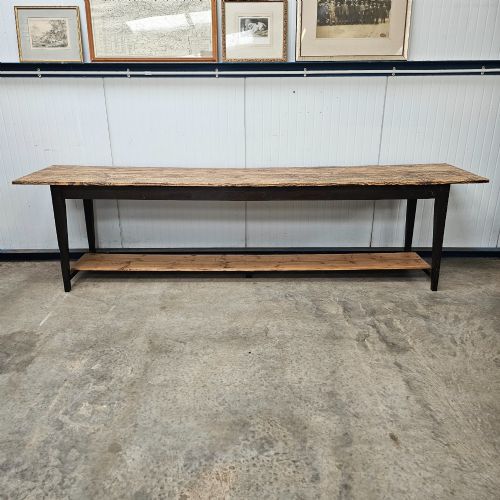
The selections here range from George III circular dumbwaiters to Victorian mahogany three-tier buffets and later Art Deco serving trolleys. Mahogany and oak dominate the historical forms, alongside walnut and pollard oak examples.
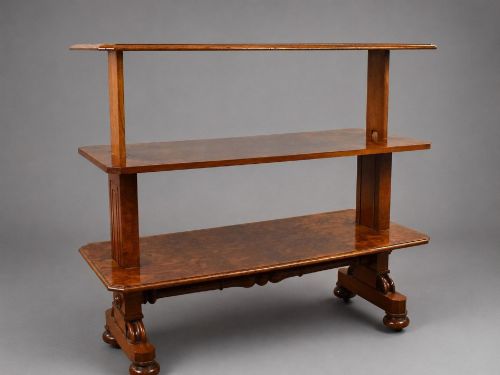
Buyers encounter revolving mechanisms, rise-and-fall tiers, and fixed multi-level shelves dating from the eighteenth century through the early twentieth century. These configurations reflect changing domestic service requirements across Georgian, Regency, and Victorian eras.
Quality and Proportion
The standard of a tiered server table rests in the quality of the timber selection and the precision of the turning on central pillars or upright supports. Superior examples display well-figured mahogany or pollard oak paired with crisp carved detailing such as rope twist edges or foliage.
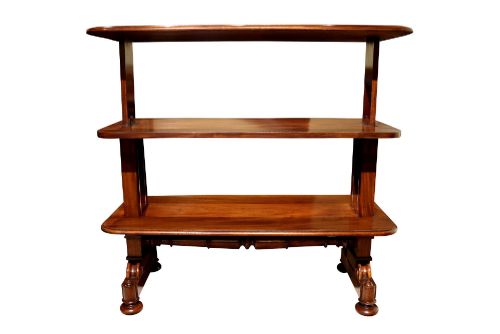
Mechanical elements differentiate standard tables from finer pieces, particularly in revolving dumbwaiters or rise-and-fall buffets where smooth operation matters. Original castors, stable tier joints, and balanced proportions determine the integrity of the piece.
Object types include dumbwaiters, buffets, etageres, and console tables with multiple tiers.
The Tiered Server Table Glossary
- Dumbwaiter
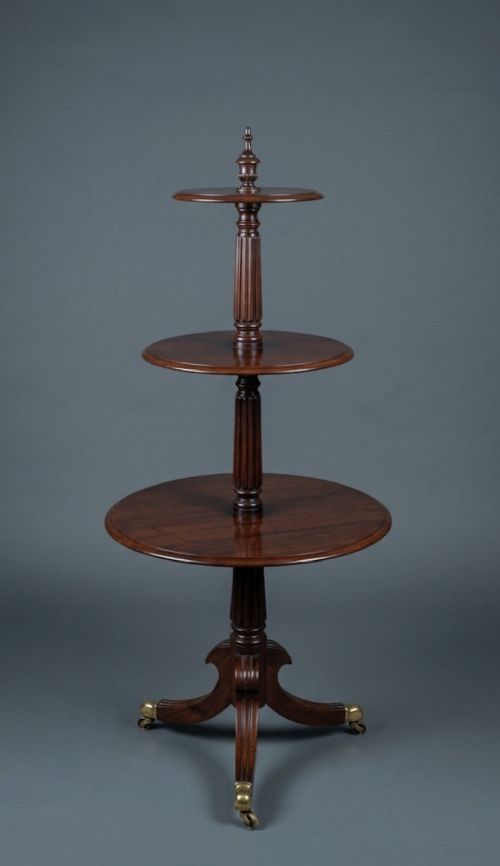
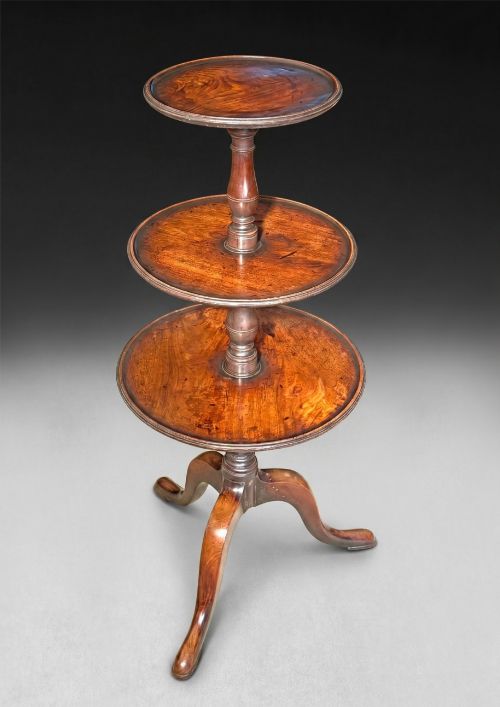
- A freestanding tiered table used to serve meals without servants present. These typically feature graduated circular shelves on a central column.
- Etagere
- A piece of furniture consisting of a set of open shelves for displaying small objects or serving. The form provides multiple levels in a compact footprint.
- Metamorphic
- Furniture designed to transform into another form or function. These pieces incorporate folding or adjustable mechanisms for versatility.
- Pollard Oak
- Timber taken from trees that have been pollarded, producing a heavily figured, speckled grain pattern. Cabinetmakers prized this wood for decorative veneer panels.
- Tripod Base
- A three-legged support system common in circular tables and dumbwaiters. This design ensures stability on uneven dining room floors.
Tiered Server Table: Frequently Asked Questions
What is a tiered server table used for?
These tables served primarily in dining rooms to hold extra dishes, silverware, or wine bottles during meals. They allowed diners to help themselves without domestic staff present.
Today, they function well in living spaces or hallways as display surfaces for lamps, books, or collections while maintaining a compact footprint.
How do I identify a Georgian dumbwaiter?
Georgian examples usually feature graduated circular tiers mounted on a central turned pillar supported by three legs. The timber is typically dense, dark mahogany with restrained carving.
Earlier pieces from the eighteenth century rely on proportion and timber grain rather than heavy ornamentation to establish their elegance.
What is a metamorphic serving trolley?
A metamorphic serving trolley incorporates mechanical elements that allow the tiers or height to adjust for different serving needs. These pieces often date from the Victorian era or later into the Art Deco period.
They combine practical utility with ingenious nineteenth or twentieth-century engineering.
Are these tables suitable for modern homes?
Their vertical tiered design makes them practical for smaller rooms where floor space is limited yet surface area is needed. They fit easily into corners or beside seating areas.
Different styles range from dark carved oak to sleek walnut and ebonised wood, suiting various interior aesthetics.