

Tiered Glass Pendant Light
These tiered glass pendant light designs bring focused illumination and historical elegance to a room, drawing the eye upwards.
Tiered Glass Pendant Light
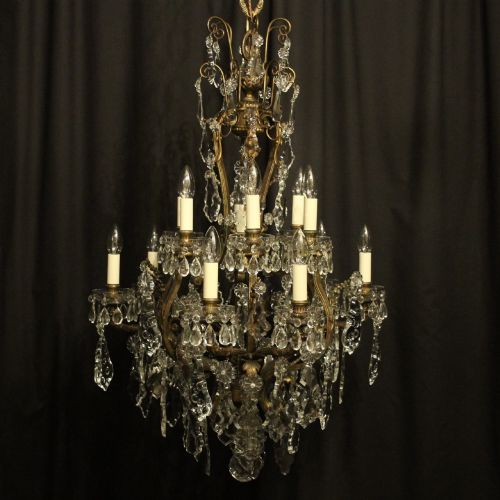
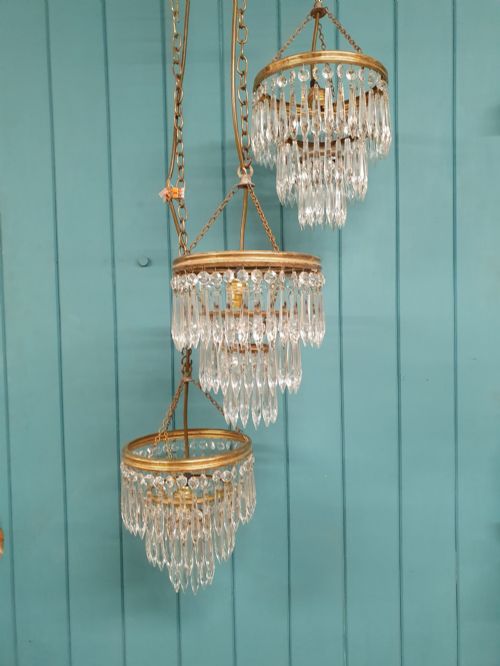
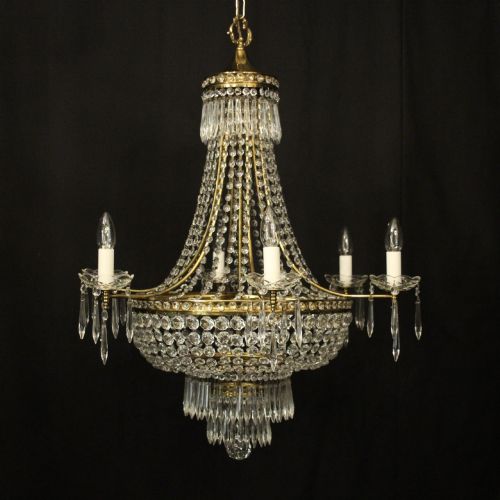
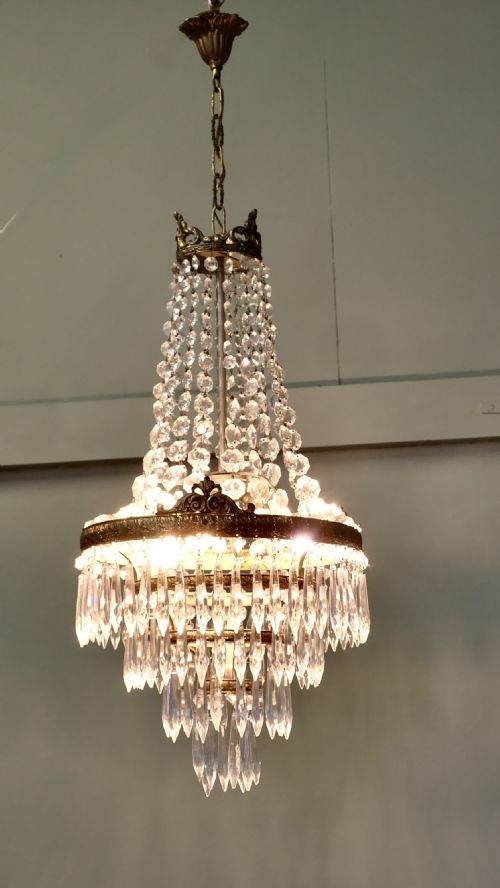
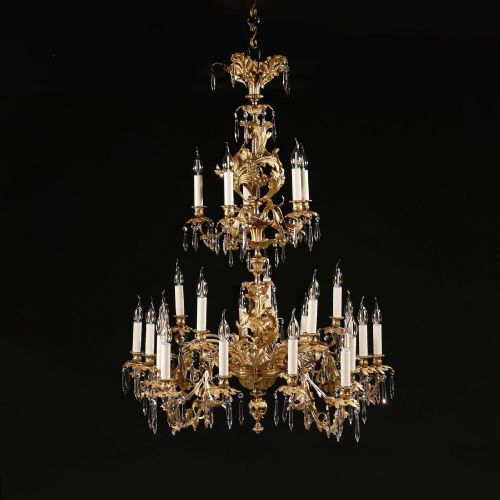
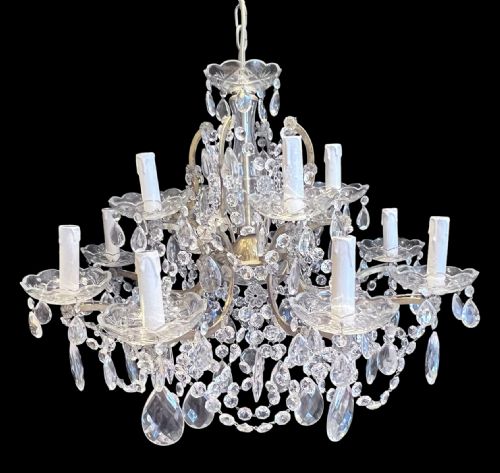
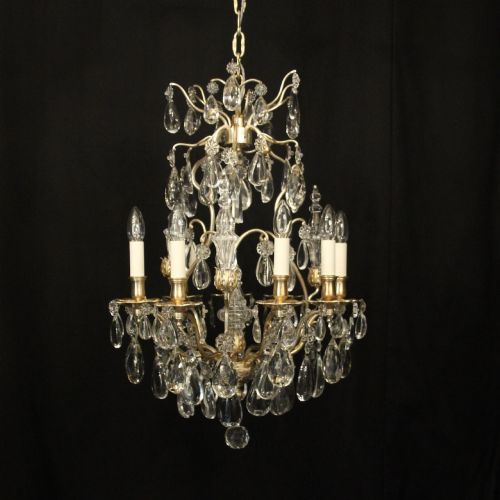
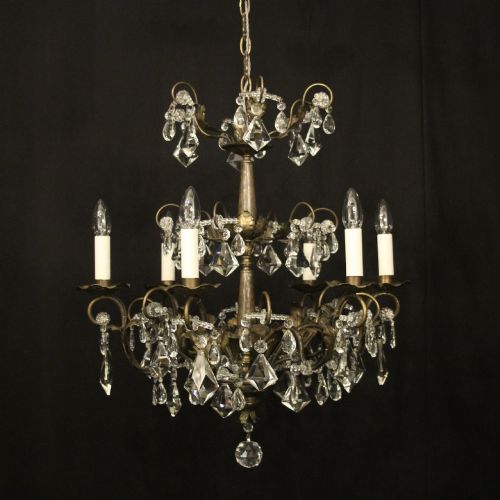
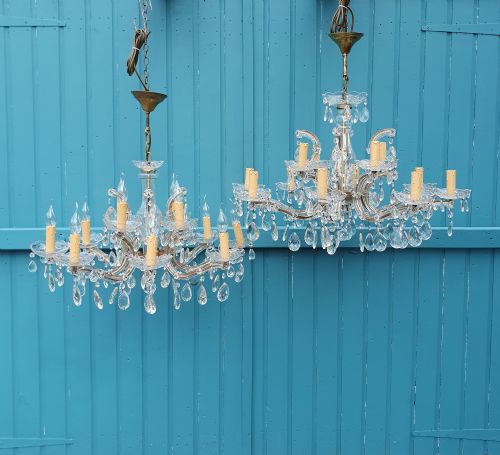
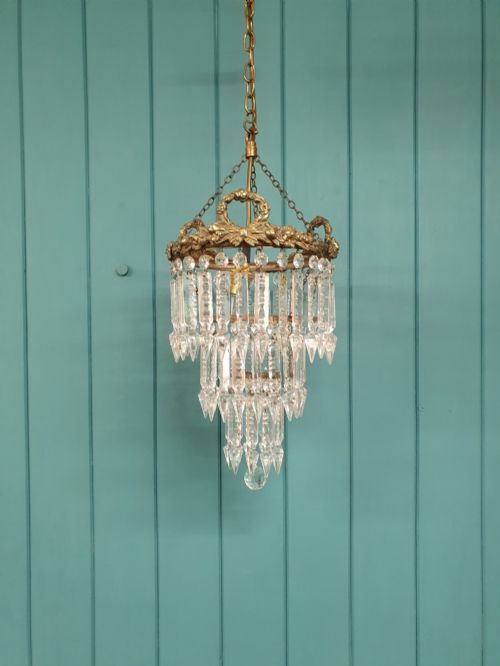
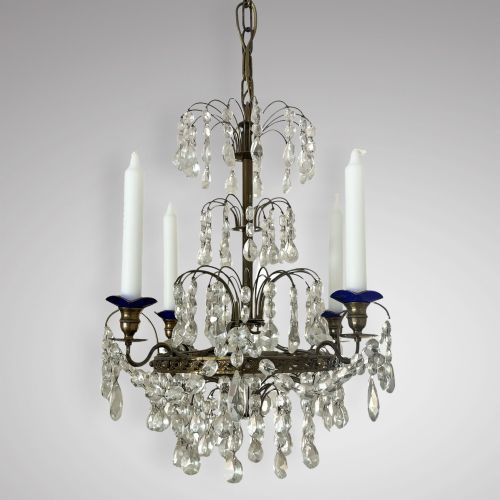
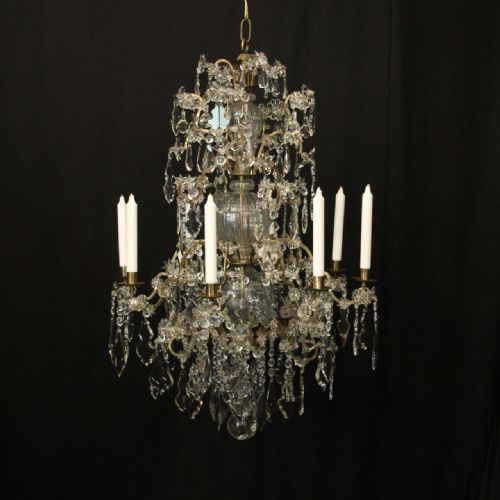
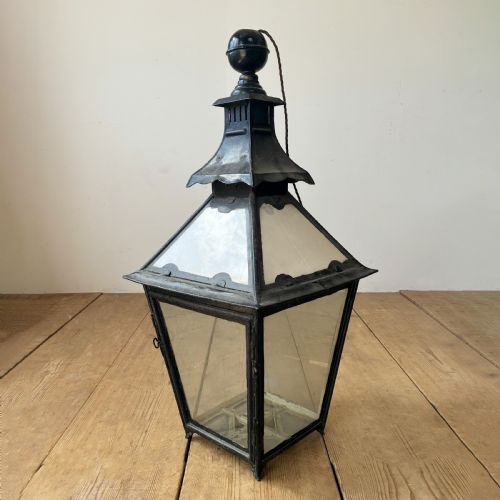
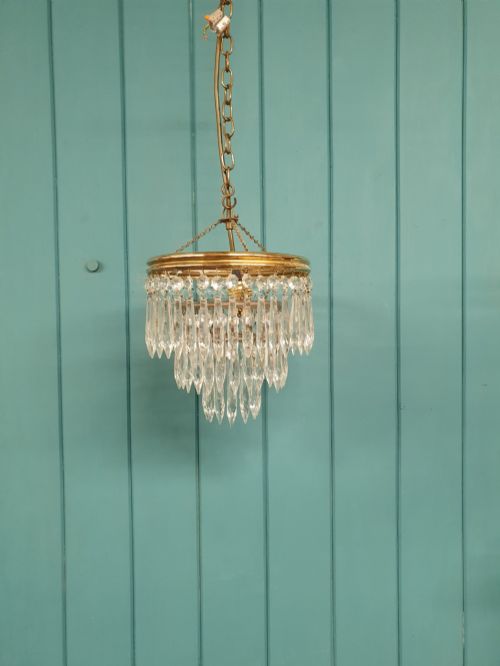
A tiered glass pendant light forms a central focal point in a room, suspended from the ceiling to direct illumination downward through multiple levels of glass or crystal. When searching for a tiered glass pendant light, buyers encounter various configurations spanning from the 19th century into the 1930s, including multi-tiered chandeliers, waterfall structures, and plafonieres. These fixtures originate from diverse regional traditions, encompassing French Empire, Italian, Bohemian, and English designs.
The materials comprising these hanging lights combine structural metal frameworks with refractive glass elements. Brass, gilded bronze, and silver-gilded metal provide the foundational armature that supports cascading tiers of cut glass, crystal, and beaded strands. Artisans arrange these components in distinct horizontal layers to maximise light dispersion throughout the space.
Materials and construction
Makers construct the primary framework using cast metals such as brass and gilded bronze, forming sturdy rings and arms to hold the glass elements. These metal structures undergo gilding or silvering to enhance their decorative finish before supporting the suspended glass components.
Glass and crystal elements undergo precision cutting, moulding, and polishing to create drops, beads, and panes that catch and refract illumination. Workers wire these components together onto the tiers using metal pins and wire loops, building up the cascading waterfall or multi-tier silhouette.
Listings feature items from the nineteenth century up through the 1930s, incorporating Edwardian and Art Deco stylistic influences.
Assessing craftsmanship and execution
The caliber of a fixture depends upon the depth of hand-cut facets on the crystal drops and the precision of the metal casting. Superior pieces display crisp, sharp edges on the cut glass and well-defined ornamentation on the bronze or brass framework.
Integration of the tiers dictates the overall harmony of the design, where balanced proportions between the metal armature and the glass volume separate standard production from exceptional work. The complexity of the tier arrangement, from simple two-tier models to elaborate five-tier structures, influences the visual weight of the hanging light.
Baccarat
The Tiered Glass Pendant Light Glossary
- Waterfall chandelier
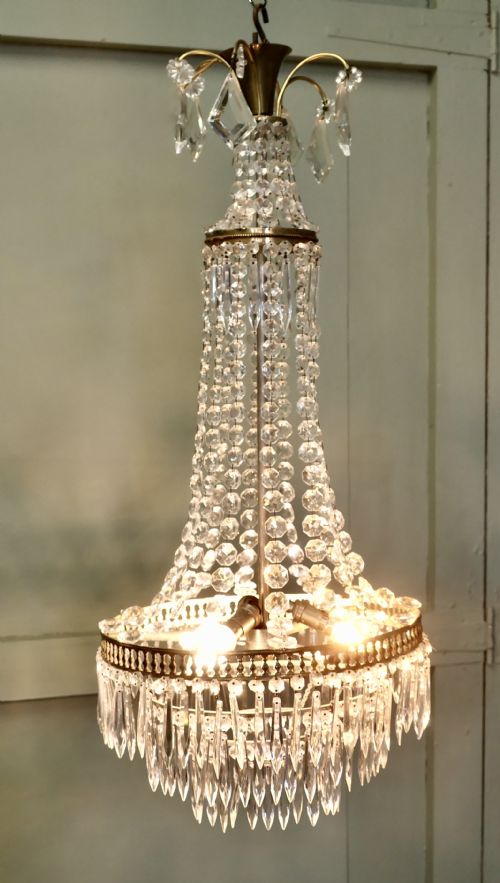
- A lighting fixture featuring cascading tiers of glass drops or crystals that flow downward in a tapered, water-like formation. This design creates a dense cluster of refractive surfaces.
- Plafoniere
- A ceiling-mounted or closely suspended glass bowl light fixture. It sits flat or near the ceiling surface.
- Gilded bronze
- Bronze metal treated with a thin layer of gold leaf or gold paint. This technique imparts a rich metallic sheen to the structural frame.
- Cut glass
- Glass shaped and faceted by grinding wheels to produce sharp geometric patterns. These cuts enhance the sparkle of the material under artificial light.
- Tent and waterfall
- A chandelier style featuring an upper triangular section of strung crystals above a cascading lower tier. It combines geometric structure with flowing drops.
Tiered Glass Pendant Light: Frequently Asked Questions
How do I hang a tiered glass pendant light?
Suspension requires a sturdy ceiling hook anchored directly into joists to support the substantial weight of metal and glass components. Professional electrical installation ensures the wiring safely handles the required load.
Adjust the hanging chain so the fixture clears head height while remaining a focal point within the room's proportions.
What rooms suit a tiered glass pendant light?
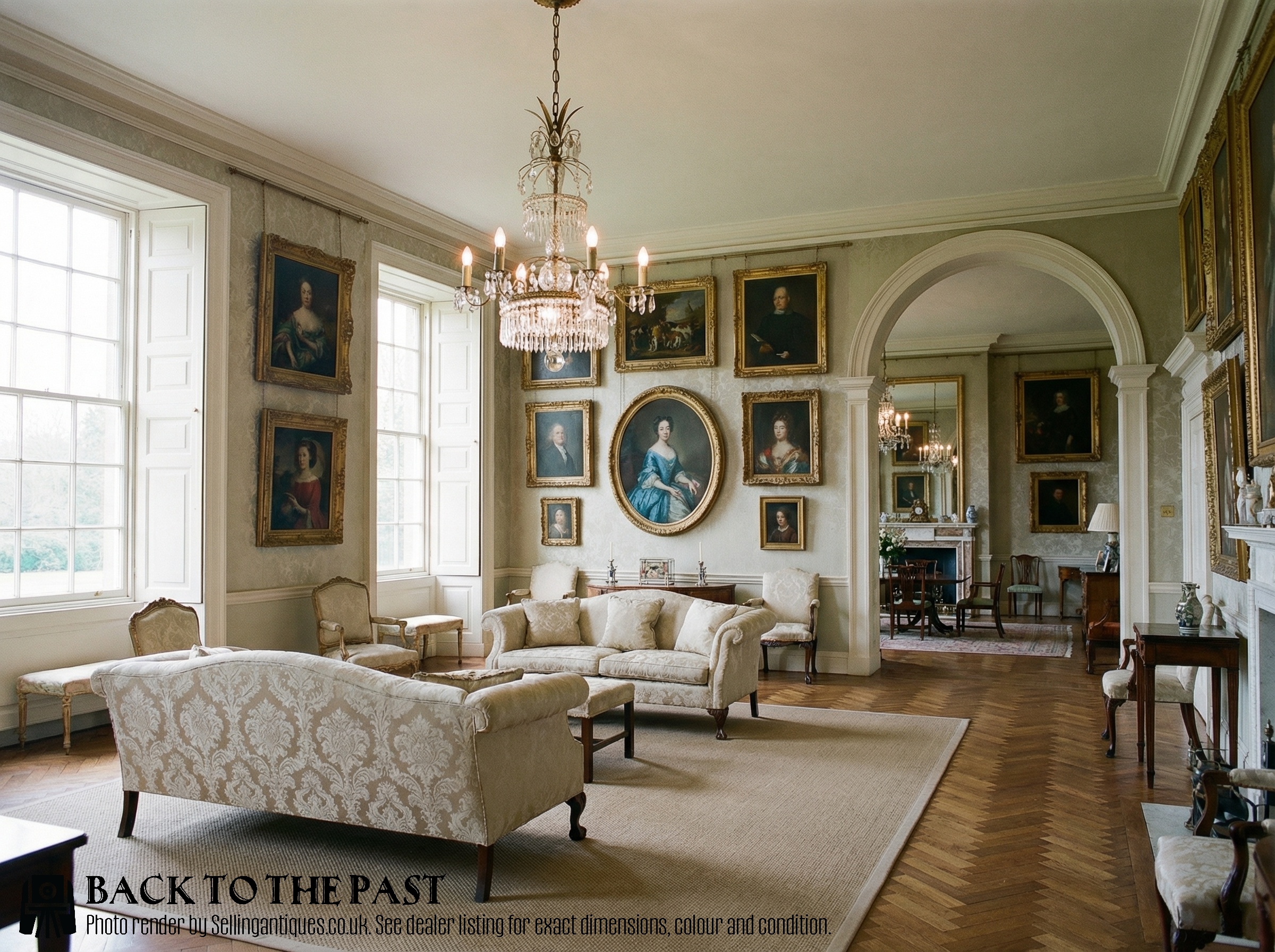
These fixtures fit well in entrance halls, dining rooms, and high-ceilinged living spaces where vertical clearance allows the cascading tiers to hang freely. Their refractive qualities add brightness to darker interiors.
Consider the diameter of the tiers relative to the room size to maintain balanced spatial relationships.
How do I clean a glass pendant light?
Regular maintenance involves dusting the glass drops with a soft cloth or specialised long-handled feather duster. For deeper cleaning, remove individual glass pieces and wash them in warm soapy water.
Dry each component thoroughly before rehanging to restore the clear sparkle of the cut crystal.
How do I date a glass pendant light?
Dating relies on examining the metal casting techniques, screw types, and wiring methods used in the construction of the frame. Earlier 19th-century pieces often feature hand-finished bronze work, while 1930s examples display Art Deco geometric influences.
Comparing the cut of the glass and the style of the tiers against known historical periods helps narrow down the decade of manufacture.