

Tiered Glass Light
A tiered glass light brings layered brilliance to a room, casting intricate prisms of light from structured descending tiers.
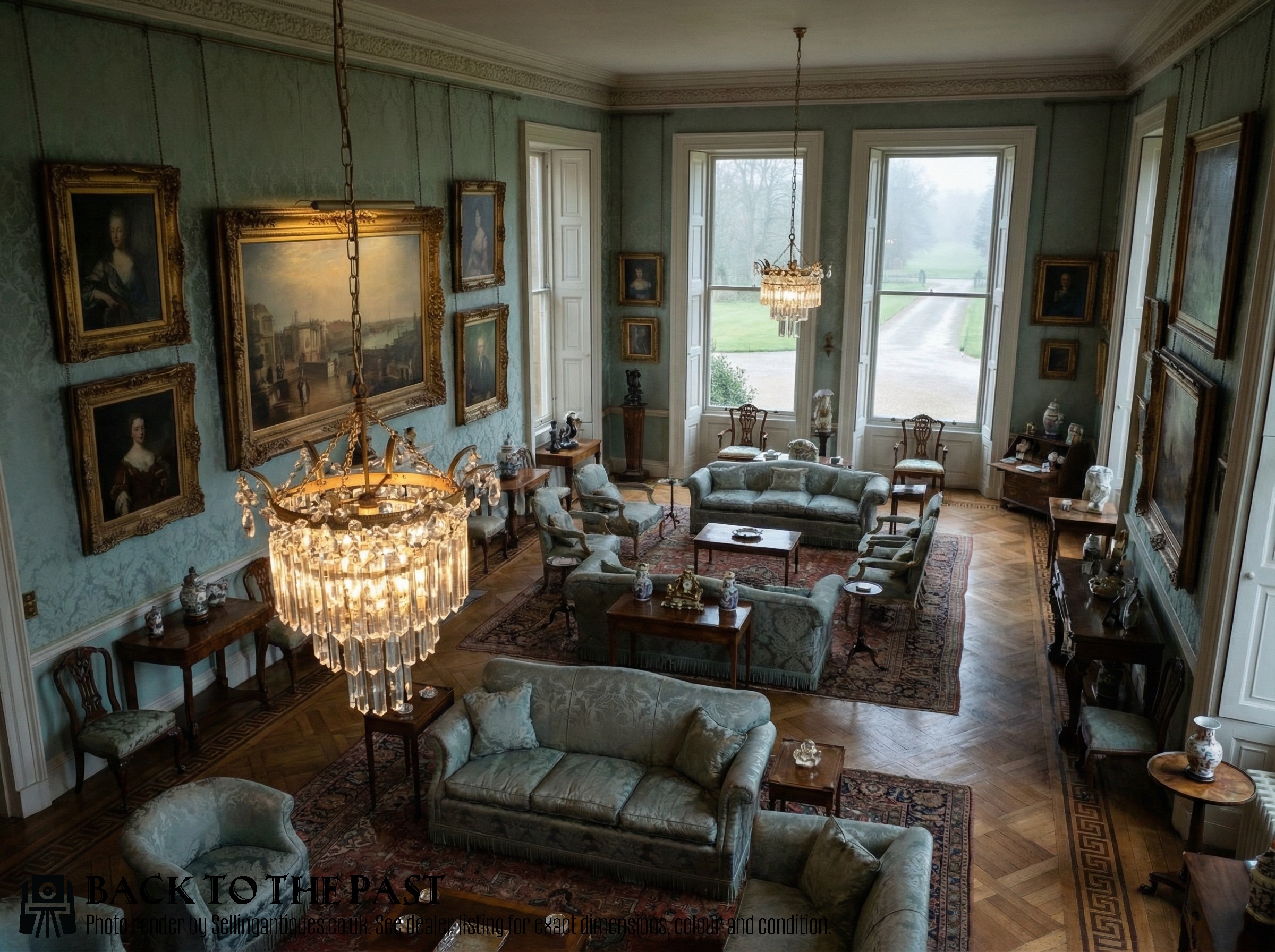
Tiered Glass Light
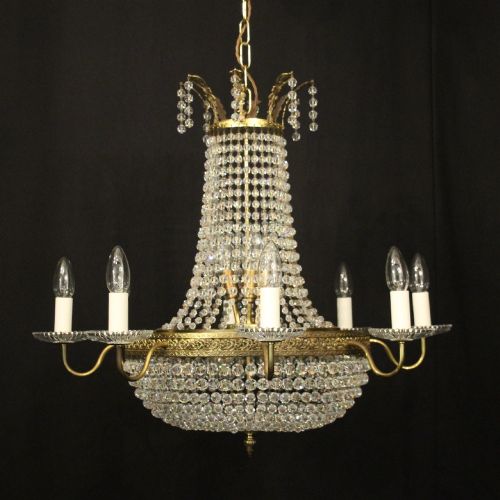
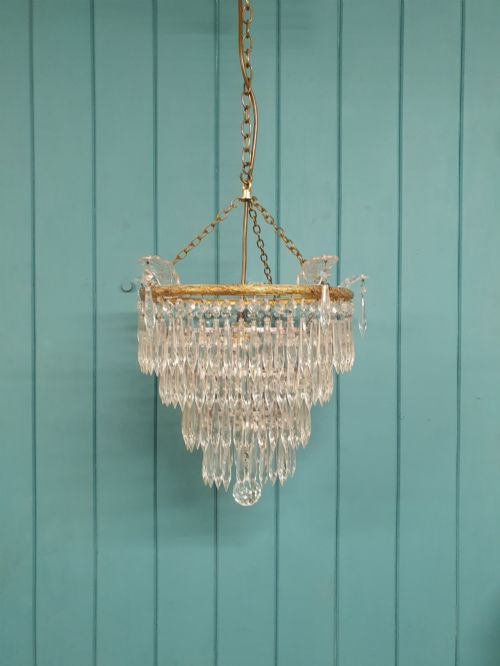
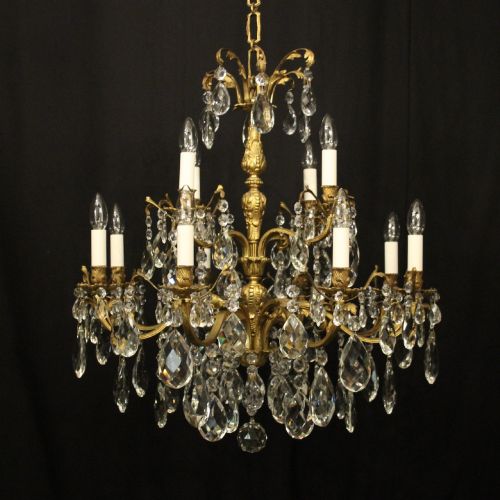
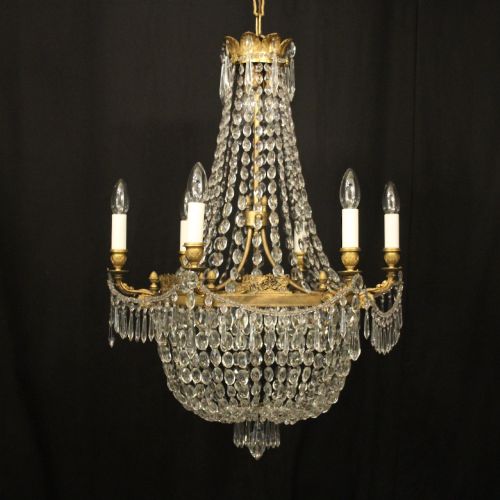
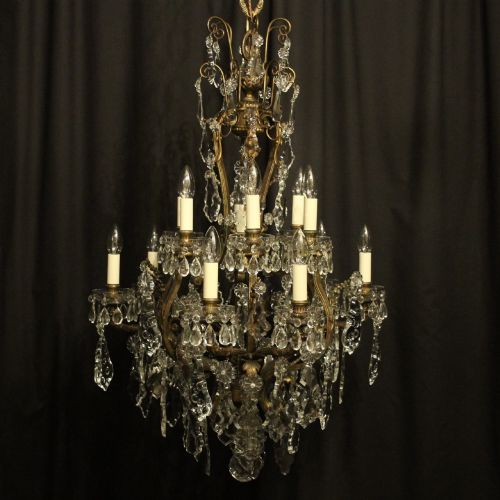
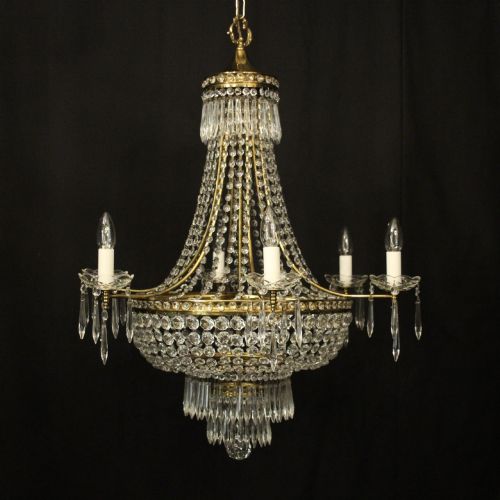
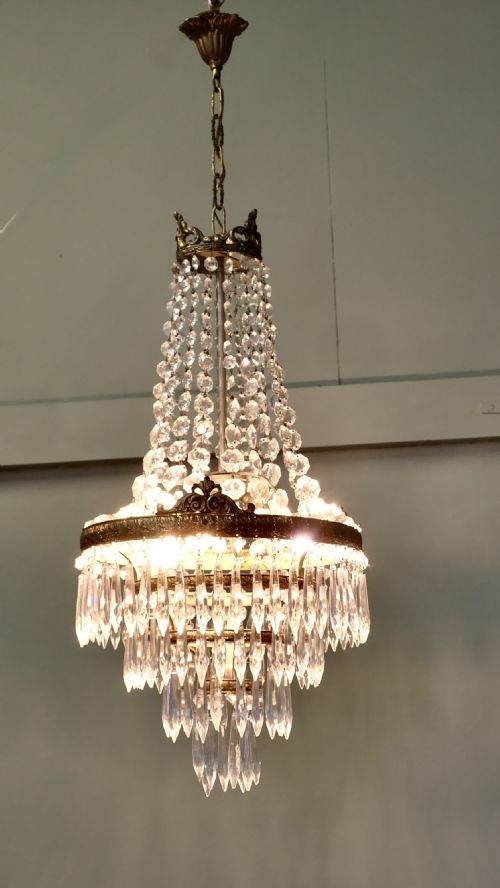
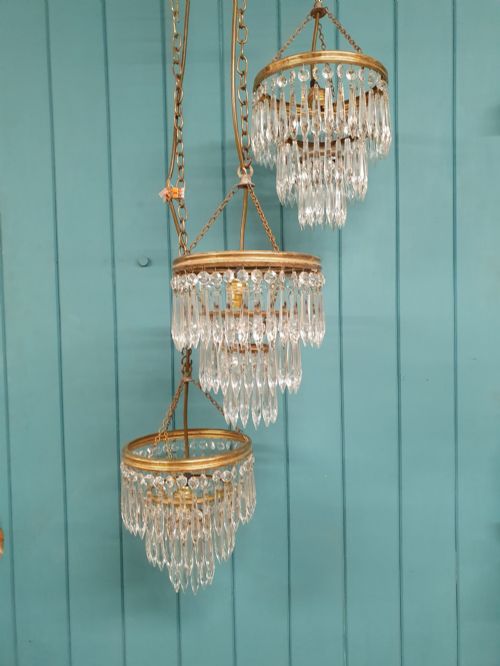
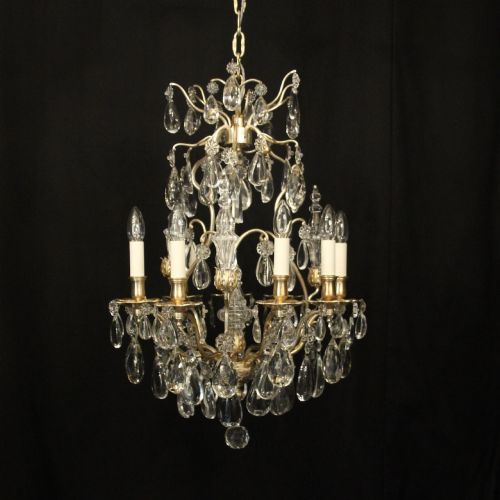
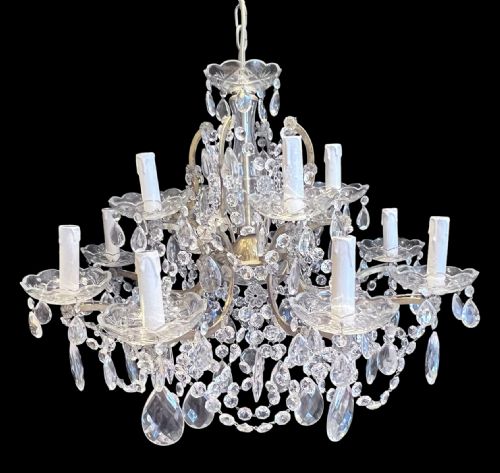
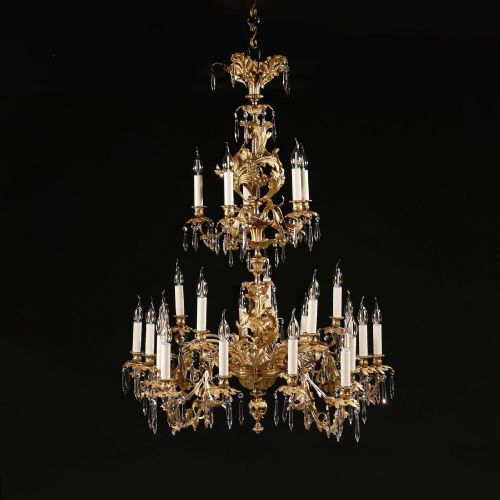
A tiered glass light brings multiple descending levels of illumination to a room, combining architectural presence with suspended glass drops and beads. When searching for a tiered glass light, buyers encounter magnificent multi-tiered chandeliers, double-tiered Italian fixtures, and multi-layered crystal configurations from various historical periods. These fixtures anchor a space while diffusing light across several graduated levels.
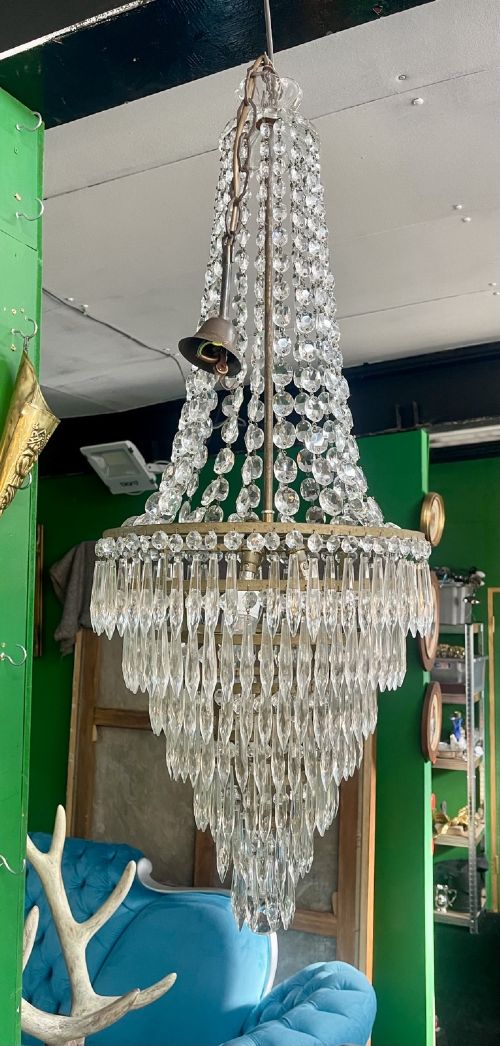
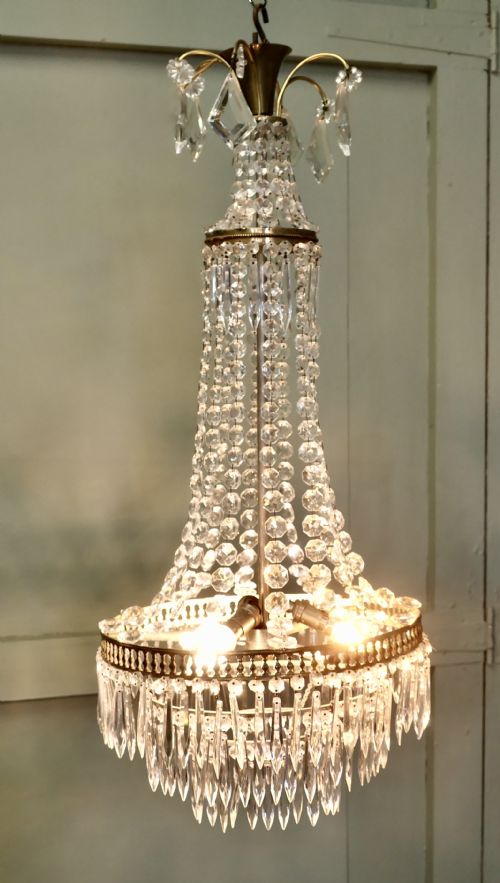
The selections span from early twentieth-century creations and nineteen-thirties modernist works back through nineteenth-century French and Italian examples. Common forms include grand tent and waterfall arrangements, multi-armed chandeliers, and smaller lustre pieces suitable for more intimate interiors. Regional interpretations range from opulent French Empire designs to striking Italian polychrome and Bohemian compositions.
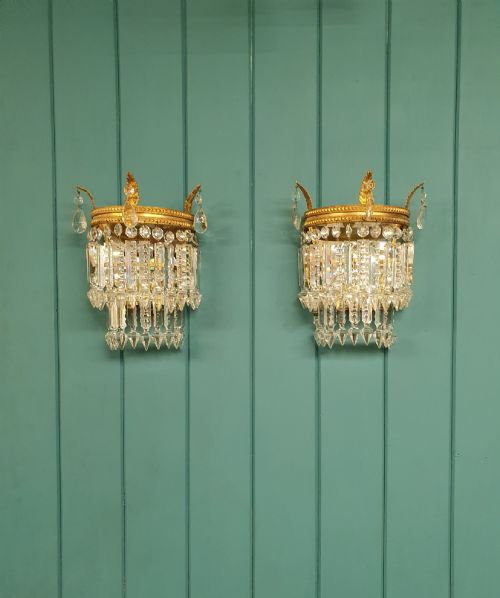
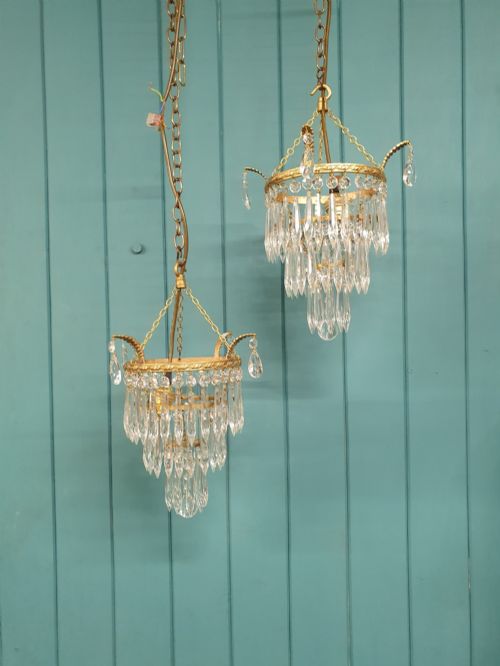
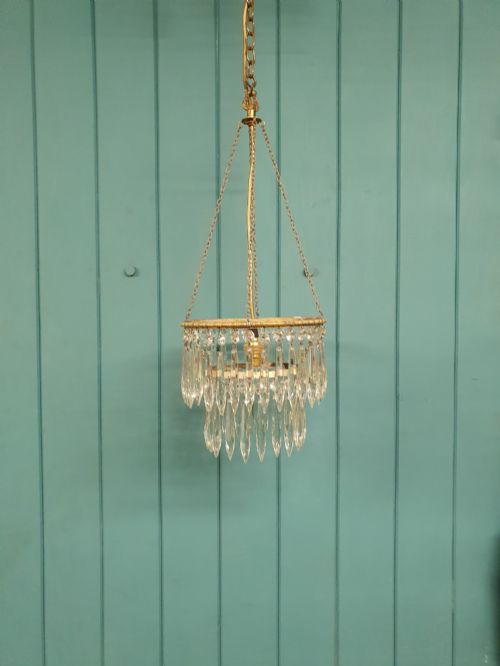
Beyond grand ceiling fixtures, the category encompasses related wall lights and smaller pendant formats that share the characteristic stacked glass construction. Edwardian examples sit alongside pieces from the nineteen-twenties and nineteen-thirties, showing how makers adapted stepped tiers across changing decorative movements. Each variation relies on overlapping strata of glass or crystal to multiply the luminous effect.
Distinctions in quality
Quality rests upon the purity and weight of the glass, the precision of the cutting, and the structural integrity of the metal framework. Superior examples feature high-lead crystal that produces sharp prismatic colours, whereas simpler pieces utilise standard moulded glass.
The complexity of the tier arrangement and the harmony of the drop configurations distinguish finer commissions from standard production pieces. Intricately chased bronze mounts and balanced arm distributions indicate superior workshop execution and design ambition.
Tiered Glass Light Retail Price Guide 2026
Typical asking prices for tiered glass light among the pieces listed under this phrase on Sellingantiques today, from the lower quarter to the upper quarter. They describe what is for sale here now, not the wider market.
Some nineteen-thirties pieces stack up to five glittering tiers, ensuring maximum refractive power for enthusiastic decorators.
The Tiered Glass Light Glossary
- Chandelier
- A branched ornamental light fixture suspended from the ceiling. These fixtures distribute illumination across multiple arms and tiers.
- Waterfall
- A style of chandelier where glass drops cascade outward in dense, overlapping layers resembling falling water. This configuration creates a dense curtain of sparkling crystal.
- Lustre
- A small hanging glass pendant or drop used to reflect and refract light. Lustres are often wired in rows along the tiers of the fixture.
- Plafonniere
- A ceiling light fitted flush or close to the ceiling surface rather than suspended on a long chain. These low-profile pieces bring layered glass illumination to rooms with lower ceiling heights.
Tiered Glass Light: Frequently Asked Questions
How do I clean a tiered glass light?
Maintenance involves gentle cleaning of each glass drop and crystal component using a mild specialist solution while the fixture remains supported. Technicians often clean intricate multi-tiered assemblies in situ to avoid straining the delicate wiring and historical metal frames.
Regular dusting with a soft wand prevents grime accumulation between the tiers. Heavier restorations require removing individual drops for thorough washing.
Are these lights suitable for low ceilings?
Certain configurations such as flush plafonnieres or compact multi-tiered designs function effectively in rooms with restricted vertical clearance. Selecting a fixture with a modest drop ensures the lower tiers remain safely above head height.
Grand multi-tiered chandeliers require substantial ceiling height to allow the stacked glass elements to hang in proper proportion to the room.
How do I determine the period of a fixture?
Dating relies on examining the metal casting techniques, screw threads, wiring channels, and the specific cut of the crystal drops. Edwardian and nineteen-thirties examples display distinct stylistic traits ranging from neoclassical revival details to early modern stepped geometry.
Comparing the arm construction and drop shapes against documented period pieces helps establish the likely decade of manufacture.
Can these lights support modern electrical wiring?
Most antique fixtures accommodate modern electrical standards through rewiring by a qualified professional who preserves the original frame components. Rewiring ensures safe operation while maintaining the historical aesthetic of the piece.
Internal channels usually allow new heat-resistant flex to pass discreetly through the brass or bronze arms.