


Three Panel Wall Mirror
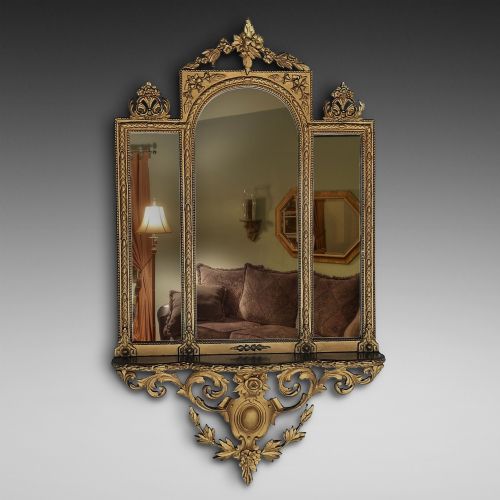
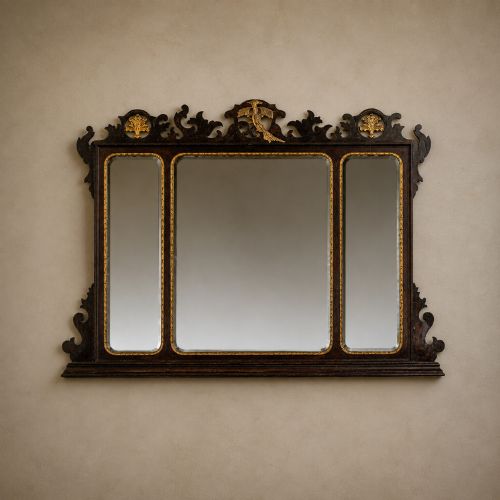
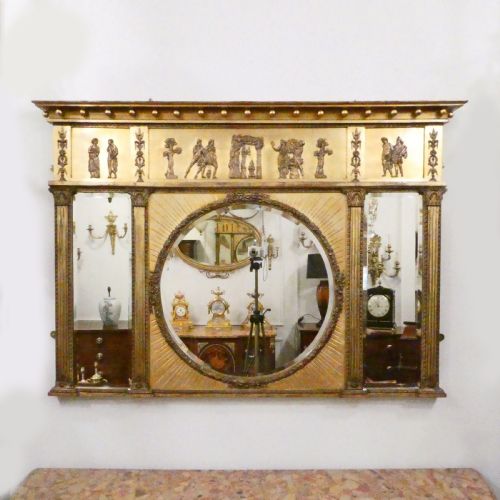
A three panel wall mirror brings light and width into a room, offering three separate plates framed together as a grand decorative statement.
What They Are
When you search for three panel wall mirror, you find pieces divided across multiple glass sections, often designed as overmantels to sit above a fireplace. The listings show examples spanning the nineteenth century and the nineteen-twenties, incorporating styles such as Victorian, Regency, and Art Deco.
Most pieces on offer date from the nineteenth century, including Victorian and Regency designs alongside revival pieces. Forms range from neat-sized giltwood triptychs to large walnut and gilt overmantels, as well as specific variations like carousel mirrors and adjustable wall-mounted plates.
How They Were Made
Frames rely on materials such as giltwood, gesso, composition, gold leaf, painted wood, and walnut to create structural integrity and decorative appeal. Gilding techniques apply gold leaf or gold paint over preparatory layers of gesso on timber substrates.
Mirrors utilise multiple individual glass plates fitted side by side within a shared frame to form the triptych or triple-plate arrangement. Specialised designs incorporate carved details, such as birds and squirrels, alongside adjustable metal fittings.
Retail Price Guide 2026
Typical UK retail prices for three panel wall mirror, calculated from the Sellingantiques database of over a million retail prices indexed since 2003. This retail price guide relies exclusively on Sellingantiques data; no external sources or auction records are used, so the figures do not describe the wider market.
Materials recorded across the archive and current listings include giltwood, gesso, walnut, and gold leaf.
What Varies in Quality
The sophistication of the carved ornament and the purity of the gilding set the standard across these pieces. Hand-carved wooden details and traditional gold leaf finishes demonstrate superior craftsmanship compared to moulded composition substitutes.
The integration of the three plates and the presence of original mirror glass influence the character of the object. Heavier construction using timbers like walnut alongside complex gilt frames marks out the more substantial examples.
The Three Panel Wall Mirror Glossary
- Triptych
- A piece divided into three panels or sections, commonly used here to describe mirrors with three distinct glass plates set within a single frame.
- Giltwood
- Timber that has been coated with gold leaf or gold paint, forming the primary golden frame material seen across many nineteenth-century pieces.
- Gesso
- A plaster-like mixture applied to wood frames as a smooth base before gilding or painting, allowing for crisp moulded or carved decorative details.
- Overmantel
- A large mirror specifically proportioned to hang on the wall directly above a mantelpiece or fireplace.
- Composition
- A moulded material made from whiting, resin, and oil that is pressed into decorative ornaments for picture and mirror frames.
Frequently Asked Questions
Where should I hang a three panel wall mirror?
These mirrors traditionally sit above a fireplace mantel as an overmantel, reflecting light across the main living space.
They also function effectively on large expanse walls in dining rooms or hallways where horizontal width enhances the room's proportions.
How do I identify a Victorian mirror?
Victorian pieces often display heavier proportions and revival styles such as Rococo or Regency influences within their gilt frames.
Evidence from the period points to detailed framing utilising gesso, composition, and occasionally distinct motifs like birds and squirrels.
Are walnut and gilt frames common?
Walnut and gilt materials appear together in large overmantel mirrors from the nineteenth century, combining dark timber tones with gold highlights.
This combination offers a contrast between natural wood grain and gilded ornamentation.