

Three Leg Mahogany Table
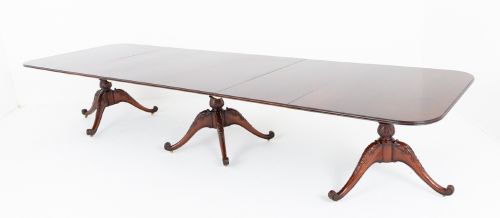
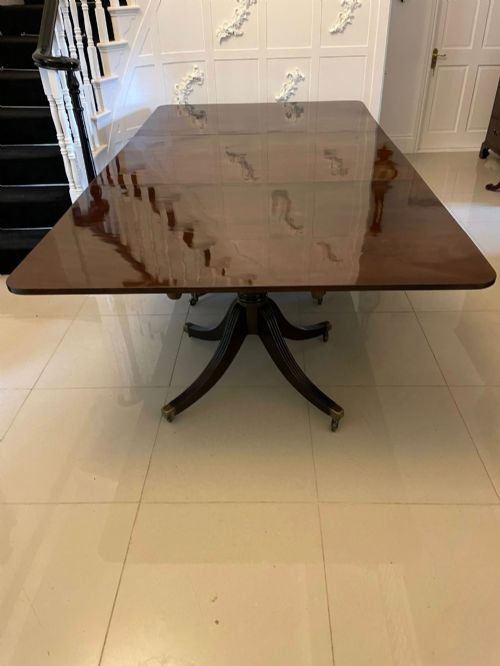
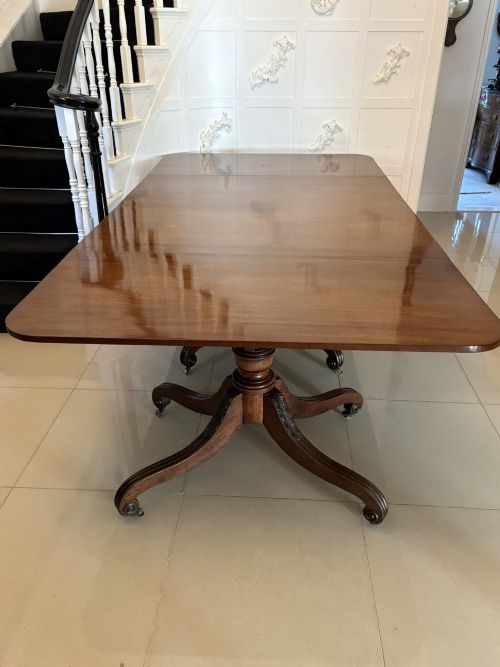
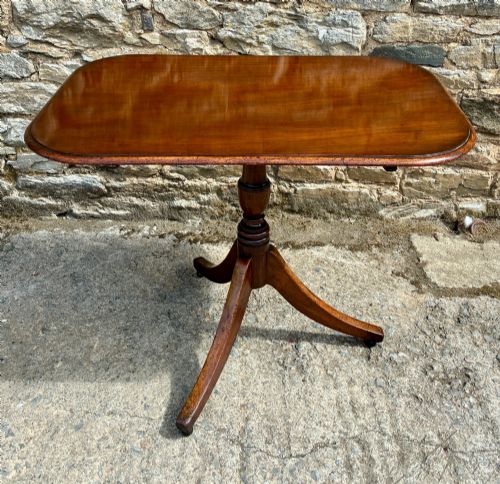
When you search for a three leg mahogany table, you encounter compact tripod forms and expansive extending dining surfaces from Georgian, Regency, and Edwardian periods.
Three Leg Mahogany Table
A three leg mahogany table encompasses diverse forms such as tripod wine tables, cricket tables, and multileaf dining furniture originating across the Georgian, Regency, and Edwardian periods. These pieces serve practical functions in domestic interiors, ranging from small occasional surfaces to large extending banquet settings.
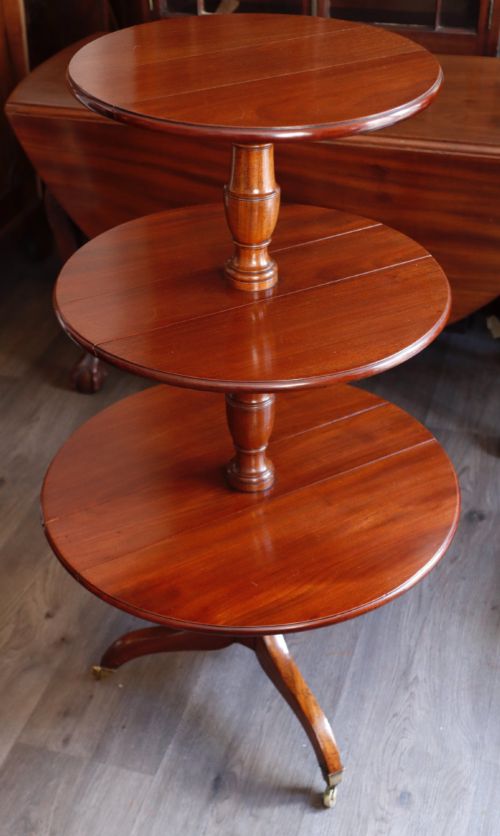
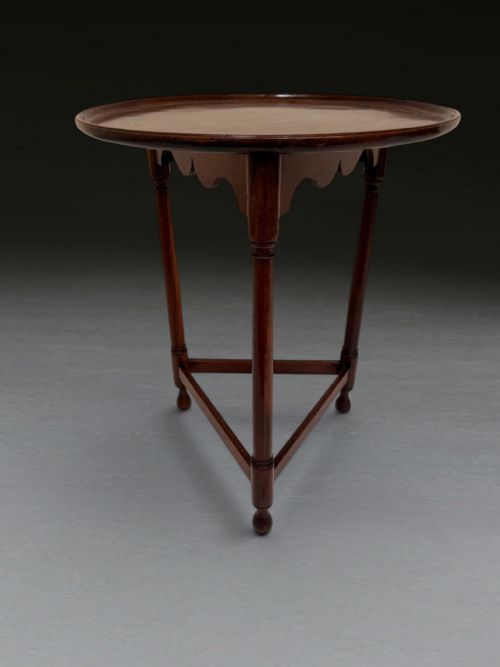
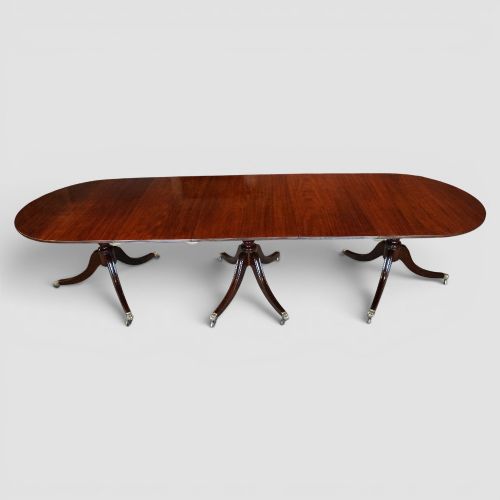
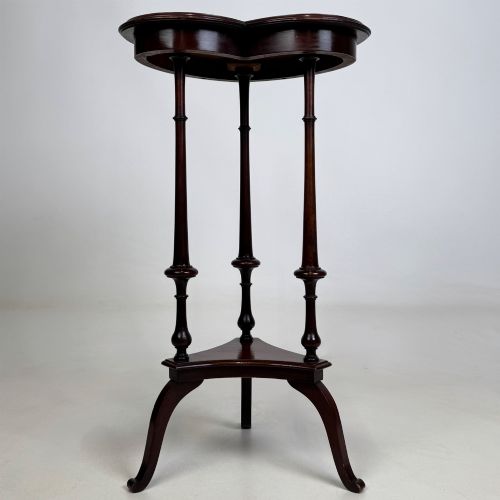
Tripod wine tables and cricket tables dominate the smaller formats, standing on three distinct supports for stability on uneven floors. Larger dining tables utilise three pedestals or multiple pillars to distribute weight and accommodate leaves.
The evidence shows a strong representation of Georgian and Regency pieces alongside Edwardian revivals, connecting utilitarian design with formal dining and entertaining.
Materials and construction
Makers utilised solid mahogany, often combined with secondary timbers like fruitwood, oak, or pine for internal framing and drawer construction. Brass hardware, leather inserts, and marble tops appear on select pieces from the Victorian era onward.
Construction techniques involve traditional joinery, turning for legs and pedestals, and stabilization through tripod bases or multileaf mechanisms. Inlaid details and carved edges indicate regional workshop practices during the eighteenth and nineteenth centuries.
Listings feature mahogany, fruitwood, oak, and pine across Georgian, Regency, and Edwardian periods.
Assessing quality and craftsmanship
Quality rests in the selection of figured mahogany timber and the crispness of turned or carved details on the legs and pedestals. Superior examples display balanced proportions, original brass fittings, and tight joinery that withstands movement over centuries.
Lesser pieces exhibit simpler secondary woods, replacement hardware, or heavy alterations to dining mechanisms. The integration of leaves and the stability of the three-leg format dictate the structural integrity of the table.
William and Gibton·Gillows
The Three Leg Mahogany Table Glossary
- Tripod table
- A small freestanding table supported by three legs radiating from a central pillar. These tables often feature tilt tops for storage.
- Cricket table
- A small round table with three splayed legs and a lower tier shelf. The design provides stability on flagstone floors.
- Pedestal table
- A table supported by one or more heavy central pillars rather than four corner legs. Multipedestal versions support long dining surfaces.
- D-end table
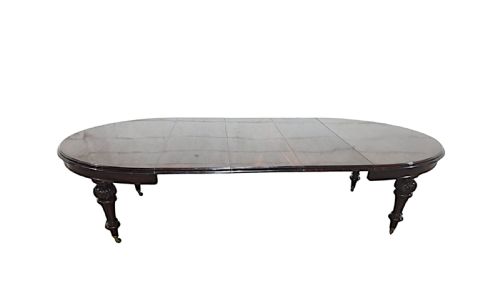
- A dining table whose end sections form a semicircle resembling the letter D. When separated, these sections function as side consoles.
- Lowboy
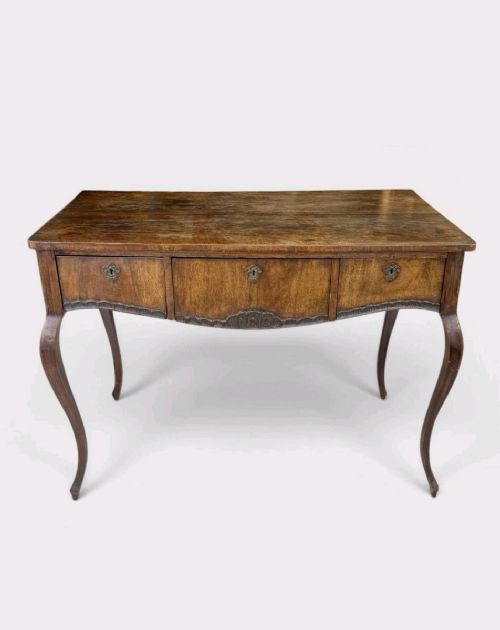
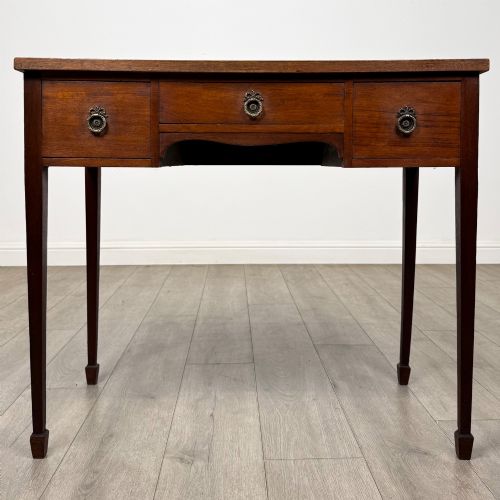
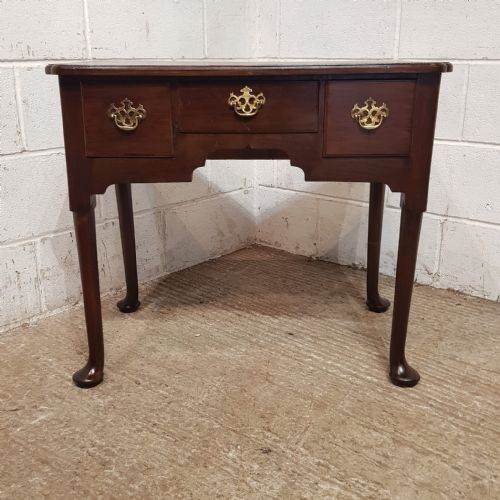
- A small side table or dressing table with one or more rows of drawers beneath the top. They typically stand on slender cabriole or straight legs.
Three Leg Mahogany Table: Frequently Asked Questions
How do I use a wine table?
A wine table provides a convenient movable surface for drinks and small items beside seating. Their compact tripod base allows placement in tight corners.
Tilt-top variants permit the surface to fold vertically when not in use, saving floor space in historic rooms.
What is a cricket table?
A cricket table is an early form featuring three legs and a circular top, often built with a lower triangular shelf. Their domestic utility centred on daily tasks near the hearth.
The splayed leg arrangement prevents rocking on uneven historical flooring.
How are dining tables extended?
Extending dining tables incorporate additional loose leaves supported by pull-out wooden runners or multiple pedestals. These components allow the surface length to adjust for guests.
Pegs and brass clips align the leaves securely with the main table sections.
How do I date a mahogany table?
Dating relies on stylistic markers, construction methods, and hardware. Georgian and Regency pieces display hand-cut dovetails and dense timber grain.
Later Edwardian examples often utilise machine-sawn components and revival styles spanning Chippendale and French influences.