



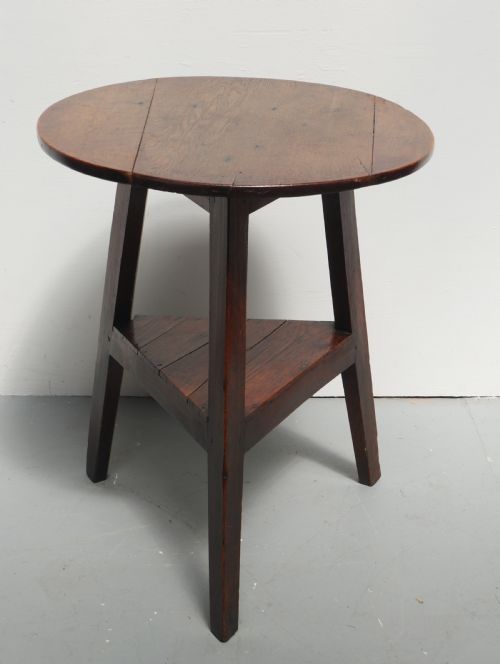
Three Leg Cricket Table
A three leg cricket table brings sturdy provincial utility and a distinct circular top into a room.
Three Leg Cricket Table
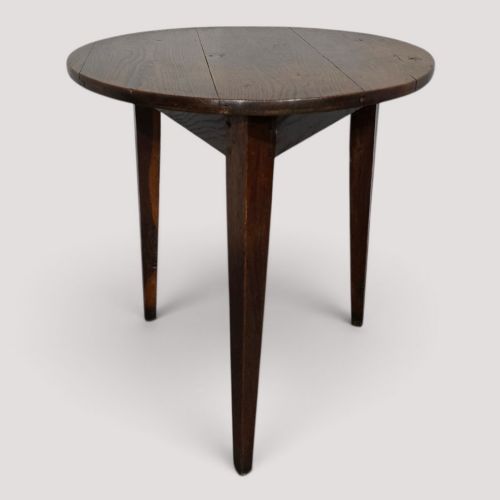
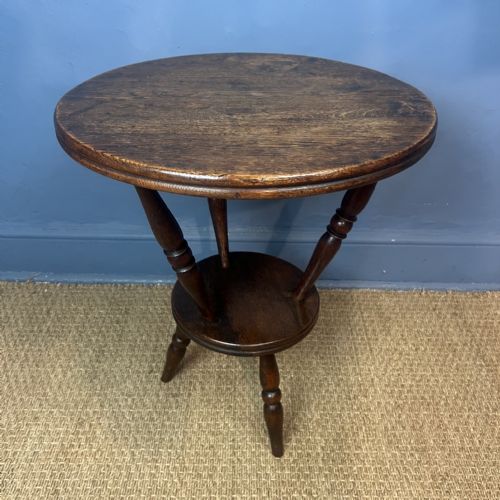
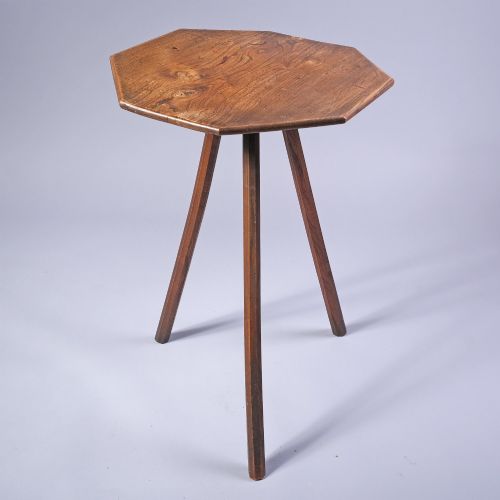
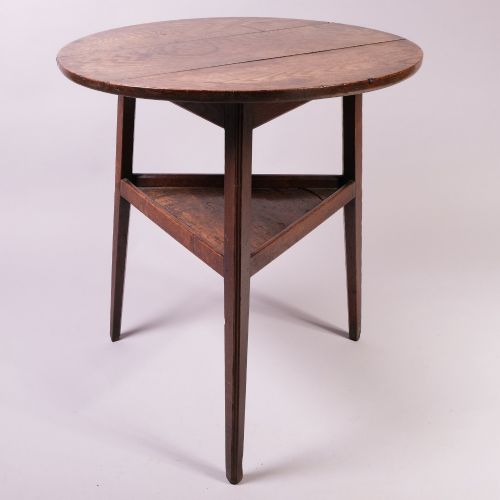
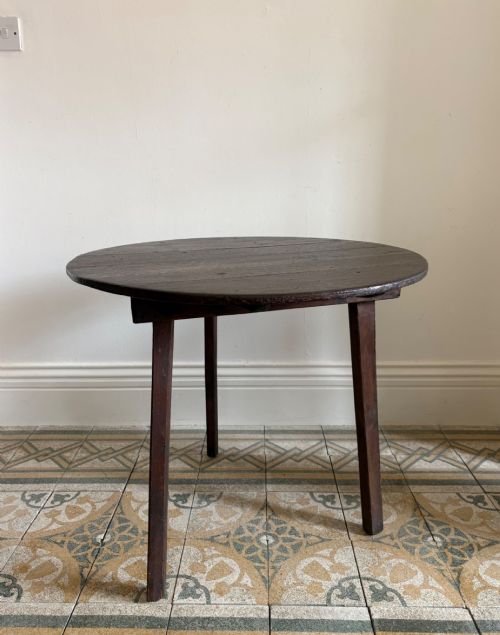
A three leg cricket table is a compact circular occasional table supported by three splayed legs, designed to stand firm on uneven flagstone floors. When you search for this phrase, you encounter authentic vernacular specimens originating chiefly from the eighteenth and nineteenth centuries. Oak and pine dominate the selection, often presenting planked circular tops resting on turned or plain uprights.
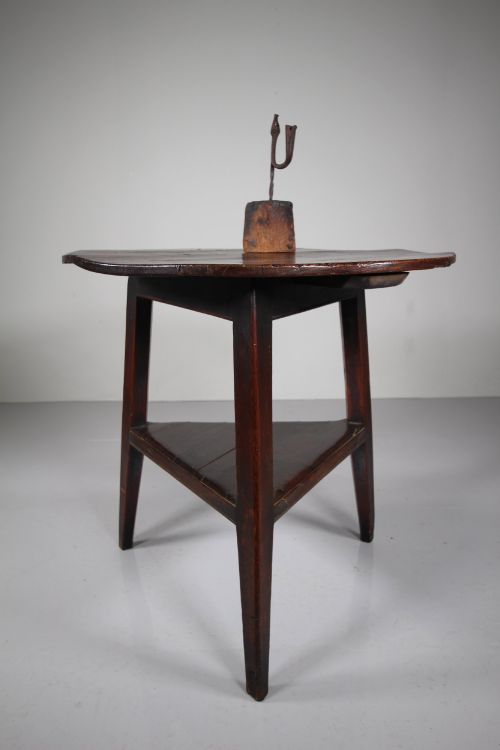
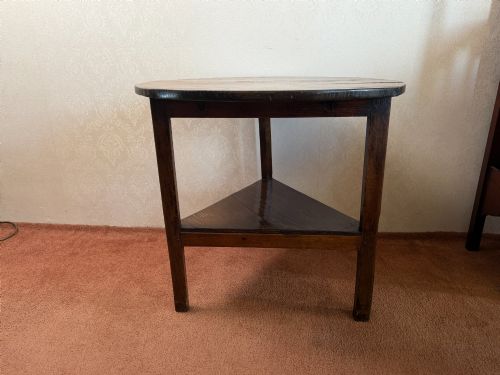
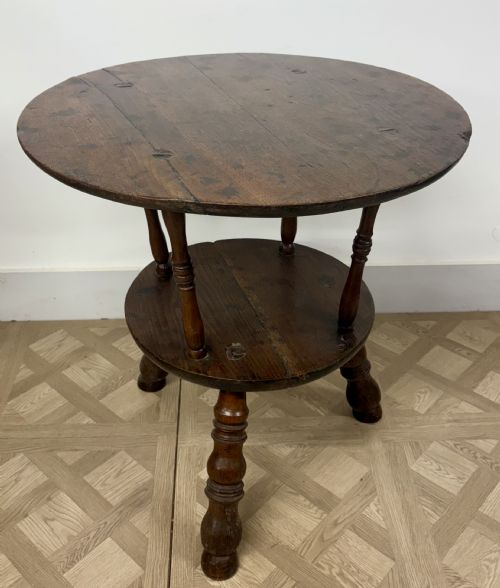
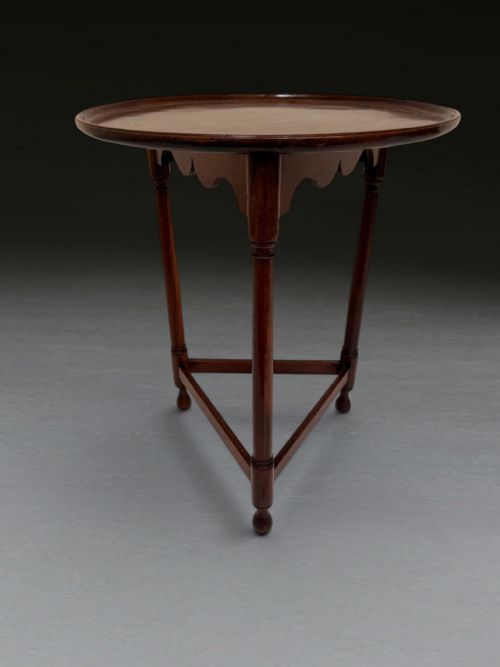
The version you are most likely to meet on this page is an English or Welsh provincial piece built from native hardwoods such as oak, elm, or ash. Many examples exhibit utilitarian rustic charm, while others display Georgian vernacular refinement with shaped aprons or pad feet. Two-tier variants also appear, offering an additional circular shelf beneath the main surface for storage.
Materials and Construction
Provincial joiners utilised readily available native timbers, constructing tops from solid oak, elm, ash, or deal pine, and occasionally incorporating fruitwood or pollard oak for decorative contrast. Planks were joined together and secured with ledges or dowels before being shaped into round tops. Legs were typically turned on a lathe or shaped by hand before being joined directly into the underside of the top.
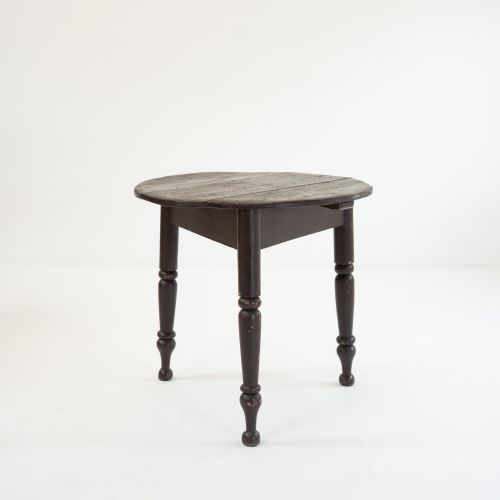
Construction methods prioritised stability over intricate ornamentation, relying on pegged joints and splayed leg arrangements that prevented wobbling on uneven domestic surfaces. Some pine and softwood variants received coats of historical paint, whilst others retained raw or bleached timber finishes developed through decades of domestic use.
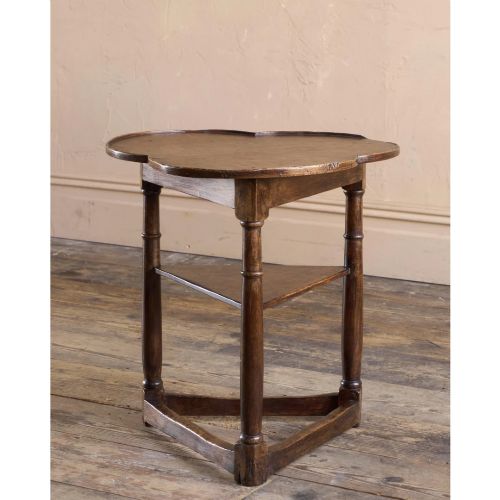
Some tables feature a trefoil top shaped just like a clover leaf to charm anyone pouring afternoon tea.
Distinctions in Quality
The distinction between standard provincial work and superior pieces rests on timber selection, surface patination, and structural integrity. Tables fashioned from figured pollard oak, rich mahogany, or well-figured elm command greater attention than utilitarian deal pine examples. Original unblemished surface patination, achieved through centuries of polishing and cleaning, elevates an example above stripped or heavily restored specimens.
Proportion and joinery execution further separate ordinary items from exceptional ones. Finely turned legs, integrated two-tier structures, and trefoil top designs demonstrate superior craftsmanship by regional makers. The balance between the diameter of the circular top and the splay of the three supporting legs determines the visual harmony of the finished piece.
The Three Leg Cricket Table Glossary
- Cricket table
- A small circular occasional table supported by three legs, historically used in English and Welsh vernacular interiors. The tripod design ensured stability on uneven floors.
- Vernacular
- Domestic furniture built by local craftsmen using regional traditions and native materials rather than adhering to metropolitan high-style designs. These pieces emphasise functional utility.
- Trefoil top
- A circular table top shaped with three lobes, resembling a clover leaf. This uncommon variation adds decorative complexity to the standard round surface.
- Pad foot
- A rounded foot carved at the base of a cabriole or straight leg, often found on Georgian examples. It provides a neat termination to the upright timber.
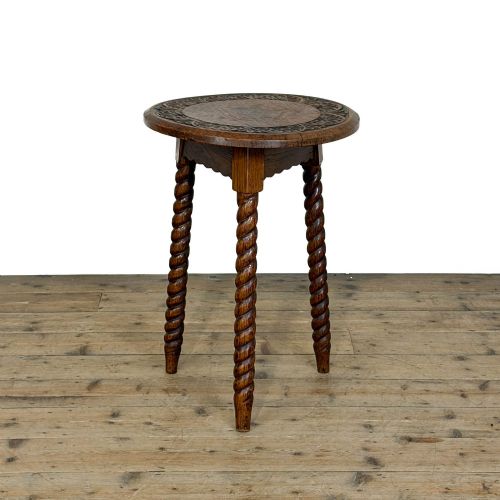
- Bobbin turned
- A style of leg decoration featuring turned spherical or spool-like shapes carved along the length of the wood. This technique appears on nineteenth-century pine and hardwood examples.
Three Leg Cricket Table: Frequently Asked Questions
What is a three leg cricket table?
A three leg cricket table is a traditional small circular occasional table supported by three splayed legs, designed for domestic use in eighteenth and nineteenth-century homes. The tripod base allowed the furniture to stand securely on uneven stone floors.
These pieces typically feature solid planked timber tops made from oak, pine, or elm. They served various utility purposes in farmhouse and vernacular settings before becoming decorative items today.
Where were these tables made?
These tables were produced across various English and Welsh regions by local country joiners and provincial cabinet makers. Monmouthshire and other Welsh districts are frequently associated with regional iterations.
Craftsmen utilised whichever native hardwoods were locally available, resulting in distinct regional characteristics regarding timber choice and turning styles.
How do I style a cricket table at home?
A three leg cricket table works well as an occasional side table beside a chair or sofa, or as a small display surface in a hallway. Its circular footprint allows it to fit into compact corners where rectangular furniture might obstruct movement.
Pairing the rustic timber textures with simple lighting or ceramics enhances the historic character of the room. The sturdy tripod base also makes them practical for holding everyday items.
How can I tell the age of a cricket table?
Dating relies on observing timber types, tool marks on the underside of the top, and the style of leg turnings. Eighteenth-century examples often feature pegged oak construction and rich patination, while nineteenth-century versions frequently utilise pine or elm with different construction methods.
Examining the wear patterns and construction joints helps distinguish Georgian vernacular pieces from later revival or Victorian country items.