




Three Handle Vessel
These three handle vessel pieces are tactile historical objects built for communal drinking and storage, prized by collectors for their striking symmetry and varied regional forms.
Three Handle Vessel
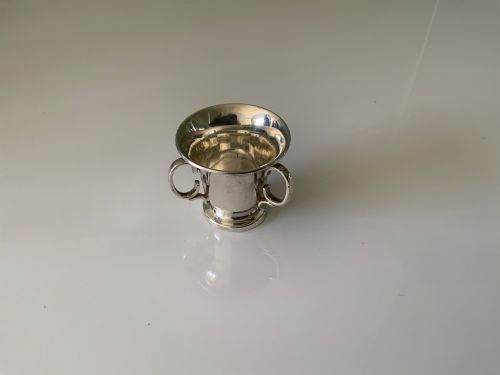
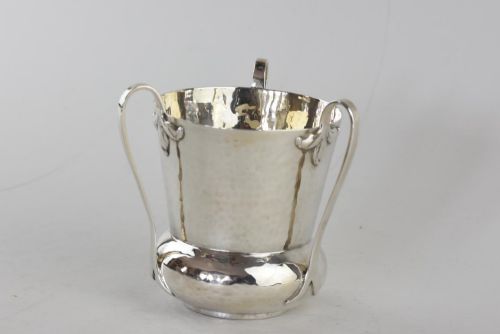
When you search for three handle vessel, you encounter a specialised form of drinking vessel, jug, or bowl designed with a trio of grips for passing around a table. The pieces available here span domestic earthenware, salt-glazed stoneware, fine crystal glass, and solid silver.
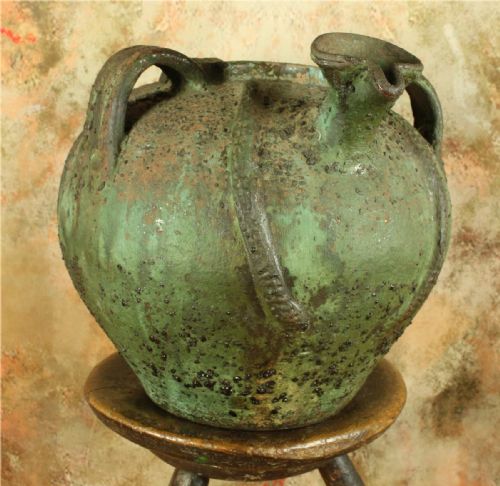
The selections range from robust eighteenth-century French olive jugs and English Staffordshire-style tygs to delicate turn-of-the-century French crystal bowls and Edwardian lustre mugs. Each iteration reflects the specific social customs of its period, from rural oil storage to formal communal toasts.
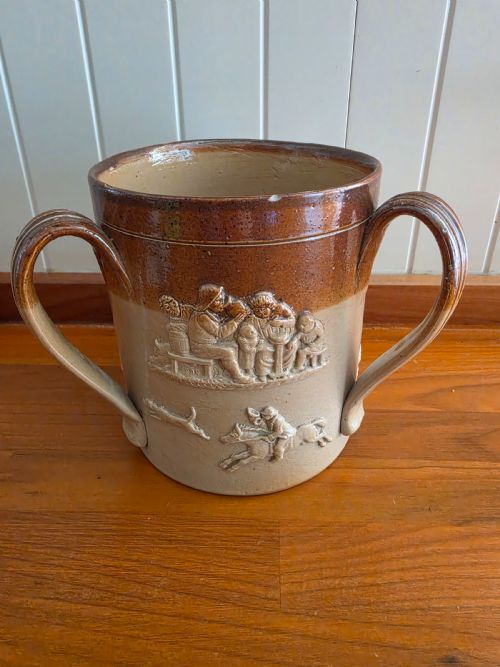
You are most likely to meet Victorian salt-glazed stoneware tygs and decorative ceramic loving cups on this page, alongside occasional silver presentation pieces. These forms demonstrate how a simple utilitarian requirement evolved into elaborate decorative art.
How they were made
Potters shaped these ceramics from dense clay and stoneware bodies, often throwing them on a wheel before securely attaching three distinct vertical handles by hand. Glazing techniques varied from simple salt-glaze finishes to lustrous painted designs and delicate paste gilding.
Silver and pewter examples involved smiths casting, hammering, and embossing metal sheets into sturdy vessels, sometimes mounting them with precious metals or glass liners. Artisans applied surface decoration through incised slipwork, hand-painting, or intricate metal engraving to elevate the functional form.
Three Handle Vessel Retail Price Guide 2026
Typical asking prices for three handle vessel among the pieces listed under this phrase on Sellingantiques today, from the lower quarter to the upper quarter. They describe what is for sale here now, not the wider market.
Listings span periods from the eighteenth century through to nineteen-ten, encompassing earthenware, stoneware, crystal glass, sterling silver, and pewter.
What varies in quality
The division between ordinary and exceptional pieces rests upon the crispness of the modelling, the balance of the three handles, and the sophistication of the surface decoration. Hand-painted ceramic pieces by known artists display a precision of line and depth of colour that lesser workshop output lacks.
In metal and glass examples, the weight of the material, the clarity of the crystal, and the sharpness of the embossed silver or pewter ornamentation determine the grade. A well-proportioned silhouette where handles complement rather than crowd the body distinguishes superior craftsmanship.
Doulton Lambeth·Royal Doulton·Wedgwood·Kayserzinn·George Ernest Hawkins
The Three Handle Vessel Glossary
- Tyg
- A traditional English drinking vessel featuring three or more handles, designed so multiple drinkers could share it at a table without passing it by a single grip. These pieces often take a cylindrical form with sturdy loop handles spaced evenly around the circumference.
- Loving cup
- A large communal drinking vessel fitted with two or more handles, traditionally passed among guests at banquets and celebrations. They appear in ceramic, silver, and glass across various decorative art movements.
- Stoneware
- A robust, vitrified pottery type fired at high temperatures until impermeable to liquids, making it durable for domestic use. Salt-glazing is frequently applied to this material during firing.
- Paste gilding
- A decorative technique involving the application of gold leaf or powdered gold suspended in a medium to glass or ceramic surfaces. It requires careful firing or sealing to adhere permanently to the substrate.
- Lustre
- A ceramic glaze containing metallic salts that produce an iridescent, shimmering sheen upon reduction firing. This finish changes appearance depending on the angle of light.
Three Handle Vessel: Frequently Asked Questions
What is a three handle vessel used for?
These vessels were historically utilised for passing beverages like ale, cider, or wine around a table among guests. The multiple handles allowed each person to steady the cup securely as they drank from a shared container.
Over time, many of these objects transitioned from functional tavern and banquet items into decorative display pieces, presentation items, or commemorative loving cups.
How do I date an antique tyg?
Dating relies heavily on material composition, maker marks, and stylistic indicators such as the shift from rustic earthenware to Victorian salt-glazed stoneware or Edwardian lustre. Examining the base, glaze texture, and any stamped factory marks provides reliable chronological markers.
Matching the decorative motifs, such as Art Nouveau plant tendrils or George II embossing, to documented design periods helps narrow the manufacturing era.
Are these vessels safe to drink from?
While many historic ceramic and silver pieces remain physically robust, historic glazes or metal linings may contain lead or other substances not certified for modern food safety standards. Most collectors treat them as decorative objects rather than functional tableware.
Gentle hand washing is recommended for antique surfaces to preserve delicate hand-painting, gilding, and silver patination.
Why do these vessels have three handles?
The three-handle configuration served a practical purpose in communal drinking customs, enabling three different people to hold the vessel firmly without awkward hand-passing. This design also distributed the weight evenly.
It created a balanced geometric symmetry that appealed to Victorian and Arts and Crafts designers seeking functional utility paired with visual rhythm.