
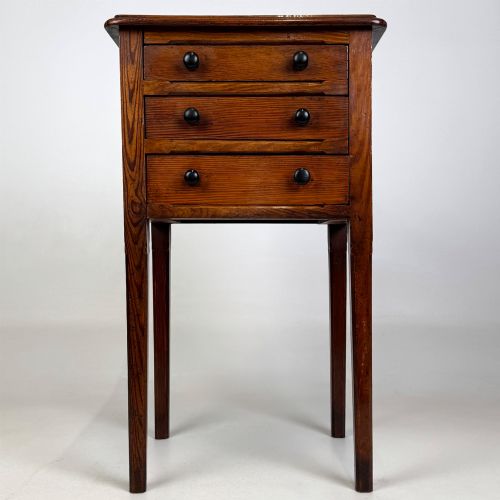
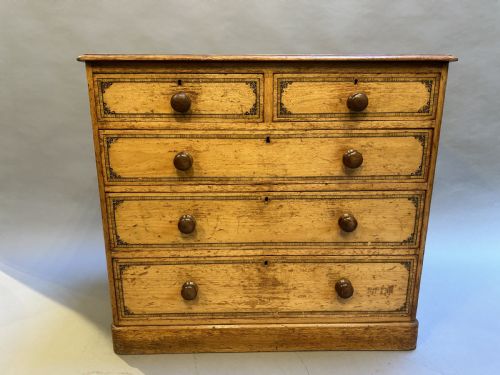

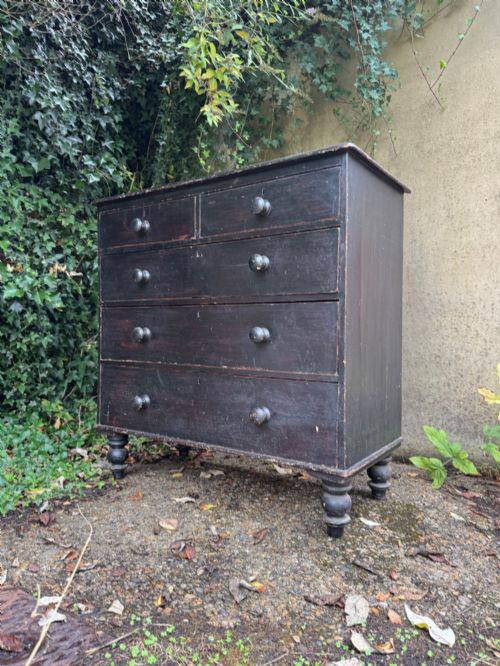
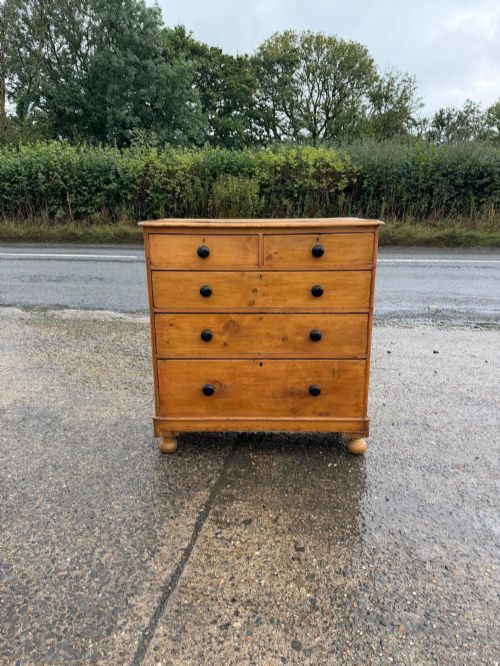
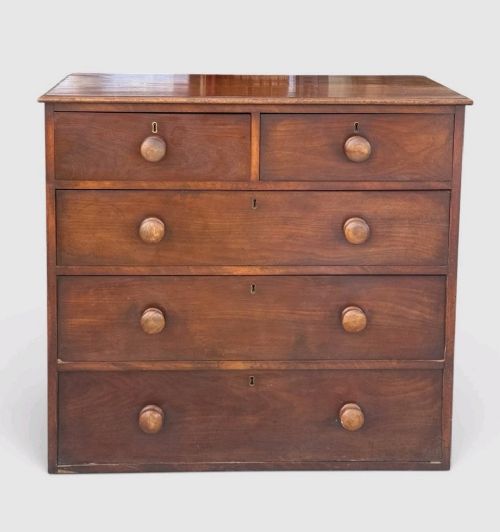
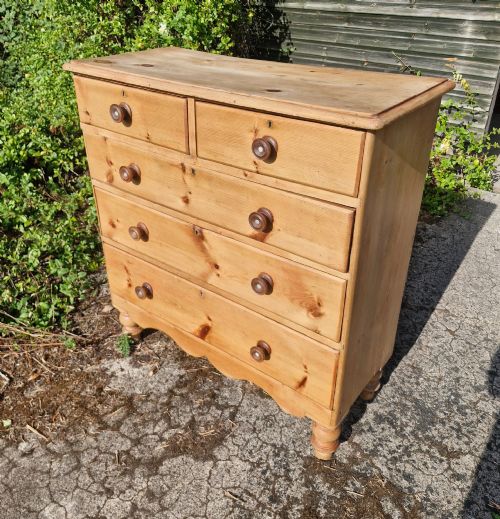
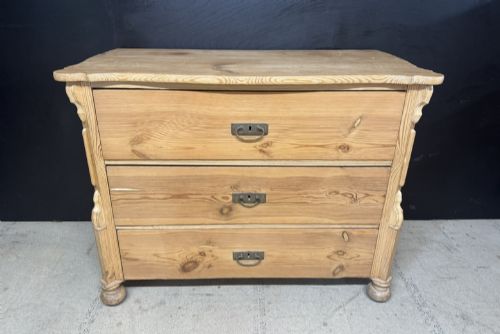
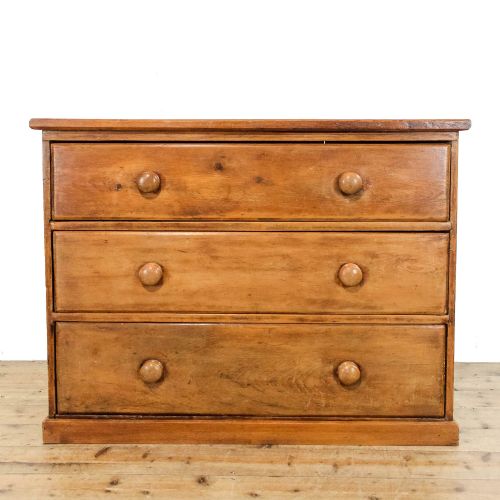

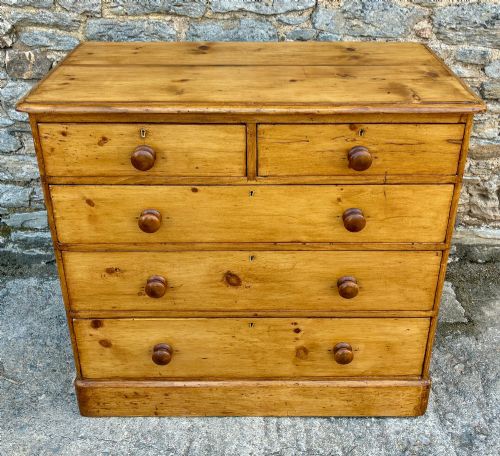
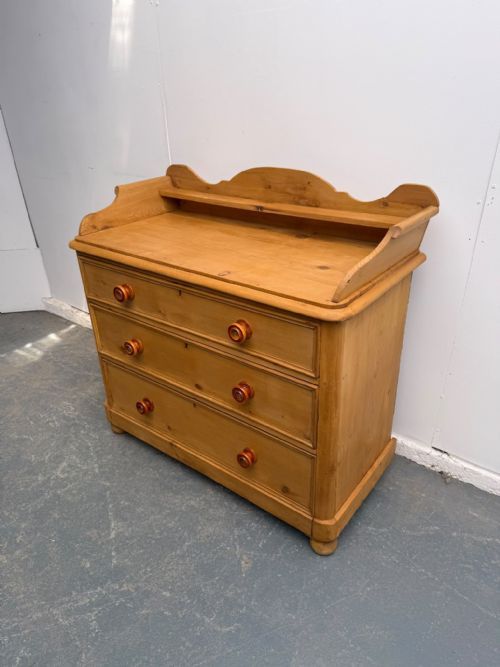
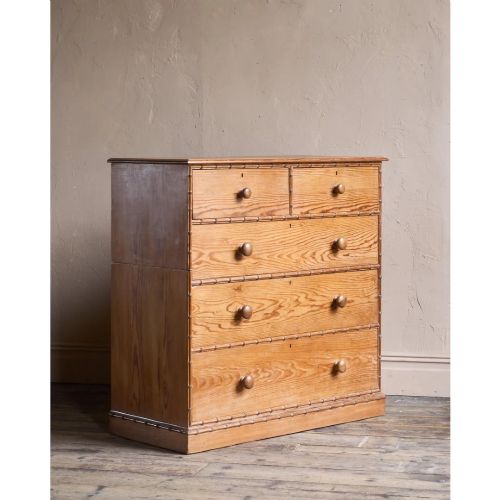
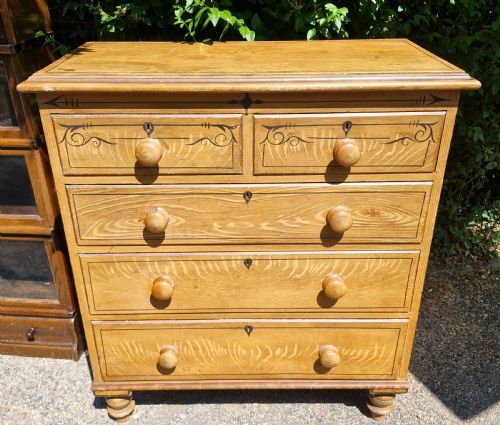
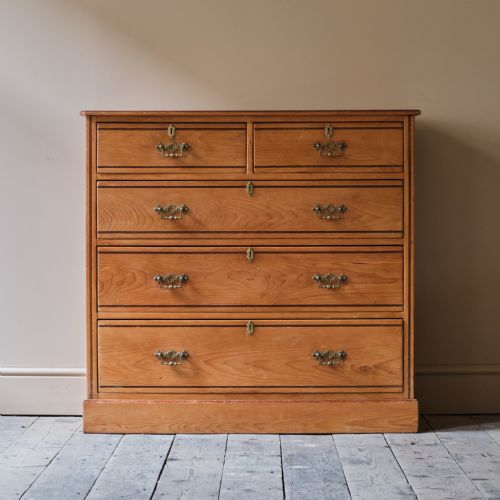
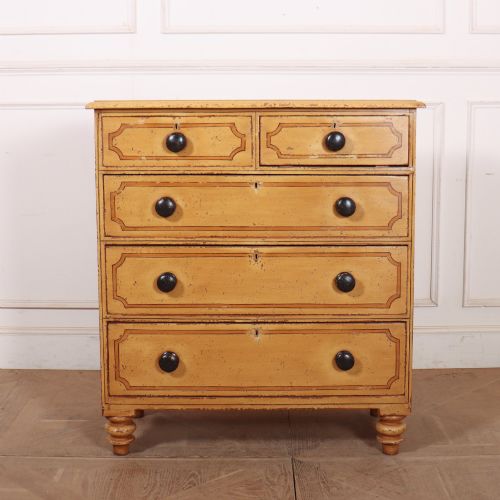
Three Drawer Pine Chest
A three drawer pine chest offers honest utility and rustic warmth, bringing practical storage and simple nineteenth century character into a room.
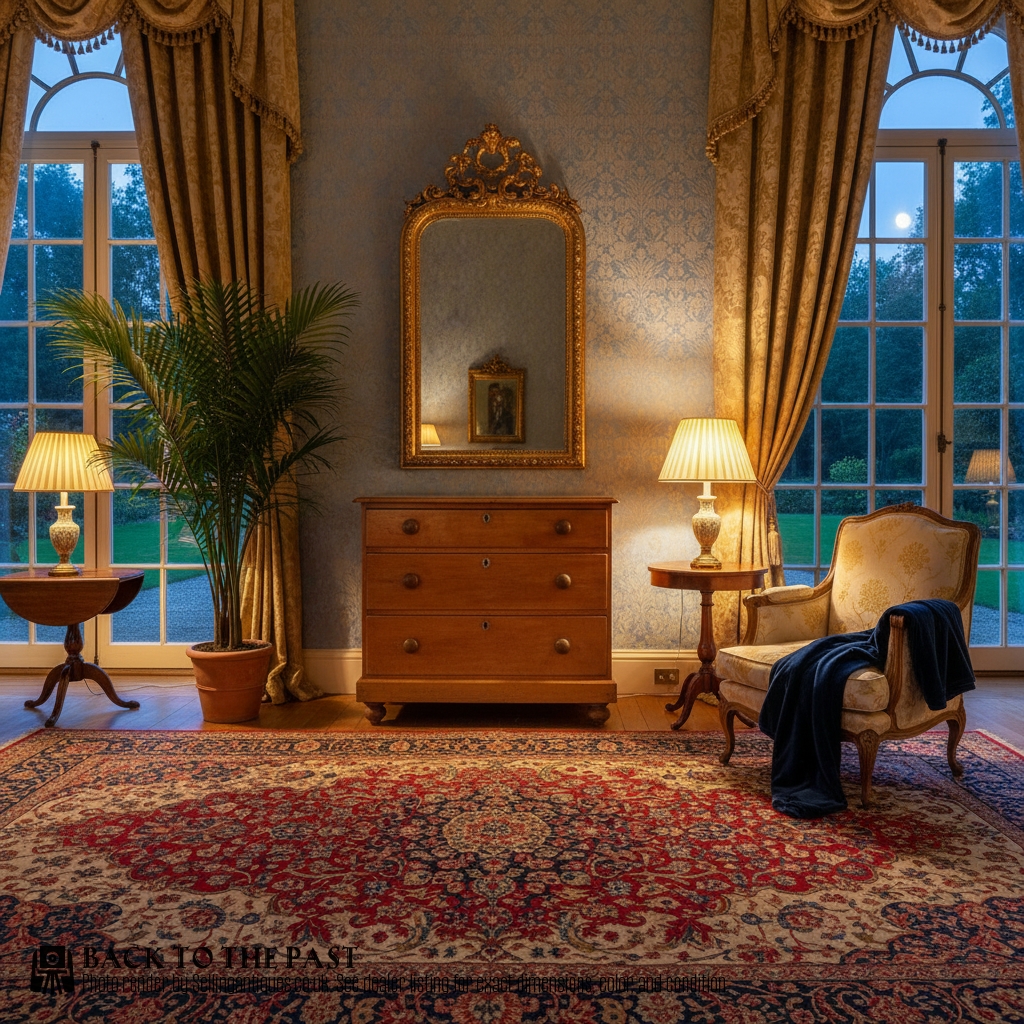
Understanding the three drawer pine chest
A three drawer pine chest is a functional domestic storage piece typically constructed during the nineteenth century. These items appear in formats ranging from standard chest of drawers designs to low wide configurations and pedestal forms.
Most examples originate from the Victorian period or the wider nineteenth century. Buyers frequently encounter pieces finished with traditional wax or stripped surfaces that highlight the natural grain of the wood.
Materials and construction
These chests are built entirely from pine and wood, relying on the inherent properties of softwoods for their primary structure. Workshops utilised traditional joinery methods appropriate for everyday domestic furniture.
Hardware details typically include brass elements, which provide contrast against the waxed or polished pine surfaces. Finish treatments range from early wax applications to later stripped wood presentations.
Retail Price Guide 2026
Typical UK retail prices for three drawer pine chest, calculated from the Sellingantiques database of over a million retail prices indexed since 2003. This retail price guide relies exclusively on Sellingantiques data; no external sources or auction records are used, so the figures do not describe the wider market.
Some chests travelled across borders before settling here, carrying the subtle scent of old beeswax and continental pine forests.
Assessing quality and proportion
Quality in these pieces is dictated by proportion, cabinetmaking precision, and the preservation of original surfaces. Better examples maintain balanced dimensions, such as low wide formats or small size variations that require greater skill to construct.
The choice between a waxed finish and stripped pine alters the visual weight of the piece. Superior items retain their original brass hardware and structural integrity without heavy alterations.
The Three Drawer Pine Chest Glossary
- Pine
- A softwood commonly used in British and European furniture making for its workability and distinct grain pattern. It forms the primary material for these chests.
- Waxed chest
- A piece treated with traditional wax finishes to nourish the wood and impart a soft sheen. This finish protects the pine while highlighting its natural colour.
- Pedestal chest
- A specific configuration where the chest is arranged vertically or with distinct proportions. It offers an alternative silhouette to standard wide chests.
- Stripped pine
- Wood that has had later layers of paint or dark varnish removed down to the bare timber. This process exposes the lighter grain underneath.
Frequently Asked Questions
How do I date a pine chest?
Dating relies on construction methods, timber characteristics, and hardware styles. Nineteenth century pieces often show hand-cut joinery and period brass fittings.
Examining the interior timber and backboards provides further clues regarding the age and workshop origin of the furniture.
What is the difference between waxed and stripped pine?
Waxed pine retains historical surface treatments that have darkened and mellowed over decades of use. This finish gives the wood a warmer tone and a soft tactile quality.
Stripped pine has been chemically or mechanically cleaned to reveal the pale raw timber underneath, offering a brighter appearance suited to contemporary interiors.
Where were these chests used originally?
These pieces served as standard bedroom storage furniture in nineteenth century homes, holding linens, clothing, and personal items. Their manageable proportions made them versatile for various rooms.
Country houses and simpler domestic settings alike utilised them for everyday utility rather than formal display.
How do I care for antique pine furniture?
Maintain waxed surfaces by applying appropriate natural beeswax periodically to prevent the softwood from drying out. Avoid placing the chest near direct heat sources.
Keep the environment stable in terms of humidity to ensure the timber and traditional joinery remain stable over time.