



Thoroughbred Racehorse Art
Thoroughbred racehorse art captures the power and prestige of legendary equine champions through historic oil paintings and framed prints.
Thoroughbred Racehorse Art
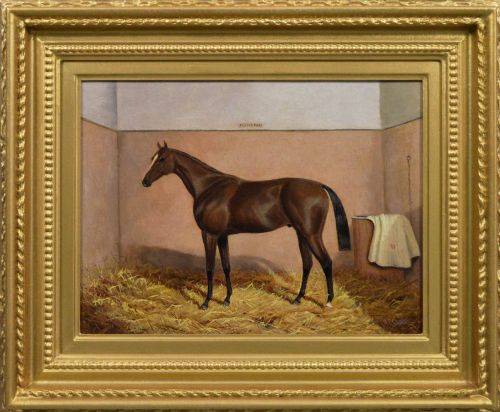
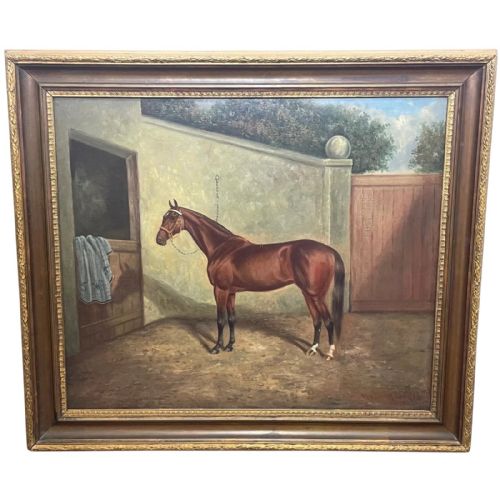
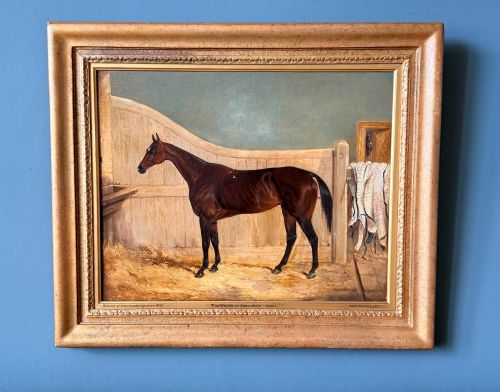
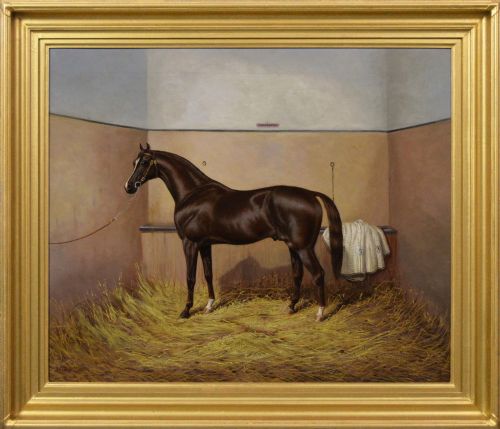
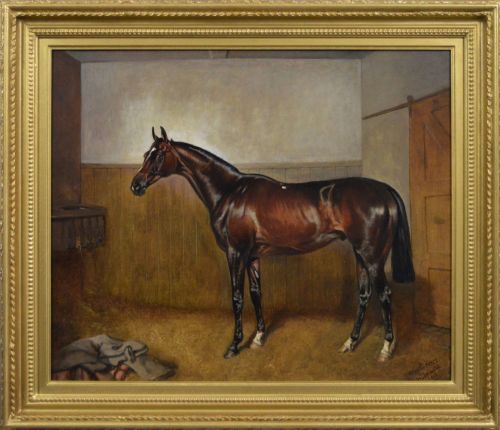
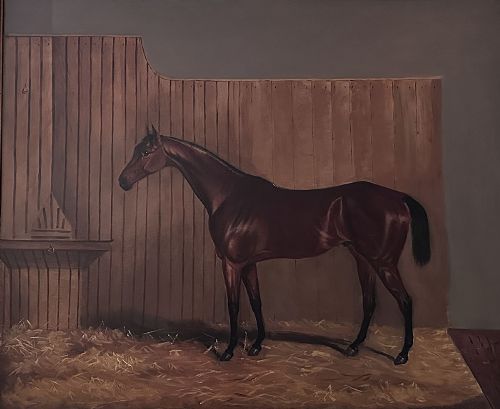
Thoroughbred racehorse art encompasses historic depictions of notable equine winners, often shown with jockeys in silks or portrayed in detailed side profiles. Buyers seeking thoroughbred racehorse art will encounter 19th-century works alongside Edwardian and 1930s pieces, reflecting the rich heritage of turf history.
The subjects on this page include specific Epsom Derby winners, royal mounts, and colonial race winners recorded by period artists. These works frequently document named horses such as Spion Kop, Flying Fox, and Persimmon.
Framed photographic prints alongside traditional oil paintings make up the primary formats available for collectors. Victorian sporting art dominates the selection, bringing mid-19th to early 20th-century racing culture directly to the wall.
Judging Quality in Equestrian Works
Quality rests upon the artist's ability to render equine proportion, muscle structure, and the individual likeness of a famous winner. Works by documented painters such as Albert Clark or John Alfred Wheeler demonstrate superior anatomical precision compared to anonymous portraits.
The inclusion of specific historical context, such as named jockeys, noted owners, or identifiable racecourses like Kempton Park and Epsom, elevates the significance of a piece. Original period framing in giltwood further distinguishes the finest examples from standard decorative items.
Thoroughbred Racehorse Art Retail Price Guide 2026
Typical asking prices for thoroughbred racehorse art among the pieces listed under this phrase on Sellingantiques today, from the lower quarter to the upper quarter. They describe what is for sale here now, not the wider market.
Listings feature works spanning the Victorian era through the 1930s, executed primarily in oil on canvas with traditional giltwood frames.
Frederick Albert Clark·John Alfred Wheeler·Thomas Walker Bretland·Samuel Spode·Walter Herbert Wheeler
The Thoroughbred Racehorse Art Glossary
- Victorian Sporting Art
- A genre of British art focusing on equestrian subjects, hunting, and racing scenes produced during the 19th century. It places high value on accurate portrayals of prized animals and sporting events.
- Giltwood
- Wood carved and coated with gold leaf or a gold-coloured finish. This material is standard for high-status antique picture frames.
- Jockey Up
- A racing term indicating that the rider is mounted on the horse. In art titles, this phrase often names the specific jockey alongside the horse.
- Equine Portrait
- A painting or depiction focused specifically on an individual horse rather than a general landscape or racing scene. These works often record the name of the animal and its notable victories.
Thoroughbred Racehorse Art: Frequently Asked Questions
How do I identify a named racehorse in a painting?
Historic racing art often includes inscriptions on the canvas, stretcher bars, or frame detailing the horse's name, the race won, and the year. Documentation or provenance notes provided with the artwork further confirm the identity of the subject.
Comparing the horse's markings and the recorded colours of the owner or jockey listed in the title helps verify the historical record.
What is the difference between an oil painting and a photographic print here?
Oil paintings feature hand-applied pigment on canvas or wood, showcasing the distinct brushstrokes and texture of the artist's hand. These unique works date primarily from the Victorian and Edwardian eras.
Photographic prints represent mechanical reproduction methods popular by the 1930s, offering structured sets of famous horses preserved behind glass in period frames.
Where should I hang antique racehorse art?
These works suit traditional studies, libraries, or living rooms with classic decor, echoing the heritage of country house sporting collections. Pairing them with wood-panelled walls or neutral backgrounds allows the giltwood frames and rich oil colours to stand out.
Avoid placing canvas works in direct sunlight or damp environments to protect the historic paint layers and wood substrates.
How can I tell the period of a horse painting?
Clothing styles of the jockeys, framing materials, and canvas construction provide clear clues to the date of execution. Victorian and Edwardian pieces often display specific brushwork techniques and signature styles unique to British realism of those decades.
Comparing the depicted racehorse's winning year, such as an 1847 or 1920 victory, establishes the earliest possible date for the creation of the artwork.