


Thames Oil Painting
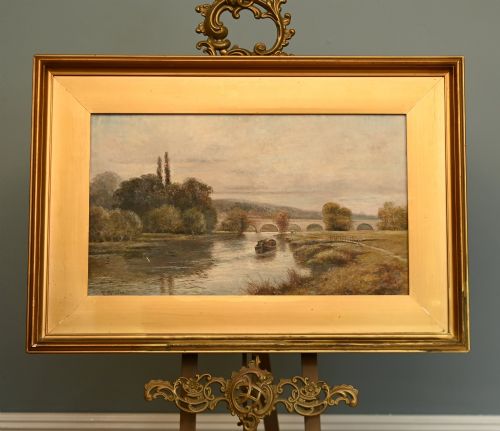
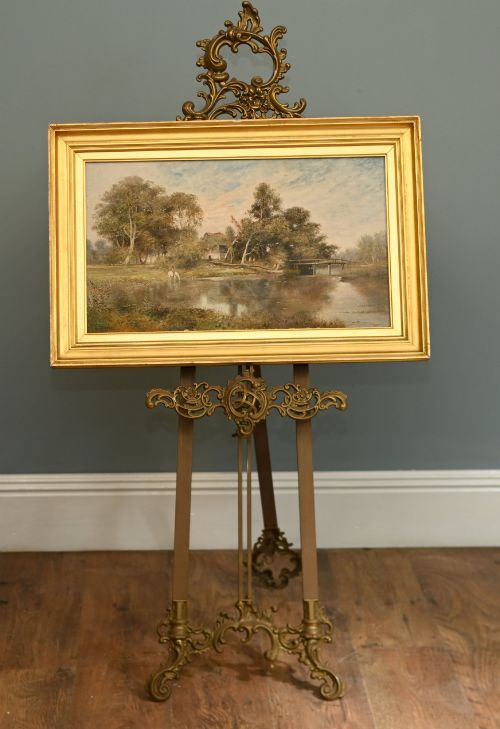
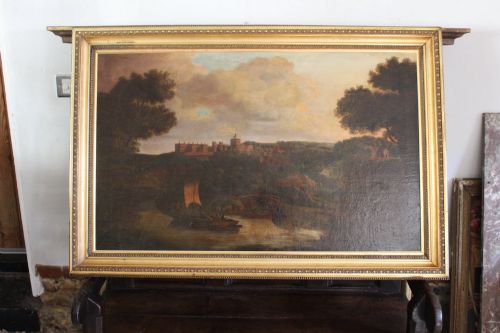
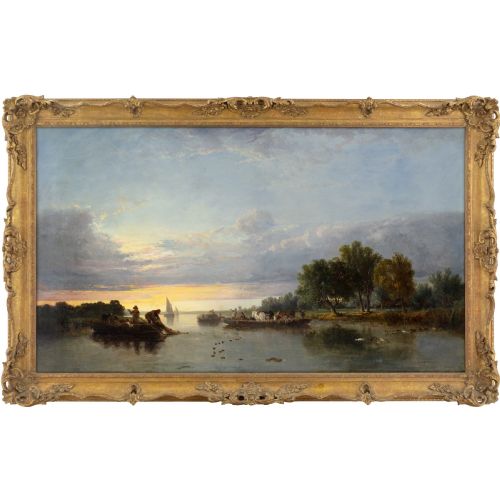
When you search for a thames oil painting, you are looking at historical riverscapes, bustling maritime scenes and quiet pastoral views capturing London and its river through centuries of artistic tradition.
Thames Oil Painting
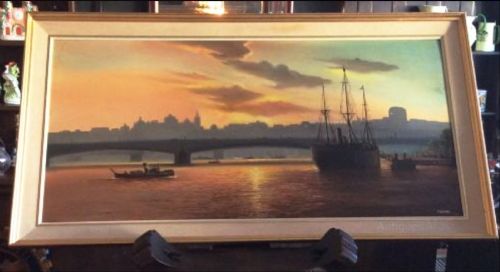
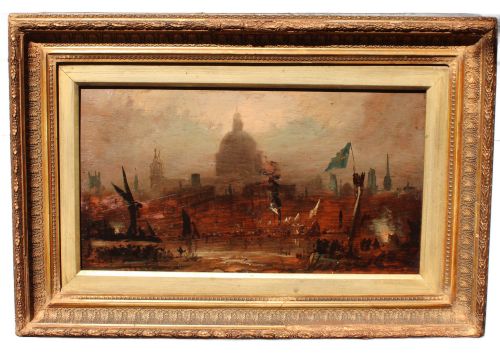
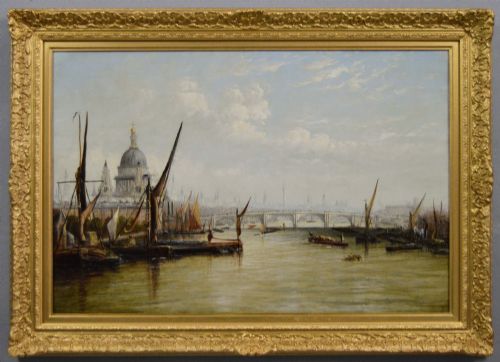
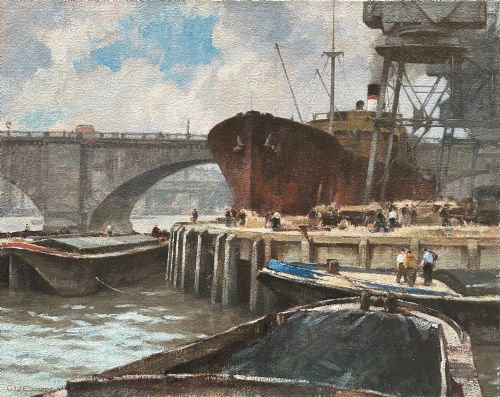
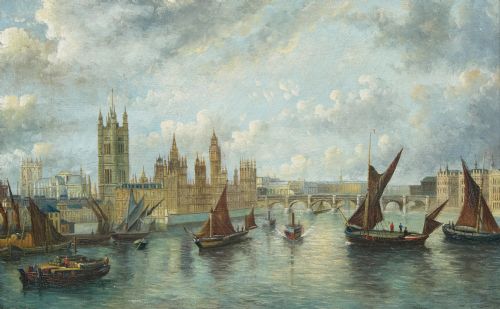
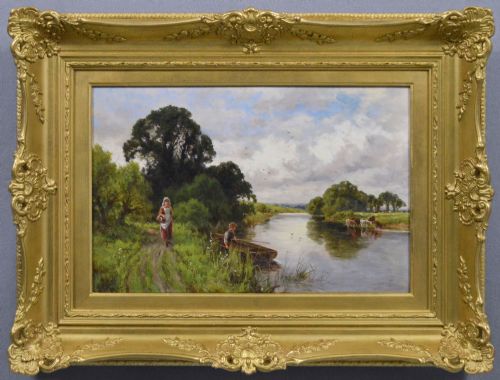
A thames oil painting records the changing face of the river, from the grand architecture of London landmarks like St Pauls and Waterloo Bridge to rural reaches near Windsor, Eton and Sonning. These works capture everything from industrial shipping and sailing barges in the Pool of London to peaceful pastoral stretches and evening views.
Most pieces encountered on this page date from the Victorian period through to the mid-twentieth century, reflecting intense artistic interest in Britain's primary waterway. Painters returned repeatedly to specific locations, recording the shifting light over Richmond, Twickenham, Henley and the bustling maritime activity closer to the bridges.
The subjects range from careful architectural townscapes and panoramic seascapes to moody oil studies and industrial estuary scenes. Whether showing the Lord Mayor's procession or quiet tug boats, these artworks serve as historical documents of the river as well as accomplished examples of British landscape painting.
How They Were Made
The foundational support for these works is typically canvas stretched over a wooden frame, though artists also utilised wooden panels, board and gesso preparations depending on the period. Oil paint applied with a brush remains the universal medium, sometimes built up in heavy impasto to capture the texture of water, shipping and industrial activity.
Framing often involves gilt or gold leaf wooden mouldings that complement the palette of the canvas. Many surviving pieces retain their period frames, which help date the artwork and protect the edges of the oil paint from damage over time.
Common subject matter ranges from rural Berkshire riverbanks near Windsor and Sonning to industrial shipping and tug boats near Tower Bridge.
What Varies in Quality
The distinction between standard examples and exceptional works rests on the artist's ability to render light, atmosphere and perspective across a complex aquatic environment. Stronger pieces demonstrate confident brushwork and precise topographical detail, successfully conveying the heavy movement of barges, the reflections on the water and the specific atmospheric haze of the London basin.
Compositional ambition also elevates certain pieces above routine topographical records. Works that balance architectural landmarks against river traffic with a clear sense of depth and scale command greater attention than simple, formulaic views of riverbanks.
Francis Moltino·Henry H Parker·Charles William Wyllie·Edward Henry Eugene Fletcher·Thomas Whittle the Younger·Alfred De Breanski
The Thames Oil Painting Glossary
- Oil on Canvas
- A traditional painting technique where oil-based pigments are applied to a woven fabric stretched across a wooden support. This combination allows for rich blending of colours and lasting durability.
- Impasto
- A technique where paint is laid onto a surface in very thick areas, usually thick enough that the brush or painting-knife strokes are visible. It adds physical texture and dimension to water and skies.
- Gesso
- A white paint mixture consisting of a binder mixed with chalk, gypsum, or pigment used to prepare a rigid surface for painting. It provides a smooth, stable ground for oil applications.
- Riverscape
- A painting or other work of art depicting a river scenery. These compositions focus on the banks, bridges, water traffic and surrounding landscape.
- Provenance
- The chronology of the ownership, custody or location of a historical historical artwork. Establishing this history helps confirm authenticity and maker attribution.
Thames Oil Painting: Frequently Asked Questions
How do I identify the location in a thames oil painting?
Artists frequently inscribed titles, signatures or location names on the reverse of the canvas, stretcher frames or panels. Recognisable landmarks such as Windsor Castle, Tower Bridge, St Pauls or specific riverside churches also provide clear geographical markers.
Comparing the depicted bridge designs, steeple heights and surrounding architecture against historical maps helps narrow down the exact stretch of water shown. Many nineteenth-century works explicitly name the reach or town in the original title.
What periods are most common for these paintings?
Victorian and Edwardian works dominate the available selection, reflecting a period when British landscape painting focused heavily on river life and maritime commerce. Painters during the late nineteenth and early twentieth centuries produced vast numbers of London and pastoral Thames views.
Earlier pieces from the Georgian and early nineteenth century appear less frequently, while mid-twentieth-century interpretations offer a more industrial or modernist perspective on the same waters.
How should I care for an oil painting on canvas?
Keep the artwork away from direct sunlight, high humidity and dramatic temperature fluctuations to prevent the canvas from sagging and the oil paint from cracking. Displaying the piece on an interior wall helps maintain a stable environment.
Dust the surface very gently with a soft, dry brush when necessary, avoiding water, chemical cleaners or pressure. If the canvas requires deep cleaning or tension adjustment, consult a professional paintings conservator.
Did artists paint these scenes on location?
Many painters created preliminary oil studies, sketches and watercolours directly on the riverbanks or from boats before completing larger finished canvases in the studio. Working plein air allowed artists to observe shifting tidal light and atmospheric conditions firsthand.
More complex panoramic cityscapes involving precise architectural perspectives were typically assembled in the studio using these initial field studies and sketches.