

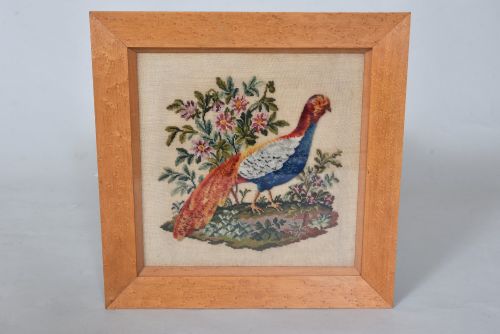
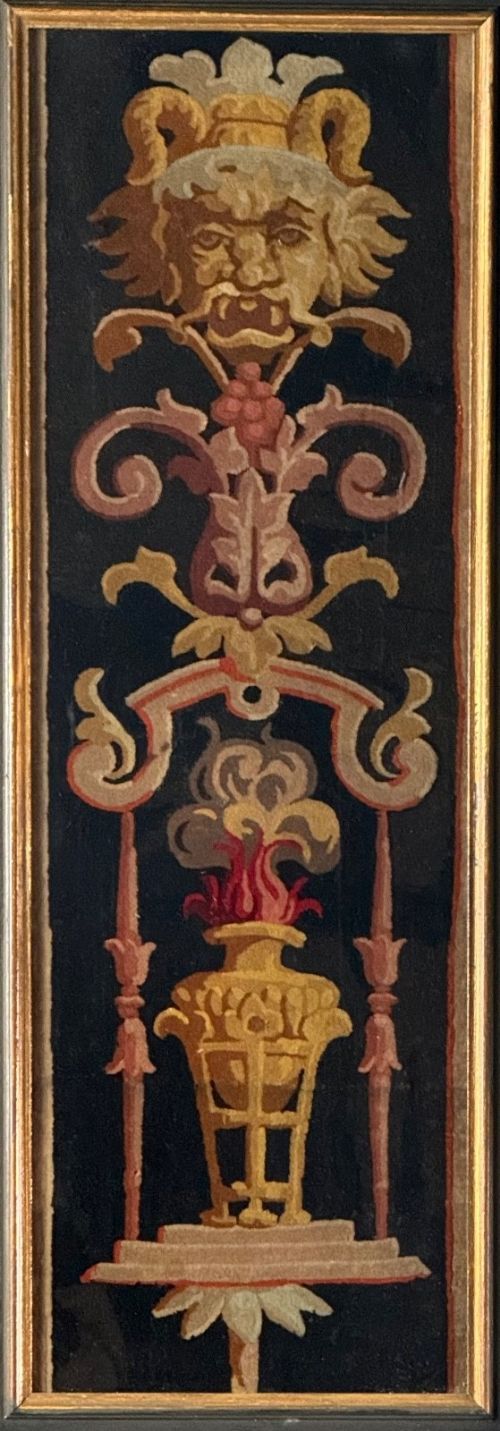
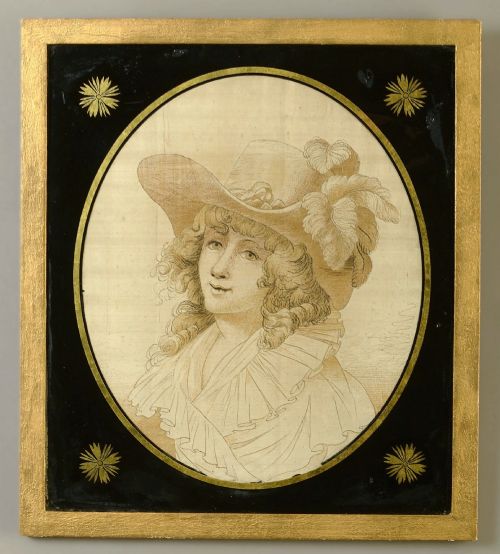
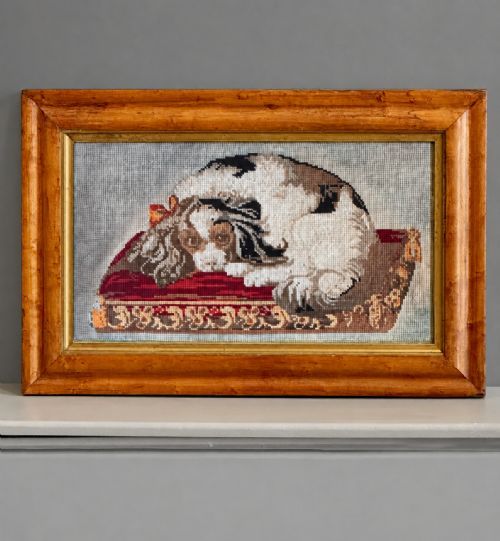
Textile Art Needlework
Textile art needlework brings centuries of hand-stitched craft, from silk embroidery to wool samplers, into modern interiors through framed historical panels.
Textile Art Needlework
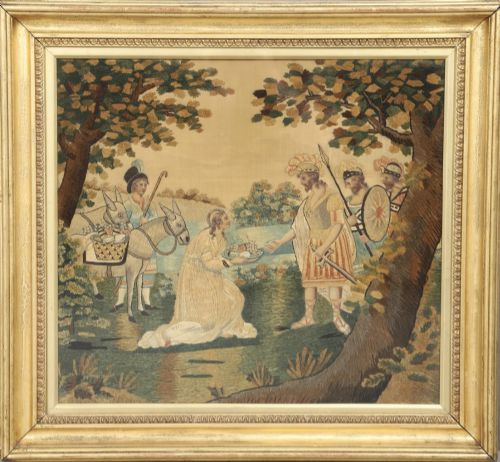
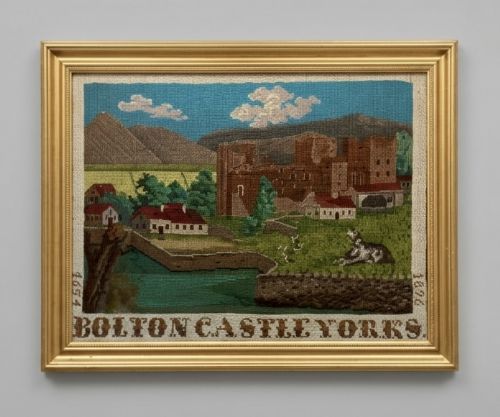
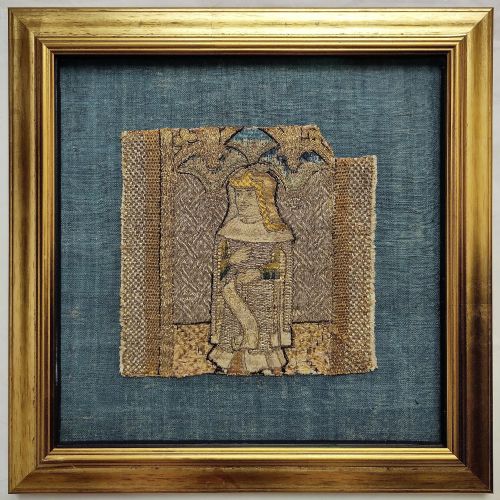
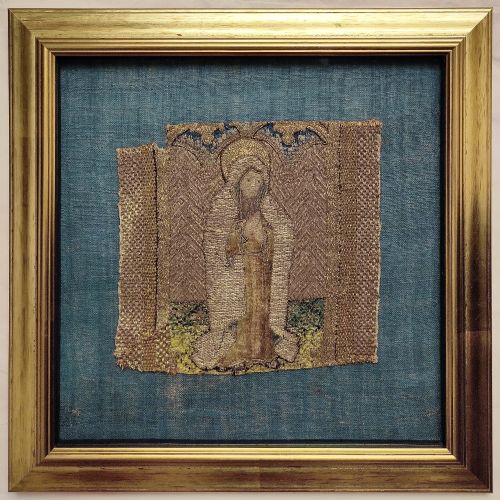
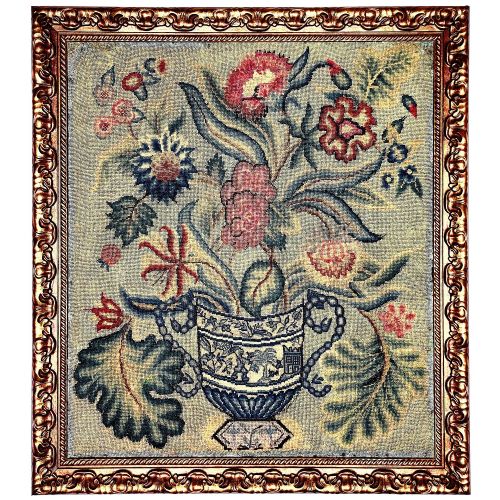
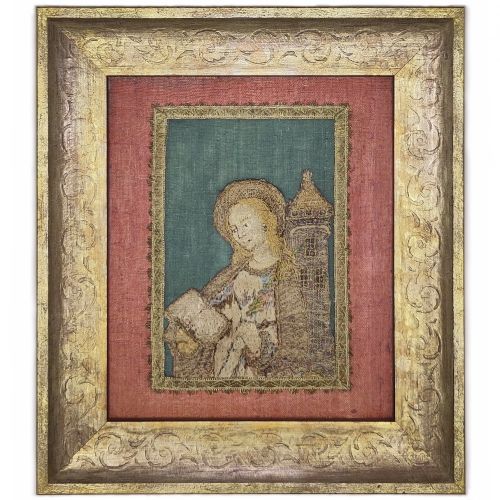
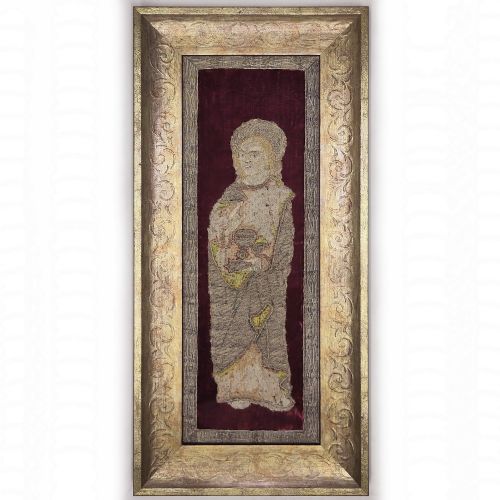
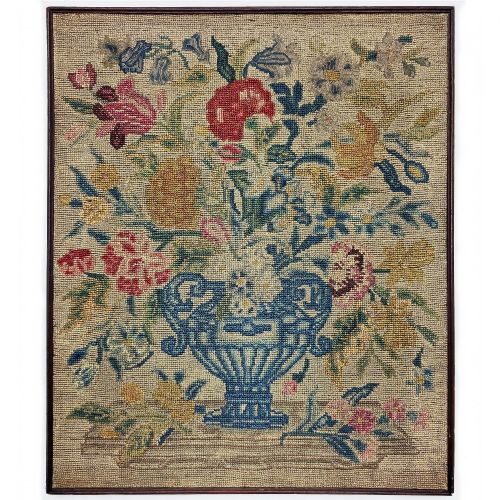
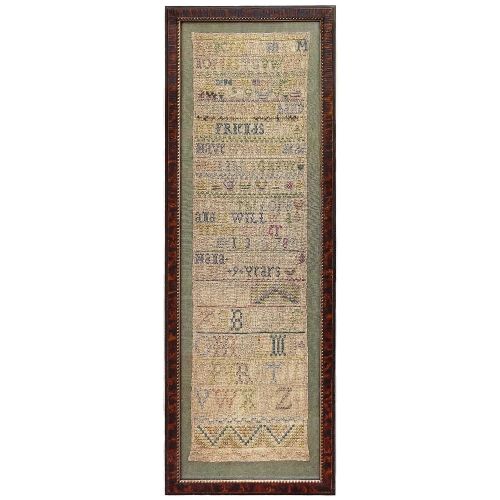
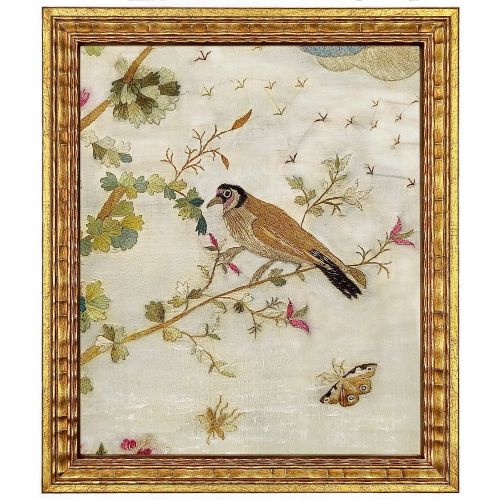
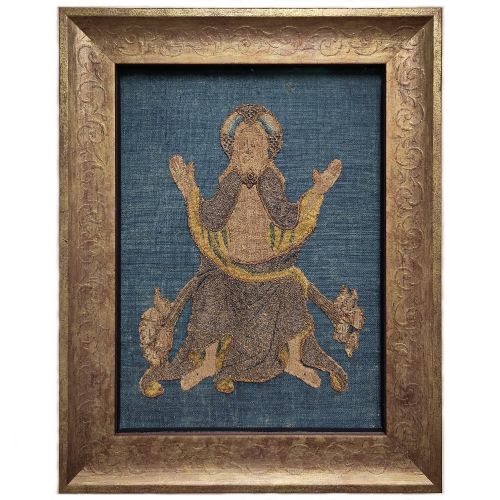
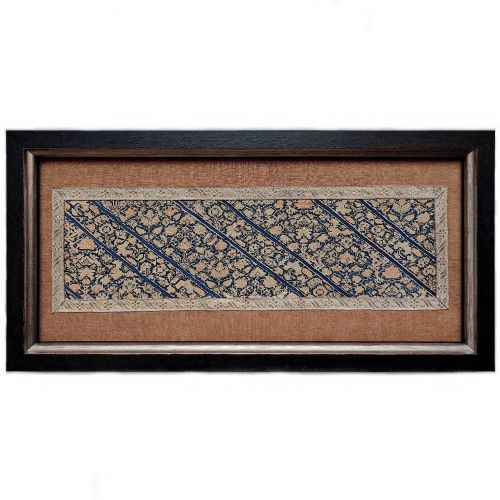
When you search for textile art needlework, you encounter framed panels, samplers, and pictorial scenes spanning multiple centuries. The selection ranges from pre-16th century ecclesiastical fragments to Victorian beadwork and Georgian silk pictures.
Most examples on this page take the form of framed wall art, including maps, animal studies, and classical subjects. Domestic samplers and pictorial embroideries dominate the domestic items originating from English, French, and continental workshops.
The materials reflect both humble and luxurious domestic pursuits, combining linen and wool foundations with fine silk threads, metallic elements, and glass beads. Frames often match the period, utilising burr maple, giltwood, or faux tortoiseshell.
How they were made
Needlework panels rely on base fabrics such as linen, cotton, and wool, onto which artisans applied complex stitches using silk floss, wool, and metallic thread. Techniques varied from the counted threads of samplers to the free-form pictorial stitching of silk and chenille embroidery pictures.
Workmanship involved mounting finished textiles into protective surrounds, with original frames made from wood providing structural support and context. Glazing protected delicate silk and wool surfaces from environmental wear over centuries.
Textile Art Needlework Retail Price Guide 2026
Typical asking prices for textile art needlework among the pieces listed under this phrase on Sellingantiques today, from the lower quarter to the upper quarter. They describe what is for sale here now, not the wider market.
The inventory spans diverse regional styles, including Stuart, Georgian, Victorian, Chinoiserie, and Central Asian Tribal needlework.
What varies in quality
Quality rests in the precision of the stitching and the complexity of the pictorial composition. Fine examples demonstrate exceptional control over shading and perspective using silk floss, chenille, or wool.
The condition of the textile surface and the survival of original materials dictate the standing of a piece. Intact silk threads, secure beadwork, and original wooden frames preserve the integrity of the artwork.
The sophistication of the design, whether an intricate Georgian map sampler or a detailed 17th-century silk panel, separates standard domestic handwork from masterworks of textile art.
The Textile Art Needlework Glossary
- Sampler
- A piece of needlework produced as a demonstration or test of skill in various stitches. These frequently record alphabets, numerals, and the maker's name alongside dates.
- Berlin work
- A style of needlepoint embroidery popular in the 19th century that used charted patterns printed on squared paper. It typically employed brightly coloured wool threads.
- Opus Anglicanum
- English medieval embroidery renowned for its intricate needlecraft, often executed in silk and gold thread for ecclesiastical vestments. Surviving fragments show remarkable detail.
- Chenille
- A type of tufted yarn that produces a velvety texture when used in embroidery. It appeared frequently in Regency silk and chenille pictures to render foliage and drapery.
- Plushwork
- An embroidery technique that creates a raised, pile-like surface resembling velvet or fur. It was used to render animals with tactile depth.
- Orphrey
- An embroidered band or border applied to ecclesiastical vestments. These panels often featured figures of saints or heraldic motifs.
Textile Art Needlework: Frequently Asked Questions
How are antique textile pieces framed?
Many needlework panels are preserved behind glass within their original wooden frames, such as burr maple or giltwood. This framing protects fragile silk, wool, and beadwork from dust and handling.
Collectors often prefer pieces that retain their period framing, as these surrounds provide contextual evidence of the era in which the textile was mounted and displayed.
What is a needlework sampler?
A sampler is a textile created by a needleworker to practice and display a variety of stitches, alphabets, and decorative motifs. Educational tools for young girls, they frequently record the maker's age and a date.
Examples range from simple alphabet exercises to elaborate cartographic representations, such as embroidered maps of England and Wales.
How do I care for antique textile art?
Antique needlework requires protection from direct sunlight to prevent the fading of silk threads, wool, and hand-painted details. Maintaining stable indoor humidity levels ensures that natural fibres and wooden frames do not degrade.
Glazed frames should remain sealed to protect the delicate textile surface from atmospheric pollutants and physical disturbance.
What is Berlin work?
Berlin work is a form of needlepoint embroidery that rose to popularity in the 19th century. It utilised pre-printed squared paper patterns that allowed stitchers to create intricate pictorial designs using vibrant wools.
Common subjects for this technique included animals, floral arrangements, and narrative scenes framed for domestic display.