



Terracotta Wool Flatweave
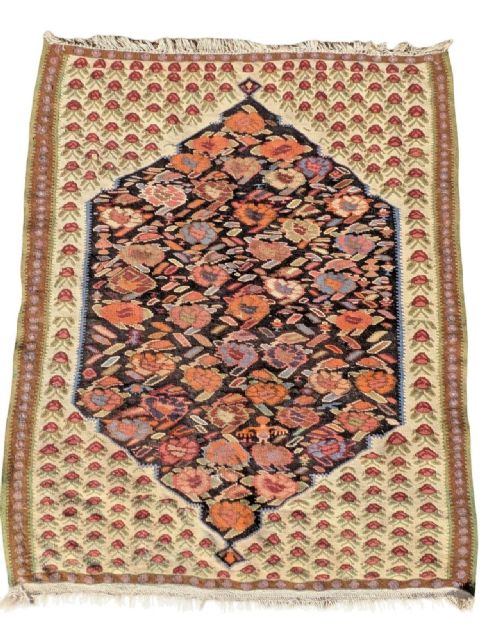
When you search for terracotta wool flatweave, you are entering the richly patterned world of tribal and nomadic textiles made across the Near East, Caucasus, and Central Asia.
Terracotta Wool Flatweave
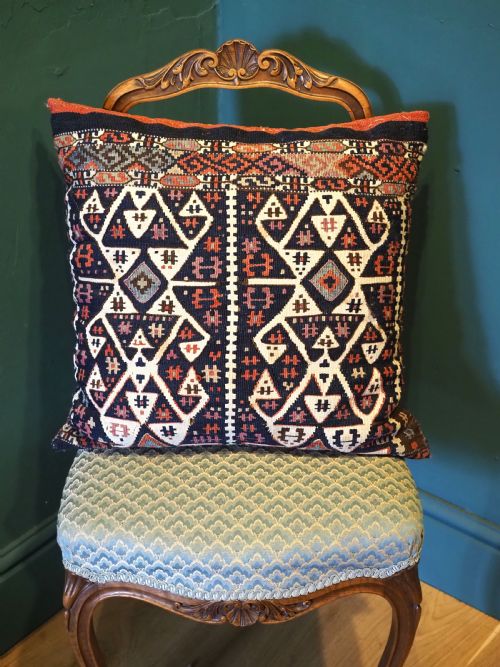
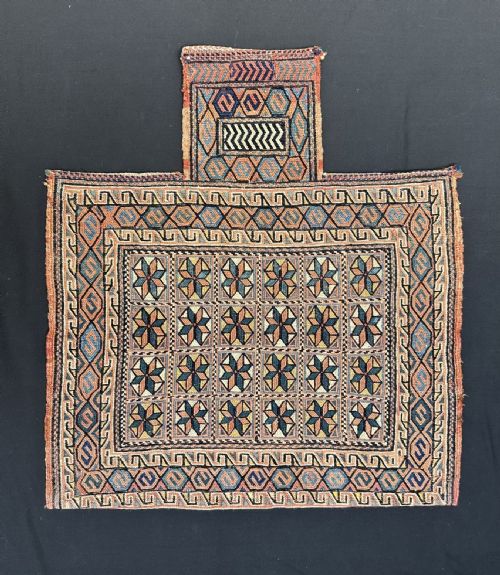
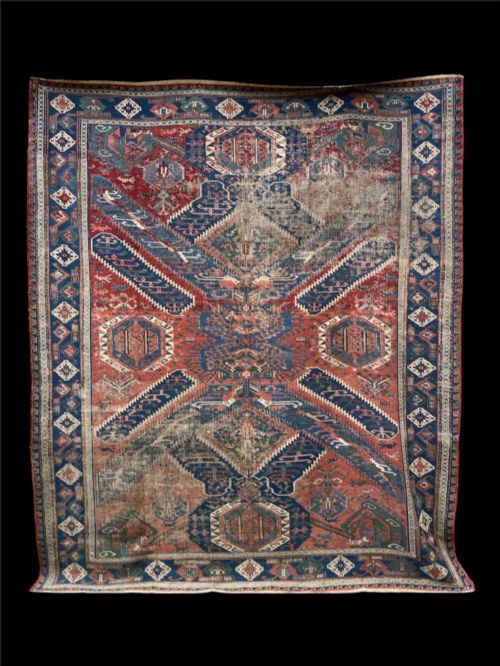
Buyers will encounter various formats, ranging from full-sized carpets and long runners to smaller saddle bags, salt bags, and cushion covers. These items reflect the domestic and nomadic lives of their makers, often constructed in panels or strips intended for practical utility within tents and homes.
The dominant aesthetic centres on terracotta tones combined with geometric motifs, banded designs, and tribal symbolism characteristic of Persian, Caucasian, Anatolian, and Balkan craftsmanship.
How they were made
The materials rely fundamentally on natural, hand-spun wool and occasionally goat hair or cotton, providing a durable foundation for structural flatweaves. Natural dyes impart the earthy terracotta hues and secondary colours that define the palette.
Weaving techniques bypass pile knotting in favour of interlooping and interlocking weft threads, creating smooth, tapestry-woven surfaces such as kilims and soumaks. Many functional items incorporate original backs, tassels, and braided finishes integral to their construction.
The selection includes utilitarian forms such as complete storage bags, tent bands, and cushion covers alongside standard area kilims.
What varies in quality
Quality rests upon the fineness of the weave and the precision of the geometric or banded design execution. Tightly packed wefts and balanced proportions indicate higher levels of weaving skill.
The integrity of the materials, the survival of original structural elements such as backs and long kilim ends, and the depth and stability of natural dye colours distinguish finer examples from standard village production.
The Terracotta Wool Flatweave Glossary
- Kilim
- An un-piled flatwoven rug or tapestry produced across Anatolia, the Caucasus, and Persia. Slit-tapestry weaving creates distinct geometric patterns where different colour areas meet.
- Sumak
- A supplementary weft-wrapping technique that creates a durable structure with a textured, brocaded face and loose threads on the reverse. It adds substantial weight and durability to storage bags and rugs.
- Mafrash
- A large rectangular storage bag or livestock pannier used by nomadic tribes for bedding and household goods. These are frequently disassembled into individual panels for use as flatweave rugs.
- Torba
- A smaller storage bag, typically wider than it is deep, hung inside a nomadic tent for personal possessions. They often feature elaborate banded designs and complete fringes or tassels.
- Natural Dyes
- Colourants derived from plants, insects, and minerals rather than synthetic compounds. They yield rich, complex terracotta and earthy tones that age gracefully over decades.
Terracotta Wool Flatweave: Frequently Asked Questions
What is a flatweave textile?
A flatweave is a textile produced without pile by interlacing warp and weft threads directly on a loom.
This results in a thin, tapestry-like fabric that lacks the deep pile of traditional carpets but offers crisp geometric patterns and lightweight durability.
How were nomadic bags used?
Nomadic bags such as mafrahs, torbas, and salt bags served as portable storage for bedding, clothing, and provisions inside tents.
Their sturdy construction from hand-spun wool and goat hair protected contents during seasonal migrations across harsh terrain.
How do I care for a flatweave?
Care involves gentle vacuuming without a beater bar and using a breathable rug underlay to prevent sliding and wear.
Professional cleaning tailored to antique textiles preserves the integrity of natural dyes and hand-spun wool fibres.
How do I tell regional styles apart?
Regional identification relies on specific colour palettes, structural techniques, and characteristic border motifs unique to tribal groups.
Caucasian weaves often display sharp, bold geometry, whereas Persian and Anatolian pieces utilise softer terracotta tones and refined medallion layouts.