



Terracotta Amphorae
Terracotta amphorae are heavy earthenware vessels designed to hold wine, oil, or water, valued today for their robust forms and historical garden presence.
Terracotta Amphorae
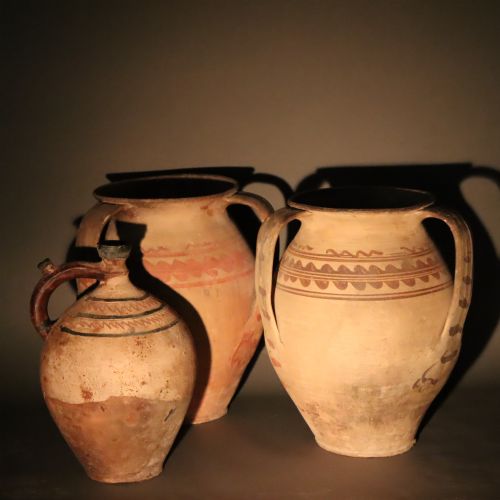
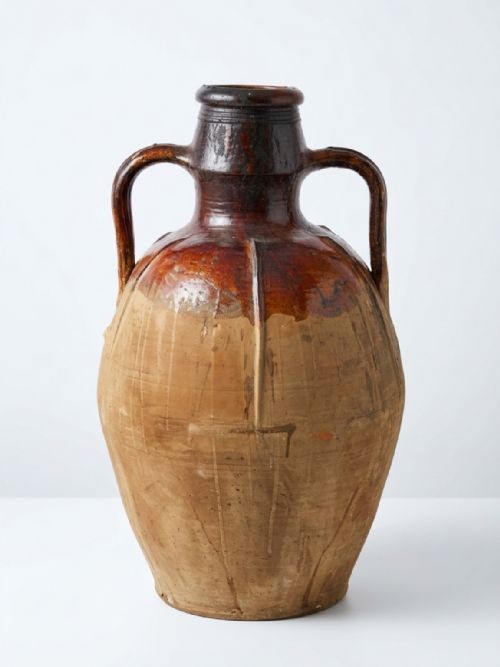
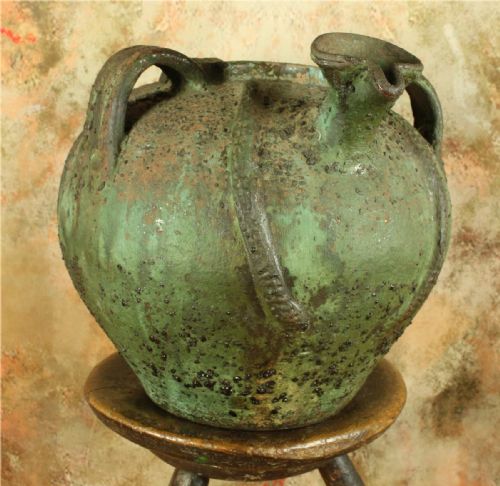
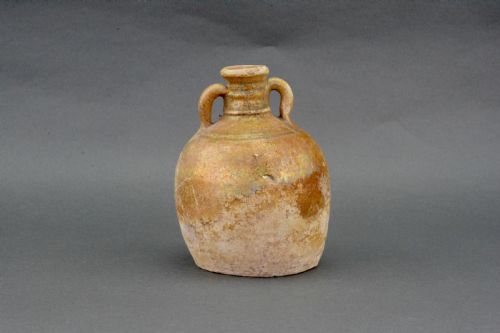
When you search for terracotta amphorae, you encounter vessels and urns originating from various regions including Italy, France, Turkey, Portugal, and Austria. The most common examples on this page date from the nineteenth century, taking the form of large oil jars, wine vessels, and olive pots.
These pieces range from utilitarian nineteenth-century country Italian and French country containers to decorative nineteenth-century Austrian pottery ewers and early Greek antiquities. Many incorporate practical handles, stands of wrought iron, or traditional glazes and lime wash finishes.
Materials and construction
The primary material used across these pieces is terracotta, along with earthenware, clay, and ceramic. Makers shaped these substances into large jars and vessels, sometimes applying a glaze, lime wash, or paint to the exterior surface.
Some forms feature structural support through the addition of wrought iron stands. The construction reflects functional storage needs for oil, water, and wine across Mediterranean and European traditions.
Terracotta Amphorae Retail Price Guide 2026
Typical asking prices for terracotta amphorae among the pieces listed under this phrase on Sellingantiques today, from the lower quarter to the upper quarter. They describe what is for sale here now, not the wider market.
Listings span from early Greek and Roman antiquities to the Victorian era and the early twentieth century, utilising terracotta, clay, and wrought iron.
Judging quality and character
Quality in these vessels depends on the harmony of the thrown form and the character of the surface wear. Pieces that retain original lime washes, glazes, or painted finishes show greater visual depth.
The integrity of the body and the presence of period-appropriate handles or associated iron stands distinguish robust utilitarian examples from purely decorative later interpretations.
The Terracotta Amphorae Glossary
- Amphora
- A two-handled jar with a narrow neck used in ancient times for the storage and transport of oil or wine. Later nineteenth-century makers adopted the term for decorative garden vessels.
- Earthenware
- Pottery fired at relatively low temperatures, remaining porous unless glazed. This is the primary ceramic body for the majority of these utility jars.
- Lime wash
- A coating made from slaked lime applied to the exterior of clay pots for protection and a matte white finish. It frequently weathers gracefully over centuries of exposure.
- Ewer
- A large pitcher or jug with a wide spout and handle designed for holding liquids. Art Nouveau Austrian examples demonstrate this form in decorative pottery.
- Terracotta
- Baked earth made from unglazed, brownish-red clay. It forms the structural foundation for nearly all the utilitarian jars and planters found here.
Terracotta Amphorae: Frequently Asked Questions
How do I care for an antique amphora?
Most pieces made from fired clay and terracotta require gentle handling and protection from severe frost if kept outdoors. Water retention inside porous earthenware during freezing temperatures can cause the material to crack.
Cleaning should be limited to soft brushing to preserve original surface treatments such as lime wash, old paint, or historic glazes.
Are all terracotta amphorae very old?
The inventory spans multiple centuries, including early antiquities from Greece and the Roman period, alongside numerous nineteenth-century examples from Italy, France, Turkey, and Portugal. Dating depends entirely on the specific manufacturing style and documented origin of the individual piece.
Twentieth-century and Victorian pieces are frequently represented alongside earlier utilitarian country pots.
Can I use these pots in the garden?
Many of these vessels function well as garden urns, planters, and decorative focal points on terraces or patios. Selecting a suitable spot depends on whether the piece has delicate historic surfaces that require indoor placement.
Using wrought iron stands or stable bases helps keep heavy earthenware vessels safe from direct damp ground contact.