



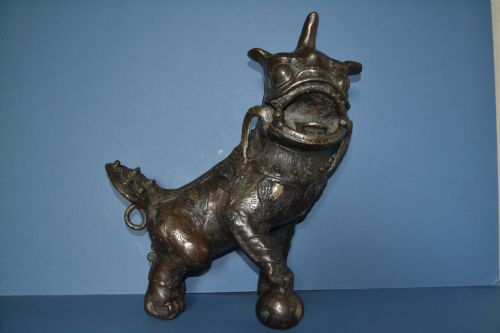


Temple Guardian Lion
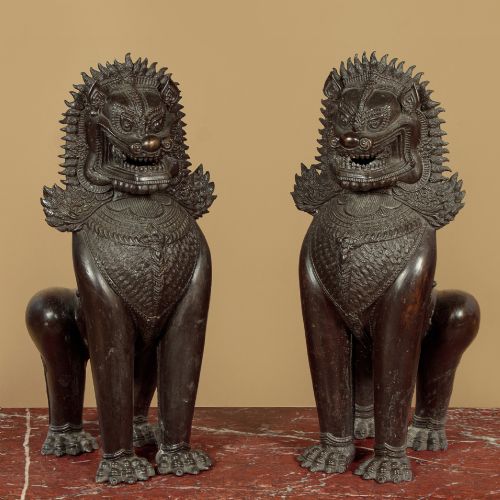
These temple guardian lion sculptures stand ready to protect your space, bringing centuries of tradition and fierce sculptural presence into the room.
Temple Guardian Lion
When you search for temple guardian lion, you encounter powerful sculptural figures designed to guard thresholds and sacred spaces. These pieces appear as matched pairs or individual statues, originating primarily from Chinese dynasties, Japanese periods, and Tibetan traditions. You will most frequently meet pairs cast in bronze or brass, or carved from wood and stone.
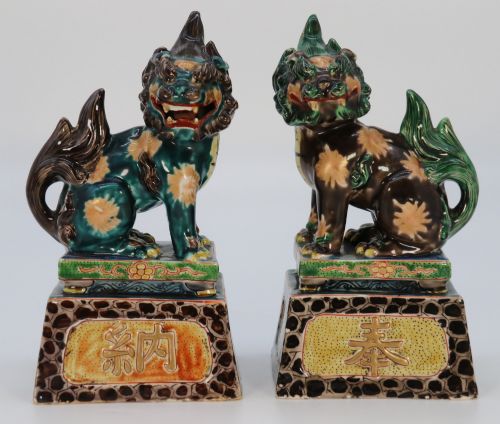
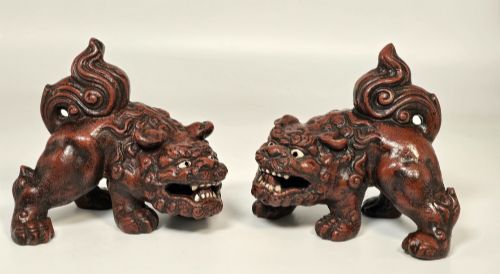
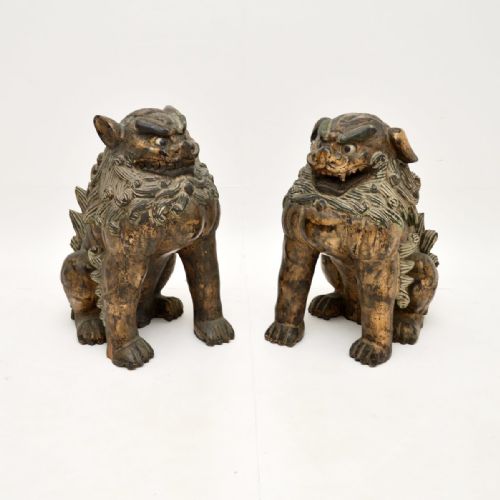
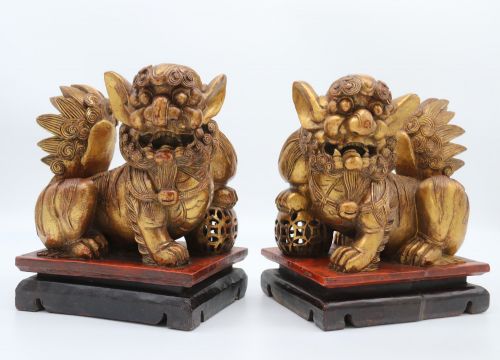
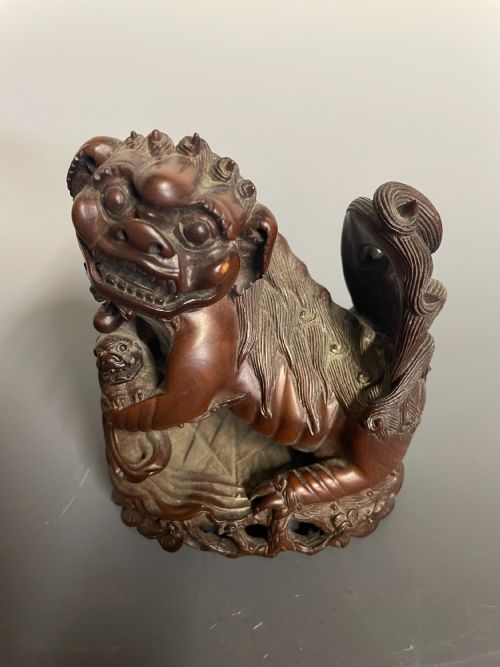
The forms span centuries of craftsmanship, drawing on styles such as Qing Dynasty, traditional Chinese, and Japanese Meiji period aesthetics. Alongside traditional temple bronzes, the selection includes porcelain figures, glazed ceramics, and carved boxwood or gilt wood pieces. Sculptors rendered these guardian figures as dynamic beasts with stylised manes, often resting a paw upon an embroidered ball or a playful cub.
Makers produced these protective figures to stand outside important buildings, temples, and homes as symbolic sentinels. Their postures range from alert, open-mouthed callers to grounded, contemplative guardians holding a steady stance. Collectors select them to anchor an interior scheme with historical weight and commanding sculptural scale.
Materials and Construction
Makers fashioned temple guardian lions using durable foundry metals, dense hardwoods, and fired ceramics. Bronze and cast iron sculptures relied on complex casting methods to capture the intricate curls of the mane and muscular stance. Artisans often applied rich gilding, enamel, or coloured glazes to bronze and porcelain surfaces to heighten the visual impact.
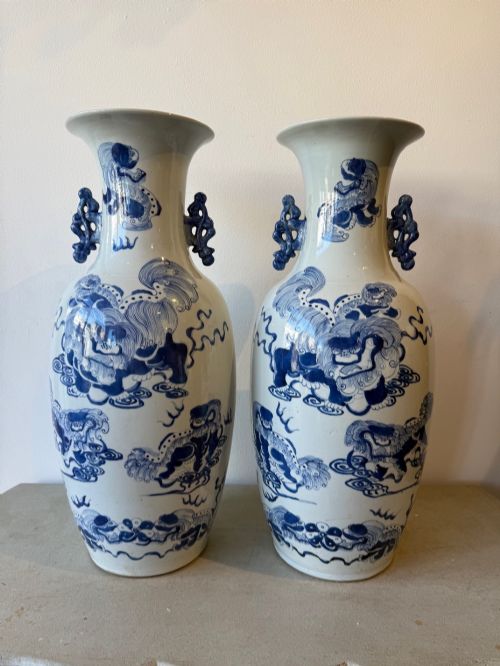
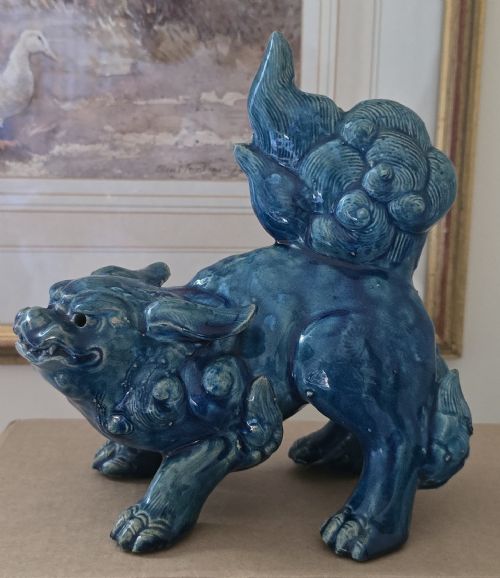
Carvers worked with boxwood, stone, and other timbers, using hand chisels to define the muscular contours and fierce expressions of the lion dogs. Ceramic pieces required careful kiln firing before receiving turquoise, pale green, or blue and white glazes. These diverse techniques ensure that each medium expresses the texture of the beast differently, from the cold weight of Tibetan bronze to the warm grain of carved wood.
Temple Guardian Lion Retail Price Guide 2026
Typical asking prices for temple guardian lion among the pieces listed under this phrase on Sellingantiques today, from the lower quarter to the upper quarter. They describe what is for sale here now, not the wider market.
Judging Quality
Proportion and stance dictate the visual gravity of a guardian lion. The best pieces maintain a balanced tension between ferocity and decorative grace, with harmonious proportions that make the heavy materials appear muscular and alert. Surface finishes also separate the exceptional from the ordinary, with well-preserved gilding, rich patination, or carefully controlled glazes elevating the object's presence.
The Temple Guardian Lion Glossary
- Foo Dog
- A traditional Western term for the Chinese guardian lions that stand sentry outside temples and palaces. These figures are actually stylised lions rather than domestic dogs.
- Shishi
- The Japanese term for a Buddhist lion or guardian lion figure. Artisans in Japan interpreted the traditional Chinese motif through distinct regional styles.
- Okimono
- A Japanese decorative statue or ornament designed for display in a tokonoma alcove or on a shelf. These standalone carvings often display meticulous attention to naturalistic detail.
- Meiji Period
- A notable era in Japanese history spanning from 1868 to 1912, marked by significant artistic production and international export of fine metalwork and ceramics.
- Qing Dynasty
- The final imperial dynasty of China, lasting from 1644 to 1912, known for prolific ceramic arts, bronze casting, and traditional sculptural forms.
Temple Guardian Lion: Frequently Asked Questions
What is a temple guardian lion?
A temple guardian lion is a traditional sculptural figure placed outside buildings to ward off harmful spirits and protect the space within. These protective beasts draw on ancient symbolic traditions across Asian art.
Makers shaped them in pairs, typically with one male holding an embroidered ball and a female restraining a playful cub. They serve as both architectural sentinels and striking interior ornaments.
How do I place them in a room?
You can display temple guardian lions on heavy furniture, consoles, or directly on the floor depending on their scale and weight. Placing a matched pair to flank a doorway or fireplace honours their traditional guarding role.
Ensure heavier bronze or stone pieces rest on stable, supportive surfaces capable of bearing significant weight. Lighter porcelain or wood figures fit comfortably on shelves and display cabinets.
How do I tell wood from bronze pieces?
Wood guardian lions display natural grain patterns, lighter weights, and carved tool marks left by the artisan's chisel. Boxwood and gilt wood versions offer a warmer tactile quality and visible timber characteristics.
Bronze and cast iron figures feature significant heft, metallic resonance when tapped, and patinated surfaces developed over time. These metal pieces often show evidence of lost-wax casting or mould seams.
What periods do these figures date from?
The listings encompass figures spanning the eighteenth and nineteenth centuries, alongside pieces produced around 1900. You will encounter Qing Dynasty works alongside Japanese Meiji period examples and early twentieth-century interpretations.
Examining the base material, glaze type, and stylistic conventions helps narrow down the historical era of each specific guardian sculpture.